The Science of Learning English: How Your Brain Adapts to a New Language
22 October 2026
Have you ever wondered what’s going on inside your brain when you’re struggling to memorize a new English word or trying to make sense of grammar that just doesn’t seem to follow logic? You’re not alone. Every English learner experiences this—and it turns out, there’s a fascinating science behind it.
The human brain is like a superhero when it comes to adapting, especially when you're giving it the challenge of a whole new language. And English? It's got its quirks. From pronunciation twists to spelling puzzles, your brain has its work cut out for it. But the way it rewires and reshapes itself to handle these challenges is nothing short of amazing.
In this article, we’ll dive into how your brain learns English—not with boring textbook facts, but in a way that’s engaging, easy to understand, and maybe even a little fun. Ready to take a peek inside your brain? Let’s get started!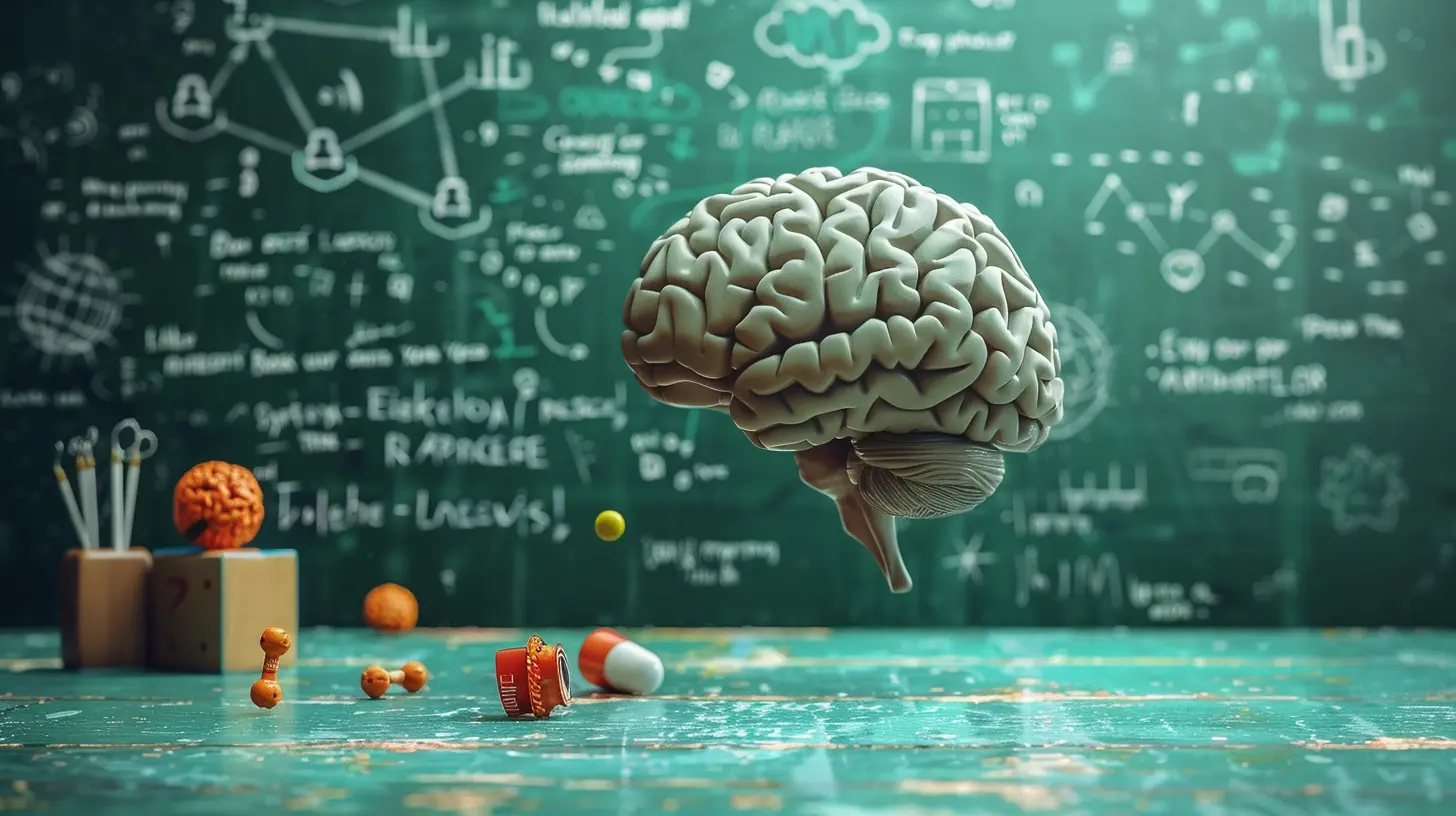
Why Learning English Is a Big Deal for the Brain
Let’s start with this: language learning isn’t just memorizing words. It’s a full-body workout for your brain.When you study English, you’re engaging multiple parts of your brain—listening, speaking, reading, writing, even emotions and motor functions. It’s not only about storing vocabulary; it’s about rewiring how you think, speak, and understand the world.
And yes, your brain literally changes. Scientists call this neuroplasticity—a fancy word that basically means your brain is always adapting. Language learning kicks this into high gear.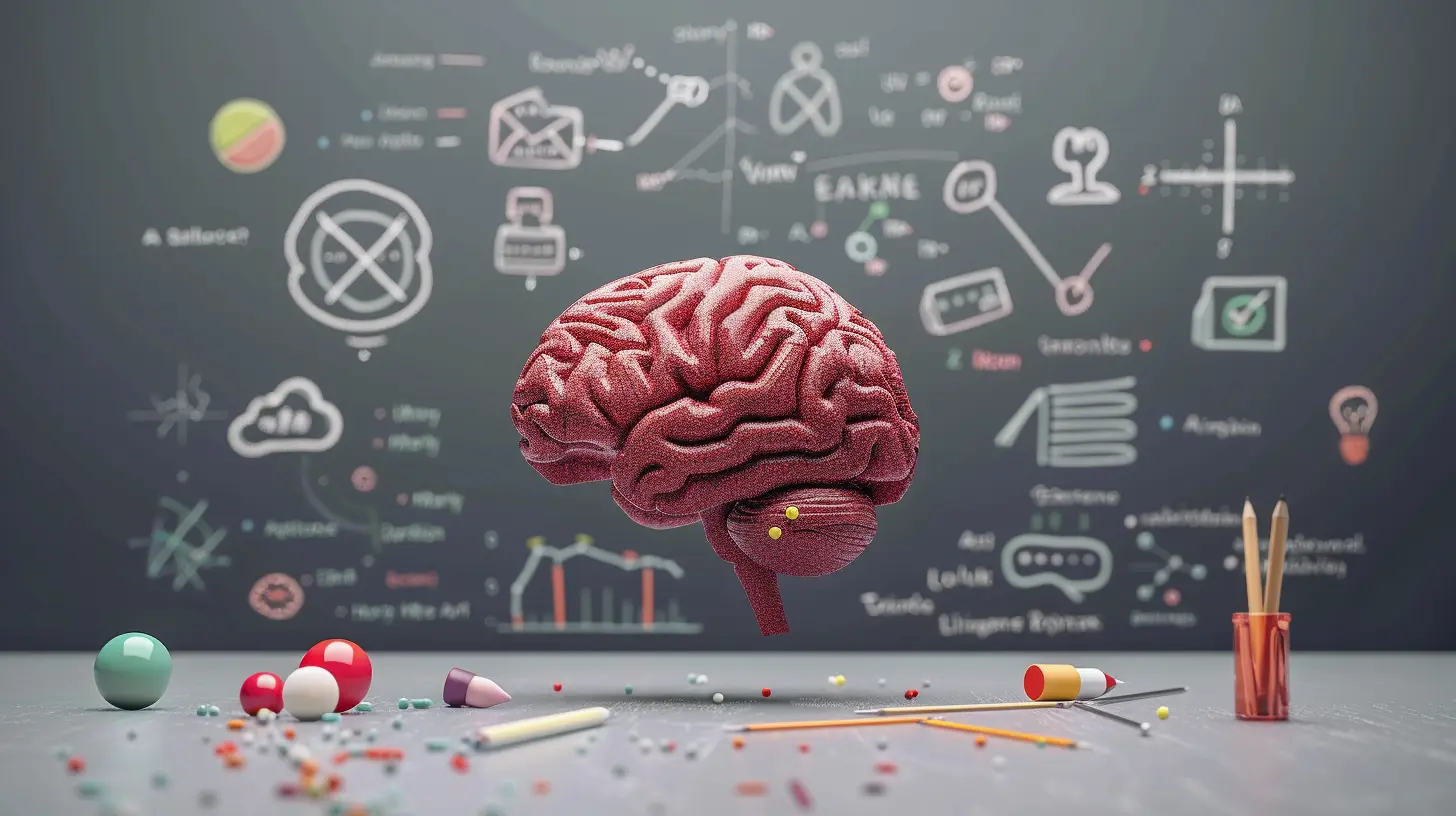
Neuroplasticity: Your Brain's Superpower
Think of your brain like a piece of clay. When you’re a child, it’s super soft and easy to shape—languages stick without much effort. That’s why kids can pick up multiple languages just by playing or watching cartoons.But even as adults, our brains stay moldable. They just need a little more encouragement. That’s where practice, repetition, and exposure to English come into play.
Every time you practice English, whether it’s watching a Netflix series, chatting with a friend, or doing flashcards, you’re strengthening neural pathways. You’re training your brain to recognize and produce sounds, words, and grammar structures that didn't exist in your mental database before.
Over time, these new pathways get stronger—and English becomes more natural.
How the Brain Processes Language
When you hear someone speak English, several brain areas kick into action:- Auditory cortex: Processes sounds
- Broca’s area: Handles speech production
- Wernicke’s area: Deals with understanding language
- Motor cortex: Coordinates speaking muscles
They all work together like a well-rehearsed symphony. And even cooler? When you become more advanced in English, these areas start processing English the same way they process your native language.
It’s like your brain’s saying, “Alright, this English thing? I got this.”
The Role of Memory in Learning English
Let’s be real—memorizing vocabulary can feel like banging your head against a wall. But memory isn’t just a storage closet; it’s a complex system that actually involves three key steps:1. Encoding – Taking in new information (like seeing the word “opportunity” for the first time).
2. Storage – Keeping that word in your brain.
3. Retrieval – Pulling it out when you need to use it in a sentence.
The trick? Spaced repetition. That means seeing the word today, then again tomorrow, then next week—each time reinforcing the memory. This technique helps move words from short-term to long-term memory. The more you use them in real situations, the more likely they're going to stick.
Emotions Are Secret Language Learning Tools
Here’s something surprising: your emotions affect how well you learn. If English reminds you of frustration or failure, your brain might resist learning it. But when you associate it with joy, excitement, or connection, your brain goes, “Yes! Let’s do more of this!”That’s why watching shows you love, listening to English music, or talking to people you connect with helps you learn faster. Your emotional brain (especially the amygdala) plays a key role in how you remember things.
So go ahead—sing along to that Ed Sheeran song or binge-watch your favorite sitcom. You’re not slacking off; you’re actually hardwiring English into your brain.
The Two Types of Language Learning: Implicit vs. Explicit
Let’s break it down a little more. There are two main ways your brain learns English:1. Implicit Learning (Unconscious)
This is how babies learn. They hear, mimic, and absorb without studying grammar rules. As adults, we still benefit from this kind of learning. That’s why immersion—surrounding yourself with English—is so powerful.Ever find yourself picking up expressions just from watching a show or being around native speakers? That’s implicit learning in action.
2. Explicit Learning (Conscious)
This is the stuff most of us are used to in school: grammar drills, vocabulary lists, structured lessons. It’s not as natural, but it’s super useful for understanding why English works the way it does.Your brain actually uses both methods. So the key is balancing exposure with instruction. Watch a Netflix series AND review the grammar behind what you hear.
The Bilingual Brain vs. Monolingual Brain
If you’re learning English as your second (or third!) language, your brain already works differently than someone who only speaks one language.Research shows bilinguals often have:
- Better problem-solving skills
- Improved multitasking
- Higher memory retention
- Delayed onset of dementia
Why? Because managing two languages is like juggling with your brain. You’re constantly switching, sorting, choosing the right word, avoiding “false friends”—your brain’s executive control center is always on high alert.
Learning English isn’t just a communication tool—it’s a mental upgrade.
Pronunciation and the Brain
Let’s talk about pronunciation. English can be a bit of a beast here—why is “though” different from “through” and “thought”?Pronunciation challenges tie directly to what sounds your brain is trained to hear. Your native language has already shaped your “phonetic filter.” If a sound doesn’t exist in your language, your brain may not even notice it.
But good news: you can train your ears. With enough listening and practice, your brain actually develops new sound maps. That’s why shadowing exercises (repeating after native speech) and listening carefully help so much.
Over time, your pronunciation improves—not because your mouth got smarter, but because your brain learned how to hear and reproduce those tricky sounds.
Grammar and Structure: Building New Language Paths
If language is a highway system, then grammar is the traffic rules. Your brain already knows how traffic flows in your native language, but English may have completely different lanes, exits, and speed limits.At first, it’s confusing. Why does English say “I have eaten” and not just “I ate” in some situations?
The brain’s job is to rebuild those roads. Through repetition and usage, it eventually gets used to the new patterns. Patterns matter more than rules—so the more you expose yourself to correct English grammar in real-life conversations, the more your brain connects the dots.
Sleep, Practice, and Patience: The Holy Trinity
Want your brain to really absorb English? Here’s your best bet:- Sleep – That’s when your brain processes and stores new information. No rest = no retention.
- Practice – Speaking, writing, listening, reading. Every day. Even 10 minutes helps.
- Patience – Your brain wants to help you, but it needs time. Don't rush it.
You wouldn’t expect to grow muscles after one gym session, right? Same goes for learning English. Give your brain time to adapt, and you’ll be amazed at how far you can go.
Tips to Boost Your Brain While Learning English
Here are some brain-friendly techniques to help you along the way:? Talk to Yourself (Yes, Really)
Narrate your day in English. It forces your brain to think in the language, even if no one’s listening.? Mix It Up
Read a blog, watch a show, write a diary entry. Different inputs activate different brain areas and strengthen learning.? Use Flashcards with Visuals
Your brain loves pictures. Combine images with words for faster recall.? Teach Someone Else
Explaining a concept in English—even to your dog—helps reinforce what you know.? Move While Learning
Studies show that walking or moving while speaking a language improves memory. So go for a walk and talk to yourself in English!Final Thoughts: Your Brain Is Built for This
So if you ever feel like learning English is “too hard” or “not for me,” remember this: your brain was built to adapt. It’s constantly growing, learning, and rewiring itself—even when you don’t feel it.Every awkward conversation, every grammar mistake, every misunderstood joke—it’s all part of your brain’s incredible journey to mastering English.
And guess what? You’re doing better than you think.
all images in this post were generated using AI tools
Category:
English As A Second LanguageAuthor:

Bethany Hudson

