Understanding English Tenses: A Beginner’s Guide
23 August 2026
Let’s face it — English grammar can feel like a wild jungle, especially when it comes to tenses. There are rules, exceptions, and then rules that seem to contradict the exceptions! But guess what? You’re not alone, and it doesn’t have to be as hard as it seems. Whether you're just starting to learn English or you need a refresher, this guide is YOUR roadmap.
So grab your mental backpack — we’re diving into the wonderful (and sometimes wacky) world of English tenses. Trust me, by the end of this guide, tenses won’t feel nearly as scary.
? Why Are Tenses So Important, Anyway?
Imagine trying to tell someone a story without talking about when it happened. Pretty confusing, right?Tenses help us talk about time — past, present, or future. They shape the way we express actions. Without them, your English could end up sounding like a broken time machine.
Here’s the good news: there are only 12 core tenses you need to get familiar with. Yep, just 12. And once you understand the patterns, you’ll start spotting them everywhere.
? The Tense Timeline: Past, Present, Future
Before we dive deeper, think of tenses like a timeline split into three main zones:- Past – Things that already happened
- Present – Things happening now
- Future – Things that haven’t happened yet
Each of these has four aspects:
1. Simple
2. Continuous (Progressive)
3. Perfect
4. Perfect Continuous
So, 3 time zones × 4 aspects = 12 tenses. That’s our game plan. Keep this framework in mind as we go along.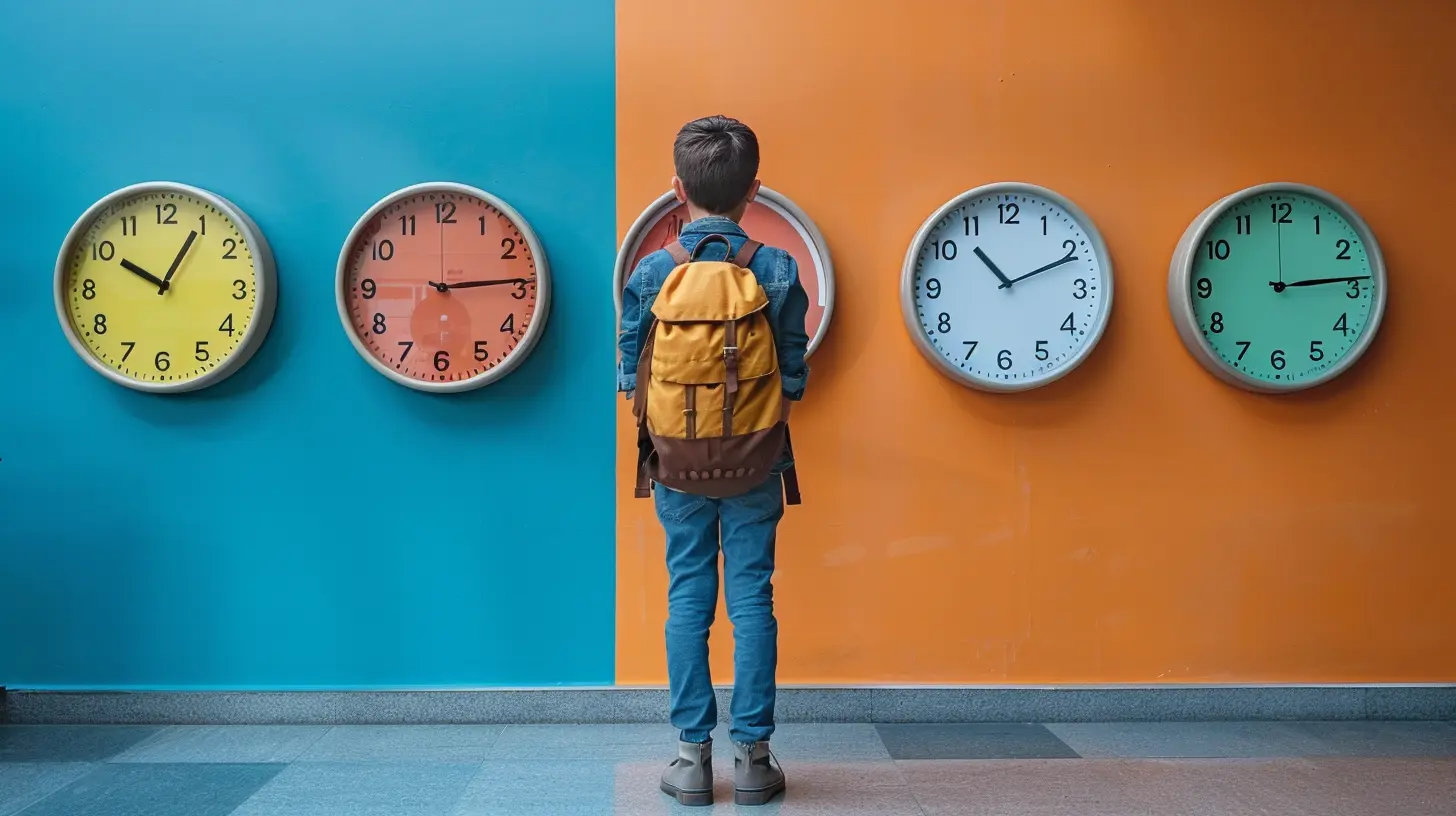
✅ Simple Tenses: Clean and Straightforward
Simple tenses are like the building blocks of English. Think of them as your “go-to” structure — clear and direct.1. Simple Present
Used for:- Habits (`I drink coffee every morning.`)
- General truths (`The sun sets in the west.`)
- Scheduled events (`The train leaves at 5 PM.`)
Formula: Subject + base verb (add "s" for he/she/it)
? “She walks to school.”
2. Simple Past
Used for:- Completed actions in the past (`I watched a movie yesterday.`)
Formula: Subject + past form of the verb
? “They played soccer last weekend.”
3. Simple Future
Used for:- Actions that will happen in the future (`We will travel next summer.`)
Formula: Subject + “will” + base verb
? “He will study tonight.”
? Continuous Tenses: Actions in Progress
These tenses are great at showing that something is happening over a stretch of time.4. Present Continuous
Used for:- Actions happening now (`I am writing.`)
- Near future plans (`She is meeting me at noon.`)
Formula: Subject + am/is/are + verb-ing
? “We are learning English.”
5. Past Continuous
Used for:- Actions in progress in the past (`I was eating dinner when the phone rang.`)
Formula: Subject + was/were + verb-ing
? “They were playing video games all afternoon.”
6. Future Continuous
Used for:- Ongoing actions that will happen in the future (`This time tomorrow, I’ll be flying.`)
Formula: Subject + will be + verb-ing
? “She will be working late tonight.”
? Perfect Tenses: Looking Back from Another Time
Now it gets a bit more layered. Perfect tenses help us talk about completed actions before a certain time.7. Present Perfect
Used for:- Actions that happened at an unspecified time (`I have seen that movie.`)
- Experiences (`He has traveled to Japan.`)
- Still-relevant past actions (`She has lived here for five years.`)
Formula: Subject + have/has + past participle
? “They have finished their homework.”
8. Past Perfect
Used for:- An action that happened before another past action (`I had eaten before she arrived.`)
Formula: Subject + had + past participle
? “We had just left the house when it started to rain.”
9. Future Perfect
Used for:- Actions that will be completed before a certain future point (`By Monday, I will have submitted my report.`)
Formula: Subject + will have + past participle
? “She will have graduated by 2025.”
? Perfect Continuous Tenses: Action + Duration
These tenses highlight how long an action has been going on. They’re perfect for emphasizing time and duration.10. Present Perfect Continuous
Used for:- Actions that began in the past and continue now (`I have been studying for three hours.`)
Formula: Subject + have/has been + verb-ing
? “They have been working all day.”
11. Past Perfect Continuous
Used for:- Duration of a past action before another past event (`She had been waiting for two hours before the bus arrived.`)
Formula: Subject + had been + verb-ing
? “He had been living in Paris before he moved to Rome.”
12. Future Perfect Continuous
Used for:- Emphasize duration up to a point in the future (`By next year, she will have been teaching for a decade.`)
Formula: Subject + will have been + verb-ing
? “I will have been writing for three hours by lunchtime.”
? Quick Tense Comparison Table
| Tense | Example ||-------|---------|
| Simple Present | I play. |
| Present Continuous | I am playing. |
| Present Perfect | I have played. |
| Present Perfect Continuous | I have been playing. |
| Simple Past | I played. |
| Past Continuous | I was playing. |
| Past Perfect | I had played. |
| Past Perfect Continuous | I had been playing. |
| Simple Future | I will play. |
| Future Continuous | I will be playing. |
| Future Perfect | I will have played. |
| Future Perfect Continuous | I will have been playing. |
Simple, right? It starts to make sense when you look at it all laid out like that.
?️ Pro Tips for Grasping Tenses Faster
Want some cheat codes? Here are a few that might help:1. Practice in Context
Don’t just memorize rules. Use them in your own sentences or stories. It's like learning to swim — you can’t master it by reading the manual!2. Use Timelines
Drawing little timelines can help you visualize when actions take place relative to each other.3. Chat with Yourself
Sounds silly, but talking to yourself using different tenses is a killer way to practice. Try narrating your day in the past, present, and future.4. Read and Listen A LOT
Pick up on how native speakers use tenses. Whether it’s Netflix, YouTube, or books, exposure helps you absorb the rhythm of tenses naturally.? Common Mistakes (And How to Dodge Them)
❌ Confusing Past Simple and Present Perfect
?️ “I have went” is incorrect. It should be “I have gone.”Why? Because the present perfect needs the past participle form, not the simple past.
❌ Forgetting the ‘s’ in Simple Present
He walk to school? Nooope. It’s “He walks to school.” That tiny “s” makes a big difference!❌ Using Present Tense for Future Plans
“I go to the party tomorrow.” Hmm… not quite right. Better: “I’m going to the party tomorrow.” Or “I will go…”? Final Thoughts: You’ve Got This!
Mastering English tenses is like learning to ride a bike. At first, it’s wobbly and awkward, but with practice? You’ll be zooming with confidence. The trick is to not be afraid of making mistakes. Every time you trip up or feel confused, you’re actually learning.Just remember: tenses are tools. They’re here to help you express yourself clearly and confidently. Don’t let them intimidate you — bend them to YOUR will.
So take a deep breath, start small, practice regularly, and keep going. Before you know it, you’ll be speaking and writing like a pro.
all images in this post were generated using AI tools
Category:
English As A Second LanguageAuthor:

Bethany Hudson
Discussion
rate this article
2 comments
Spike McCarron
This article simplifies English tenses beautifully. It's a great starting point for beginners, making learning both accessible and enjoyable.
August 26, 2026 at 3:29 AM
Bethany Hudson
Thank you for your kind words! I'm glad you found the article helpful and enjoyable. Happy learning!
Zephira McTavish
This guide is super helpful for anyone starting to learn English tenses. It's great how it breaks down the concepts clearly. Understanding tenses can be tricky, but with this resource, it feels a lot more manageable. I can't wait to dive in!
August 23, 2026 at 2:29 AM
Bethany Hudson
Thanks for your kind words! I'm glad you found the guide helpful. Enjoy diving into the tenses!