Understanding the Benefits of Liberal Arts Education
4 December 2025
When you hear the term "liberal arts education," what comes to mind? Maybe you picture students reading ancient texts, debating philosophy, or writing endless essays. While that’s definitely part of it, there's so much more to the story. In fact, the benefits of a liberal arts education stretch far beyond the pages of Shakespeare or Socrates.
Let’s break it all down. If you're trying to figure out whether a liberal arts degree is "worth it" in today’s fast-paced, tech-driven world, you’re not alone. Many students — and parents — wonder the same thing. But here's the truth: a liberal arts education builds skills that never go out of style.
What Is a Liberal Arts Education, Anyway?
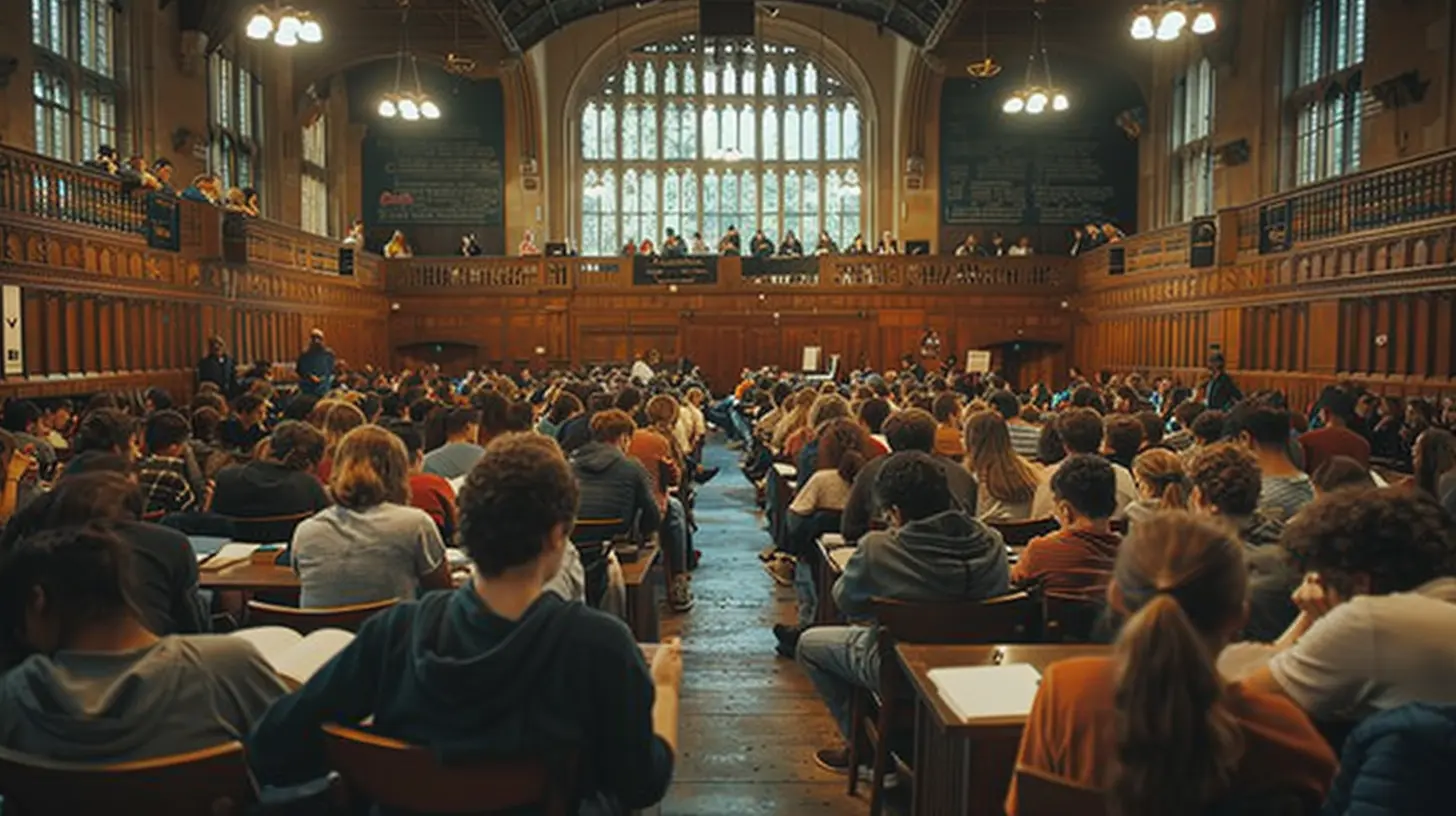
First things first: what does "liberal arts" even mean?A liberal arts education is a broad-based learning approach. It’s not about politics (despite the word "liberal"). Instead, it refers to a curriculum that includes humanities, social sciences, natural sciences, and mathematics. It’s a holistic way to teach students how to think rather than just what to think.
Think of it as a jack-of-all-trades education that’s surprisingly powerful. You don’t just dive deep into one subject — you get the chance to explore the full spectrum of knowledge.
Core Subjects Typically Included:
- Literature- History
- Philosophy
- Psychology
- Sociology
- Political Science
- Biology or Environmental Science
- Mathematics
- Communications
This well-rounded education creates individuals who are not only knowledgeable but also adaptable, curious, and equipped to tackle diverse challenges.
Benefit #1: It Makes You a Critical Thinker
Let’s face it — the world’s a messy place. Issues aren’t black and white, and simple answers are rare. That’s where a liberal arts education really shines.Instead of memorizing formulas or following instructions, you'll be trained to analyze, question, and problem-solve. It teaches you how to think critically from multiple points of view. You learn to weigh evidence, spot biases, and build solid arguments.
And here’s the kicker: those skills apply to any career. Whether you end up in business, healthcare, education, or tech, being able to think on your feet is gold.

Benefit #2: You’ll Master Communication (And That’s a Big Deal)
Ever tried explaining a complex idea to someone who just doesn’t get it? It’s frustrating. With a liberal arts background, you get plenty of practice turning complicated ideas into clear, compelling messages.You write tons of essays, give presentations, engage in discussions — basically, you get good at getting your point across. And in a world that’s all about emails, Zoom calls, and social media, strong communication is a superpower.
Ask any employer what they want in a new hire. Nine times out of ten, “excellent communication skills” tops the list. And guess what? Liberal arts students have that in spades.
Benefit #3: It Builds Adaptability in a Changing Job Market
Here’s a little reality check: the job you train for today might not exist in ten years. Technology’s moving that fast.So how do you prepare for a future that’s constantly shifting? You build skills that evolve with the times — like creativity, emotional intelligence, and ethical decision-making. A liberal arts education doesn’t trap you in one career path. It opens doors to many.
Think of it like learning to drive instead of just learning one route. When things change — and they will — you’ll know how to pivot.
Careers That Value Liberal Arts Majors:
- Marketing & Advertising- Public Relations
- Journalism & Media
- Human Resources
- Education
- Nonprofits
- Law
- Public Policy
- Entrepreneurship
The versatility speaks for itself.
Benefit #4: It Encourages Lifelong Learning
Remember when you were a kid and asked "why" about everything? Somewhere along the way, many of us lose that curiosity.Liberal arts education brings it back.
It teaches you how to learn — not just for exams, but for life. You get exposed to different cultures, histories, belief systems, and perspectives, making you more open-minded and curious.
When you study multiple disciplines, you start to draw connections between them. A history class might help you understand a current political issue. A philosophy course could challenge the way you see the world.
That curiosity doesn’t just make you a better student — it makes you a more interesting human being.
Benefit #5: You’ll Develop Empathy and Cultural Awareness
These days, we live in a global village. You’re constantly interacting with people from different backgrounds, whether online or in person.Courses in sociology, anthropology, literature, and art give you the tools to appreciate and understand experiences outside of your own. You’ll learn to see the world through different lenses — which is essential in today’s connected society.
Let’s be honest, empathy isn’t just nice to have; it’s essential in workplaces, communities, and relationships. The liberal arts help cultivate that.
Benefit #6: It Fosters Strong Leadership Qualities
Good leaders don’t just bark orders. They inspire others, make thoughtful decisions, and navigate complex situations — often without a roadmap.Guess what kind of education promotes those skills? You got it — liberal arts.
Think about the late Steve Jobs. He famously credited his calligraphy class (a total liberal arts subject!) as the inspiration for Apple’s clean, elegant design.
True leadership isn’t just about technical know-how — it’s about vision, communication, ethics, and emotional intelligence. All things a liberal arts education tends to nurture.
Benefit #7: It’s Not “Either-Or” With Career Success
One of the most common myths is that liberal arts grads can’t get high-paying or “real” jobs. That’s just false.In fact, many CEOs, entrepreneurs, and professionals come from liberal arts backgrounds. The catch? They pair their education with internships, practical experience, and a clear sense of direction.
You can always specialize later. A lot of students double-major or add minors in business, computer science, or other fields. You don’t have to choose between passion and pragmatism — you can have both.
A Few Famous Liberal Arts Grads:
- Oprah Winfrey (Communications)- Howard Schultz, CEO of Starbucks (Communications)
- Susan Wojcicki, former CEO of YouTube (History and Literature)
- Angela Merkel, former Chancellor of Germany (Physics and Chemistry — combined with a liberal arts approach)
See? Liberal arts doesn't limit your future — it launches it.
So, Is a Liberal Arts Education Worth It?
If you’re looking for quick technical skills to land a job straight out of college, a liberal arts degree might seem like the long way around. But if you’re after long-term success and the ability to grow, lead, and thrive in different paths, it’s actually a shortcut — just in disguise.It’s not about choosing between liberal arts and career readiness. It’s about blending both. Think of liberal arts as the roots of a tree — deep, flexible, and able to support whatever direction you grow into.
Final Thoughts
Here's the bottom line: A liberal arts education might not teach you how to code or run a spreadsheet on day one. But it will teach you how to think, learn, lead, and connect — and those are skills you’ll use every single day of your life.In a world where information is everywhere (and attention spans are short), being able to analyze, communicate, and adapt is more valuable than ever. Liberal arts isn’t old-fashioned — it’s timeless.
So if you're thinking about going down this path, trust that you're building a foundation that will carry you far. It’s not just about what you study. It’s about who you become.
all images in this post were generated using AI tools
Category:
Higher EducationAuthor:

Bethany Hudson
Discussion
rate this article
2 comments
Tatianna McLoughlin
Unlock hidden intellectual doors.
December 14, 2025 at 11:45 AM
Bethany Hudson
Thank you! Liberal arts education indeed opens up new perspectives and fosters critical thinking, creativity, and adaptability.
Lysara Myers
Liberal arts education cultivates critical thinking, creativity, and adaptability—skills essential for navigating today’s complex world. Embracing diverse perspectives enriches our understanding and prepares us for a multitude of careers. Let’s celebrate the transformative power of liberal arts, empowering individuals to become insightful leaders and compassionate citizens of the future!
December 5, 2025 at 3:40 AM
Bethany Hudson
Thank you for highlighting the essential role of liberal arts education in fostering critical skills and diverse perspectives. Your appreciation for its transformative power underscores its importance in shaping thoughtful, adaptable leaders for our future.