Using Art to Foster Environmental Awareness in Students
14 March 2026
Environmental issues have become a pressing concern in today’s world. From climate change to deforestation, pollution, and biodiversity loss, our planet faces numerous challenges. But how do we get the next generation to care about and actively engage in solutions? One creative and effective approach is art.
Art has the power to inspire, educate, and bring about change. By integrating art into environmental education, we can spark curiosity, ignite passion, and encourage students to think critically about their role in protecting the planet.
So, how exactly does art help in fostering environmental awareness among students? Let’s dive in. 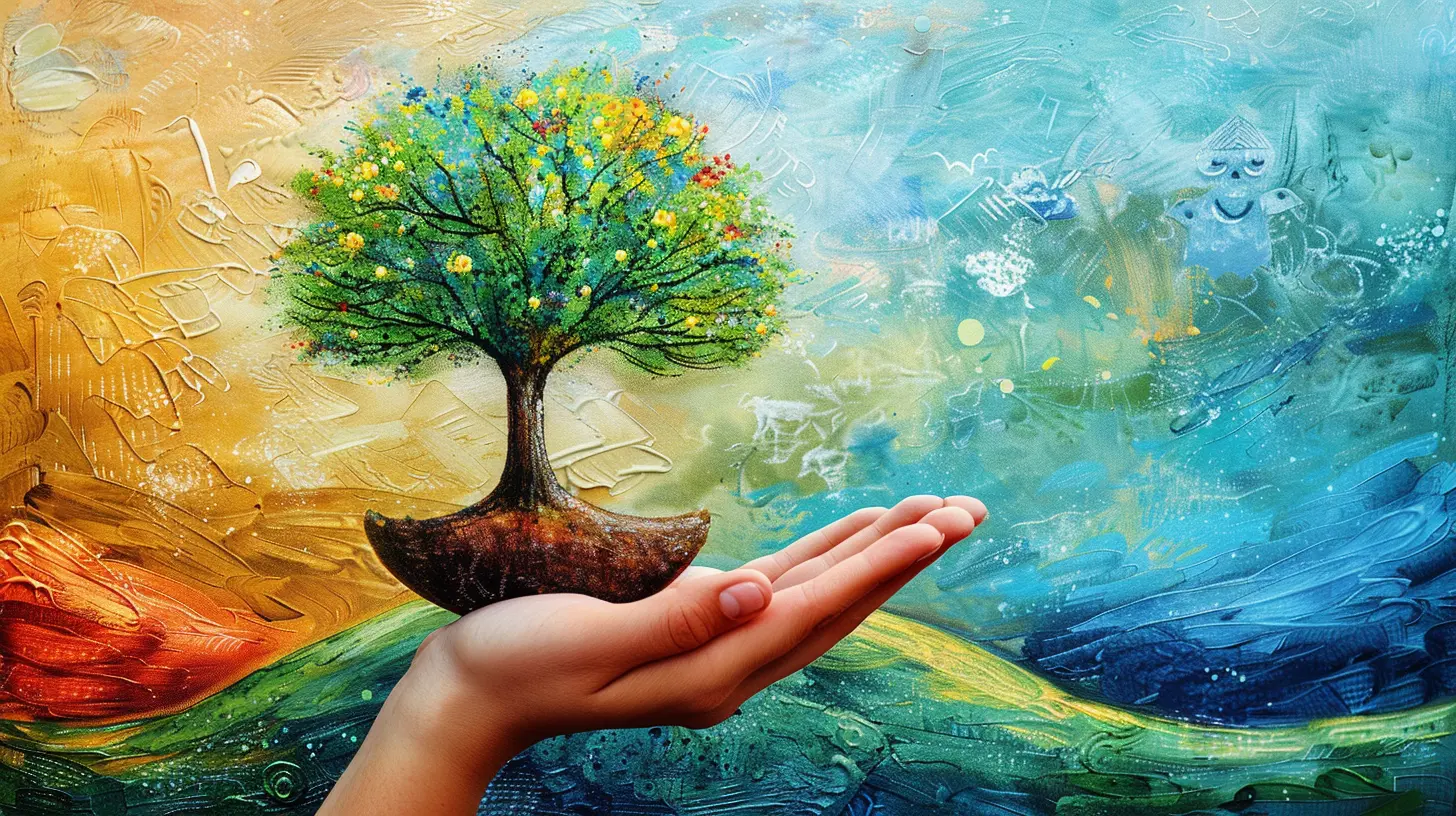
The Power of Art in Education
Art isn’t just about painting pretty pictures or sculpting aesthetically pleasing objects. It’s a universal language that transcends barriers and speaks to people regardless of age, culture, or background.When students engage in artistic expression, they develop a deeper emotional connection with the subject matter. This connection fuels motivation, enhances understanding, and leads to long-term retention of key concepts.
Why Use Art for Environmental Awareness?
1. Emotional EngagementArt has a way of triggering emotions. A powerful painting of a dying forest or an ocean filled with plastic waste can create a stronger impact than reading statistics in a textbook.
2. Encourages Creativity and Critical Thinking
Environmental issues require innovative solutions. Through artistic expression, students learn to think outside the box and find creative ways to address problems like pollution, conservation, and sustainability.
3. Makes Learning Fun and Interactive
Let’s be honest—traditional lectures and memorization aren’t always the most exciting ways to learn. Art-based activities make lessons engaging, hands-on, and memorable.
4. Helps Students Connect with Nature
Creating art inspired by nature—whether it’s drawing wildlife, painting landscapes, or crafting with natural materials—encourages students to appreciate and protect their surroundings. 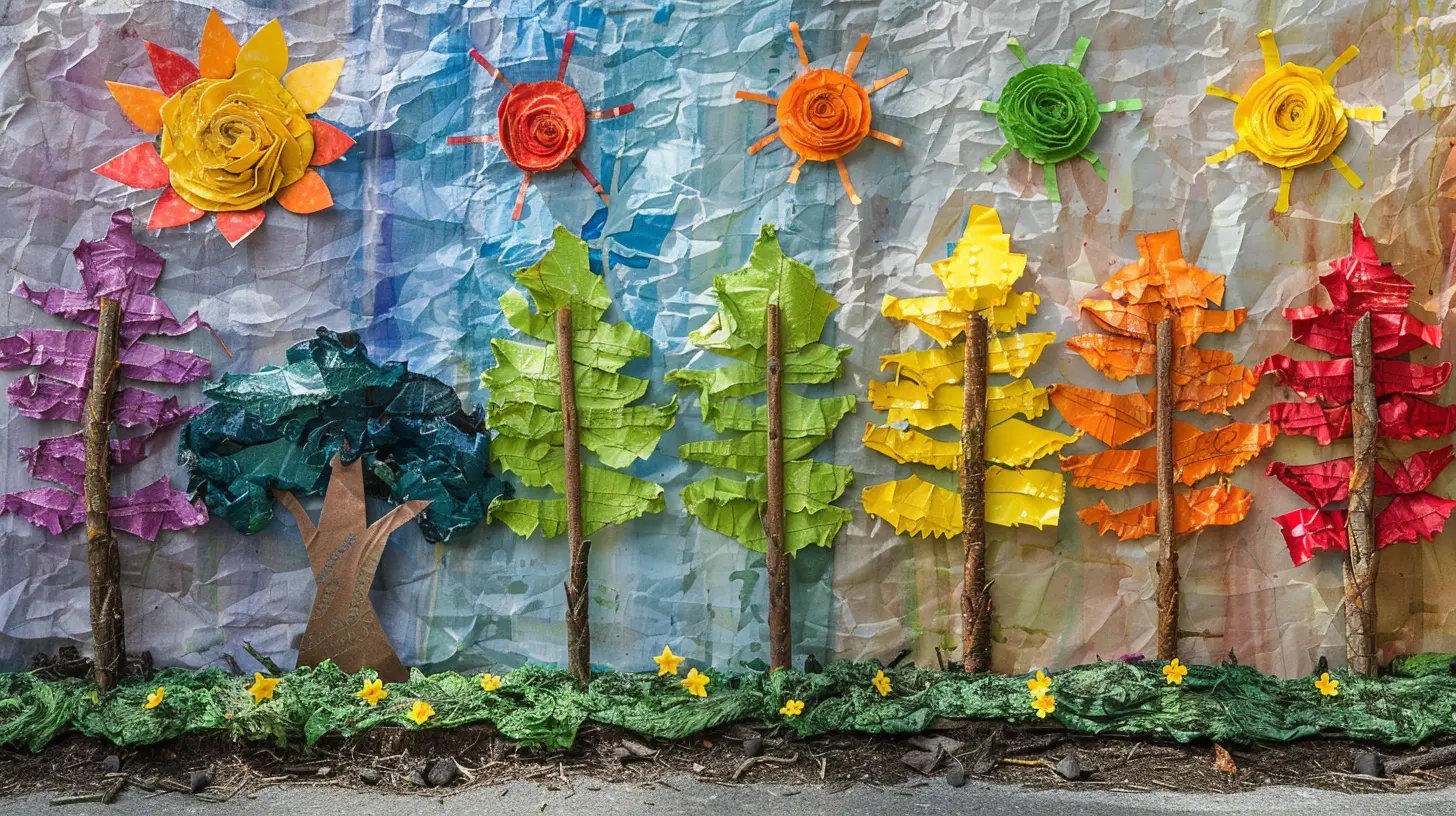
Creative Ways to Use Art for Environmental Education
Now that we understand the power of art, let's explore some creative and practical ways to incorporate it into environmental education.1. Eco-Themed Art Projects
Encourage students to create artworks that highlight environmental issues. Some ideas include:- Posters on Climate Change – Let students design posters showcasing the effects of global warming and ways to combat it.
- Recycled Art – Organize a project where students use waste materials (plastic bottles, cardboard, old newspapers) to create sculptures or collages.
- Mural Painting – Schools can dedicate a wall for students to paint a mural depicting nature and sustainability themes.
2. Storytelling Through Art
A picture is worth a thousand words, and sometimes, an artwork can tell a powerful story. Have students create:- Comic Strips – Let them draw comic strips featuring characters who fight pollution or promote recycling.
- Illustrated Stories – Ask them to write and illustrate short stories about endangered species or conservation efforts.
- Stop-Motion Animations – For tech-savvy students, an animated short film about environmental issues can be a fun and impactful project.
3. Nature Journaling
Encouraging students to keep a nature journal is an excellent way to build a personal connection with the environment. They can:- Sketch plants, insects, and landscapes they observe.
- Write poems or reflections on their experiences in nature.
- Document environmental changes in their local area over time.
4. Environmental Awareness Campaigns
Students can use their artistic skills to create materials for awareness campaigns within their schools and communities. This could include:- Posters promoting recycling and waste reduction in classrooms.
- Infographics on energy conservation tips.
- Social Media Graphics to spread environmental messages online.
5. Theater and Performing Arts
Music, dance, and drama are also fantastic tools for spreading environmental awareness. Consider:- Environmental Skits or Plays – Students can perform short plays about conservation, pollution, or climate change.
- Music and Songs – Writing and performing songs with lyrics about sustainability can be both entertaining and educational.
- Flash Mobs or Street Performances – A creative way to engage the larger community in environmental discussions. 
The Impact of Art on Student Mindsets
When students express their thoughts about environmental issues through art, they develop a personal connection with the cause. They begin to see themselves as active participants in the fight for a sustainable future, rather than just passive learners.1. Strengthening Empathy and Responsibility
Art helps students empathize with the challenges faced by the planet and its creatures. A well-drawn illustration of an orphaned baby elephant due to poaching can touch hearts more deeply than mere facts in a textbook.2. Inspiring Action
Once emotions are engaged, action follows. When students create impactful artwork, they may feel compelled to:- Change their daily habits (reduce plastic use, conserve water, recycle more).
- Educate friends and family about environmental issues.
- Advocate for greener policies within their schools and communities.
3. Encouraging Dialogue
A striking painting or sculpture can spark conversations. Through art, students can express viewpoints that might otherwise be difficult to articulate. These discussions pave the way for deeper learning and collaboration.
Practical Tips for Teachers and Educators
If you’re an educator looking to incorporate art into your environmental lessons, here are some practical tips:1. Make it Hands-On – Give students the freedom to explore different artistic mediums (paint, clay, digital art, etc.).
2. Encourage Group Work – Collaboration fosters teamwork and idea exchange.
3. Connect with Local Artists – Guest workshops with eco-conscious artists can inspire students.
4. Take Learning Outdoors – Conduct plein-air (outdoor) painting sessions in parks or school gardens.
5. Showcase Student Work – Display their creations in exhibitions or community spaces to spread awareness.
Final Thoughts
Art is more than just an extracurricular activity—it’s a powerful tool for education, advocacy, and change. By integrating artistic expression into environmental education, we can cultivate a generation that not only understands environmental issues but is also emotionally invested in finding solutions.So, whether it’s through painting, sculpture, storytelling, or theater, let’s use the power of creativity to make the world a greener and better place. After all, a brushstroke today can paint a brighter, more sustainable tomorrow.
all images in this post were generated using AI tools
Category:
Environmental EducationAuthor:

Bethany Hudson
Discussion
rate this article
2 comments
Fletcher McMahan
This article beautifully highlights the power of art in cultivating a deeper connection to our environment. By blending creativity with environmental education, we can inspire students to care for our planet, fostering a generation that values sustainability and awareness.
April 1, 2026 at 4:23 AM
Bethany Hudson
Thank you for your thoughtful comment! I'm glad to hear that the article resonated with you. Art truly has the power to inspire and connect us to our environment.
Xander Bryant
What a fantastic approach! Combining art with environmental awareness not only makes learning engaging but also fosters creativity in students. It's inspiring to see how art can spark a passion for our planet!
March 23, 2026 at 5:15 AM
Bethany Hudson
Thank you! I'm thrilled to see how art can ignite passion for the environment and make learning more engaging.