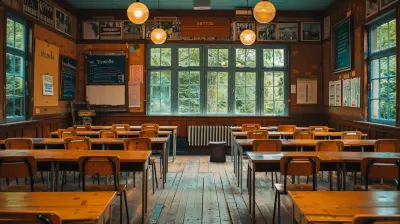
Water Conservation in Education: Why Every Drop Counts
1 February 2026
Water might seem like an infinite resource when it’s pouring from the sky or gushing from your school’s bathroom faucet, but in reality, it’s far from unlimited. With growing global water shortages, it’s high time we start paying attention to how we use (or waste) it—especially in schools!
Just think about it: how many times have you seen a dripping faucet, unmonitored sprinklers soaking the soccer field, or classmates leaving the tap running while they soap their hands? Schools, universities, and educational institutions play a HUGE role in teaching sustainable habits. And what better habit to instill than water conservation? After all, knowledge is power, and in this case, it can also save gallons of precious H₂O! 
Why Water Conservation in Schools Matters
1. Water Isn't Infinite (Even If It Feels Like It)
Most of the Earth’s surface is covered in water, but here's the catch—only 2.5% of it is freshwater, and less than 1% of that is actually accessible for human use. The rest is either locked away in glaciers or too deep underground to reach.So, while it may seem like turning off that leaky tap won’t make a difference, multiply that by millions of students across thousands of schools—and suddenly, we’re talking about a massive impact!
2. The School Environment Uses a LOT of Water
A single school can use thousands of liters of water every day. From restrooms to science labs, cafeterias to playgrounds, water is constantly flowing. But here’s the kicker: a large portion of it is wasted due to leaks, inefficient fixtures, and just pure negligence.Did you know that a dripping faucet can waste up to 3,000 gallons of water a year? That’s enough to fill a small swimming pool!
3. Teaching Water Conservation = Building Responsible Citizens
Schools aren’t just about textbooks and exams; they’re about shaping the next generation. Teaching students about water conservation instills habits that will last a lifetime. If kids grow up prioritizing sustainable water use, they’ll carry this mindset into adulthood, influencing their families, workplaces, and even future policies.
The Biggest Water Wasters in Schools (And How to Fix Them)
1. Leaky Faucets & Pipes
The problem: A single leaking faucet can waste hundreds of gallons of water a month. Now imagine several leaks in a school with hundreds of students—yikes!The fix: Schools need to regularly inspect and repair plumbing issues. Better yet, installing motion-sensor faucets can drastically reduce unnecessary water flow.
2. Overuse in Restrooms
The problem: Students often leave the taps running while washing hands, or toilets may have old flush systems that use way too much water.The fix: Schools should install low-flow toilets and faucets, and maybe even put up some cheeky reminder signs like, "Turn me off, I’m not crying—you are!"
3. Excessive Sprinkler Use
The problem: Many schools have lush green fields that require frequent watering, but traditional sprinklers can be highly wasteful, especially if they run during the hottest part of the day when most of the water evaporates.The fix: Schools should schedule watering during early mornings or late evenings and switch to drip irrigation systems for better efficiency.
4. Cafeteria Waste
The problem: Water waste in school cafeterias is usually overlooked. From washing trays and dishes to excessive food waste (which takes water to produce), cafeterias have a huge hidden water footprint.The fix: Encouraging reusable trays, optimizing dishwashing practices, and reducing food waste can significantly cut down unnecessary water use. 
Fun & Easy Ways Schools Can Promote Water Conservation
🌱 Start a “Save Every Drop” Campaign
Let’s be real—kids love challenges and competitions. Why not start a school-wide water conservation campaign? Set goals like “Reduce water use by 20% in a month” and reward the most water-conscious class!🏆 Water Conservation Contests
Who doesn’t love a little friendly competition? Schools can organize poster-making contests, quizzes, or even TikTok challenges around water conservation. The more engaging, the better!📢 Hang Catchy Reminder Posters
A simple sign above a sink that says, “Would you still leave me running if I was spitting out dollar bills?” can make students think twice before wasting water!🚰 Install Water Bottle Filling Stations
Instead of selling single-use plastic bottles, schools should install refill stations with filtered water. Not only does this save water, but it also cuts down on plastic waste.📚 Integrate Water Conservation into the Curriculum
Water conservation shouldn’t just be a one-time school assembly topic—it should be integrated into various subjects. Science classes can explore the water cycle and scarcity, math classes can calculate water savings, and English classes can write persuasive essays on conservation.🤝 Appoint Water Conservation Ambassadors
Just like there are student council members, why not have Water Conservation Ambassadors? These students can help monitor water use, spread awareness, and ensure the school's conservation efforts stay on track.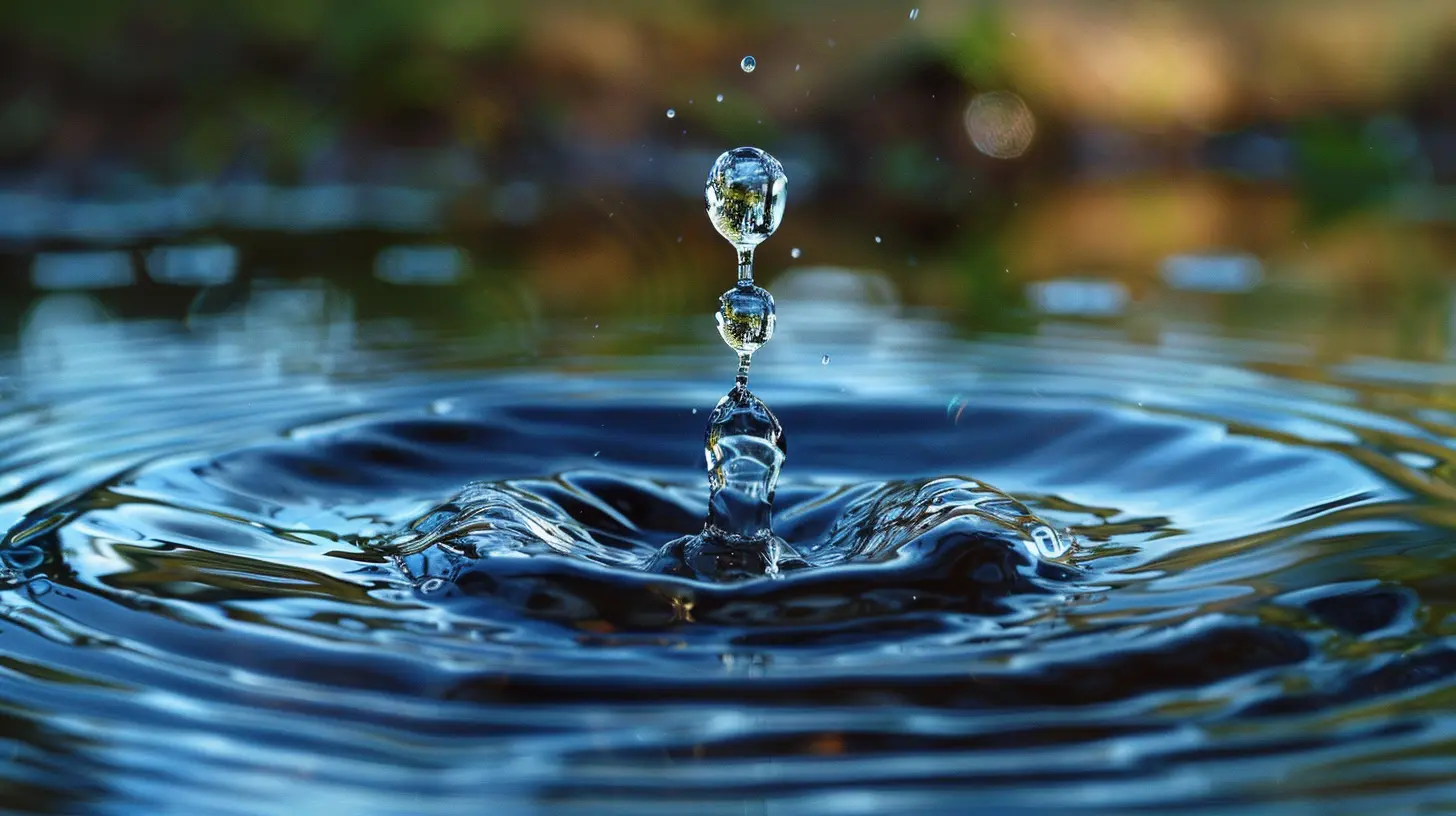
What Happens If We DON’T Conserve Water?
Alright, so what if we just keep wasting water like it's going out of style? Here’s a not-so-pretty picture of what the future could look like:😰 Severe Water Shortages – Many places are already experiencing water crises. If we don’t change our habits, more regions will face droughts and water restrictions.
💸 Higher Costs – The less available water there is, the more expensive it becomes. Imagine your school struggling to afford its water bill—bye-bye, new gym equipment!
🍽️ Food Scarcity – Agriculture depends heavily on water. If water supplies shrink, food production will suffer, leading to shortages and price hikes.
🌍 Environmental Damage – Ecosystems that rely on freshwater will collapse, affecting wildlife, drinking water sources, and the overall health of our planet.
Scary, right? But here’s the good news: we CAN make a difference—starting with small actions in our schools!
Every Drop Counts – Let’s Make a Change!
Water conservation isn’t just some fancy idea for scientists or government officials. It’s something we all can (and should) contribute to—starting with schools. By making small but meaningful changes, we can save thousands of gallons of water, reduce waste, and shape environmentally mindful generations.So next time you see a leaky faucet, an overused sprinkler, or a classmate leaving the tap running—speak up and take action! Because when it comes to water conservation, *every drop truly does count!
all images in this post were generated using AI tools
Category:
Environmental EducationAuthor:

Bethany Hudson
Discussion
rate this article
2 comments
Callista Davis
Let's save water and nurture our future!
February 19, 2026 at 5:06 AM
Bethany Hudson
Absolutely! Every effort in saving water contributes to a sustainable future. Let's inspire others to join the cause!
Pilar Wilson
Every drop saved is a step towards a sustainable future! By instilling water conservation values in education, we empower the next generation to cherish and protect our most vital resource. Together, we can make a difference!
February 1, 2026 at 4:52 AM
Bethany Hudson
Thank you for your insightful comment! Promoting water conservation in education is indeed crucial for fostering a sustainable future. Every action counts!