Why Collaborative Learning Cultivates Critical Thinking in Students
3 March 2026
Introduction
Ever wondered why group study sessions often leave you with a better understanding of a concept than studying alone? It’s not just about sharing notes or divvying up the workload—it’s about how collaboration sharpens your thinking.
Collaborative learning is an educational approach where students work together to solve problems, complete tasks, or create projects. But beyond just pooling knowledge, it supercharges critical thinking skills. In a world that demands innovation and problem-solving, the ability to think critically is more valuable than ever.
So, why is collaborative learning such a game-changer in fostering critical thinking? Let’s break it down.

What Is Collaborative Learning?
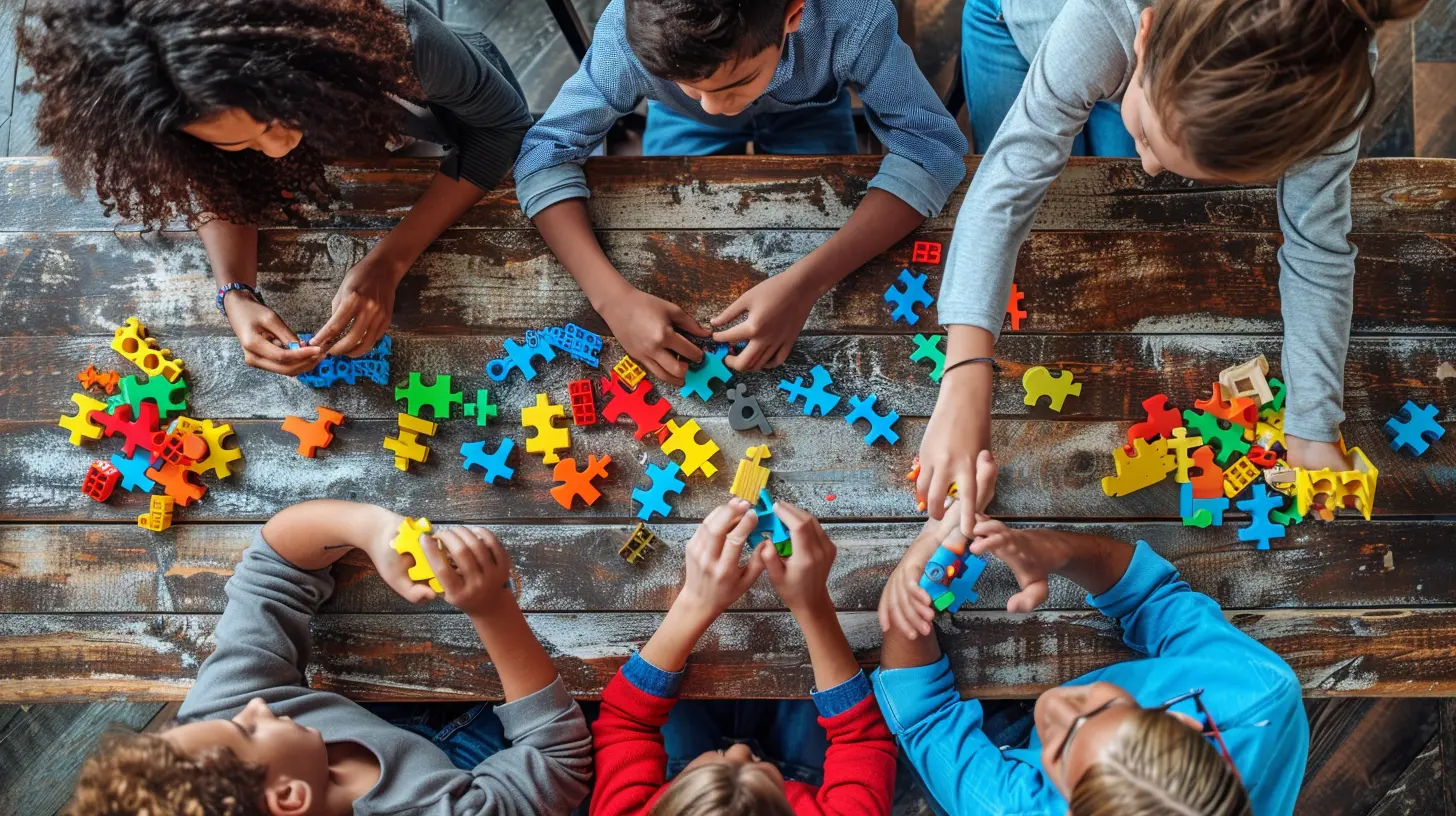
Before diving into its impact on critical thinking, let’s first understand what collaborative learning really is.Collaborative learning involves students working in groups, actively engaging with one another to explore concepts and solve problems. Unlike traditional learning, where a teacher lectures and students passively take notes, collaborative learning encourages discussion, debate, and hands-on involvement.
This approach shifts the focus from memorization to deeper understanding. When students collaborate, they learn how to communicate ideas, challenge perspectives, and refine their reasoning—all essential components of critical thinking.

Why Critical Thinking Matters
Critical thinking is the ability to analyze, evaluate, and create logical connections between ideas. It enables students to not just accept information at face value but question, interpret, and make informed decisions.In today’s fast-paced information age, where misinformation spreads quickly, critical thinking is crucial. It helps students navigate complex problems, think independently, and make sound decisions—skills needed for both academic success and real-world challenges.
Now, let’s explore how collaborative learning fosters this essential skill.

How Collaborative Learning Enhances Critical Thinking
1. Encourages Active Engagement
One of the biggest flaws in traditional learning methods is passive absorption—students listen, take notes, and try to memorize information. But understanding comes from engaging with the material, questioning it, and discussing ideas with others.Collaborative learning forces students to be active participants. When working in groups, they have to articulate their thoughts, explain concepts, and listen to different viewpoints. This active engagement deepens comprehension and strengthens critical thinking skills.
2. Exposes Students to Diverse Perspectives
Ever had a debate with a friend and realized you hadn’t considered an alternative viewpoint? That’s the power of diverse perspectives.In a collaborative learning environment, students interact with peers from different backgrounds, each bringing unique insights. This exposure challenges them to think beyond their own assumptions, consider different viewpoints, and refine their reasoning.
Critical thinking thrives when ideas are questioned, and group discussions naturally cultivate this analytical mindset.
3. Strengthens Problem-Solving Skills
Life is full of challenges, and problem-solving is at the heart of overcoming them. Collaborative learning presents students with real-world problems that require teamwork, strategic thinking, and creativity.Instead of relying on a single answer from a textbook, students engage in discussions, brainstorm solutions, and challenge each other’s logic. This process not only builds confidence but also enhances their ability to think critically in complex situations.
4. Encourages Constructive Debate
Healthy debates are a goldmine for critical thinking. They require students to articulate their ideas clearly and defend their viewpoints with logical reasoning.Through collaborative discussions, students learn to challenge opinions respectfully, weigh evidence, and refine their arguments—skills that are indispensable in both academic discussions and professional life.
5. Fosters Self-Reflection and Accountability
When working alone, it’s easy to overlook errors or gaps in understanding. However, in a collaborative setting, peers hold each other accountable.Group discussions encourage self-reflection—students begin to recognize their strengths and areas where they need to improve. They also learn patience and adaptability, crucial elements of critical thinking that help them evaluate their own reasoning and make adjustments as needed.
6. Builds Communication Skills
Effective communication is a key component of critical thinking. If students struggle to express their thoughts, their ideas may remain undeveloped or misunderstood. Collaborative learning provides a platform where students practice articulating their ideas with clarity.Through discussions, presentations, and group projects, students refine their ability to communicate complex concepts in a way that others can understand. This not only aids academic success but also prepares them for professional collaboration in the future.
7. Strengthens Analytical Thinking
In collaborative settings, students must analyze information from different sources, identify patterns, and synthesize knowledge. This analytical thinking process helps them deconstruct complex problems and develop logical solutions.For example, a science project that requires finding an innovative solution to an environmental issue pushes students to research, evaluate data, and collaborate on sustainable ideas—all while enhancing their critical thinking abilities.
Real-World Benefits of Collaborative Critical Thinking
The ability to think critically and collaborate effectively isn’t just useful in the classroom—it’s essential for success in the real world. Here’s why:- Workplace Readiness: Most jobs require teamwork and problem-solving. Professionals who can collaborate effectively and think critically are valuable assets to any organization.
- Innovation and Creativity: Great ideas don’t emerge in isolation. Collaboration leads to fresh insights and breakthrough solutions in all fields, from business to science to technology.
- Stronger Decision-Making: In life, we constantly make choices. Those who develop critical thinking skills through collaboration make more informed, logical decisions.
- Adaptability: The world is always changing. Critical thinkers who understand diverse perspectives can adapt better to new challenges and environments.
Tips for Effective Collaborative Learning
To maximize the benefits of collaborative learning, here are some best practices:1. Encourage Open Discussion: Create a safe space where students feel comfortable sharing ideas without fear of judgment.
2. Mix Up Group Dynamics: Diverse teams foster a variety of perspectives, enriching discussions and insights.
3. Assign Meaningful Tasks: Projects that require deep thinking and real-world applications help students develop critical thinking skills.
4. Promote Active Listening: Encourage students to truly listen to their peers, rather than just waiting for their turn to speak.
5. Facilitate Constructive Feedback: Feedback should be constructive and focused on improving ideas, rather than criticizing individuals.
6. Integrate Technology: Online collaboration tools can enhance learning and provide new avenues for interaction.
Conclusion
Collaborative learning isn’t just about group projects—it’s a powerful tool for cultivating critical thinking skills in students. Through active engagement, exposure to different perspectives, problem-solving, and healthy debates, students develop the ability to analyze, question, and create logical arguments.In a world that increasingly values critical thinking and teamwork, adopting collaborative learning strategies ensures students are prepared for both academic and real-world challenges. So, the next time you work on a group project, remember—it’s not just about finishing the task; it’s about sharpening your mind.
all images in this post were generated using AI tools
Category:
Collaborative LearningAuthor:

Bethany Hudson
Discussion
rate this article
2 comments
Zanya O'Neal
Collaborative learning transforms students into thinkers; it’s not just about sharing ideas, but challenging assumptions and igniting innovation together.
March 16, 2026 at 1:24 PM
Bethany Hudson
Thank you. You've captured the essence perfectly — it's the friction of diverse perspectives, not just the harmony, that truly sharpens critical thinking.
Trixie Malone
Collaborative learning transforms students into critical thinkers by merging diverse perspectives, fostering healthy debate, and encouraging problem-solving. When minds unite, innovation flourishes—proof that two (or more) heads are indeed better than one in education!
March 5, 2026 at 3:45 AM
Bethany Hudson
Thank you for highlighting the importance of diverse viewpoints in collaborative learning! Your insight on how it enhances critical thinking and innovation is spot on.