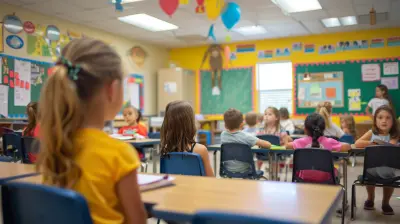
Why Collaborative Learning is Essential for 21st-Century Skills
4 August 2026
Let’s be honest — the good ol’ “sit-down, shut-up, and memorize” method of learning is more outdated than your high school MySpace page. (Yeah, we said it.) The world’s changed, folks. We're living in a time of global teams, instant communication, and problems that don’t exactly come with answer keys. So why are we still clinging to solo learning like it’s the only way?
It’s time to shake things up and talk about something that’s not just a buzzword — but a total game-changer in the modern education scene: collaborative learning.

What's the Real Deal With Collaborative Learning?
Before we dive into why collaborative learning is the Beyoncé of modern education, let’s break it down. In plain Jane terms, collaborative learning is when students team up with each other to tackle a concept, solve a problem, or complete a task. It’s learning with, from, and through others — and trust me, it’s not just about group work that makes you want to pull your hair out.Collaborative learning is dynamic, engaging, and rooted in the real world. You know, that place where people actually have to communicate and work together without throwing passive-aggressive stares.
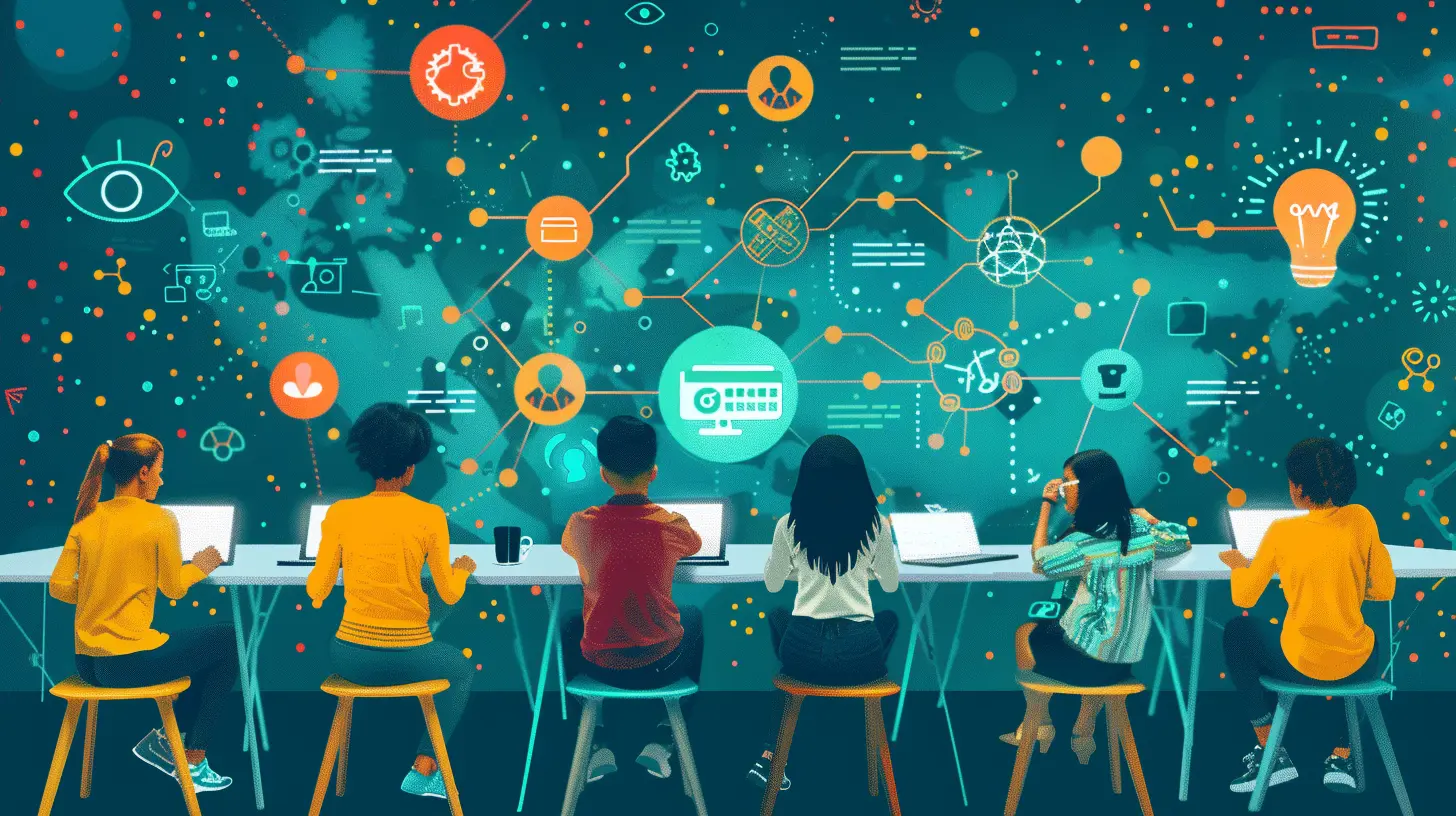
Welcome to the 21st Century — Where Soft Skills Rule the World
Let’s get something straight. Traditional education systems were built for the Industrial Age. You trained for one job, stuck to it for life, and probably retired with a gold watch. Cute, right? But we’re not there anymore.Today, employers aren’t just sniffing around for degrees. They want problem solvers, critical thinkers, emotionally intelligent communicators, and all-around collaborative unicorns. The kind of talent that thrives in a team, adapts on the fly, and handles conflict like a pro.
And guess what? Collaborative learning is the secret sauce to nurturing these 21st-century superpowers.
? The Core 21st-Century Skills That Collaborative Learning Builds
Alright, now for the juicy part. Let’s zoom in on the specific skills collaborative learning brings to the table. And spoiler alert — they’re exactly the ones that schools, unis, and companies are screaming for.? Communication That Doesn’t Suck
Think back to that one group project where nobody responded to your messages. (Ugh, trauma.) Collaborative learning teaches students how to express their ideas clearly, listen actively, and provide constructive feedback without sounding like a jerk.It’s not just about talking — it’s about connecting. Face it, if you can’t communicate effectively, you’re basically bringing a kazoo to a job interview.
? Critical Thinking That Goes Beyond Copy-Paste
You can’t just Google your way out of every problem. (Sorry, not sorry.) Collaborative learning forces students to think critically because they have to analyze, evaluate, and sometimes even debate their ideas with others.It’s that kind of brainpower that makes companies go, “We need more folks like this.”
? Problem Solving on Steroids
Two (or more) heads really are better than one — as long as everyone’s actually thinking. When students work together, they learn to approach challenges from multiple angles, brainstorm solutions, weigh pros and cons, and come up with action plans.Basically, they become mini project managers without even realizing it.
? Teamwork Makes the Dream Work
Let’s face it — teamwork is messy. People have different opinions, weird schedules, and that one kid never pulls their weight. But here’s the deal: learning to work with that chaos is exactly what preps students for real-world careers.Collaborative learning builds patience, empathy, leadership, and conflict-resolution skills faster than you can say “group dynamics.”
? Adaptability that Flexes Hard
In an ever-changing world (hello AI, pandemics, and climate crises), being able to pivot is everything. Collaborative learning puts students in unpredictable situations where they have to adjust, redesign, or rethink strategies on the fly. It's basically mental gymnastics. And yes, you will get flexible.
But Wait, Isn’t Collaborative Learning Just a Fancy Word for Group Work?
Hold up. Let’s kill that myth right now.Group work is when you stick people together and hope for the best. Collaborative learning is intentional. It's facilitated. It’s structured around shared goals, interdependence, and accountability. Basically, it’s got a lot more meat on its bones.
Here’s how collaborative learning slaps harder:
- ? Shared leadership — everyone brings something unique
- ? Clear roles and responsibilities to avoid freeloading
- ? Continuous reflection that helps improve outcomes
- ? Goal-oriented — not just “finish this presentation by Thursday”
So yeah, it’s a whole different beast.
Real-Life Bonus: Preparing Students for Life Beyond the Classroom
Here’s a little secret they don’t teach you in standardized tests: life is collaborative. Whether you’re in healthcare, tech, education, or working remotely with a globally scattered team — you need to know how to collaborate.Collaborative learning isn’t just about passing a test. It primes students for:
- Cross-cultural communication (because the world doesn’t end at your ZIP code)
- Digital collaboration (yes, Zoom fatigue is real, but knowing how to work online is essential)
- Emotional intelligence (because being smart doesn’t mean you’re not also a diva)
In short, it turns students into resilient, socially savvy badasses ready to take on whatever curveballs life throws.
The Tech Side of Things — Hello, Digital Collaboration Tools
We can’t talk about 21st-century skills without giving props to the digital side of collaborative learning. Because let’s be honest — if your collab group isn’t on Google Drive, is it even real?Here’s how tech is leveling up the experience:
- ?? Google Workspace, Microsoft Teams, Trello — hello productivity!
- ? Zoom, Slack, and Loom for real-time and async communication
- ? Online mind-mapping tools like Miro and Padlet to brainstorm like pros
These aren't just bells and whistles. They're the platforms powering real-life collaboration in today’s jobs. Students who master them early? They're ahead of the freakin' curve.
The Role of Educators: From Sage on a Stage to Guide on the Side
Old-school teachers led from the front. New-school educators empower from the middle. You’re not just dropping knowledge anymore — you’re creating collaborative ecosystems where students build and own their learning experience.How? Glad you asked:
- Set clear expectations and roles
- Scaffold tasks to encourage engagement
- Promote reflection and feedback
- Use tech smartly — not just for the sake of it
This shift in mindset transforms classrooms into incubators for innovation, critical thinking, and next-level teamwork.
Challenges? Oh, They’re There. But Totally Worth It.
Real talk: collaborative learning isn’t butterflies and rainbows 24/7. Sometimes it’s more like herding cats with different Wi-Fi speeds and commitment levels.But that’s part of the process.
Yes, there’ll be:
- Dominant voices
- Slackers
- Awkward silences
- Miscommunication
- Tech hiccups
But those moments? They’re actually the best teachers. They force students to navigate real-world dilemmas, grow thicker skin, and come out the other side stronger, smarter, and sassier.
So Why Aren’t More Schools All-In on Collaborative Learning?
Honestly? It’s easier not to. Traditional methods are comfy. They’re familiar. But they’re also leaving students wildly unprepared for the future.The world doesn’t need more worksheet warriors. It needs agile thinkers, rockstar communicators, and solution-oriented leaders — and those don’t come from sitting silently in rows.
If schools want to stay relevant (and let’s face it, survive the future), they need to go all-in on collaborative learning. Yesterday.
Final Word: Collaboration Isn’t Optional — It’s Essential
21st-century skills aren’t a “nice-to-have.” They’re do-or-die. If students don’t learn how to collaborate early on, they’ll struggle to adapt, connect, and succeed in the modern world — plain and simple.And collaborative learning? It’s not just about working together. It’s about thriving together. It builds the skills that matter, pushes students out of their comfort zones, and prepares them for careers that haven’t even been invented yet.
So whether you're a teacher, a student, a parent, or someone who just cares about the future of learning — know this:
Collaboration isn’t the side dish. It's the whole damn meal.
all images in this post were generated using AI tools
Category:
Collaborative LearningAuthor:

Bethany Hudson
Discussion
rate this article
1 comments
Bethany White
Great insights on collaborative learning! It's inspiring to see how teamwork can cultivate essential skills for today's world. I'm excited to apply these ideas in my own teaching.
August 9, 2026 at 4:42 AM