Why Mental Health Will Be a Core Part of Schooling
25 November 2026
As society evolves, so too does the understanding of the importance of mental health, particularly within the realm of education. The integration of mental health into the schooling system is not just a trend; it is becoming a necessity. This article examines why mental health will be a core part of schooling, exploring its implications for students, educators, and the overall educational environment.

Understanding the Current Landscape
The Rise of Mental Health Awareness
In recent years, there has been a significant increase in awareness surrounding mental health issues. High-profile cases of mental health struggles have surfaced in media, making it impossible to ignore the challenges many face. According to various studies, mental health conditions such as anxiety and depression are increasingly prevalent among students. As such, schools are recognizing their role in addressing these issues.The Impact of Mental Health on Learning
Mental health significantly influences a student's ability to learn. Conditions like anxiety can impede concentration, while depression may lead to disengagement. Research indicates that students with untreated mental health issues often experience poorer academic performance, higher dropout rates, and increased behavioral problems. Recognizing this link is crucial for educators who aim to foster a supportive learning environment.
The Case for Integrating Mental Health in Schools
Creating a Supportive Environment
Integrating mental health into schooling can help create a more supportive environment. When students know that their mental health is a priority, they may feel more comfortable discussing their struggles. This openness can foster a sense of community, allowing students to support one another, reducing feelings of isolation.Practical Example
Consider a high school that implements a peer support program where trained student leaders facilitate discussions about mental health. This initiative not only provides students with a platform to express their feelings but also empowers participants to advocate for mental health awareness.Training Educators
For mental health initiatives to be effective, educators must be well-equipped to handle these discussions. Training teachers in mental health first aid can enable them to recognize signs of distress and provide initial support. Workshops that focus on managing classroom stress and promoting emotional resilience can also yield positive results.Best Practices for Training
- Develop comprehensive training programs that cover various mental health issues.- Incorporate role-playing scenarios to prepare teachers for real-life situations.
- Encourage ongoing professional development to keep educators informed about emerging mental health trends.

Addressing Misconceptions
Common Misunderstandings
One prevalent misconception is that mental health issues are solely the responsibility of school counselors. While counselors play a vital role, mental health is a shared responsibility among educators, parents, and the community. When mental health is viewed as a collective effort, students benefit from a more consistent support system.The Role of Parents and Community
Engaging parents and the wider community in mental health initiatives can amplify their effectiveness. Schools can host workshops and informational sessions to educate families about mental health, fostering a collaborative approach to support students.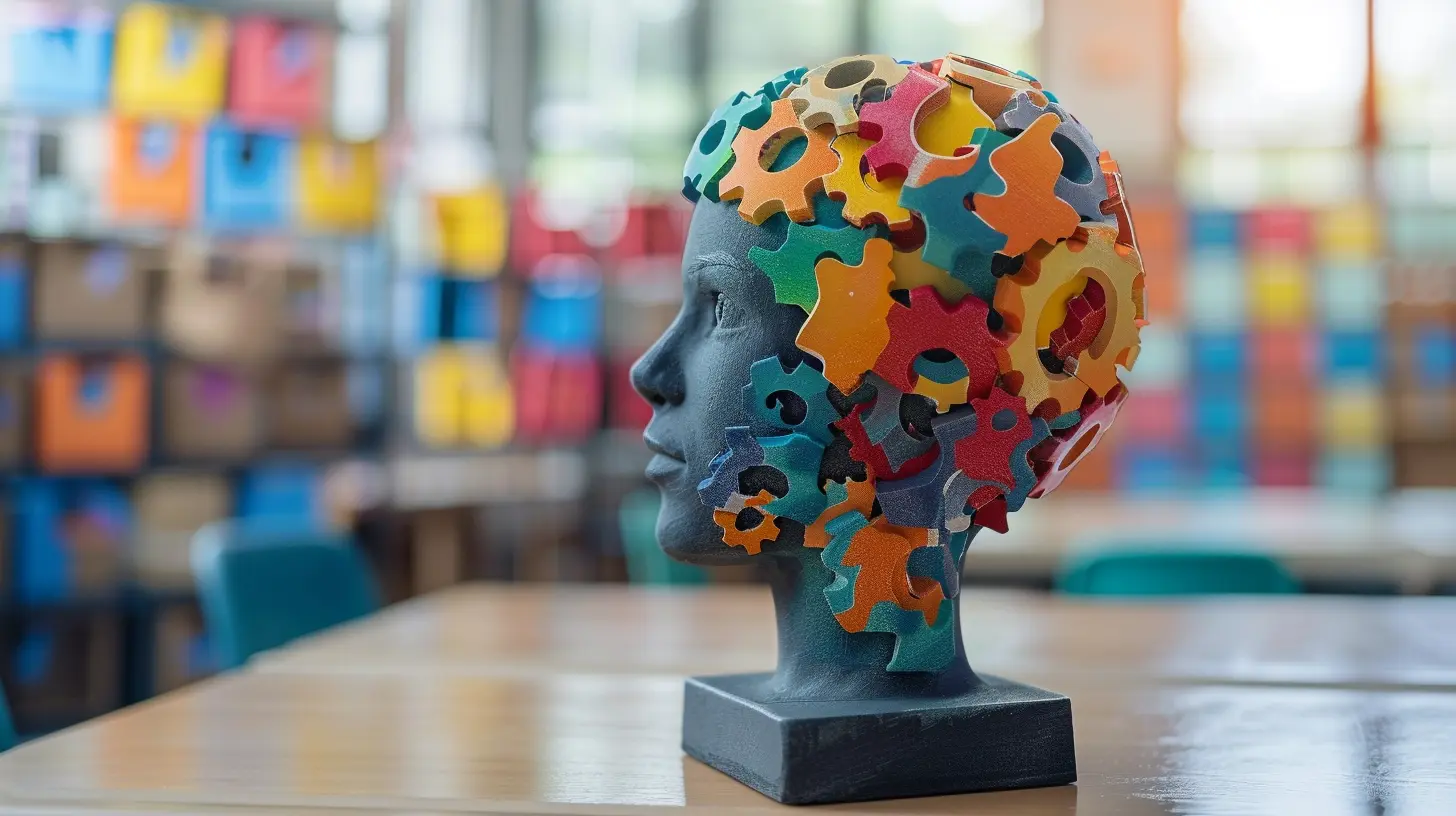
Practical Applications of Mental Health Education
Curriculum Integration
Mental health education can be woven into existing curriculum frameworks. Incorporating lessons on emotional intelligence, coping strategies, and stress management can prepare students for real-world challenges. Subjects like health education can also include a mental health component, ensuring that students receive a holistic understanding of well-being.Real-World Example
A middle school that integrates mental health topics into its health curriculum might teach students about the effects of stress on the body. This knowledge can empower students to recognize their own stress triggers and develop coping mechanisms.Mindfulness and Well-being Programs
Mindfulness practices are increasingly being adopted in schools. Programs that teach mindfulness techniques can help students manage stress and enhance emotional regulation. Research suggests that regular mindfulness practice can lead to improved focus and emotional well-being.Implementation Strategies
- Introduce short mindfulness sessions at the beginning of the school day.- Provide training for teachers to lead mindfulness activities.
- Encourage students to practice mindfulness both in and out of school settings.
The Role of Technology
Digital Tools for Mental Health
Technology has the potential to enhance mental health support in schools. Various apps and online platforms focus on mental health education, providing resources and tools for students. These tools can facilitate self-assessment and offer coping strategies tailored to individual needs.Considerations for Implementation
While technology can be a powerful ally, it is essential to ensure that students use these tools responsibly. Schools should provide guidance on the appropriate use of mental health apps and ensure that students understand the importance of seeking professional help when needed.Balancing Screen Time
Incorporating technology in mental health initiatives must be balanced with concerns about screen time. Educators should promote a healthy relationship with technology, emphasizing face-to-face interactions and physical activity as essential components of mental well-being.
Measuring the Impact
Assessing Mental Health Initiatives
To determine the effectiveness of mental health initiatives, schools must implement assessment strategies. Surveys, focus groups, and academic performance metrics can provide valuable insights into the impact of mental health programs.Common Mistakes to Avoid
- Failing to set clear goals for mental health initiatives can lead to ambiguous assessments.- Neglecting to involve stakeholders in the evaluation process can result in missed opportunities for feedback.
- Overlooking the importance of follow-up assessments can hinder continuous improvement.
The Future of Mental Health in Schools
Policy Changes and Advocacy
As mental health becomes recognized as a core part of education, policy changes will likely follow. Advocacy for mental health funding and resources will be crucial. Schools can partner with mental health organizations to secure funding and support for comprehensive mental health programs.Engaging in Advocacy
Educators and administrators should actively participate in advocacy efforts, sharing their experiences and insights with policymakers. By highlighting the importance of mental health in education, they can drive meaningful change.Building Resilience in Students
integrating mental health into schooling is about building resilience in students. Teaching them how to cope with challenges and setbacks will prepare them for life beyond the classroom. Schools can cultivate resilience by fostering a growth mindset and providing opportunities for students to take risks and learn from failures.
Conclusion
The integration of mental health into schooling is not just beneficial; it is essential for the holistic development of students. By creating a supportive environment, training educators, addressing misconceptions, and implementing practical applications, schools can significantly enhance students' mental well-being. As we look to the future, prioritizing mental health in education will not only improve academic outcomes but also prepare students for the complexities of life.
all images in this post were generated using AI tools
Category:
EducationAuthor:

Bethany Hudson