Special education federal shift: commitment remains, but future is unclear
August 17, 2026 - 02:40
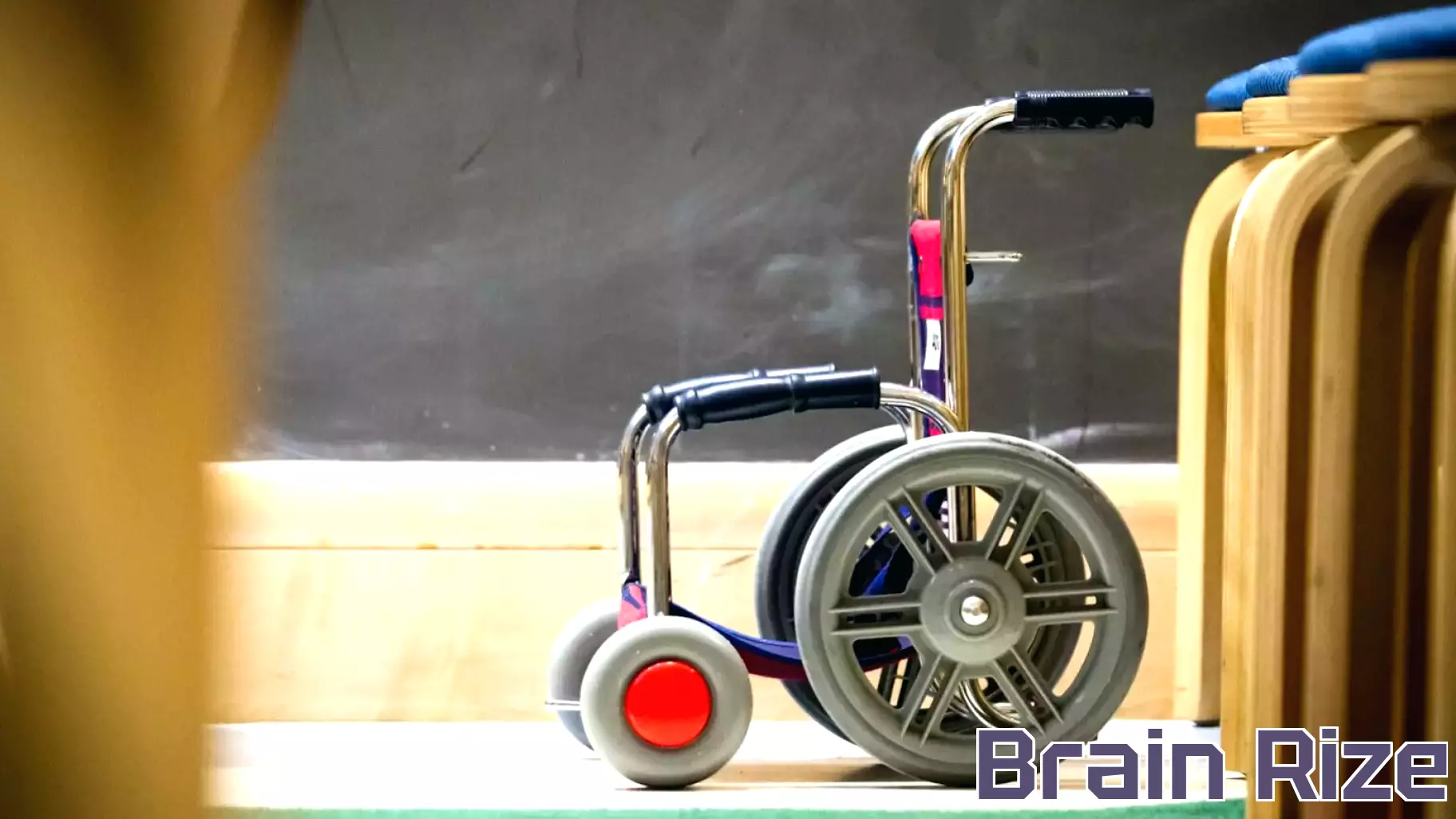
A recent change in how the federal government handles special education oversight has left many advocates and families wondering what comes next. While officials insist that the commitment to protecting students with disabilities remains strong, the path forward for civil rights enforcement is less certain.
The shift involves how the U.S. Department of Education processes complaints related to disability discrimination in schools. Previously, the office for civil rights took a more direct role in investigating individual cases, often stepping in when local districts failed to resolve disputes. Now, the approach appears to be moving toward giving states and local education agencies more authority to handle these matters on their own.
Supporters of the change argue that local control is more efficient and reduces federal overreach. They say that states already have the tools and expertise to address most issues, and that the federal government should only step in when absolutely necessary. This, they believe, will lead to faster resolutions for families who are currently stuck in lengthy federal review processes.
However, critics are not convinced. They point out that many states have a poor track record when it comes to monitoring their own special education programs. Budget constraints, understaffed state agencies, and a lack of independent oversight have historically led to backlogged cases and inconsistent outcomes. Families who have fought for years to get proper accommodations for their children worry that without a strong federal backstop, their rights may be ignored or delayed indefinitely.
The uncertainty is compounded by the fact that no clear guidelines have been issued about how the transition will work in practice. School districts are left guessing about what standards they will be held to, and parents are unsure where to turn when a local resolution fails. Some legal experts note that the change could also affect how future discrimination cases are litigated, potentially making it harder to establish patterns of systemic bias across multiple districts.
For now, the message from Washington is one of reassurance. Federal officials emphasize that the law has not changed and that students with disabilities still have the same legal protections they always had. But the practical reality is that enforcement is becoming more decentralized, and that shift carries both promise and risk. Until more details emerge, families and advocates are left to navigate a system that feels less predictable than before.
MORE NEWS

October 1, 2026 - 02:45
Deer Valley Unified candidate Q&A: Special EducationFour candidates are competing for two open positions on the Deer Valley Unified School District Governing Board in the upcoming November 3 general election. David Alvarado, Paul Carver, Kristi...

September 30, 2026 - 07:41
The MEGA Slogan and the Question of Going BackLast week, the U.S. Department of Education posted an image to Facebook styled like an old woodcut print, with President Donald Trump and Education Secretary Linda McMahon above the words MEGA and ...

September 29, 2026 - 20:16
CP TOUR: Education for time and eternityThe Kentucky Baptist Convention continues its push to show members exactly how their giving fuels ministry work across the state. As part of an ongoing effort to highlight the Cooperative Program,...
September 29, 2026 - 05:58
Cincinnati Schools Face Deadline to Fix $44 Million Budget GapCincinnati Public Schools has until the end of November to hand state officials a plan for closing a projected $44 million deficit. The district cannot count on a levy appearing on the upcoming...