Addressing School Violence: Prevention and Response
9 August 2026
School is supposed to be a safe space—somewhere kids can grow, learn, and build lasting friendships. But sadly, school violence is a reality that affects students, teachers, and communities all over the world. Whether it’s bullying in hallways or alarming incidents like shootings, this issue demands serious attention.
Let’s face it, no one wants to send their child to a school where safety is a concern. And students can’t focus on algebra or Shakespeare if they’re worried about what might happen during lunch break. That’s why addressing school violence—both the prevention and the response—isn’t just important, it’s absolutely critical.
In this article, we’re going to dive deep into what school violence is, its root causes, practical prevention strategies, and how schools can respond effectively when violence does occur. Ready? Let’s get into it.
What Exactly Is School Violence?
Before we can tackle the issue, we’ve got to understand what we’re dealing with. School violence isn’t just about the rare but devastating school shooting. It includes a wide range of behaviors that can harm students physically or emotionally.Here's what counts as school violence:
- Physical fights or assaults
- Bullying and cyberbullying
- Sexual harassment or abuse
- Verbal threats or intimidation
- Vandalism or destruction of school property
- Bringing weapons to school
- Emotional abuse or ostracism
Some of these sound more extreme than others, right? But even the less dramatic forms—like repeated teasing or exclusion—can have devastating long-term effects on a student’s mental health.
Why Is School Violence Happening?
Honestly, there’s no single answer. It's a complex mix of personal, social, and systemic issues. But let’s break it down a bit.1. Mental Health Struggles
A lot of violent behavior stems from unresolved mental health issues. Students dealing with depression, anxiety, trauma, or other emotional difficulties may act out because they don’t know how to cope. Think of it like a pressure cooker—eventually, the steam has to escape.2. Family Problems
A troubled home life can spill over into school. Exposure to domestic violence, neglect, or substance abuse at home can increase the risk of violent behavior in kids. In many cases, these students are crying for help in the only way they know how.3. Bullying and Peer Pressure
Let’s be real—school can be brutal, especially for kids who don’t “fit in.” When students feel rejected, humiliated, or bullied over time, the emotional scars can lead to aggression, depression, or worse.4. Access to Weapons
One key factor in severe school violence—like shootings—is access to firearms. It’s terrifying to think about, but it's an undeniable part of the issue, especially in areas where gun ownership is common.5. Media Influence
Movies, video games, and social media often glamorize violence. While not every student exposed to violent media becomes aggressive, it can desensitize them to the real-life consequences of violent actions.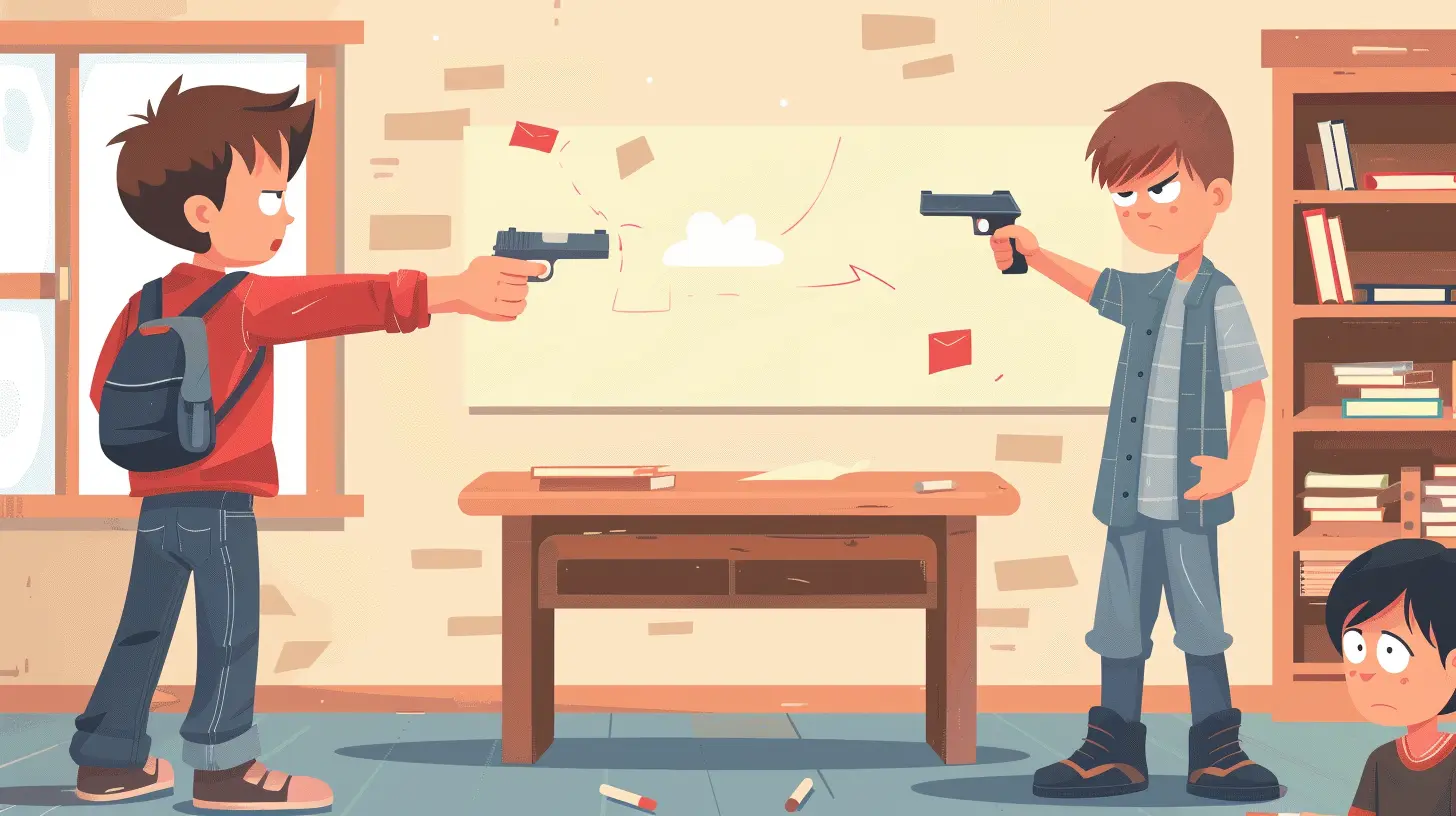
Prevention: The First Line of Defense
Prevention is where we can truly make a difference. It's about addressing risk factors early and creating a school culture that promotes respect, empathy, and safety. So what can schools, parents, and communities actually do?1. Promote Mental Health and Emotional Well-being
Let’s start by saying this: Mental health is not a luxury—it’s a necessity.- Schools should have trained counselors available.
- Mental health education should be part of the curriculum.
- Encourage open conversations about feelings and emotions.
When students know it’s okay to seek help, they’re less likely to bottle things up until they explode.
2. Create a Positive School Climate
Think of your school as a garden. When the environment is toxic, nothing good can grow. But when it's nurturing, students blossom.- Implement anti-bullying programs.
- Foster peer mentorship and inclusion.
- Recognize and celebrate diversity.
A supportive environment helps reduce feelings of alienation that often lead to violent behavior.
3. Involve Parents and the Community
Schools can't do this alone. Parents and community members play a huge role.- Keep communication channels open between parents and educators.
- Offer parenting workshops that focus on conflict resolution and emotional intelligence.
- Encourage community involvement through volunteer programs and local events.
When everyone works together, students get a more consistent message about acceptable behavior.
4. Use Technology Wisely
Teachers and staff can’t be everywhere at once—but technology can help.- Install security cameras in key areas.
- Use anonymous reporting apps where students can flag concerns.
- Monitor school networks to track online bullying or threats.
But remember, technology is a tool—not a replacement for human presence and empathy.
5. Train Staff and Students
You wouldn’t expect someone to put out a fire without training, right? The same goes for violence prevention.- Conduct regular workshops on conflict management, de-escalation techniques, and recognizing warning signs.
- Hold drills that teach both staff and students what to do in the event of violence, just like fire drills.
Preparedness saves lives.
What To Do When Violence Happens
No matter how hard we try, violence can still occur. That’s why response plans are so important. It’s all about minimizing harm and providing support afterward.1. Act Fast, Stay Calm
In the moment, clear-headed action is crucial.- Lockdowns, evacuations, or shelter-in-place orders should be initiated quickly.
- Staff should follow pre-established emergency protocols.
- Law enforcement and emergency services must be contacted immediately.
Training helps everyone act without hesitation.
2. Communicate Transparently
During and after an incident, communication is key.- Keep parents updated with accurate information.
- Inform the community while respecting student privacy.
- Avoid rumors by providing clear, official updates.
People want to feel informed—not left in the dark.
3. Provide Emotional Support
Violence leaves emotional wounds. Recovery doesn't end when the police leave.- Offer counseling for students, staff, and even parents.
- Create safe spaces where people can talk openly about what they’re feeling.
- Don’t rush students to “get over it”—healing takes time.
Let’s not forget about the teachers either—they need support too.
4. Evaluate and Improve
After dealing with a violent incident, schools should take the time to reflect.- What worked? What didn’t?
- Were warning signs missed?
- How can policies or training be improved?
Every incident is a learning opportunity, painful as it may be.
Role of Policy and Government Support
Government policies can either empower schools or leave them to fend for themselves. When policymakers step up, schools can access the funding and tools they need.Important policy measures include:
- Mandating anti-bullying policies- Providing grants for school counselors and mental health programs
- Enforcing stricter gun control measures near school zones
- Funding school-based police officers or resource officers
Advocating for policy change isn't just for big organizations—students, parents, and teachers can all raise their voices.
It Takes A Village
Addressing school violence isn’t a solo job. It’s a team effort. Teachers, counselors, parents, administrators, local leaders, and even students all have a role to play.We need to stop treating school violence as a rare tragedy and start seeing it as an issue we can actually do something about. Because we can.
Think about it: just one act of kindness, one adult who listens, one student who speaks up instead of staying silent—that can be enough to change the outcome.
Final Thoughts
School violence is heartbreaking. But it’s not hopeless.We can prevent it. We can respond to it. And most importantly, we can support each other through it.
By taking mental health seriously, creating inclusive environments, involving communities, preparing for emergencies, and advocating for stronger policies, we take meaningful steps toward safety.
Let’s build schools where kids feel secure, valued, and inspired. Schools they can walk into without fear and walk out of ready to change the world.
Because every child deserves that.
all images in this post were generated using AI tools
Category:
School SafetyAuthor:

Bethany Hudson
Discussion
rate this article
1 comments
Owyn Morris
Preventing school violence requires community effort, open dialogue, and proactive support for all students.
August 13, 2026 at 3:18 AM
Bethany Hudson
Absolutely. It takes everyone-parents, teachers, and students-to create a safe environment. Open communication and support are key.