Building Safe Routes to School: Why It Matters
30 May 2026
When you think back to your school days, do you remember walking or biking with friends, maybe waving at neighbors along the way? Today, that simple joy is slipping away for many kids. Instead of active routes to school, they're often stuck in long car rides, crawling through traffic—not exactly the ideal start to the day.
Creating safe routes to school isn't just another box to check on a to-do list. It's about building healthier communities, improving safety, and helping kids regain some of that independence we all once had. So, why does this matter so much? Let’s walk through it—together.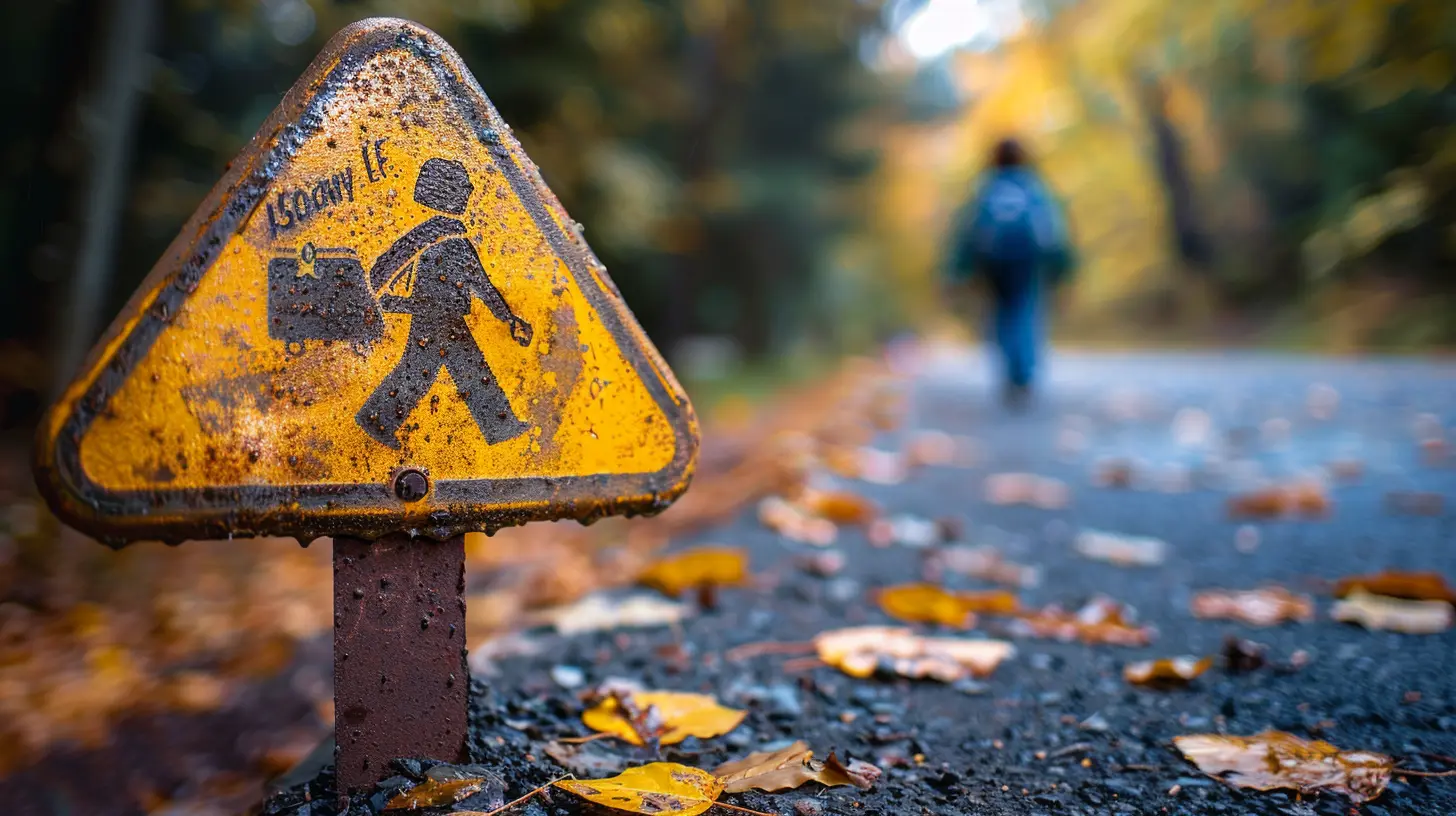
What Are Safe Routes to School?
Let’s get on the same page here. “Safe Routes to School” (often shortened to SRTS) are programs designed to make it safe, easy, and fun for kids to walk or bike to school. This might include improved sidewalks, crosswalks, bike lanes, speed limits near schools, traffic signals, and even adult crossing guards.But it's not only about infrastructure—it’s about education, encouragement, and pushing for a cultural shift where walking or cycling becomes the norm again. Basically, helping kids move their bodies, breathe some fresh air, and get to school without a car ride every single day.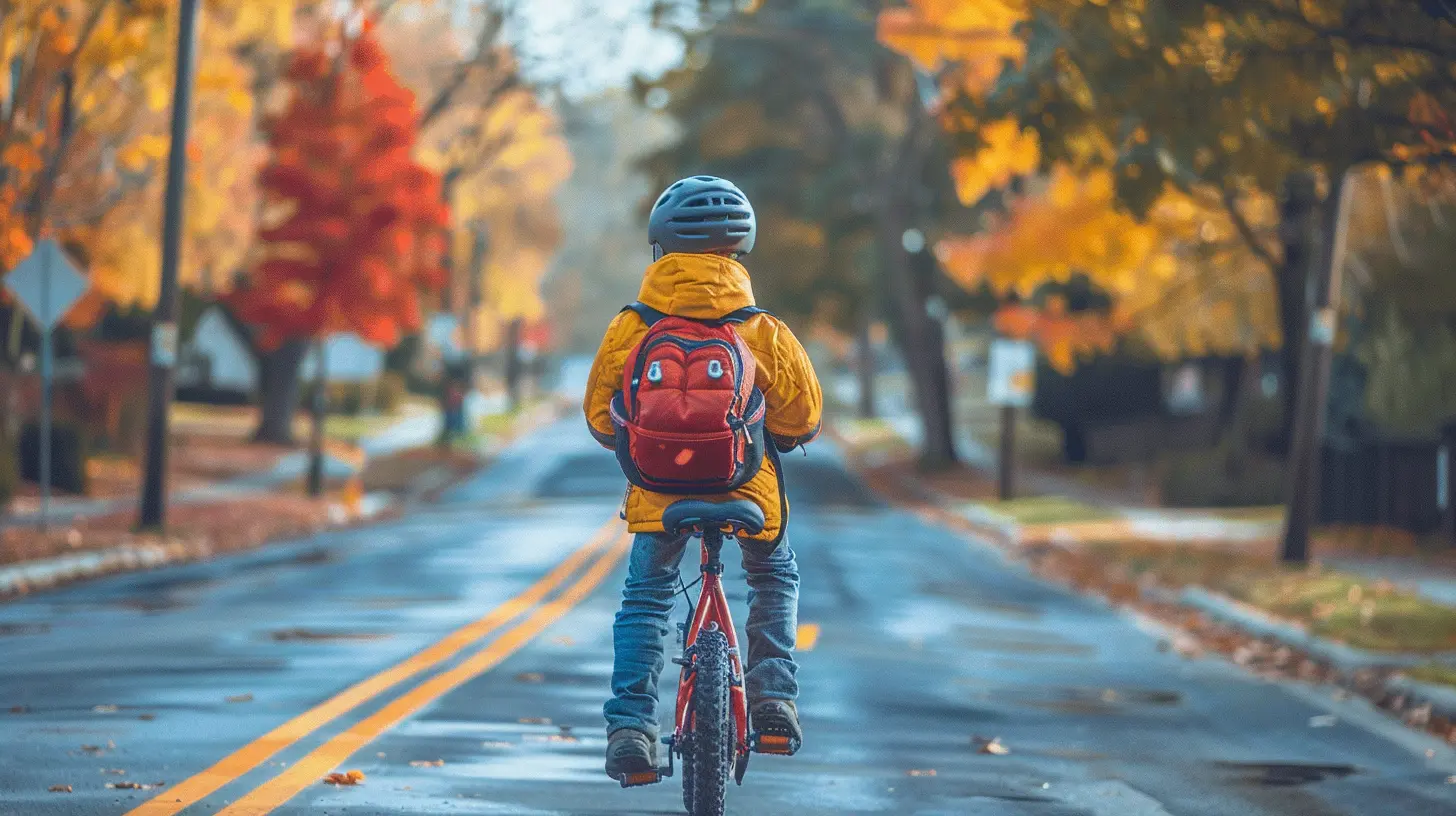
Why Building Safe Routes to School Matters
Let’s break down why this initiative is way more than just another city planning idea.1. Healthier Kids, Happier Minds
Have you ever noticed how much calmer and more focused you feel after a walk or a ride around the block? Kids are no different. Walking or biking to school helps them burn off energy, reduce anxiety, and arrive ready to learn.According to the CDC, kids need at least 60 minutes of physical activity a day. Walking or biking to school can easily cover a chunk of that. Plus, they develop good habits early on, setting them up for a healthier lifestyle.
2. Reducing Traffic Congestion
Let’s face it—school drop-off zones are chaos. Every parent trying to get in and out quickly creates a hot mess of honking horns and frazzled nerves. It’s not just stressful—it’s dangerous.Creating safe walking and biking paths reduces the number of cars around schools. That means fewer traffic jams, less pollution, and a lower risk of accidents. Win-win, right?
3. Making Neighborhoods Safer For Everyone
Here’s a thought: When we make our streets safer for kids, we make them safer for all of us. Think about it—better sidewalks, clearer signage, lower speed limits, and well-placed crosswalks don’t just help students. They help seniors, parents with strollers, and anyone out and about in the community.These changes improve overall walkability, making neighborhoods more connected and inviting. It’s like upgrading the whole community, one crosswalk at a time.
4. Boosting Academic Performance
Believe it or not, there’s a link between physical activity and brain power. Studies show that kids who walk or bike to school tend to do better academically. Why? Well, they’re more alert, more focused, and often less stressed.Plus, walking with friends gives them a chance to socialize and mentally gear up for the school day. It’s like a morning coffee for kids—without the caffeine.
5. Teaching Independence and Responsibility
Walking to school fosters independence. Kids learn how to navigate their route, follow traffic rules, and manage their time. These are life skills that stick with them far beyond the classroom.Of course, they still need guidance, especially younger students. But with safe infrastructure and some education, parents can ease into letting go a bit while giving kids a confidence boost.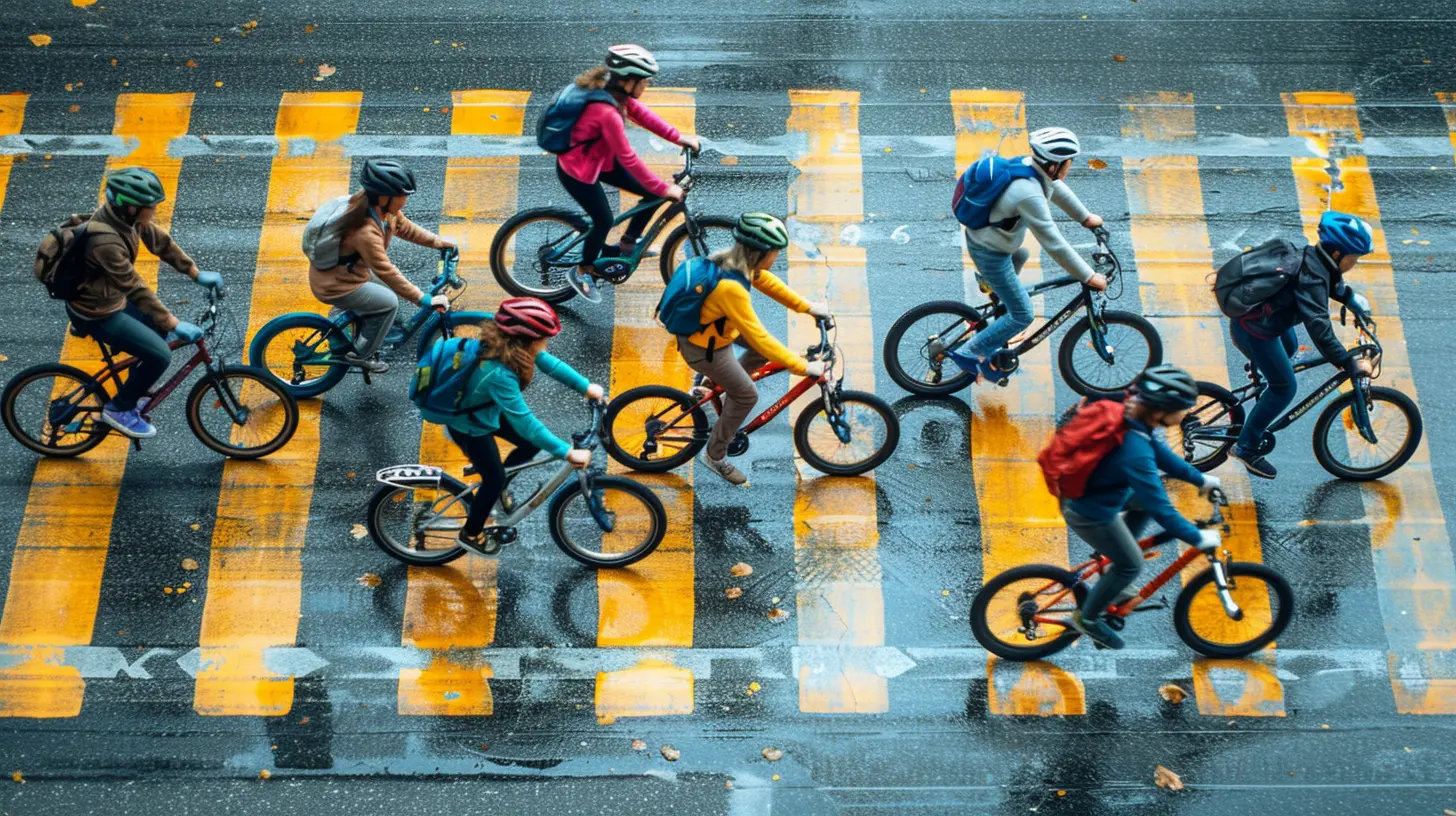
Challenges to Building Safe Routes—and How to Overcome Them
Nothing worth doing is ever easy, right? Making routes to school safer isn’t always smooth sailing. Here are some common challenges—and how communities can tackle them.Lack of Infrastructure
No sidewalks? Cracked pavement? No lighting? You can’t expect kids to walk if the route feels like an obstacle course.Solution: Cities and schools need to work together to secure funding for sidewalks, bike lanes, crosswalks, and signage. Grants, fundraising, and local government initiatives can help make this happen.
Safety Concerns
Parents worry. It’s only natural. Concerns about strangers, bullying, or traffic are real.Solution: Start a "walking school bus" or "bike train" where groups of kids walk or ride together with adult supervision. It builds community and puts worried minds at ease.
Long Distances
Some students live too far to walk or bike every day.Solution: Identify “park and walk” zones—designated areas a short distance from the school where parents can drop off kids to walk the rest of the way. It still reduces traffic congestion and encourages movement.
Weather Conditions
Let’s be honest—no one wants kids walking through a thunderstorm.Solution: Encourage walking and biking on good-weather days while providing backup options when needed. Rainy days happen, but they don’t erase the benefits of safe routes overall.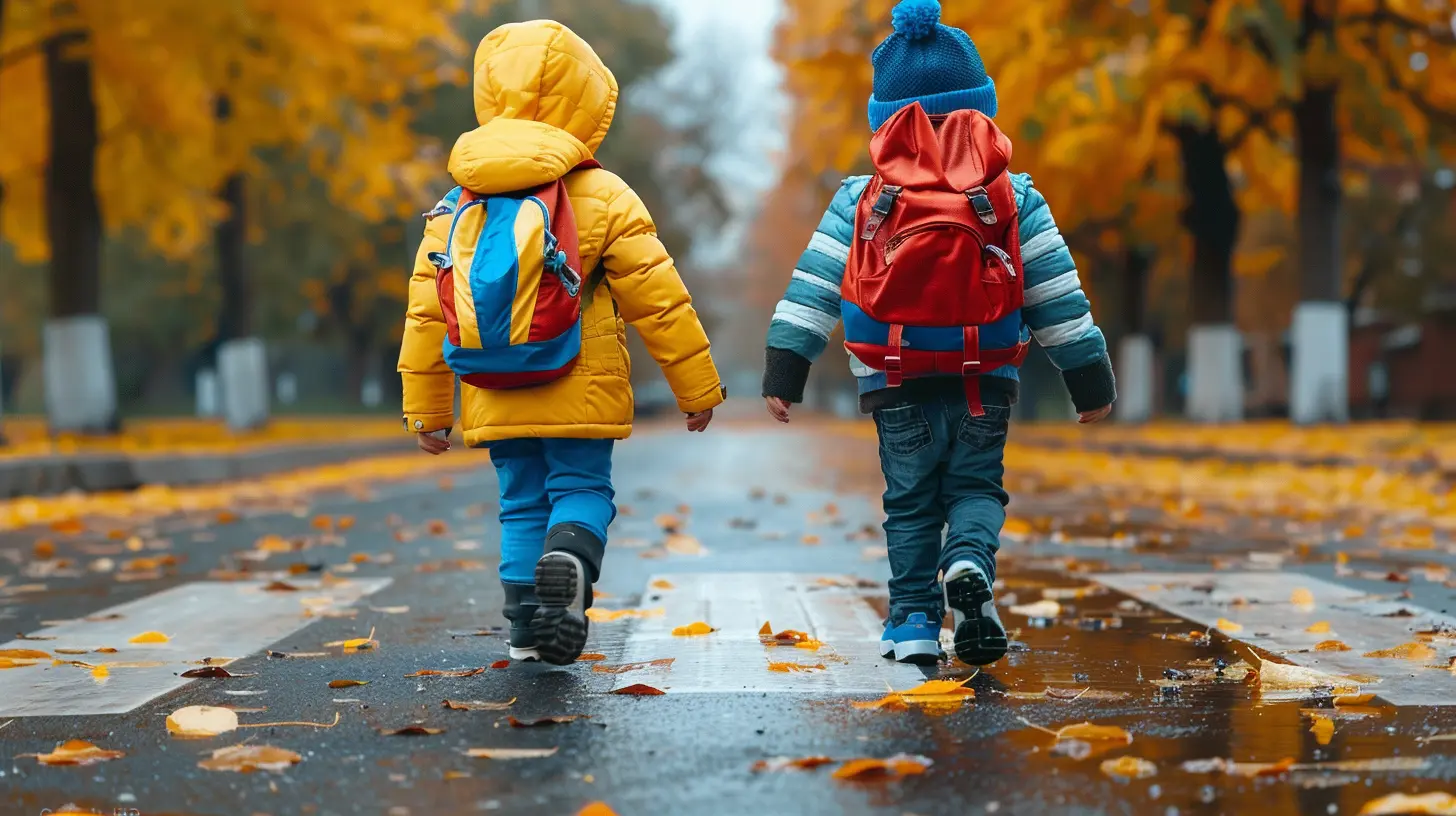
The Role of Schools and Communities
Change doesn’t happen in a vacuum. Schools, families, and entire communities need to work together to make this happen.Educating Students and Parents
Make sure everyone understands the benefits and safety rules. Host workshops or send newsletters. Use social media to spread the message. If students and parents are informed, they’re more likely to get involved.Hosting “Walk to School” Days
One simple event can spark a movement. Annual or monthly walk-to-school days bring awareness and build momentum. They’re fun, social, and a great way to show off what’s possible.Partnering with Local Governments
Advocating for changes like lower speed limits, better signage, and infrastructure upgrades takes teamwork. Schools should work hand-in-hand with city planners, transportation departments, and local lawmakers.Real-Life Success Stories
Want proof that this stuff really works? Here are a few examples of Safe Routes projects making a huge difference:Portland, Oregon
Portland implemented a robust Safe Routes to School program that reduced car traffic and boosted walking and biking by over 30%. They even provided free bikes and helmets to kids in need.Marin County, California
This early adopter of the Safe Routes movement saw a whopping 64% increase in kids walking or biking to school. The key? A strong focus on both infrastructure and education.New York City
In NYC, data-driven changes like installing leading pedestrian intervals (timing that allows people to start crossing before cars move) made crossing streets dramatically safer for students.How You Can Get Involved
You don’t have to be a city planner or a principal to make a difference. Here’s how you can help:- Talk to your school: Ask about current strategies for safe commuting and offer ideas.
- Join or start a PTA committee focused on safety and wellness.
- Volunteer to be part of a walking group or safety patrol.
- Contact local officials: Raise concerns and share ideas for infrastructure improvements.
- Be a positive role model: If your route is safe, walk or bike with your kids. They’re watching and learning from you.
The Bigger Picture
At the end of the day, building safe routes to school isn’t just about sidewalks and signs. It’s about building better futures. We’re giving kids the tools to be healthier, more independent, and more connected to the world around them.And it's not just the kids who benefit—parents worry less, streets get safer, and communities grow stronger. In a world driven by screens and schedules, something as simple as walking or biking to school becomes powerful. It's a chance to slow down, connect, and move with purpose.
So the next time you drive past a school zone, ask yourself—how can I help make this route a little safer? Because every step matters, especially when it’s taken by a child on their way to learn, grow, and chase their dreams.
all images in this post were generated using AI tools
Category:
School SafetyAuthor:

Bethany Hudson
Discussion
rate this article
1 comments
Delia McQuade
Creating safe routes to school is essential for encouraging students to walk or bike regularly. It not only promotes physical health but also fosters a sense of community. When children feel safe, families are more likely to engage in active transportation, benefiting everyone in the neighborhood.
June 1, 2026 at 10:46 AM
Bethany Hudson
I completely agree. Safe routes not only boost health but also strengthen community ties. It's crucial for families to feel secure while encouraging active transportation.