Building Trust with Students for a Safer School Community
22 July 2026
Let’s be real—school isn’t just about math formulas, vocabulary tests, and science projects. If we truly want education to flourish, the people within the school walls need to feel safe. And safety, believe it or not, starts with trust. Yep, trust. Trust between students and teachers. Between students and administrators. Among students themselves. Without it, everything else kind of falls apart.
But the question is: how do we actually build that trust? What does it take to create a school community where kids feel safe enough to speak up, share their concerns, and be authentically themselves?
Let's dive deep into how building trust with students can lead to a stronger, more connected, and ultimately safer school environment.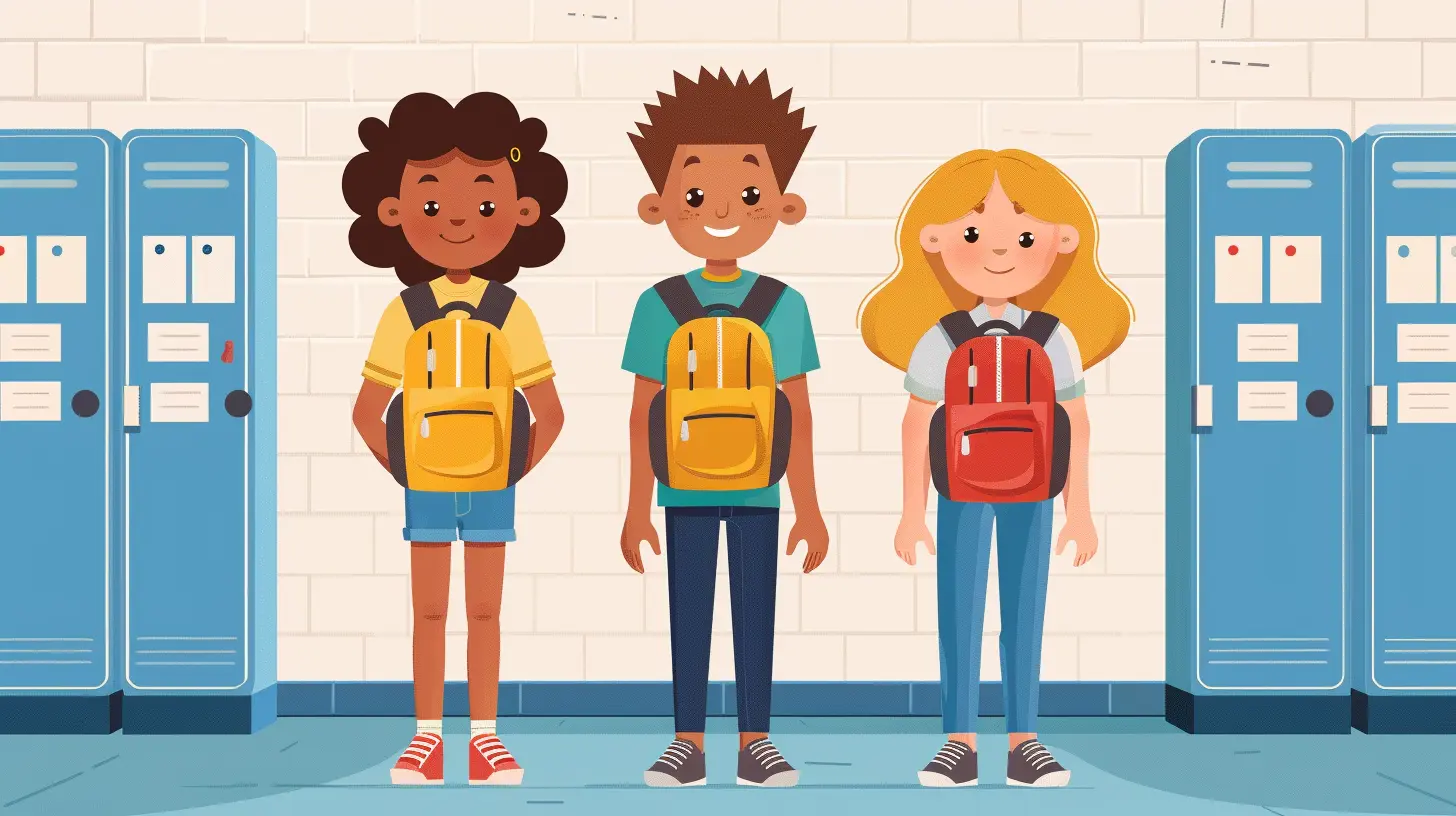
Why Trust Matters More Than Ever
Think back to your own school days. Remember that one teacher you could talk to about anything? The one who actually listened instead of just nodding silently while checking their watch? You trusted that teacher. And because of that trust, you felt safer.Now imagine a school where every student has someone like that. Where honesty is the norm, not the exception. Where kids aren’t afraid to voice their opinions, fears, or ideas. That’s the power of trust—it’s the foundation for emotional safety and overall well-being.
Trust = Safety + Connection
When students trust the adults around them, they’re more likely to report bullying, share mental health concerns, and follow safety protocols. But when that trust is missing? Silence. And silence can be dangerous.When trust is strong:
- Students are more likely to seek help.
- Conflicts are resolved before they explode.
- Suspicion is replaced with collaboration.
So yeah, trust isn’t just a "nice-to-have"—it’s a necessity.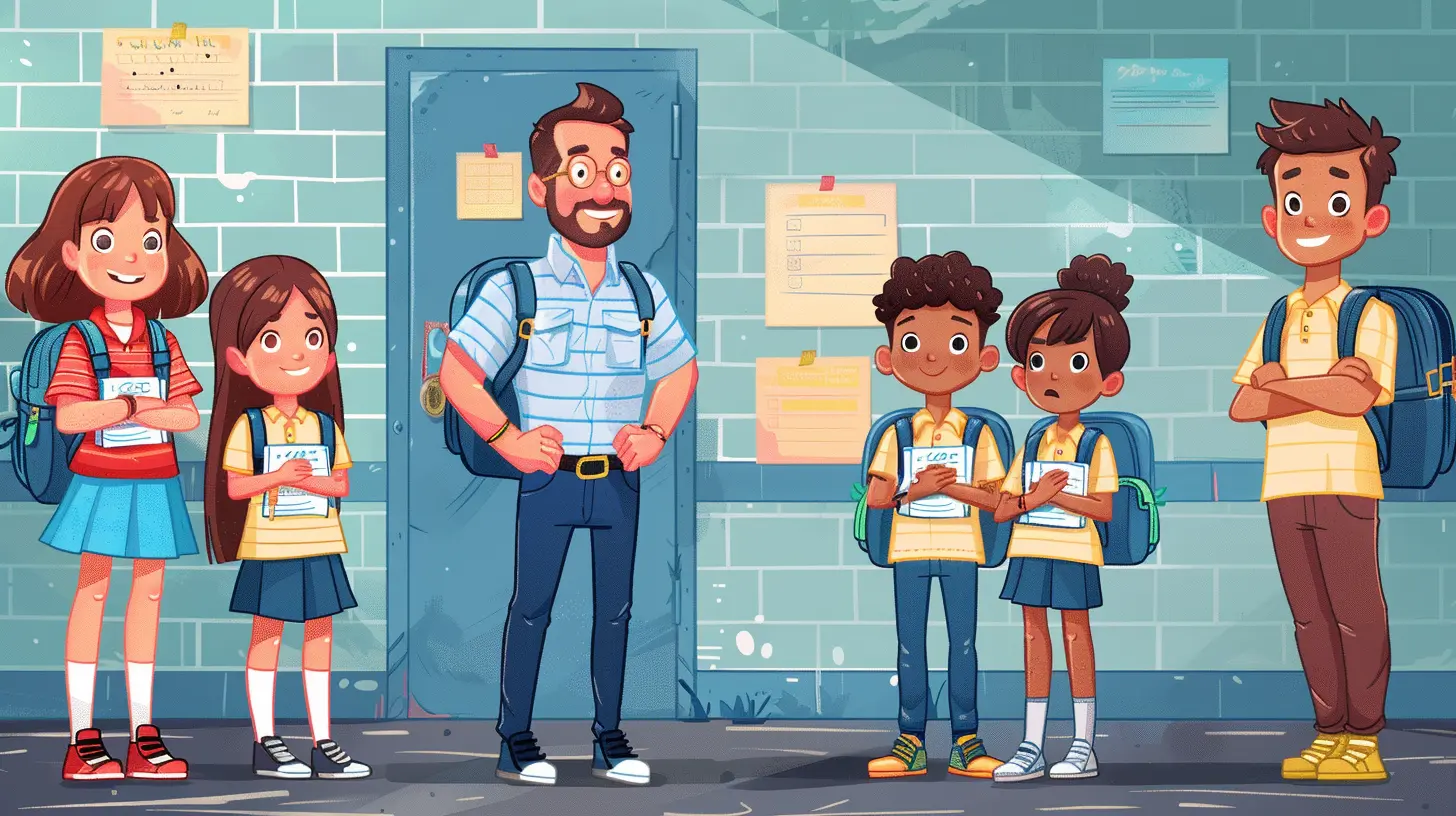
The Root of Distrust in Schools
Before we talk about building trust, we’ve got to address why it might be lacking in the first place.1. Negative Experiences with Authority
Let’s not sugarcoat it—some students carry emotional baggage from previous encounters with teachers or school staff. Maybe they felt judged, dismissed, or unfairly punished. That memory sticks.2. Lack of Representation
Students come from all walks of life. If they don’t see themselves reflected in the people who are supposed to support them, it’s harder to feel seen or heard. Diversity matters—not just in the books on the shelf, but in the people in power.3. Punitive School Cultures
Some schools operate with a "zero-tolerance" mindset. Make a mistake? You're out. Mess up once? You’re labeled. It’s hard to build relationships in a culture like that.
Building Trust Isn’t a Strategy; It’s a Mindset
Forget quick fixes. Trust doesn’t come from a single workshop or motivational poster. It’s built, moment by moment, through everyday actions.Let’s break down what this looks like in real life.
1. Start by Listening—Like, Really Listening
Ever had a conversation where you could tell the other person was just waiting for their turn to speak? Yeah, students notice that too.Listening is the bedrock of trust. Not just hearing words, but understanding emotions behind them.
Pro tip: When a student talks to you, pause before responding. Let their words sink in. Validate their feelings. You don’t have to agree with everything—they just want to know they mattered in that moment.
2. Be Consistent with Expectations
Nothing erodes trust faster than changing the rules or playing favorites. Keep your expectations clear and fair, no matter who you’re dealing with.Consistency signals safety. It tells students, “I know what to expect here. I'm not walking on eggshells.”
If you're consistent, they'll be more open to guidance—even correction—because they know it's coming from a place of fairness, not favoritism.
3. Share a Bit of Your Own Story
You don’t have to spill your entire life story, but showing vulnerability helps. When students see you as a human—not just a policy enforcer—they connect with you.Tell them about a mistake you made in school. Share how you felt when you were left out of a group. Let them know you’ve been there too.
When they see you as real, they’re more likely to be real with you.
4. Check In Before You Check Out
Whether it’s during attendance or after class, take a minute to ask, "How’s your day going?" or "You seemed quiet today—everything okay?"Simple? Yes.
Powerful? Absolutely.
Because sometimes that quick question is the lifeline someone needed.
5. Lead with Empathy, Not Authority
Sure, you’re the adult in the room. But leading with empathy doesn’t make you weak—it makes you relatable.Imagine being in a situation where you messed up and someone came at you with "What were you thinking!?" vs. "That’s not like you—what's going on?"
Which would you respond to better? Exactly.
6. Create Safe Spaces for Dialogue
Want students to communicate more openly? Give them a space to do it. That could be:- A weekly class circle where everyone shares highs and lows
- An anonymous question box
- A student advisory committee
When students feel their voices matter, they’re more likely to use them.
7. Celebrate Big and Small Wins
Trust grows when students feel seen—not just when they get straight A's, but when they show kindness, lead a group discussion, or even just show up consistently.Normalize celebrating effort and growth. This tells students, “You're more than your grades. I see you, and I appreciate you.”
8. Take Accountability When You Mess Up
We all get it wrong sometimes. Maybe you snapped at a student when you were having a rough day, or you missed a subtle cry for help.Don't brush it off. Own it.
Saying “I messed up” is powerful. It models accountability, and more importantly, reminds students that adults are growing too.
9. Involve Students in Decision-Making
Nothing says “I trust you” like asking for someone’s opinion. Include students in decisions when possible—especially those that affect them directly.Ask how they’d like discipline issues to be handled. Invite their input on class topics or school events.
When they help shape the community, they care more about protecting it.
10. Be Present—Even When It's Inconvenient
Trust is built in the little things. Showing up to their game. Attending that talent show. Staying after class to help out.These moments say, "You're worth my time." And that message? It sticks.
The Ripple Effect: When Trust is the Norm
Trust isn’t just a feel-good emotion—it creates real, tangible change in schools.What Happens When Trust Flourishes
- Bullying incidents decrease.- Attendance improves.
- Students report feeling safer.
- Academic outcomes rise.
- There’s a stronger sense of belonging.
And here’s the kicker: it’s contagious. When one teacher builds trust with a student, that student opens up more with peers. When one class functions with trust, it spreads across the school.
The Role of Administration: Walking the Talk
Let’s not forget—this isn’t just on teachers. School leaders need to model trust at every level.Are policies transparent? Are student grievances taken seriously? Are teachers being supported in prioritizing relationships?
Leadership sets the tone. And if the tone is “kids come first,” the culture will follow.
Parents & Community: The Outer Circle of Trust
Trust doesn't stop at the school doors. Parents and community members are crucial allies.Hold open houses where students showcase their work. Invite community leaders to speak. Partner with local groups for mentorship programs.
Every trusted adult in a student’s life becomes part of their safety net.
Real Talk: Trust Takes Time, but It’s Worth It
This work isn’t instant. You won’t fix a broken dynamic overnight. But with every effort you make to connect, to listen, to stay consistent—you’re laying another brick in the foundation.It may take a semester. It might take a year. But once students know, not just hope, that they’re safe with you, the trust becomes unshakable.
And when safety becomes the default, not the exception? That's when schools become communities. That’s when education transforms from routine to revolutionary.
Call to Action: Start Small, Aim Big
Listen, you don’t need to overhaul your entire school today. Start with one conversation. One student. One moment of real connection.Because every strong, safe school community started with a single decision: to choose trust over fear.
So, what will your first step be?
all images in this post were generated using AI tools
Category:
School SafetyAuthor:

Bethany Hudson
Discussion
rate this article
1 comments
Kian Patel
Trust is key to a thriving school environment.
July 28, 2026 at 4:38 AM
Bethany Hudson
Absolutely, trust lays the foundation for open communication and strong relationships in schools. It's essential for creating a supportive environment.