Classroom Management Techniques for Project-Based Learning
17 March 2026
Project-Based Learning (PBL) is one of the most effective ways to engage students in deep and meaningful learning. Instead of just memorizing facts, students actively explore real-world problems and develop solutions, making learning more relevant and exciting. However, managing a classroom that thrives on projects rather than traditional lectures can be challenging.
How do you keep students focused? How do you ensure that every voice is heard? And most importantly, how do you prevent chaos while still fostering creativity? If these questions have ever crossed your mind, you're in the right place! Let’s break down some of the best classroom management techniques tailored specifically for PBL classrooms.

What Makes PBL Different—and Challenging?
Project-Based Learning shifts the focus from passive learning to active exploration. Instead of simply listening to a lecture, students collaborate, experiment, and solve problems. While this approach is highly effective, it does come with unique challenges:- More movement, more noise – PBL classrooms tend to be busier than traditional ones. Students move around, discuss ideas, and work together.
- Different paces of learning – Some students finish tasks quickly while others need more time, leading to varied progress within a group.
- Collaboration conflicts – Not every group works smoothly. Disagreements, dominance issues, and lack of participation can arise.
- Balancing structure with creativity – While you want to encourage independence, you still need structure to maintain order.
So, how do you manage these challenges without stifling student creativity? Let’s dive into the most effective techniques. 
1. Set Clear Expectations from Day One
Before jumping into projects, establish clear guidelines for behavior, collaboration, and deliverables. When students know what’s expected, they’re more likely to stay on track.How to Do It:
✅ Create classroom norms together – Let students help define the rules so they feel ownership.✅ Use anchor charts – Post visual reminders of rules, project phases, and deadlines.
✅ Set behavioral expectations – Teach students how to handle conflicts, share ideas respectfully, and stay on task.
By setting the stage early, you minimize misunderstandings and disruptions later. 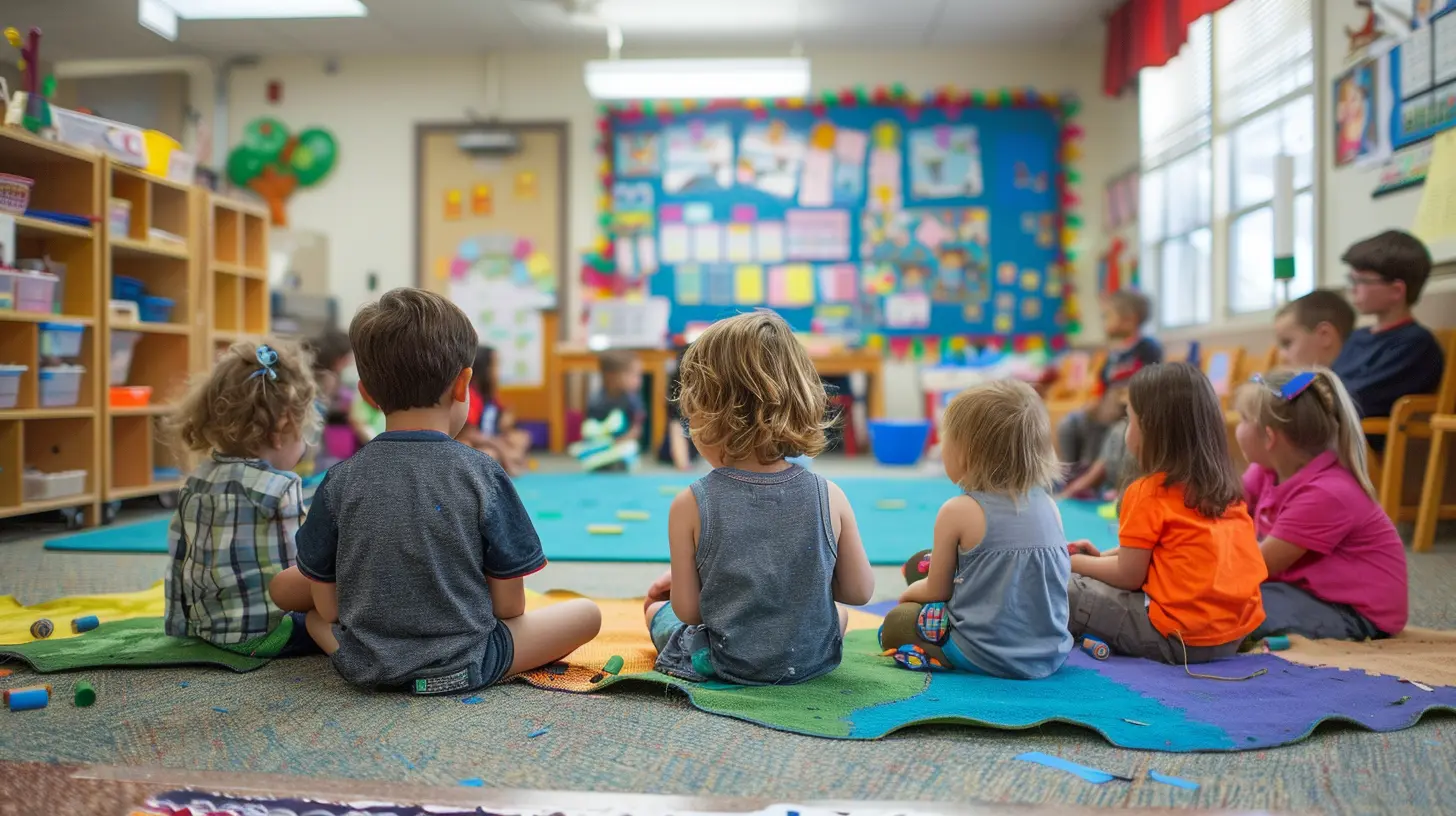
2. Organize Groups Strategically
Group work is the heart of PBL, but if groups aren't balanced, things can quickly fall apart. Some students may take over, while others may stay silent.How to Do It:
🔹 Mix up skill levels – Ensure groups have a mix of strengths so students can learn from each other.🔹 Rotate roles – Assign roles like "Team Leader," "Researcher," or "Timekeeper" and rotate them periodically.
🔹 Set group agreements – Have students write a “team contract” outlining expectations, responsibilities, and problem-solving strategies.
By planning group dynamics carefully, you encourage collaboration rather than frustration. 
3. Break Projects into Manageable Phases
A big project can feel overwhelming, leading to procrastination and disengagement. The solution? Chunk it down!How to Do It:
📌 Divide the project into clear milestones with deadlines.📌 Use a project timeline to help students visualize their progress.
📌 Have checkpoints where students reflect on their work and make adjustments.
Small wins keep students motivated and on task, preventing last-minute panic.
4. Foster Accountability and Independence
When students take responsibility for their learning, they stay engaged and committed. But how do you ensure accountability without micromanaging?How to Do It:
✅ Use progress trackers – Let students maintain journals or digital logs documenting their contributions.✅ Include peer and self-evaluations – Have students assess their own work and their teammates’ efforts.
✅ Introduce office hours – Provide optional one-on-one check-ins where students can ask for help.
Encouraging self-monitoring helps students take ownership while reducing your workload as the teacher.
5. Create a Classroom Culture of Respect and Collaboration
A positive and respectful environment is essential for productive group work. Without it, projects can quickly spiral into arguments and disengagement.How to Do It:
🔹 Model respectful communication – Show students how to disagree politely and listen to different perspectives.🔹 Celebrate effort, not just success – Acknowledge hard work, creativity, and teamwork, not just the final product.
🔹 Use team-building activities – Before starting a big project, engage in icebreakers or problem-solving games to build trust.
When students feel safe, valued, and heard, they become better collaborators.
6. Leverage Technology for Organization and Engagement
Technology can be a game-changer in managing PBL classrooms. It helps streamline communication, organize resources, and keep teams on track.How to Do It:
📱 Use digital planners like Trello or Google Keep for task organization.🖥️ Encourage collaborative tools like Google Docs or Padlet for shared work.
🎥 Let students present using multimedia tools like Canva or Flipgrid.
With the right tech tools, you can simplify workflow and make learning more interactive.
7. Set Up an Effective Feedback System
Feedback is key in PBL—but it shouldn’t just come from the teacher. Peer and self-feedback help students refine their work and learn from their mistakes.How to Do It:
✅ Use “Glow and Grow” feedback – Encourage students to share one strength (“glow”) and one improvement (“grow”).✅ Provide structured rubrics so students understand assessment criteria.
✅ Offer regular check-ins – Short feedback sessions help students adjust their approach before it’s too late.
The right feedback at the right time keeps students motivated and improves their learning experience.
8. Expect and Embrace Some Chaos
Let’s be real—PBL classrooms won’t be as quiet and controlled as traditional ones, and that’s okay! A little noise and movement are signs of active learning.How to Do It:
✅ Accept that some messiness is productive – Creativity thrives in organized chaos.✅ Train students in self-regulation – Teach them when to collaborate and when to refocus.
✅ Have a quiet signal – Use a bell, clapping rhythm, or visual cue to regain attention when needed.
Instead of trying to eliminate chaos, channel it into productive energy!
Final Thoughts
Project-Based Learning is one of the most powerful ways to engage students, but it requires a different approach to classroom management. By setting clear expectations, fostering accountability, using technology wisely, and embracing organized chaos, you can create a thriving PBL classroom.The goal isn’t a perfectly quiet room—it’s an environment where students are actively learning, problem-solving, and collaborating. So take a deep breath, implement these techniques, and watch your students flourish in ways you never thought possible!
all images in this post were generated using AI tools
Category:
Classroom ManagementAuthor:

Bethany Hudson
Discussion
rate this article
2 comments
Luna Blair
Fantastic tips for navigating the exciting world of project-based learning! Remember, a little creativity and flexibility go a long way. Embrace the chaos and watch your students thrive—let the learning adventures begin!
April 4, 2026 at 3:13 AM
Bethany Hudson
Thanks for your thoughts! Creativity and flexibility truly make a difference in project-based learning. Let's inspire those adventures!
Raven Underwood
This article offers valuable insights into balancing classroom management with project-based learning. By fostering a supportive environment, educators can empower students to take ownership of their learning while still maintaining structure. A perfect read for innovative teaching strategies!
March 18, 2026 at 5:19 AM
Bethany Hudson
Thank you for your feedback! I'm glad you found the article helpful for blending classroom management with project-based learning. Empowering students is key to effective teaching.