How to Create a Classroom That Runs Itself
22 December 2025
Managing a classroom can sometimes feel like juggling flaming torches while riding a unicycle—exciting, but exhausting! Every teacher dreams of a classroom that practically runs itself, where students are engaged, responsible, and self-sufficient. But how do you achieve that?
It’s not about creating a robotic environment where students follow commands like programmed machines. Instead, it’s about building a system that fosters independence, accountability, and collaboration so your classroom can function smoothly, even when you’re not micromanaging every single moment.
In this guide, I’ll walk you through step-by-step strategies to transform your classroom into a well-oiled learning machine—without burning yourself out in the process. 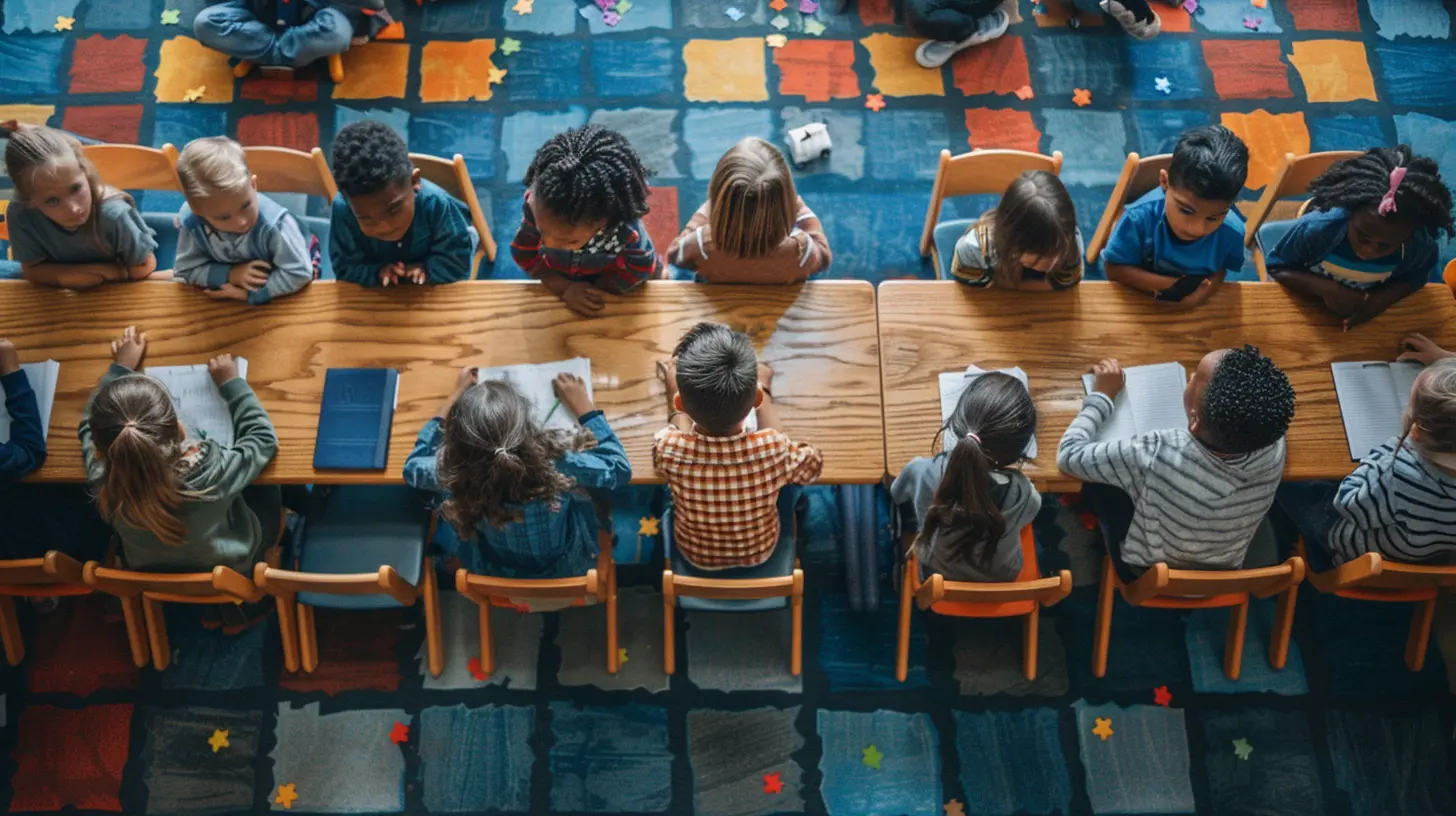
1. Establish Clear Expectations from Day One
Have you ever walked into a restaurant where no one seems to know what they’re doing? Chaos, right? The same applies to classrooms. If students don’t know what’s expected of them, they’ll make their own (often disastrous) rules.Start the school year by setting clear, non-negotiable expectations. Keep your rules simple and easy to remember. Instead of a long, complicated list, focus on a few core principles, such as:
- Respect yourself and others
- Take responsibility for your learning
- Follow directions the first time
- Keep the classroom organized and clean
Reinforce these expectations DAILY until they become second nature. 
2. Develop Routines for Everything
Ever notice how successful businesses run like clockwork? That’s because they thrive on routines. Your classroom should be no different!Think about all the common classroom tasks: entering the room, turning in assignments, asking for help, transitioning between activities. Now, establish simple, repeatable routines for each one.
Some examples:
- Morning Entry Routine: Greet students at the door, have them pick up materials, and start on a bell-ringer activity.
- Turning in Work: Create a designated spot where students always place their assignments—no more “Where do I put this?” chaos.
- Classroom Jobs: Assign responsibilities like paper collector, board cleaner, and technology helper to distribute ownership among students.
The more automatic these routines become, the less you’ll have to intervene. 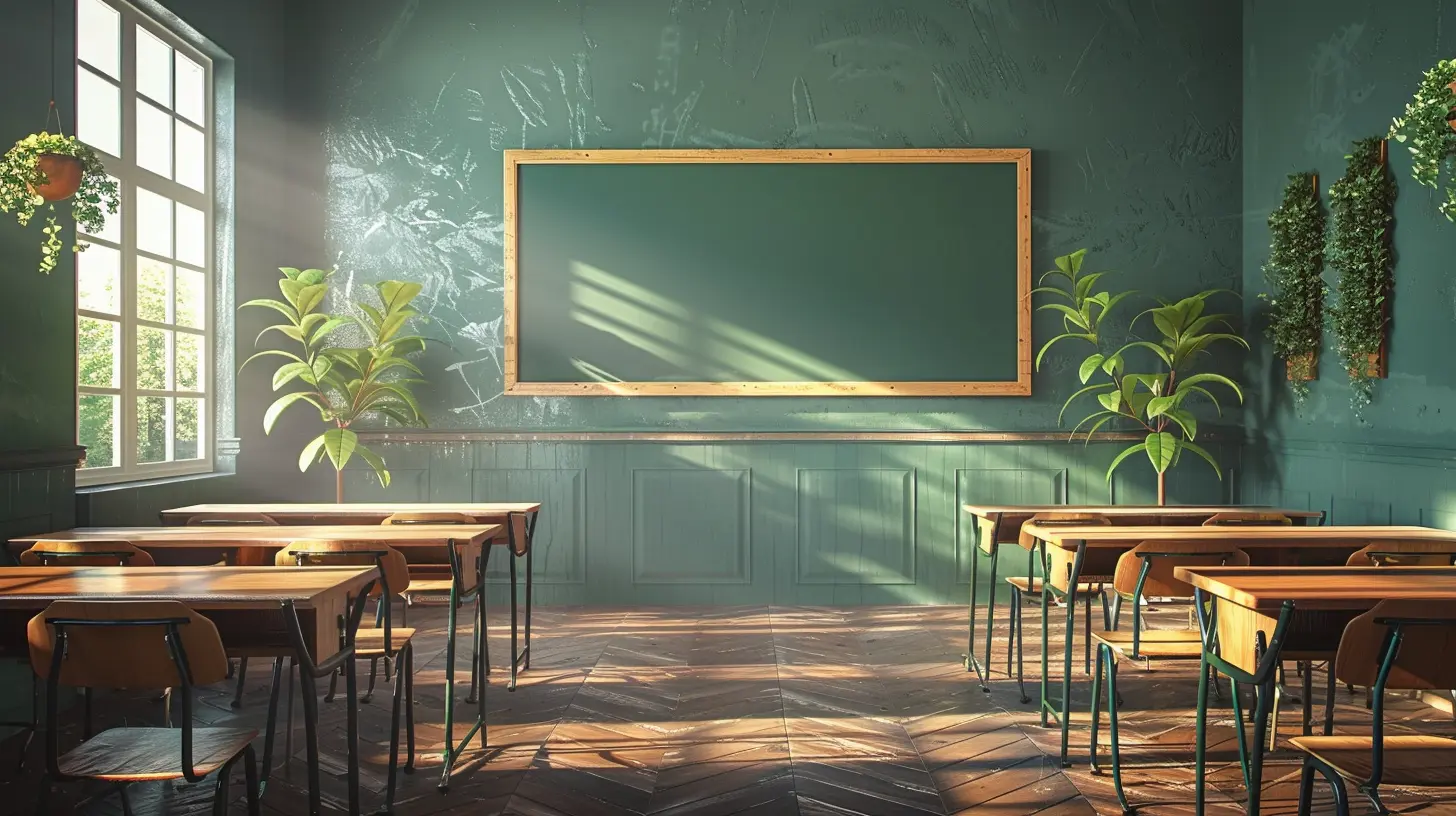
3. Foster Independent Learning
A self-sustaining classroom requires students who know how to take charge of their learning. This means creating opportunities for them to work independently and solve problems without constantly running to the teacher for help.Here’s how you can encourage independent learning:
- Use a "Ask 3 Before Me" Rule: Before asking the teacher, students must seek help from three other sources (a classmate, notes, or a resource in the classroom).
- Incorporate Choice Boards: Allow students to select assignments or projects that fit their learning style.
- Set Up a Help Desk: Have a dedicated area where students can find extra materials, instructions, or even a “how-to” guide for common questions.
When students learn how to troubleshoot on their own, they gain confidence and problem-solving skills. 
4. Empower Students with Leadership Roles
If you’ve ever tried to run an entire classroom solo, you know how exhausting it can be. The secret? Pass the baton! Giving students leadership roles not only lightens your load but also teaches them responsibility.Here are some great student leadership roles:
- Classroom Ambassador: Welcomes new students and helps them get acclimated.
- Tech Specialist: Helps troubleshoot devices and assist with digital learning tools.
- Timekeeper: Keeps track of time during group activities and announces when it’s time to switch tasks.
Students love feeling like they play an important role in the classroom’s success. Plus, it minimizes the number of minor interruptions you have to deal with throughout the day!
5. Use Visual Cues and Anchor Charts
A well-organized classroom should make it easy for students to find information without constantly needing your input. One way to do this is through visual cues and anchor charts.Examples of useful visual cues:
- Signal Cards: Students hold up a colored card to indicate if they understand (green = good, yellow = need help, red = struggling).
- Noise Level Chart: A visual reminder of acceptable noise levels for different activities.
- Classroom Calendar: Keeps everyone informed about due dates, tests, and special events.
When students can independently refer to these tools, they become less reliant on the teacher for minor reminders.
6. Reward Responsibility and Independence
Recognition and rewards can go a long way in reinforcing positive behavior. Use incentives to encourage students to take ownership of their learning and actions.Consider these reward systems:
- Classroom Economy: Give students points or "class cash" they can use for privileges.
- Brag Tags: Small laminated badges given for acts of responsibility.
- Mystery Reward System: Write rewards on index cards and randomly give them out when students exhibit leadership.
The key is to celebrate effort and responsibility, not just good behavior.
7. Embrace Technology for Efficiency
Why do all the work yourself when technology can help streamline classroom management?Useful tech tools include:
- Google Classroom: Helps organize assignments, announcements, and communication.
- ClassDojo: Tracks behavior and keeps families in the loop.
- Timers and Online Randomizers: Prevent wasted time and fairly select students for participation.
By integrating technology, you reduce your workload and empower students to take more control of their learning experience.
8. Teach Conflict Resolution Skills
Let’s be real—students will argue. However, constantly stepping in to mediate disputes is a huge time drain. Instead of playing referee, teach students how to solve conflicts themselves.Use a simple 3-step approach:
1. Cool Off – Take deep breaths and step away for a moment.
2. Talk It Out – Use "I" statements (e.g., "I feel upset when...") instead of blame.
3. Find a Solution – Work together to agree on a resolution.
When students learn problem-solving skills, you reduce disruptions and foster a harmonious environment.
9. Model the Behavior You Expect
Kids are like sponges—they absorb everything, including your attitude and habits. If you want a classroom that runs itself, you need to consistently model responsibility, patience, and respect.This means:
- Keeping your own materials and schedule organized.
- Speaking to students calmly and respectfully, even when correcting behavior.
- Showing enthusiasm for learning and hard work.
When students see these behaviors in action, they are more likely to replicate them.
10. Build Strong Relationships
A teacher-student relationship built on trust and mutual respect is the cornerstone of a self-sustaining classroom. When students feel valued, they naturally take more responsibility in class.Ways to build those relationships:
- Greet students individually at the door.
- Have one-on-one check-ins to ask about their progress and concerns.
- Show interest in their hobbies, families, and lives outside of school.
When students feel connected to you, they’re more likely to respect the classroom structure and take ownership of their behavior.
Final Thoughts
Creating a classroom that runs itself isn’t about handing over all control to students—it’s about building a system that encourages independence, routine, and responsibility.By setting clear expectations, fostering leadership, incorporating technology, and strengthening relationships, you can create an environment where students take charge of their learning. The result? More time for actual teaching and a stress-free classroom for you!
So, are you ready to make your classroom run itself? Start implementing these strategies today and watch the transformation unfold!
all images in this post were generated using AI tools
Category:
Classroom ManagementAuthor:

Bethany Hudson
Discussion
rate this article
2 comments
Graham McClain
Perfect! Now I just need to find a self-cleaning teacher!
January 17, 2026 at 11:45 AM
Bethany Hudson
Haha, if only that were possible! But with the right systems in place, you can make teaching a lot easier!
Holden Wyatt
Empowering students fosters independence and enhances classroom dynamics!
December 24, 2025 at 5:58 AM
Bethany Hudson
Absolutely! Empowering students not only builds independence but also creates a more engaging and collaborative classroom environment.