Co-Learning Spaces: The New Frontier in Higher Education
4 November 2026

Introduction
In recent years, the landscape of higher education has been evolving, creating new opportunities for collaboration, interaction, and innovation. One of the most significant developments is the rise of co-learning spaces. These environments offer a unique approach to education, breaking down the traditional barriers of classrooms and encouraging shared learning experiences among students, faculty, and the community. This article delves into what co-learning spaces are, their benefits, challenges, and best practices for implementation, while providing practical insights and real-world examples.
Understanding Co-Learning Spaces
Definition and Characteristics
Co-learning spaces are collaborative environments designed to facilitate shared learning experiences among individuals with diverse backgrounds and expertise. They often feature flexible seating arrangements, technology integration, and resources that encourage interaction and creativity. Characteristics typically include:- Flexibility: Spaces can be rearranged to accommodate various group sizes and activities.
- Technology Integration: Access to digital tools and resources supports collaboration and innovation.
- Community Focus: These spaces often bring together students, faculty, and external stakeholders, fostering a sense of belonging and shared purpose.
The Evolution of Learning Environments
Historically, learning has taken place in rigid classroom settings with fixed desks and a one-way flow of information from instructor to student. This model is increasingly seen as inadequate for preparing individuals for the complexities of modern life. Co-learning spaces challenge this traditional model by promoting active engagement and peer-to-peer learning. By integrating technology and encouraging collaboration, these spaces can facilitate deeper understanding and retention of knowledge.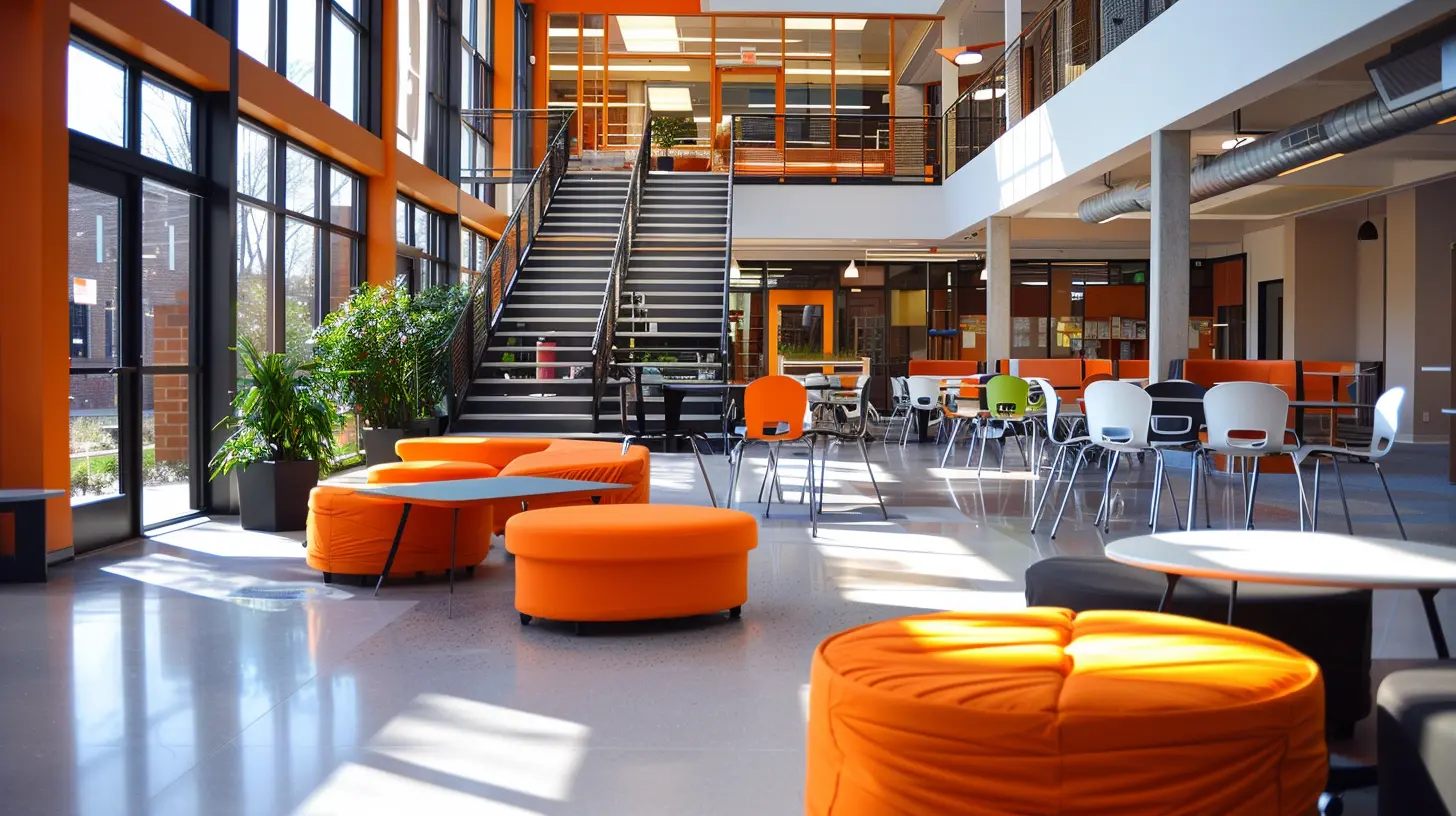
The Benefits of Co-Learning Spaces
Enhanced Collaboration
One of the primary advantages of co-learning spaces is the promotion of collaboration among diverse groups. When students from different disciplines come together, they bring unique perspectives that can lead to innovative solutions. For instance, a group of engineering and business students working on a project may find that their combined expertise leads to a more comprehensive approach than either group could achieve independently.Improved Engagement
Learning in a co-learning space often leads to higher levels of student engagement. The dynamic environment encourages active participation, as students are more likely to interact with peers and instructors. This engagement can translate to improved motivation and academic performance. For example, a university that transformed its library into a co-learning space saw a significant increase in student usage and satisfaction.Skill Development
Co-learning spaces provide opportunities for students to develop essential skills such as teamwork, communication, and critical thinking. As students collaborate on projects, they learn to navigate group dynamics, manage conflict, and articulate their ideas effectively. These skills are invaluable in the workplace, making graduates more competitive in the job market.Community Building
These spaces foster a sense of community among learners, breaking down silos that often exist in traditional educational settings. By promoting interaction among diverse groups, co-learning spaces create an inclusive environment where individuals feel valued and connected. This sense of belonging can lead to increased retention rates and overall satisfaction with the educational experience.
Challenges and Considerations
Designing Effective Co-Learning Spaces
While the benefits of co-learning spaces are clear, designing and implementing them effectively can pose challenges. Institutions must consider various factors, including:- Space Utilization: Understanding how students interact with the space is crucial. Conducting surveys and observing usage patterns can inform design decisions.
- Resource Availability: Access to technology and materials is essential for a successful co-learning environment. Institutions need to ensure that resources are readily available and maintained.
- Training and Support: Faculty and staff must be equipped to facilitate collaborative learning. Providing training on collaborative pedagogy can enhance the effectiveness of co-learning spaces.
Balancing Structure and Flexibility
Finding the right balance between structure and flexibility is key to a successful co-learning space. While flexibility allows for creativity and spontaneity, some level of organization is necessary to guide students in their collaborative efforts. Institutions should consider implementing guidelines that encourage collaboration while allowing for individual initiative.Overcoming Resistance to Change
Transitioning to co-learning spaces may meet resistance from faculty and students accustomed to traditional teaching methods. Institutions should communicate the benefits clearly and involve stakeholders in the design process. Hosting workshops or pilot programs can demonstrate the effectiveness of co-learning environments and encourage buy-in.Best Practices for Implementing Co-Learning Spaces
Involve All Stakeholders
Engaging a diverse range of stakeholders in the planning process ensures that the co-learning space meets the needs of its users. This includes students, faculty, administrators, and community members. Conducting focus groups or surveys can provide valuable insights into what individuals want from the space.Foster a Culture of Collaboration
Encouraging a collaborative culture within the institution is essential for the success of co-learning spaces. This can be achieved through initiatives that promote interdisciplinary projects, team-building activities, and collaborative teaching practices. Faculty should be incentivized to experiment with new teaching approaches that leverage the benefits of co-learning environments.Provide Ongoing Support and Training
Institutions should offer continuous support and training for faculty and staff to maximize the effectiveness of co-learning spaces. Workshops on collaborative pedagogy, technology integration, and group facilitation can empower educators to make the most of the new environment. providing resources for troubleshooting and peer support can enhance the overall experience.Monitor and Assess Effectiveness
Regular assessment of co-learning spaces is crucial for understanding their impact on student learning and engagement. Institutions should establish metrics to measure success, such as student satisfaction surveys, usage statistics, and academic performance indicators. This data can inform ongoing improvements and adaptations to the space.
Real-World Examples of Successful Co-Learning Spaces
University of Southern California (USC)
USC's Annenberg Innovation Lab exemplifies a successful co-learning space that fosters interdisciplinary collaboration. The lab features flexible seating arrangements, advanced technology, and resources for students from various fields, including journalism, communication, and business. By promoting creative projects and teamwork, the lab has become a hub for innovation and collaboration.University of Toronto
The University of Toronto has transformed several traditional library spaces into co-learning environments that prioritize collaboration and technology. These spaces are equipped with group study areas, digital media labs, and resources for interdisciplinary projects. The success of these spaces is reflected in the increased usage and positive feedback from students.University of Edinburgh
The University of Edinburgh's Learning Spaces initiative focuses on creating flexible, collaborative environments across the campus. By incorporating student feedback into the design process, the university has developed spaces that cater to various learning styles and encourage active engagement. The initiative has resulted in higher student satisfaction and improved academic outcomes.Common Mistakes and Misconceptions
Underestimating the Importance of Design
One common mistake in creating co-learning spaces is underestimating the significance of thoughtful design. A space that lacks consideration for user needs may fail to facilitate collaboration effectively. Institutions should prioritize user-centered design and actively involve stakeholders in the planning process.Assuming Technology Equals Collaboration
While technology can enhance collaboration, it is not a substitute for effective pedagogy. Institutions must ensure that faculty are trained to use technology in ways that promote engagement and interaction. Simply providing technology without guidance can lead to underutilization and frustration.Ignoring the Need for Support
Another misconception is that co-learning spaces will automatically lead to collaboration without the need for ongoing support. Institutions must provide resources, training, and encouragement to foster a collaborative culture. Without support, students and faculty may revert to traditional, individualistic learning approaches.
Conclusion
Co-learning spaces represent a transformative approach to higher education, offering opportunities for collaboration, engagement, and skill development that traditional classrooms cannot match. By understanding the benefits and challenges of these environments, institutions can create effective co-learning spaces that enhance the educational experience for all stakeholders. Implementing best practices, engaging stakeholders, and continuously assessing effectiveness are key to successfully navigating this new frontier in higher education.
all images in this post were generated using AI tools
Category:
Learning CommunitiesAuthor:

Bethany Hudson

