Collaborative Learning: A Pathway to Inclusive Classrooms
8 January 2026
You know that feeling when a group just clicks? Everyone’s pitching in, bouncing ideas around, and, suddenly, the entire room is buzzing with energy. That’s the magic of collaboration—and it’s not just for office work or brainstorming sessions. It’s changing the way we teach and learn. Welcome to collaborative learning: a dynamic, inclusive approach that’s transforming classrooms from a sea of solo learners into communities of shared growth.
In a time where diversity in classrooms is not just common but celebrated, creating an inclusive environment isn’t just a nice-to-have—it’s a necessity. And collaborative learning? It’s one of the most powerful tools to make that happen.
Let’s dive into what collaborative learning really is and why it might just be the secret sauce to building a classroom where every student feels seen, heard, and valued.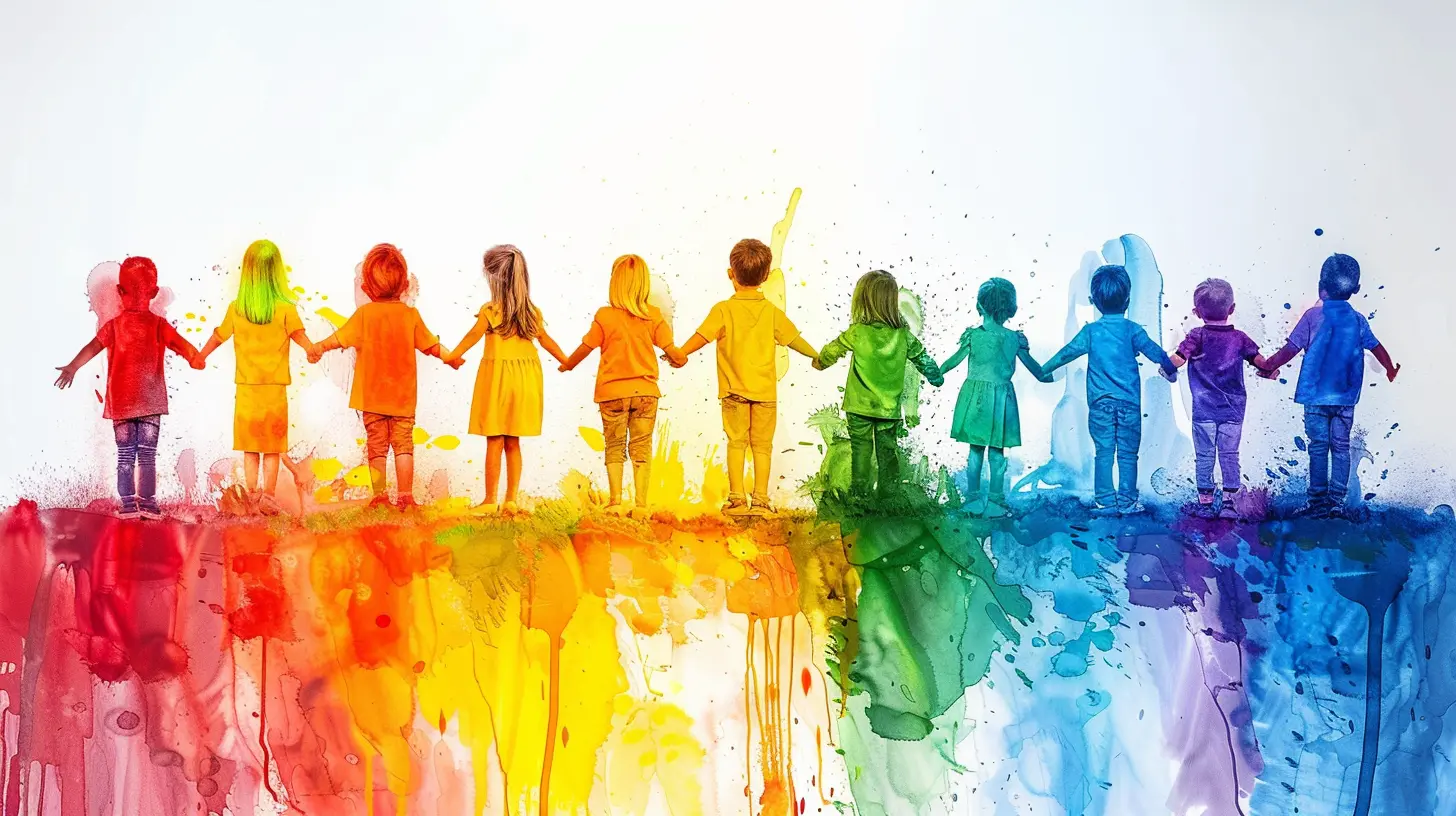
What Is Collaborative Learning, Anyway?
Collaborative learning is more than just group work. Sure, you’ve probably been grouped up for projects before, but this is deeper.At its core, collaborative learning is a teaching strategy where students work together—actively—to explore a problem, create a project, or understand a concept. The key here? Everyone contributes. It’s not about one student doing all the work while the others chill (we’ve all been there). It’s about sharing ideas, challenging each other’s thinking, and learning through interaction.
Teachers act more like facilitators than lecturers, guiding students as they learn from each other. Sounds refreshing, right?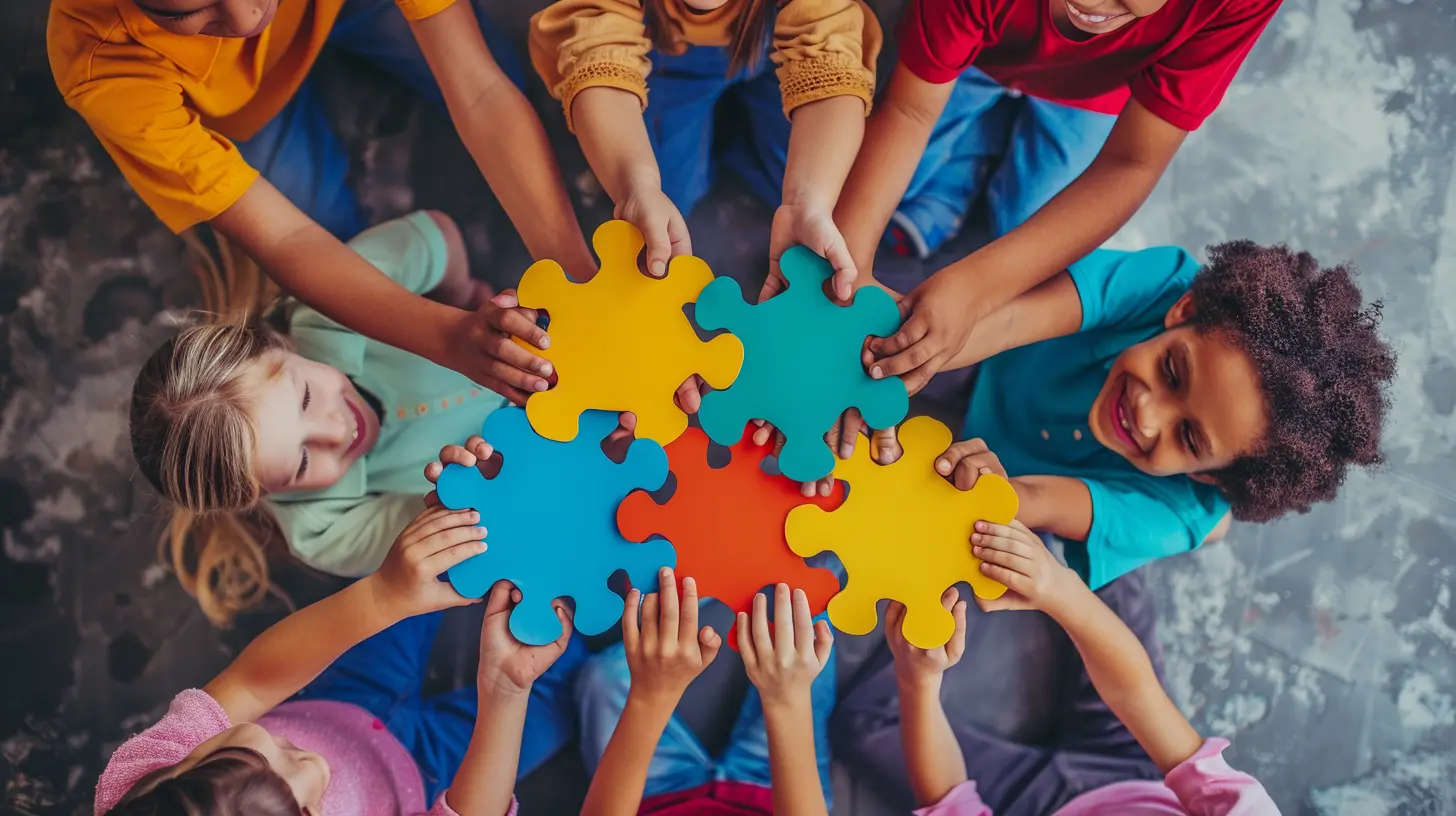
Why Is Collaborative Learning So Important Today?
Let’s face it. Traditional classrooms don’t always work for every student. Think about it: one teacher, 30 students, one style of teaching. That’s a tough environment for learners with different backgrounds, languages, learning abilities, or even just different personalities.Here’s where collaborative learning shines. By encouraging group interaction, this approach supports:
- Multiple perspectives: Every student brings something unique to the table.
- Peer support: Students help each other, which boosts confidence and comprehension.
- Social skills development: Collaboration builds empathy, listening skills, and respect.
- Active engagement: Learners stay involved because everyone has a role.
Isn’t that the kind of classroom we all wanted to be in?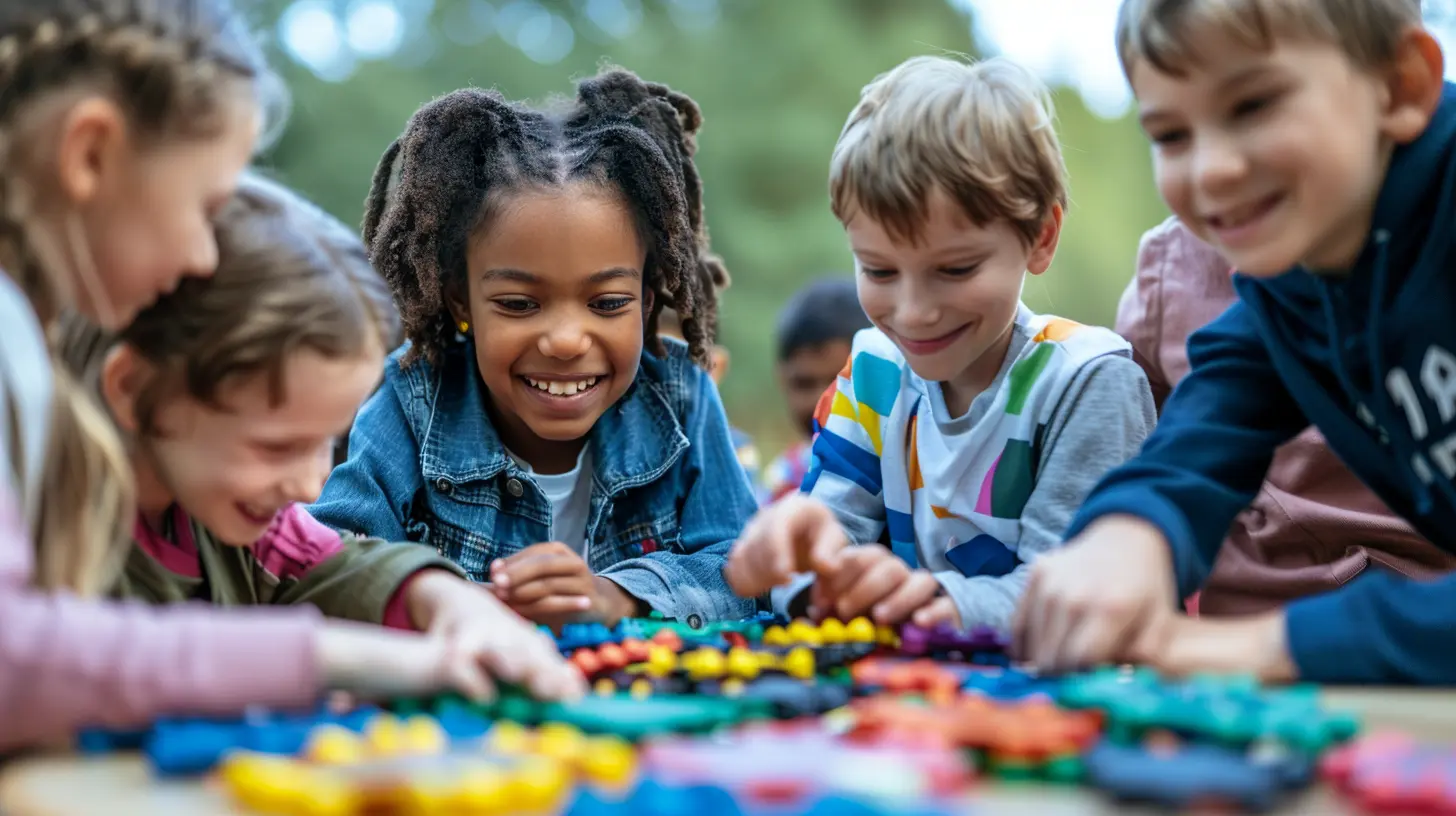
The Link Between Collaboration and Inclusion
Let’s connect the dots. How exactly does working in groups lead to a more inclusive learning environment?When students work collaboratively, they're exposed to different voices. It’s not just the loudest or fastest thinker who gets heard. In a well-structured group, there’s room for everyone—quiet thinkers, creative minds, those who need a little more time, and even those still learning the language.
Plus, collaborative learning naturally breaks down social barriers. Students interact more, learn how to navigate differences, and develop friendships across cultural, linguistic, and academic lines.
It teaches something powerful: diversity isn’t a challenge—it’s an asset.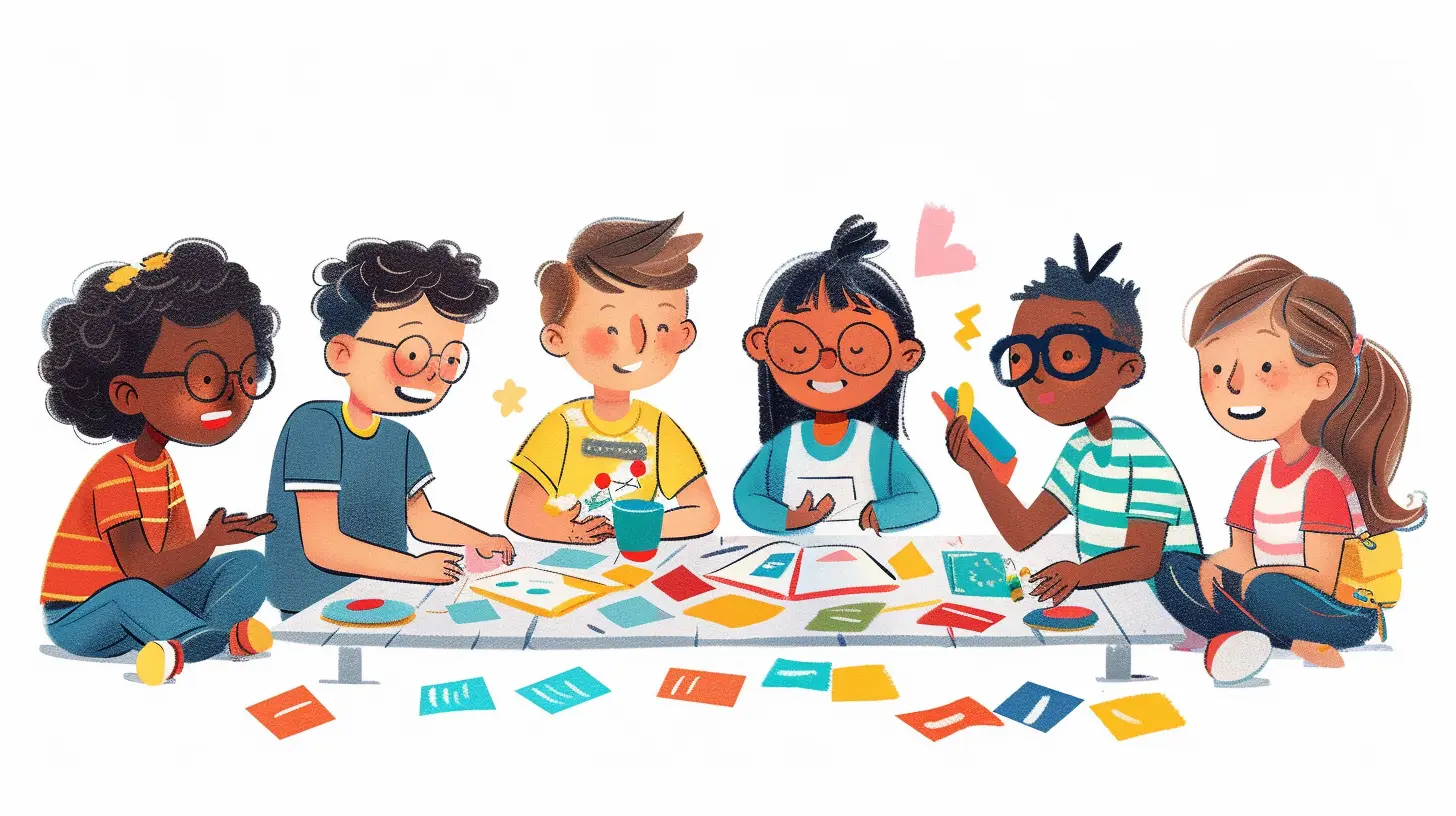
What Does an Inclusive, Collaborative Classroom Look Like?
Imagine walking into a classroom where:- Desks are arranged in small groups instead of rows.
- Kids are talking—productively—about problems they’re solving together.
- Everyone has a job, a role, or a responsibility within the group.
- There’s laughter, debate, encouragement, and even those “aha!” moments.
- No one is left behind.
These spaces feel more like communities than classrooms. They’re buzzing with energy, curiosity, and mutual respect. Collaboration isn't just a strategy—it's the culture.
Real Benefits of Collaborative Learning
So, beyond the warm fuzzies, what are the actual benefits? Let’s break it down.1. Academic Improvement
Yep, test scores and understanding go up when students learn from each other. They explain things in ways teachers sometimes can’t—peer-to-peer clarification is powerful.2. Higher Engagement
When students feel connected, they show up differently. They're more invested and more likely to participate actively.3. Confidence Boost
Working in a group gives students a chance to shine in different roles. Maybe one isn’t great at writing but amazing at brainstorming—everyone finds their strength.4. Improved Communication Skills
You can’t collaborate without talking things through. Students learn to express ideas, listen, and negotiate—which are life skills, not just classroom skills.5. Stronger Sense of Belonging
This one’s big. Students who often feel like outsiders get to be part of a team. It fosters a sense of safety and value.Strategies to Make Collaborative Learning Truly Inclusive
Alright, you’re sold on the idea—now what? How do you actually bring collaborative learning into your classroom in a way that lifts everyone?Let’s look at a few practical, teacher-tested strategies.
1. Use Diverse Groupings
Mix it up! Don’t always let students choose their own groups (we know how that turns out). Instead, create diverse teams based on ability, language, gender, and background. This mimics real-world collaboration and builds bridges.2. Assign Roles in Groups
Give each student a role—like facilitator, note-taker, presenter, or timekeeper. This ensures that everyone has a clear responsibility and contributes equally.3. Scaffold the Learning
Not all students come in with the same skills. Provide graphic organizers, sentence starters, or visual cues. These supports help learners of all levels access and contribute to the task.4. Model and Teach Collaboration
Students aren’t born knowing how to work together. Teach them how to disagree respectfully, compromise, and share the floor. Consider role-playing common scenarios and how to handle them.5. Create Safe Spaces for Sharing
Sometimes students are afraid to speak up. Create a culture where mistakes are part of learning, and where every voice matters. Encourage vulnerability and celebrate effort, not just results.Tech Tools That Support Collaborative Learning
We've got tech now—why not use it to enhance collaboration?Here are a few tools educators can use to promote group work and inclusion:
- Google Docs: Real-time co-writing and commenting.
- Padlet: A collaborative board for ideas, reflections, or brainstorming.
- Flip (formerly Flipgrid): Video responses that allow quieter students to share their thoughts.
- Jamboard: An interactive whiteboard for group activities.
These tools not only support collaboration but also let students contribute in ways that feel comfortable to them.
Challenges (And How to Handle Them)
Okay, let’s be real—collaborative learning isn’t all sunshine and rainbows. Sometimes group work goes sideways. Some voices get drowned out, others check out completely.Here’s how to handle common bumps in the road:
Unequal Participation?
Try rotating roles frequently and having regular group check-ins. Make collaboration part of the grade—not just the final product.Conflict Between Students?
Teach conflict resolution explicitly. Assign a peer mediator if needed. Remember, healthy disagreement is part of learning.Off-Task Behavior?
Keep tasks challenging and relevant. When students are engaged with meaningful work, they’re less likely to drift.Inclusive Classrooms Are a Team Sport
Here’s the thing: creating inclusive classrooms isn’t a solo mission. It takes buy-in from everyone—teachers, students, administrators, and even parents.But collaborative learning makes that heavy lift feel a lot lighter. Because when students support each other, the teacher isn’t the only one doing the teaching. The classroom becomes a web of relationships, ideas, and support systems.
And that’s where the magic happens.
Final Thoughts: Collaboration is the Future
If we want to prepare students for the real world, we’ve got to teach them how to work with others. Not just people like them—but people with different stories, abilities, and ways of thinking.Collaborative learning doesn’t just build better students—it builds better humans. It reminds us that we’re stronger when we work together, that every voice has a place, and that learning is, at its best, a shared journey.
So, if you're a teacher (or a parent or a policymaker), take this to heart: collaboration isn’t just a strategy. It’s a mindset. An antidote to isolation. A pathway to a classroom where every student belongs.
And in the end, isn’t that what education should be about?
all images in this post were generated using AI tools
Category:
CollaborationAuthor:

Bethany Hudson
Discussion
rate this article
2 comments
Coral Collins
Collaborative learning is essential for inclusive classrooms. It fosters diverse perspectives, enhances engagement, and equips students with crucial teamwork skills for success in today’s world.
February 5, 2026 at 11:31 AM
Bethany Hudson
Thank you for your insightful comment! I completely agree that collaborative learning not only enriches classroom dynamics but also prepares students for real-world collaboration and understanding.
Gemma Hernandez
What innovative strategies can educators use to enhance collaboration in diverse classrooms and foster inclusivity for all learners?
January 15, 2026 at 4:14 AM
Bethany Hudson
Educators can implement peer mentoring, utilize technology for group projects, and create mixed-ability teams to enhance collaboration and foster inclusivity. Encouraging open dialogue and incorporating culturally relevant resources also helps to ensure all voices are heard.