Encouraging Peer-to-Peer Collaboration in Online Learning
18 February 2026
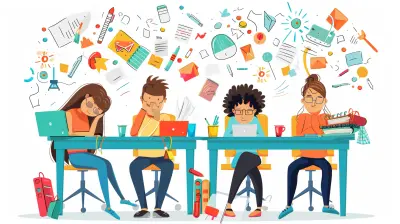
Online learning has exploded in recent years. It’s flexible, accessible, and you can do it in your pajamas while sipping on a latte. But here's the catch—it can also be incredibly isolating. Without the chatter in the hallways, study groups in the library, or quick questions across desks, students might feel like they're tackling their courses on a digital island.
So how do we make online learning feel less like a solo mission and more like a team sport? The answer: peer-to-peer collaboration.
In this post, we’re digging deep into the why, what, and how of encouraging peer-to-peer collaboration in online learning, and why it’s a total game-changer for student success and motivation.
Why Peer-to-Peer Collaboration Matters in Online Learning
Before we dive into strategies, it’s important to understand why peer collaboration is such a big deal. Think about it—would you rather figure out a tough math problem alone or brainstorm with someone bouncing ideas off you?When students collaborate:
- They learn from each other – Everyone has a different perspective or way of understanding a concept.
- It boosts engagement – It’s a lot harder to zone out when your classmates are depending on you.
- Accountability increases – Group work means students are more likely to stay on track.
- It mimics real-world work – Most jobs require teamwork. Getting into the habit now builds valuable soft skills.
So yeah, peer-to-peer collaboration isn’t just a nice-to-have—it’s essential in creating a vibrant and effective online learning environment.
The Challenges of Online Collaboration
Let’s not sugarcoat things. Getting students to collaborate online doesn’t magically happen with a group project and a Zoom link. There are some built-in hurdles:- Lack of connection – Students might not feel comfortable reaching out to peers they’ve never met.
- Time zones and schedules – Coordinating group work across different locations can be a nightmare.
- Uneven participation – We’ve all had that group member who disappears halfway through the project.
- Limited tools or tech savviness – Not everyone has access to or is comfortable with collaboration platforms.
But here’s the good news—these challenges aren’t impossible to overcome. With the right strategies, we can turn these roadblocks into stepping stones.
Strategies for Encouraging Peer-to-Peer Collaboration
Alright, let’s get into the good stuff—how to actually make peer-to-peer collaboration happen effectively in online learning. Whether you're an educator or a student looking to create more connection, these tips will help you foster a collaborative online community.1. Create a Culture of Connection
Before any collaboration can happen, students need to feel like they're part of a community. Think of it like building a fire—you need kindling before you can get a blaze going.So how do you build that connection?
- Kick things off with icebreakers. These aren’t just fluff—they help students see each other as real people.
- Use introduction forums. Let students share where they're from, what they’re studying, and a fun fact.
- Encourage informal chats. A designated “student lounge” forum or group chat can recreate those hallway convos.
When students feel like they know each other, collaboration becomes much more natural.
2. Use Technology That Supports Collaboration
You wouldn’t send a builder to work without a toolbox. The same goes for collaborative learning—students need the right tools.Some great options include:
- Discussion Boards – Great for asynchronous conversations and deeper thinking.
- Google Docs & Slides – Real-time collaboration on projects and presentations.
- Zoom or Microsoft Teams – For video calls, breakout rooms, and live brainstorming.
- Slack or Discord – Casual platforms that make communication feel more like texting your buddy.
But keep it simple. Too many tools can overwhelm students. Choose a few user-friendly platforms and offer tutorials or orientation if needed.
3. Make Group Work Meaningful (and Fair)
Let’s be honest—most people groan at the words “group project.” That’s because, more often than not, they feel forced and unfair. But when done right, group assignments can be truly powerful.Here’s how to make them meaningful:
- Tie them to real-world scenarios. Give students projects that mirror actual challenges in their field of study.
- Allow choice. Let students pick topics or choose between project formats.
- Set clear roles and expectations. Define who does what to keep things balanced.
- Use peer evaluations. This holds everyone accountable and gives students ownership of the process.
When students feel the project is purposeful and the workload is shared, they’re more likely to invest in it.
4. Encourage Peer Feedback
Collaboration isn’t just about working together—it’s also about supporting and improving each other’s work.Peer feedback:
- Helps students reflect on their own learning
- Strengthens critical thinking
- Builds communication skills
- Boosts confidence when done positively
You can structure this by creating rubrics or guiding questions. Make sure to train students on how to give constructive feedback—nobody benefits from a vague “good job!”
5. Foster Consistent Small Group Interactions
Instead of throwing students into new groups every project, consider forming small, consistent learning pods that stick together throughout the course. Why?- It builds trust. Students get to know each other better over time.
- It saves time. No more reintroducing yourselves every few weeks.
- It creates deeper collaboration. Familiarity allows for more open communication and risk-taking.
Think of it like a band—you play better music together when you’ve jammed a few times.
6. Include Collaborative Assessments
To really drive home the importance of collaboration, make it part of the grading.This could mean:
- Group presentations
- Collaborative research papers
- Peer-reviewed blogs or videos
- Group quizzes (yes, really!)
This shifts the mindset from “I’m doing this because I have to” to “I’m doing this because it matters.”
7. Make Time for Reflection
After students collaborate, give them a chance to reflect.Ask questions like:
- What worked well in your group?
- What challenges did you face?
- What would you do differently next time?
- How did your peers influence your understanding?
Reflection deepens learning and makes students more aware of their strengths and areas for growth.
Role of Instructors in Facilitating Collaboration
Teachers aren’t just content deliverers—they're facilitators, cheerleaders, and guides in the online learning world.Instructors can:
- Model collaboration – Let students see you engaging in discussions and responding thoughtfully.
- Create inclusive spaces – Make sure everyone’s voice is heard and valued.
- Provide structure – Set guidelines, timelines, and checkpoints for group work.
- Celebrate collaboration – Highlight great teamwork in announcements or discussion boards.
When students see that collaboration is respected and rewarded, they’re more likely to embrace it.
Making Peer Collaboration Stick: Long-Term Tips
Creating a collaborative environment isn’t a one-and-done kind of thing. It takes ongoing effort to keep that vibe alive.Some long-term practices to consider:
- Gamify collaboration – Use leaderboards, badges, or team challenges.
- Mix up the interaction types – Alternate between synchronous and asynchronous collaboration.
- Gather feedback regularly – Ask students what’s working and what isn’t and adjust accordingly.
- Build in opportunities for peer teaching – Let students lead a class discussion or present on a topic.
Think of building a collaborative classroom like tending to a garden. A little water and sunshine regularly go a long way.
Final Thoughts
Encouraging peer-to-peer collaboration in online learning doesn’t happen by accident. It requires intention, strategy, and a bit of heart. But the payoff? Students who are more engaged, more accountable, and more prepared for the teamwork-driven world they’re headed into.So whether you're designing your next online course or trying to stay connected as a student, remember this: learning is better when we do it together.
Let's ditch the digital islands and start building bridges.
all images in this post were generated using AI tools
Category:
Collaborative LearningAuthor:

Bethany Hudson
Discussion
rate this article
2 comments
Karina Kearns
Great insights on fostering collaboration! Encouraging peer interactions truly enhances the online learning experience and builds a supportive community among learners.
March 3, 2026 at 4:15 AM
Bethany Hudson
Thank you! I’m glad you found the insights valuable. Peer interactions are indeed key to creating a vibrant online learning community!
Vanessa Lozano
Together, we elevate learning—embrace collaboration and watch creativity and understanding flourish!
February 22, 2026 at 5:59 AM
Bethany Hudson
Absolutely! Collaboration sparks creativity and enhances understanding, making learning a richer experience for everyone involved.