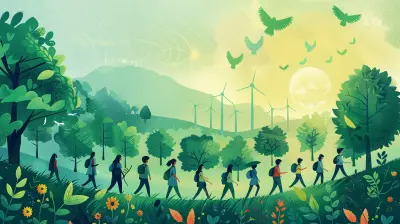
Combating Eco-Anxiety: Helping Students Stay Positive About the Future
14 October 2026
Let’s get real—climate change is scary. ? Melting ice caps, rising sea levels, wildfires, and mass extinctions aren’t just headlines anymore; they’re reality. And for students? It’s more than just a news story. It’s their future. Cue eco-anxiety, the emotional rollercoaster that hits when you start worrying about the planet going downhill.
But hey, here’s the deal: panic won’t save the Earth. Action—and the right mindset—just might.
In this no-fluff guide, we’re diving headfirst into how to help students kick eco-anxiety to the curb and stay pumped about shaping a better tomorrow. ?✨
What the Heck is Eco-Anxiety?
Eco-anxiety is that nagging fear or hopelessness about environmental doom. It’s not made up, and it’s not “just stress.”Students are feeling it big time. They're constantly bombarded with climate warnings and dire predictions. And because they’re the next generation, the pressure’s on their shoulders.
Have you ever seen someone freeze up during an exam? Eco-anxiety is like that—but instead of math problems, it’s the fate of the planet.
Why Students Are So Vulnerable to Eco-Anxiety
Let’s break it down. Students are in this weird in-between zone. They’re old enough to understand what’s happening but often feel too young to make a real difference.Here’s why eco-anxiety hits them hardest:
- They're Still Figuring Life Out
College, careers, relationships—it’s already overwhelming. Now toss in global warming.
- They’re Bombarded with Bad News
Social media algorithms love drama. Climate catastrophes get pushed to the top of their feeds every single day.
- They’re Passionate and Empathetic
This generation cares—and deeply. They’re not okay with sitting on the sidelines.
Sound familiar? You're not alone.
Let’s Talk About the Signs of Eco-Anxiety
So how do you know if a student is struggling with eco-anxiety? Keep an eye out for:- Constant worry or dread about the environment
- A sense of helplessness or guilt
- Trouble focusing on school or day-to-day life
- Avoiding climate-related conversations
- Sleepless nights or anxiety attacks tied to environmental news
This isn’t just teenage angst. It’s a legit mental health concern—and it needs attention.
Step One: Acknowledge It, Don’t Sugarcoat It
The worst thing we can do? Pretend everything’s fine. Students are smart—they’ll see right through that.Instead, normalize the conversation. Let them talk about their fears. Validate their concerns. Say things like, “Yeah, it’s overwhelming sometimes. You’re not alone.”
You wouldn’t tell someone in a burning house to "just stay calm"—you’d help them find a way out.
Shift the Focus: From Doomscrolling to Doing
The media loves apocalyptic headlines. “The Earth is Doomed!” doesn’t exactly inspire hope. But here’s the kicker: Fear without action leads to burnout.What students need instead is empowerment.
✔️ Encourage Solution-Based Thinking
Highlight stories that focus on problem-solvers: innovators developing green tech, communities switching to clean energy, and kids (just like them) leading climate strikes.Ask them:
- “What could you change in your daily life?”
- “What environmental issues matter most to you?”
- “How can your skills make a difference?”
Even a small step forward beats standing still.
Help Students Find Their Climate Superpower
Not everyone has to be Greta Thunberg (though she’s awesome). Activism comes in many forms.? Are they artists? Let them create eco-themed art.
?? Are they techies? Code apps that track carbon footprints.
?️ Are they great communicators? Start a sustainability podcast, or speak at local events.
Find their lane, and help them thrive in it.
Build Resilience with Eco-Education
Think of knowledge like armor. The more students understand the science, the systems, and the solutions, the less scary it all feels.? Make Learning Empowering, Not Paralyzing
Teach environmental science with a twist—focus on how we can fix it, not just how we broke it.Use real-life examples of recovery:
- The ozone layer? Healing.
- Renewable energy? Booming.
- Electric vehicles? Skyrocketing in popularity.
Knowledge is power, but hope is fuel. Give them both.
Create a Safe Space to Talk and Connect
Sometimes, students just need to vent. A journaling workshop. An eco-anxiety support group. A climate café.Let them talk it out without judgment. Let them know it’s okay to not be okay.
Because when you’re surrounded by people who get it, it’s easier to believe in positive change.
Promote Green Habits That Actually Feel Good
Sustainable living doesn’t have to mean going full-on zero-waste warrior (though props to those who do).Start with easy wins:
- Bring a reusable water bottle
- Eat more plants, less meat
- Bike or walk short distances
- Say no to fast fashion
- Plant something (anything!)
These habits reduce anxiety by replacing helplessness with action. Plus, they feel good—like high-fives to the planet. ?
Encourage Climate Optimism (Yes, It’s a Real Thing)
Let’s be clear: Climate optimism isn’t denial. It’s refusing to give up in the face of challenge.According to psychologists, hopeful people are more likely to take action. Optimism is contagious. Students need to hear messages like:
- “We still have time.”
- “Every action counts.”
- “Collective change starts small.”
Remind them that the future isn’t written in stone. It’s in their hands.
Mindfulness and Mental Health: Tools for the Soul
You can’t pour from an empty cup. Climate warriors need rest, too.?♀️ Encourage mindfulness exercises—deep breathing, nature walks, digital detoxes.
? Help them set boundaries—especially with social media and news exposure.
? Connect them to school counselors or mental health resources when needed.
A clear mind fights better than a cluttered one.
School Support Systems Matter—Big Time
If you’re an educator, counselor, or admin, listen up: you’ve got a role to play here.- Integrate environmental education into the curriculum
- Host sustainability-themed events, clubs, and projects
- Provide access to eco-anxiety support services
- Celebrate green champions in your school
Make your campus a launchpad for hope, not just a pressure cooker for grades.
From Eco-Anxious to Eco-Activated
Here’s the truth bomb ?—eco-anxiety isn’t going anywhere. But neither is this generation's passion, creativity, or drive.Eco-anxiety shows they care.
Action shows they believe.
Hope shows they’re unstoppable.
So let’s empower students to take their anxiety and turn it into impact. Because the future they’re scared of? It’s also the future they can change.
Final Thoughts: There’s Power in Purpose
The world needs bold thinkers, fearless doers, and students who don’t just lie awake stressing about rising temperatures—but rise up to cool things down.Let’s stop feeding fear and start fueling fire.
Because when students know their worth and feel their power?
That’s when real climate action begins.
all images in this post were generated using AI tools
Category:
Environmental EducationAuthor:

Bethany Hudson