Creating a Collaborative Learning Culture in Schools
5 July 2026
Building a strong learning community is more than just throwing a group of students or teachers into the same room. Ever wonder why some schools just feel different—more alive, more engaged, more “in it together”? That’s usually because they’ve nailed something called a collaborative learning culture. Sounds fancy, right? But all it really means is creating an environment where everyone—students, teachers, and yes, even administrators—learns with and from each other.
In this post, we’re going to unpack what this culture looks like, why it matters, and most importantly, how to create it. So grab a coffee (or your drink of preference), and let’s dig in.
What Is a Collaborative Learning Culture Anyway?
Let’s break it down. “Collaborative” means working together. “Learning” is pretty self-explanatory. And “culture”? That’s the vibe, the shared beliefs, the unspoken rules that shape how people act and interact in a school.So together, a collaborative learning culture is an environment where everyone—students, teachers, and staff—are actively contributing to each other's growth. It’s not top-down; it’s more like a round table. Everyone has a voice. Everyone matters.
It’s not about dumping knowledge into students’ heads. Nope. It’s about building knowledge together. Imagine a classroom where students ask questions, challenge ideas, build on each other’s thoughts. Imagine a staff room where teachers are excited to share what worked in their lessons and learn from their peers, not just a place for coffee and complaints.
Why a Collaborative Learning Culture Matters
Now here’s the million-dollar question—why should we care? What difference does it make?1. Students Feel Valued and Engaged
When students collaborate, they’re not just listening—they’re participating. They’re thinking critically, problem-solving, and communicating their ideas. That kind of engagement leads to deeper learning and better retention.And let’s be honest: working together is a life skill. Whether they become doctors, designers, or digital nomads, your students will need to know how to collaborate.
2. Teachers Become Lifelong Learners
Schools aren’t just for kids. Teachers are learners too. A collaborative culture helps educators feel motivated, supported, and less isolated. Regular team meetings, peer reviews, and shared planning time make a world of difference.It transforms a staff of individual teachers into a teaching team.
3. A Stronger Sense of Community
When everyone’s learning together, something magical happens. There's more empathy. More communication. Fewer silos. Basically, you’re not just building better learners—you’re building better people.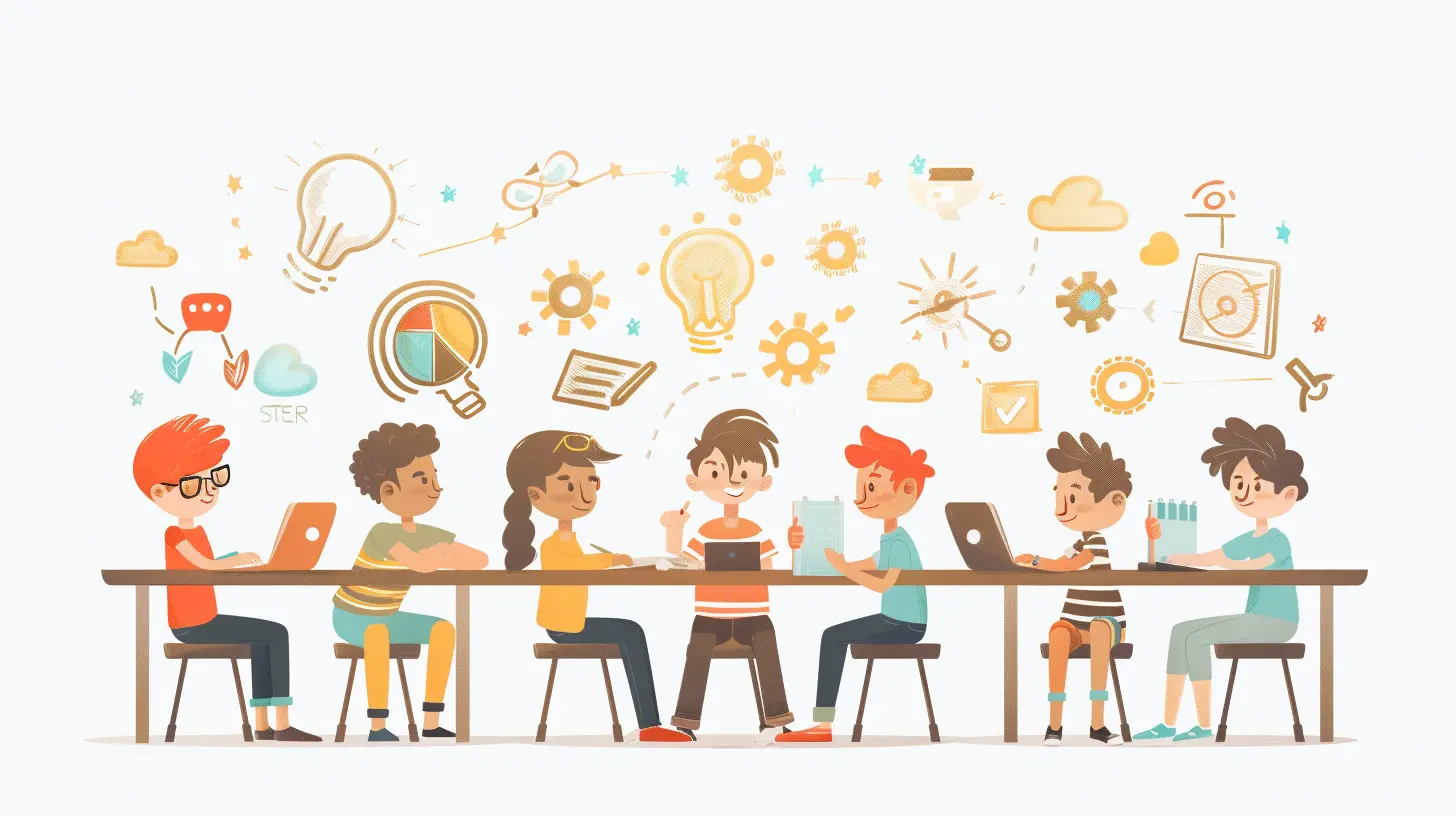
The Core Ingredients of a Collaborative Learning Culture
Let’s talk ingredients—because like baking a cake, you need the right mix.1. Trust and Psychological Safety
This one’s big. People won’t share ideas or ask for help if they’re scared of being judged. Students need to feel safe making mistakes, and teachers need to feel safe experimenting with new methods.In a psychologically safe environment, it's okay to say, “I don’t know,” or “Let’s figure this out together.”
2. Open Communication
No one likes being left in the dark. Clear, honest, and two-way communication is key. That means regular check-ins, meaningful feedback, and encouraging everyone to speak up—not just the loudest voices in the room.3. Shared Goals
You can’t collaborate if you’re running in different directions. A shared vision—whether it’s boosting student engagement, integrating tech, or improving test scores—gives the whole team a reason to work together.4. Mutual Respect
Sounds basic, but it’s crucial. Students need to respect teachers. Teachers need to respect students. And across the board, everyone should respect each other's time, ideas, and experiences.
Practical Strategies to Foster Collaboration
Okay, let's get down to brass tacks. How do we actually build this culture in real life? Here are some tried-and-true strategies that schools can implement.1. Project-Based Learning (PBL)
This is a great one for students. In PBL, students work in teams to solve real-world problems. It teaches collaboration, creativity, and critical thinking—all in one shot. Plus, it gives them ownership of their learning.Is it messy? Sometimes. But learning often is. And that’s okay.
2. Professional Learning Communities (PLCs)
Teachers need their own space to collaborate too. Enter PLCs. These small, focused groups of educators meet regularly to share best practices, look at student data, and support one another. It’s like a teacher book club—but with lesson plans and data charts.3. Student Voice and Choice
If students feel like their opinions matter, they’ll be more invested. Let them weigh in on class rules, choose topics for assignments, or even help design parts of the curriculum. It may sound small, but it’s powerful.4. Peer Teaching and Cross-Age Mentoring
This one's a win-win. Older students can mentor younger ones. Struggling students can teach concepts they've recently mastered. When you teach someone else, you understand it more deeply.It also builds confidence and empathy across age groups.
5. Collaborative Tech Tools
Zoom, Google Docs, Padlet, Flipgrid… Technology, when used right, can be a game-changer. Collaborative tools allow students (and teachers) to work together in real time—even if they’re not in the same room.Just don’t let tech replace the human element. It should support collaboration, not replace it.
Overcoming the Common Roadblocks
Let’s be real—not everyone’s going to be on board right away. Creating a collaborative culture isn’t always smooth sailing. So what are the common bumps in the road?1. Resistance to Change
Some people like the way things have always been. Change is hard, especially when it feels like more work. The key is to start small. Show quick wins. Celebrate progress.2. Time Constraints
Teachers are busy. Like, really busy. So carving out time for collaboration might feel impossible. The trick is to integrate it into existing structures. Turn a staff meeting into a working session. Use lunch breaks wisely. Even 15 minutes can spark something valuable.3. Lack of Support from Leadership
All the passion in the world won’t matter if school leadership isn’t on board. Administrators need to model collaboration themselves and provide the tools, time, and resources to make it stick.Cultivating Collaboration from Day One
Creating a culture doesn’t happen overnight. But you can plant the seeds from day one.Start with Onboarding
New teachers should immediately feel part of the collaborative culture. That means pairing them with mentors, inviting them to PLCs, and encouraging open dialogue from the get-go.Embed Collaboration in Your Curriculum
Make collaboration a learning objective. Grade it. Talk about it. Celebrate teamwork as much as test scores.Reflect and Adjust
Here's a truth bomb: You won’t get it perfect. That’s okay. What matters is that you keep trying, reflecting, and fine-tuning your approach.Ask your students and staff, “What’s working? What’s not?” Then actually listen to their feedback.
Real-Life Success Stories
Let’s finish on a high note. Here are two schools that totally nailed it.Example 1: The Power of Student-Led Conferences
One elementary school replaced traditional parent-teacher conferences with student-led ones. Students presented their work, shared goals, and reflected on progress. It was awkward at first, sure. But the result? Students took ownership. Parents got deeper insight. And teachers truly became learning partners.Example 2: A Culture of Peer Observations
A high school implemented a system where teachers observed each other’s lessons—not to critique, but to learn. These peer observations sparked new ideas, built trust, and turned an otherwise scattered staff into a tight-knit team.Final Thoughts: It’s a Marathon, Not a Sprint
Creating a collaborative learning culture in schools isn’t some checkbox you can tick off. It’s a journey. A mindset. A way of being. It takes time, energy, and a whole lot of patience.But the payoff? Oh, it’s worth it.
Because when students feel seen, teachers feel supported, and schools hum with the rhythm of shared purpose—well, that’s when magic happens.
So start small. Take one idea from this article and try it. See what happens. Then build from there.
And remember, you're not just changing how people learn—you’re changing how they live, grow, and connect. And that, my friend, is the real heart of education.
all images in this post were generated using AI tools
Category:
Collaborative LearningAuthor:

Bethany Hudson
Discussion
rate this article
1 comments
Maris Jenkins
Fostering a collaborative learning culture transforms classrooms. Encourage open dialogue among students and teachers, promote team projects, and celebrate diverse ideas. This approach not only enhances understanding but also builds essential social skills, preparing students for real-world teamwork and challenges.
July 9, 2026 at 11:59 AM