Cultivating Eco-Conscious Classrooms for a Greener Future
1 September 2026
The world is changing, and so should our classrooms! Every little action we take today will shape the planet for future generations. So, why not start with where young minds grow and learn—the classroom?
Creating an eco-conscious classroom isn’t just about putting up a few recycling bins or turning off the lights when you leave the room. It’s about fostering a mindset that prioritizes sustainability, responsibility, and care for the environment. And guess what? It can be fun, engaging, and even surprising at times!
So, if you're a teacher, student, or even a parent looking to spark positive environmental change, this guide is for you. Let's dive into some game-changing ways to cultivate an eco-conscious classroom while keeping it light, interactive, and meaningful. 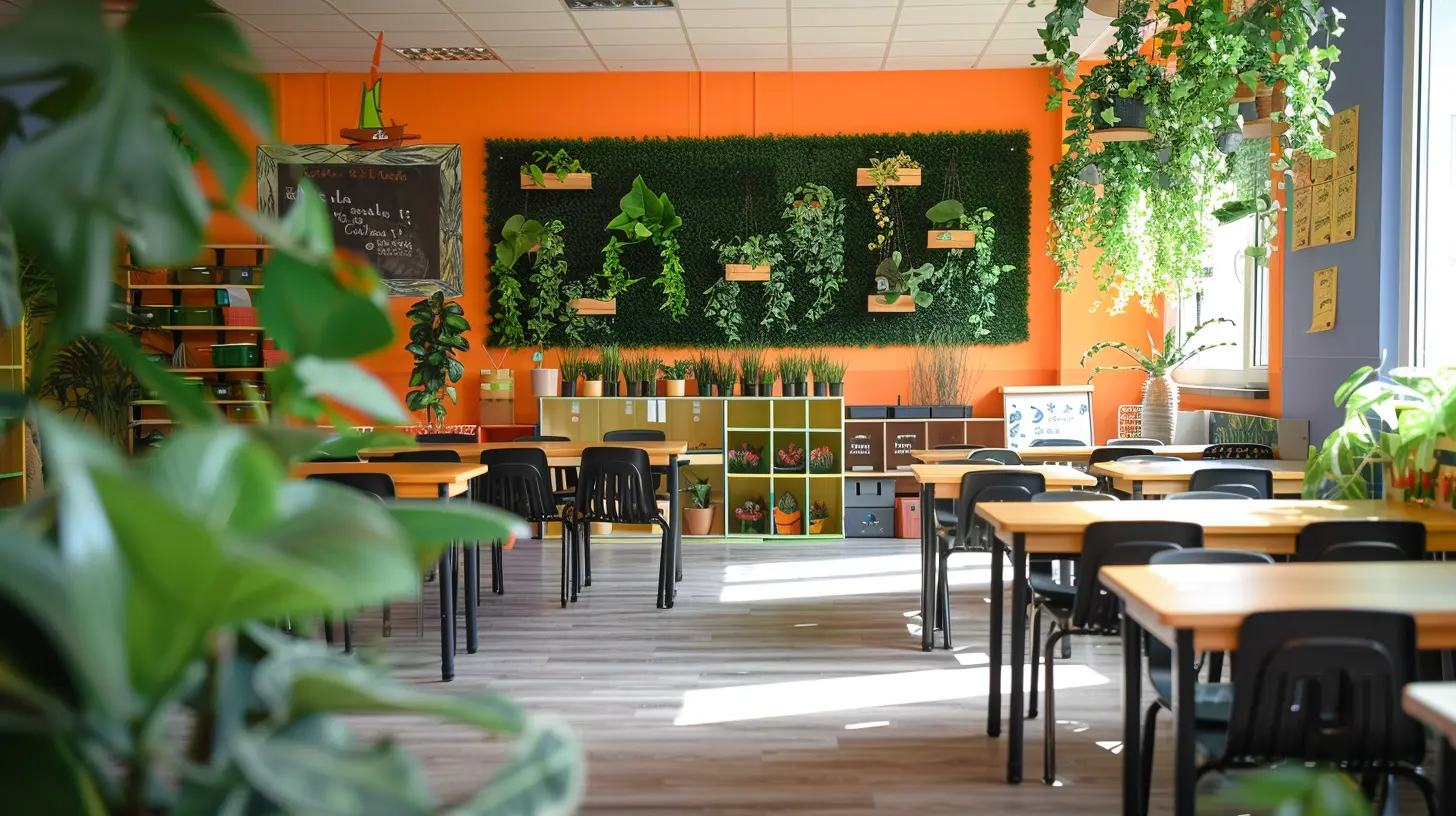
? Why Should Classrooms Go Green?
Before we jump into the “how,” let’s talk about the “why.”- Environmental Impact: Schools use a lot of resources—paper, energy, water, and more. By making small changes, classrooms can significantly cut down waste and reduce their carbon footprint.
- Life Lessons: Encouraging students to care about their surroundings teaches them lifelong habits that extend beyond the classroom.
- Healthier Learning Spaces: A greener classroom means better air quality, less exposure to toxins, and an overall healthier environment for both students and teachers.
Now that we’re all on the same page, let’s get into the fun stuff—HOW to make your classroom more sustainable! 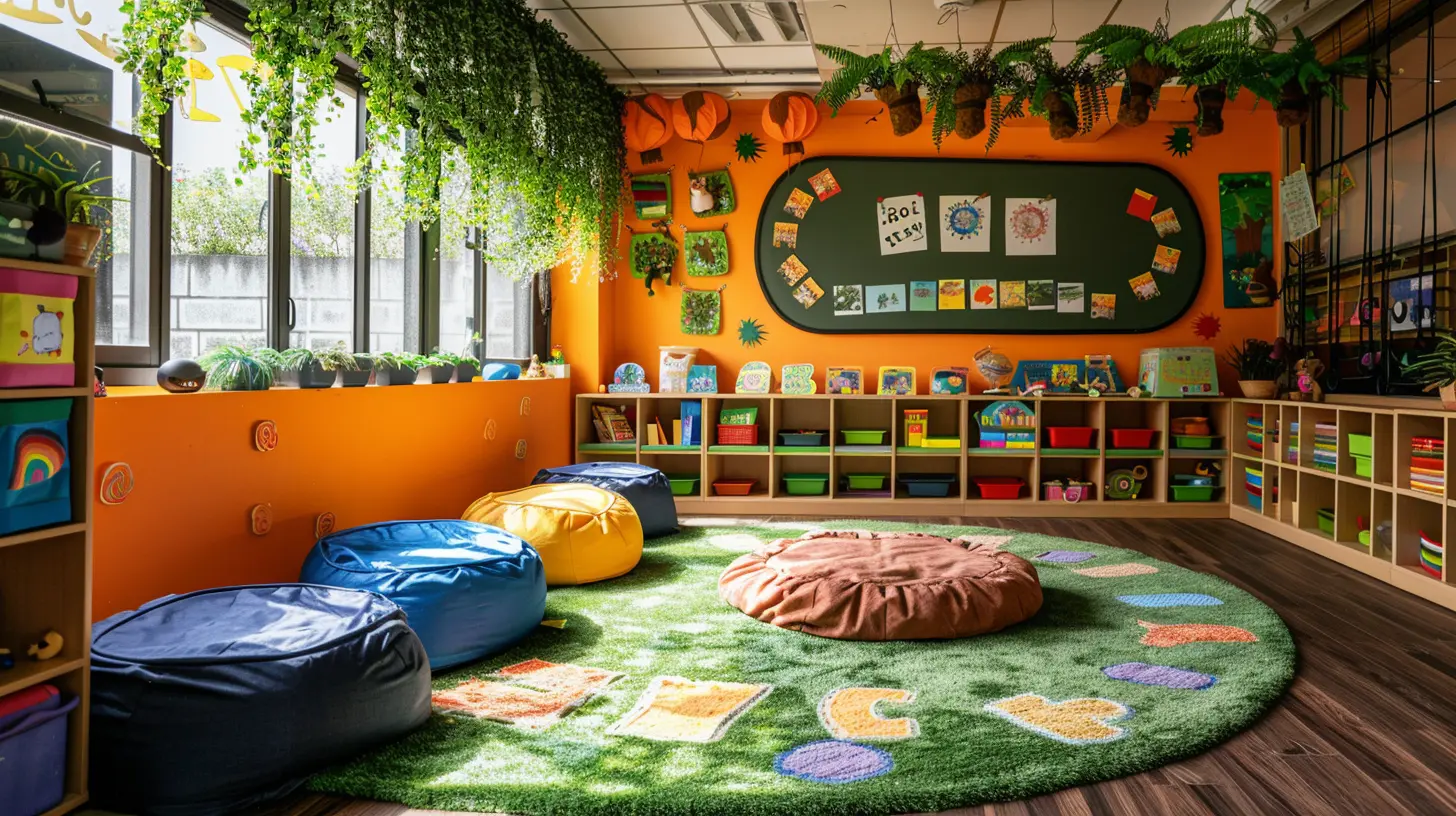
? Step 1: Reduce, Reuse, Recycle—The Classic Trio
If there’s one rule every eco-friendly classroom should follow, it’s this: Reduce, Reuse, Recycle.✂️ Reduce Waste
- Go digital! Instead of printing worksheets, utilize online platforms for assignments and activities.- Encourage students to bring reusable water bottles instead of single-use plastic ones.
- Turn off lights and electronics when not in use (yes, even that projector that seems to stay on all day!).
? Reuse Supplies
- Use both sides of the paper before recycling it.- Keep a “scrap bin” for leftover craft materials—today's leftover paper can be tomorrow’s art masterpiece!
- Have a classroom “supply swap” where students can donate and exchange gently used school supplies.
♻️ Recycle Properly
- Set up clearly labeled recycling bins for paper, plastic, and other recyclables.- Teach students about proper recycling—did you know a greasy pizza box can’t be recycled?
- Partner with local recycling programs for hands-on learning experiences.
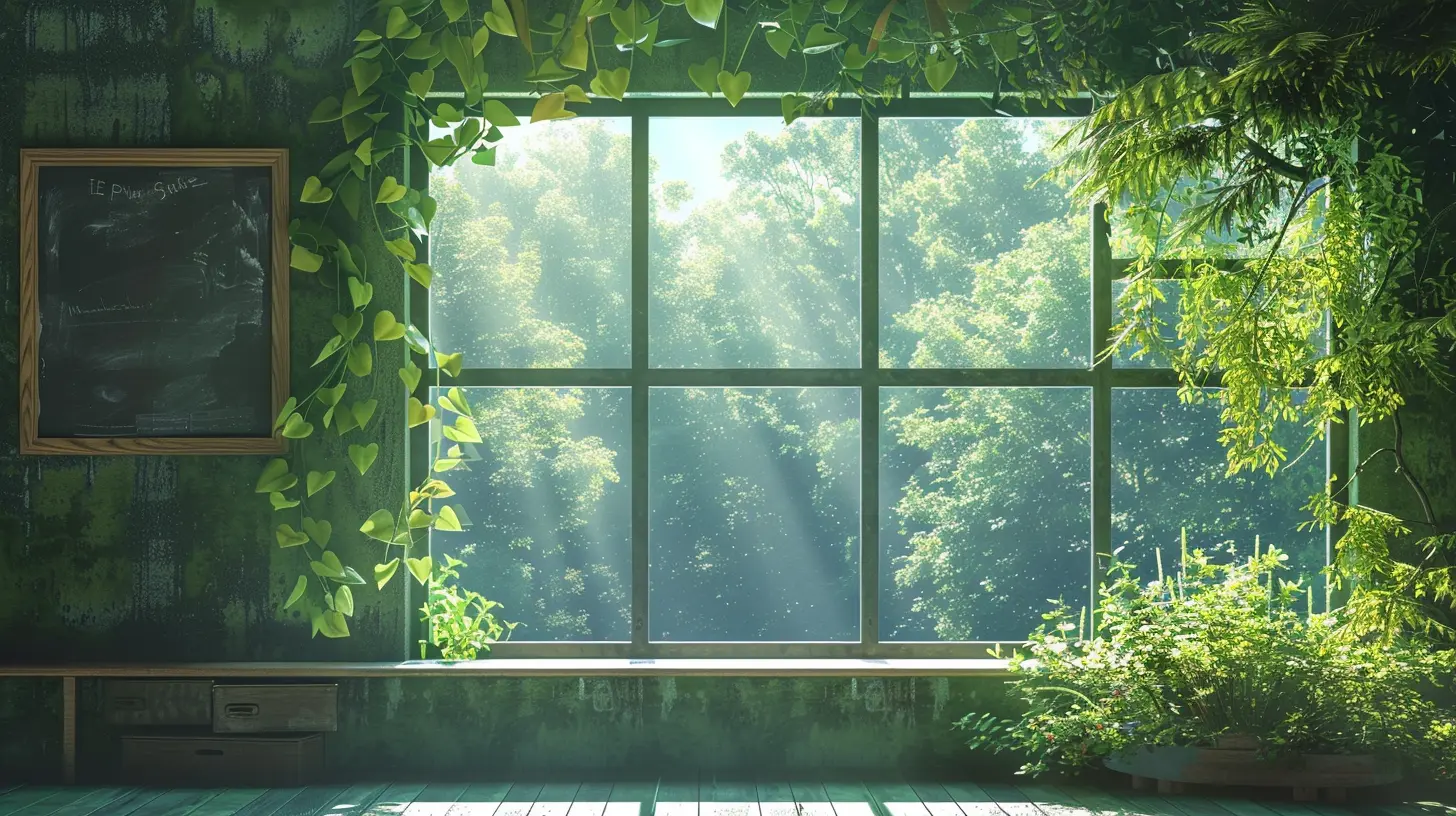
? Step 2: Make Nature Part of the Classroom
There's something magical about bringing nature into the learning space. Not only does it create a calming atmosphere, but it also helps students connect with the environment in a more hands-on way.? Indoor Plants for Cleaner Air
Ever feel like the classroom air gets a little…stuffy? Add some indoor plants! They act as natural air purifiers and bring a fresh, vibrant feel to the space. Low-maintenance plants like snake plants, pothos, or spider plants are perfect for classrooms.? Outdoor Learning Activities
- Organize nature walks where students observe and journal their findings.- Start a small class garden—herbs and flowers grow quickly and are easy to manage!
- Incorporate outdoor reading or science lessons to foster a deeper appreciation for the environment.
? Encourage Wildlife-Friendly Spaces
- Place bird feeders outside classroom windows and observe the different species that visit.- Plant pollinator-friendly flowers in the schoolyard to support bees and butterflies.
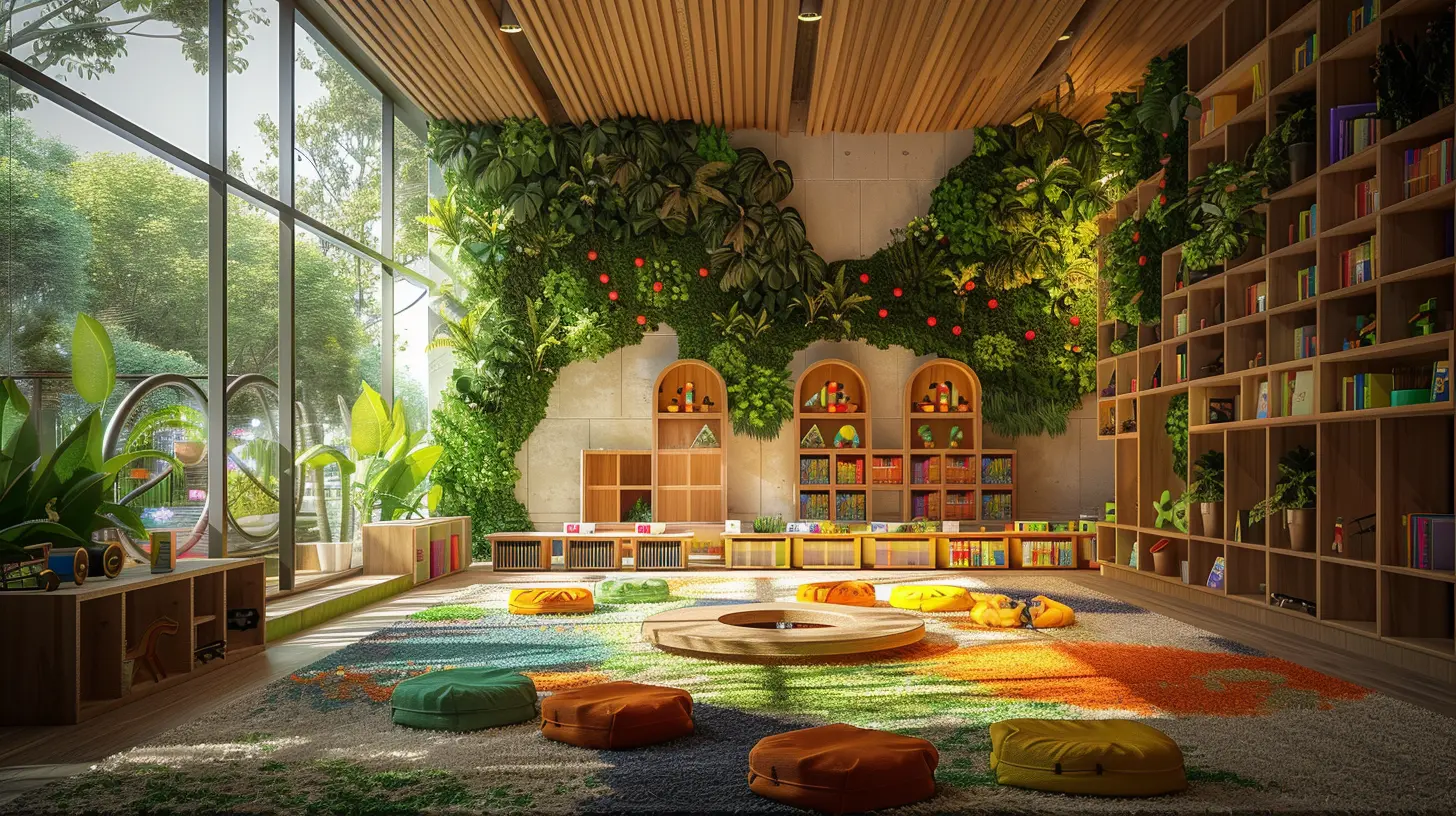
? Step 3: Incorporate Eco-Friendly Learning Activities
Teaching sustainability doesn’t have to be a boring lecture. In fact, it can be full of creativity, competition, and hands-on fun!? Green-Themed Lessons
Integrate environmental topics into the curriculum. Whether it’s through reading assignments, science experiments, or history lessons, sustainability can easily fit into any subject.? Eco-Friendly Arts & Crafts
Who says you need brand-new supplies for creativity? Get crafty with recycled materials! Students can make sculptures from old boxes, design posters from magazine clippings, or even create “trash-to-treasure” projects.? Sustainability Challenges
Turn being eco-conscious into a game!- Challenge students to go a whole week without using disposable plastic.
- Have a “waste-free lunch” competition.
- Keep track of how much paper the class saves in a month and set a goal to reduce it further.
⚡ Step 4: Energy Efficiency in the Classroom
Wasting energy is like throwing money (and resources) out the window. Luckily, making a classroom energy-efficient isn’t all that complicated.? Use Natural Light
Maximize daylight whenever possible—open blinds and let the sun do its thing! Natural light not only saves electricity but also boosts students' productivity and mood.? Unplug When Not in Use
Encourage students to turn off devices and lights when they’re not needed. Even small actions, like unplugging chargers when not in use, can make a difference.?️ Temperature Control
- Instead of blasting heating or AC, dress for the season (extra sweaters for winter, lighter clothing for summer!).- Use door draft stoppers to keep warm or cool air from escaping.
? Step 5: Get Students Involved in Community Initiatives
The best way to foster a long-lasting love for the environment? Get students actively engaged in real-world sustainability efforts!? Participate in Local Clean-Up Events
Organize a class field trip to clean up a local park or beach. It’s both educational and a fun way to give back to the community.? Tree Planting Projects
Connect with local organizations that offer tree-planting programs. Students will love getting their hands dirty for a meaningful cause.? Create a "Green Team"
Form a classroom or school-wide "Green Team" where students can brainstorm and lead environmental initiatives. Projects could include reducing cafeteria waste, starting a compost program, or even advocating for greener school policies!? Conclusion: Small Steps Lead to Big Changes
Creating an eco-conscious classroom isn’t about perfection—it’s about progress. Small changes, when done consistently, add up to significant results over time. Plus, when students develop sustainable habits at a young age, they carry them into adulthood, influencing future generations.So, whether it’s switching to reusable materials, adding a few plants, or leading by example, every effort counts. Let’s plant the seeds for a greener future, one classroom at a time!
### What’s one eco-friendly change you’ll implement in your classroom today? Let us know in the comments!
all images in this post were generated using AI tools
Category:
Environmental EducationAuthor:

Bethany Hudson
Discussion
rate this article
1 comments
Davina Franklin
Teach green, thrive future.
September 29, 2026 at 4:22 AM