Effective Emergency Preparedness Strategies for Schools
14 December 2025
In today’s world, where unpredictability is part of our daily lives, being ready for emergencies isn’t just a “nice to have”—it’s a necessity. And when it comes to our kids, well, there's no room for cutting corners. Schools are places of learning, safety, and growth, but emergencies can shatter that safe space in the blink of an eye.
That's why solid, foolproof emergency preparedness strategies aren’t just important—they're absolutely critical. If you're a school administrator, teacher, parent, or student, this article is for you. We'll walk through clear, actionable strategies that can make a world of difference when the unexpected strikes.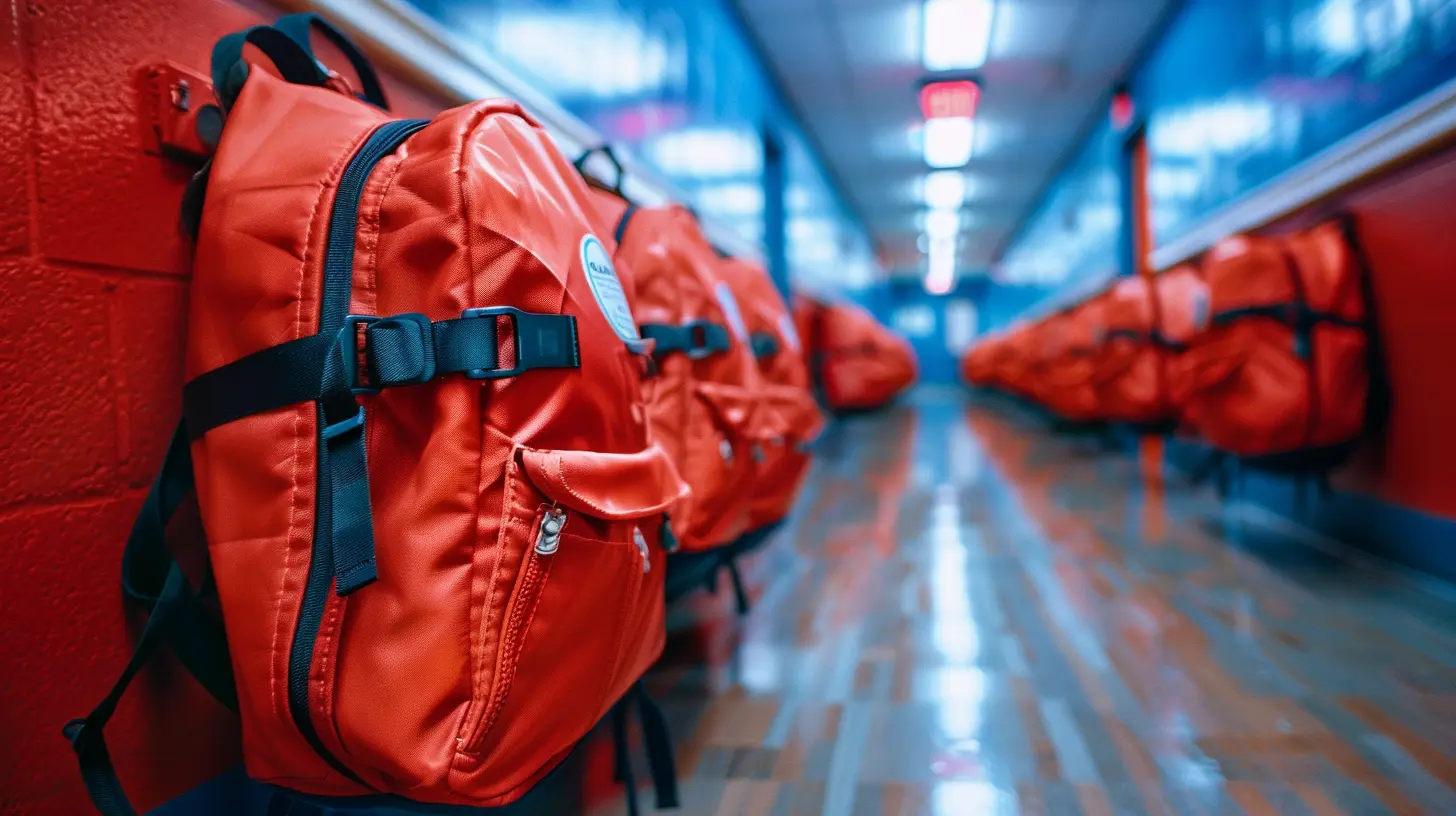
Why Emergency Preparedness in Schools Matters
Let’s face it—schools aren't immune to emergencies. Whether it’s a natural disaster like a hurricane, an earthquake, or man-made crises like fires or intruders, preparation can mean the difference between chaos and calm.Think about it like this: Would you ever step onto an airplane knowing there wasn’t a safety protocol or trained pilot? Of course not. The same logic applies here. Kids spend nearly one-third of their day in school. Shouldn’t their safety be at the very top of our priority list?
Types of Emergencies Schools Should Prepare For
Before diving into strategies, it’s crucial to understand what kinds of emergencies schools typically face. Preparation without context is like trying to solve a puzzle without seeing the picture on the box.Here are some common emergencies schools should plan for:
- Natural Disasters: Earthquakes, floods, tornadoes, wildfires, hurricanes
- Fires: Both external and internal
- Medical Emergencies: Asthma attacks, allergic reactions, injuries
- Violent Incidents: Active shooter situations, intruders, fights
- Chemical or Biological Hazards: Gas leaks, hazardous spills
- Utility Failures: Power outages, water supply interruptions
Building a Strong Emergency Preparedness Plan
Now, let’s talk strategy. A school emergency plan shouldn’t be a dusty document hidden in a drawer. It should be a living, breathing system that everyone—from the janitor to the principal—is familiar with.1. Involve the Whole Community
Emergency preparedness isn’t a one-person job. It’s a team effort. Engage teachers, parents, administrators, students, and even local law enforcement and emergency responders.Hold regular planning meetings. Not just once a year—make this a routine part of school culture. Ask:
- What emergencies are most likely in our area?
- How quickly can we respond?
- What resources do we have (or lack)?
- What’s our communication plan?
The more voices involved, the more thorough and effective the plan becomes.
2. Create Detailed Response Protocols
Every possible emergency scenario should come with a step-by-step response protocol. Think flowcharts, checklists, and clear roles.For example:
- During a fire drill: Who pulls the alarm? Who checks the bathrooms? Who contacts emergency services?
- In case of a lockdown: Who secures the classroom? What signals should staff listen for?
Keep it simple, yes—but don’t leave room for uncertainty. Everyone should know what to do and when to do it.
3. Practice Makes Perfect: Regular Drills and Simulations
Reading a plan isn’t enough. Just like you can’t learn to swim from a manual, you can’t expect staff and students to react appropriately without practice.Run regular drills:
- Fire drills: Monthly or quarterly
- Lockdown drills: At least twice a year
- Earthquake or severe weather drills: Based on regional risks
Use age-appropriate explanations for students. You don’t want to scare them—you want to empower them. Treat drills like rehearsals. The more you do them, the more automatic the response becomes.
4. Train the Staff—And Keep Training
Training isn’t a one-and-done deal. Staff turnover happens. Policies evolve. Emergencies change in nature.Make sure every member of staff is trained in:
- First aid and CPR
- Emergency evacuation procedures
- Communication and coordination during crises
- How to handle students with special needs during an emergency
Encourage staff to attend workshops, refresher courses, or even partner with local emergency services for hands-on training sessions.
5. Include Students in the Preparedness Process
Kids are smarter and more capable than we often give them credit for. Rather than shielding them from the topic, involve them in age-appropriate ways.Create student-led safety committees. Show them how to recognize adult leaders during emergencies. Walk them through procedures with clear, comforting language. It's like teaching someone to drive—they won't need it every day, but when they do, they'll be prepared.
Communication Is Everything
If there’s one thing that can completely derail an emergency response, it’s poor communication.1. Use Multi-channel Communication Systems
Don’t rely on just one method. Use:- PA systems
- Text/email alerts
- Mobile apps
- Social media
- Classroom intercoms
Have backups for your backups. What if the power goes out? What if cell networks are down?
2. Keep Parents Informed
In an emergency, parents will panic. And who can blame them?Keep parents in the loop with:
- Timely alerts
- Regular newsletters explaining emergency plans
- Clear pick-up and reunification procedures after emergencies
If parents know you’ve got a solid plan, they’ll trust your ability to keep their kids safe.
Addressing Mental Health Before and After Emergencies
Let’s not underestimate this: emergencies can be traumatic, especially for children.A robust emergency strategy also includes a post-incident plan. That means:
- Providing access to counselors
- Holding debrief sessions
- Monitoring behavior changes
- Encouraging open conversations about feelings
Your emergency plan should care for hearts and minds—not just bodies.
Emergency Supplies and Safety Equipment
You wouldn’t go camping without gear, right? Same goes for school emergencies.Here’s what your school should always have on hand:
- First aid kits in every classroom
- Emergency food and water (at least 72 hours per person)
- Flashlights, batteries, and backup power banks
- Communication tools (walkie-talkies, satellite phones)
- Sanitation supplies (especially if stuck indoors for a long time)
- Maps, evacuation plans, and safety manuals in every room
Each classroom should have a "Go Bag" with essential supplies, including any personalized medical needs for students (like EpiPens or inhalers).
Planning for Students With Special Needs
Not every student can evacuate with the same ease. Make sure your emergency plans are inclusive.Have personalized emergency response plans for students with:
- Mobility challenges
- Visual or hearing impairments
- Behavioral or developmental conditions
- Medical dependencies (e.g., insulin, oxygen)
Assign responsible staff members to assist these students. Practice scenarios with them. Their safety is just as vital, and it deserves the same level of thought and care.
Reunification: Getting Kids Back to Their Families
A commonly overlooked piece of emergency planning is what happens after evacuation.Establish a reunification process that’s:
- Fast and organized
- Secure (IDs must be verified)
- Sensitive to emotional needs
Create a dedicated reunification site away from the hazard zone and communicate that location to all parents ahead of time. This step eases panic, avoids crowd chaos, and ensures each child returns safely to their family.
Review and Revise: Don’t Let Plans Gather Dust
An emergency preparedness plan isn’t a one-time project. It must evolve.Review your protocols at least once a year. Ask:
- What worked well during drills or real incidents?
- What needs improvement?
- Are roles still properly assigned?
- Have regulations or school layouts changed?
Gather feedback from staff and students. Emergency plans should be living documents that reflect the current reality—not last year’s problems.
Digital Tools and Technology in Emergency Planning
We live in a digital age. Use it to your advantage.Here are a few tools that can add smart layers to your preparedness:
- Emergency notification apps (like Remind or School Messenger)
- Digital attendance trackers during evacuations
- Mapping software to optimize evacuation routes
- Virtual training modules for staff and students
Tech can’t replace human instinct, but it can support it with speed, accuracy, and reach.
Conclusion: Hope for the Best, Prepare for the Worst
We can’t predict the future, but we can prepare for it.Effective emergency preparedness strategies for schools are more than policies—they're promises. Promises that students are protected, staff are supported, and families are informed. Sure, we hope you never have to use these plans. But if you do, you’ll be grateful you took the time to get it right.
Remember: The calm in the storm isn’t the absence of danger; it’s the presence of well-practiced plans.
Let’s build safer schools, one preparedness plan at a time.
all images in this post were generated using AI tools
Category:
School SafetyAuthor:

Bethany Hudson
Discussion
rate this article
2 comments
Korian Moses
Effective emergency preparedness in schools hinges on proactive planning, continuous training, and community involvement. Prioritizing clear communication and regular drills not only equips staff and students with essential skills but also fosters a culture of resilience, ensuring a cohesive response during crises. Collaboration is key to success.
December 25, 2025 at 4:17 AM
Bethany Hudson
Thank you for your insightful comment! I completely agree that proactive planning, training, and community involvement are critical components of effective emergency preparedness in schools.
Thea Ortiz
Great insights! Implementing proactive emergency preparedness strategies is essential for schools to ensure student safety and foster a secure learning environment. Thorough planning makes all the difference!
December 14, 2025 at 4:36 AM
Bethany Hudson
Thank you! I completely agree—proactive planning is vital for ensuring student safety and creating a secure learning environment.