Engaging Students with Hands-On Environmental Projects
27 July 2026
Let’s face it—when it comes to learning about the environment, textbooks alone don’t always cut it. Sure, they give students the facts, but what about the curiosity, the connection, the "aha!" moments? That’s where hands-on environmental projects come in and save the day. They’re not just educational—they're immersive, meaningful, and even fun.
In this article, we’ll dive into why these types of projects are a game-changer for student engagement, how educators can implement them seamlessly, and some real-world project ideas to get those young minds buzzing. So, whether you're a teacher looking for fresh inspiration or a parent curious about getting your child more involved, keep reading—you’re in the right place.
Why Hands-On Learning Just Works
Think back to your own school days. What lessons stuck with you the most? Chances are, it was something you did rather than something you read. That’s the magic of experiential learning—it transforms information from something abstract into something tangible. And when you apply this to environmental education? That’s when the real transformation begins.Hands-on projects give students the opportunity to interact with the environment directly. It grounds the concepts they learn in class into real-world scenarios, making everything from climate change to water conservation feel relevant, pressing, and solvable. And let’s be honest, who wouldn’t want to be part of the solution?
The Benefits of Hands-On Environmental Projects
Alright, so we’re sold on the idea. But what exactly are the benefits?1. Makes Learning Sticky (In a Good Way)
When students physically engage with a task, their brains light up in all the right places. They’re not just memorizing—they’re internalizing. By planting a garden or testing water quality, students grasp complex topics like ecosystems and pollution at a much deeper level.2. Sparks Curiosity and Creativity
These projects often leave room for exploration, problem-solving, and even a bit of trial and error. That kind of creative freedom can turn a student from passive observer to passionate investigator. They’re not just learning—they’re discovering.3. Builds Real-Life Skills
From teamwork and communication to critical thinking and project management, these activities equip students with skills they’ll use for the rest of their lives. Plus, there’s something incredibly empowering about solving a real-world problem, no matter how small.4. Cultivates Environmental Stewardship
When students see firsthand how their actions affect the planet, they’re more likely to care. That sense of ownership can lead to long-term behavioral changes—a win for both the student and the Earth.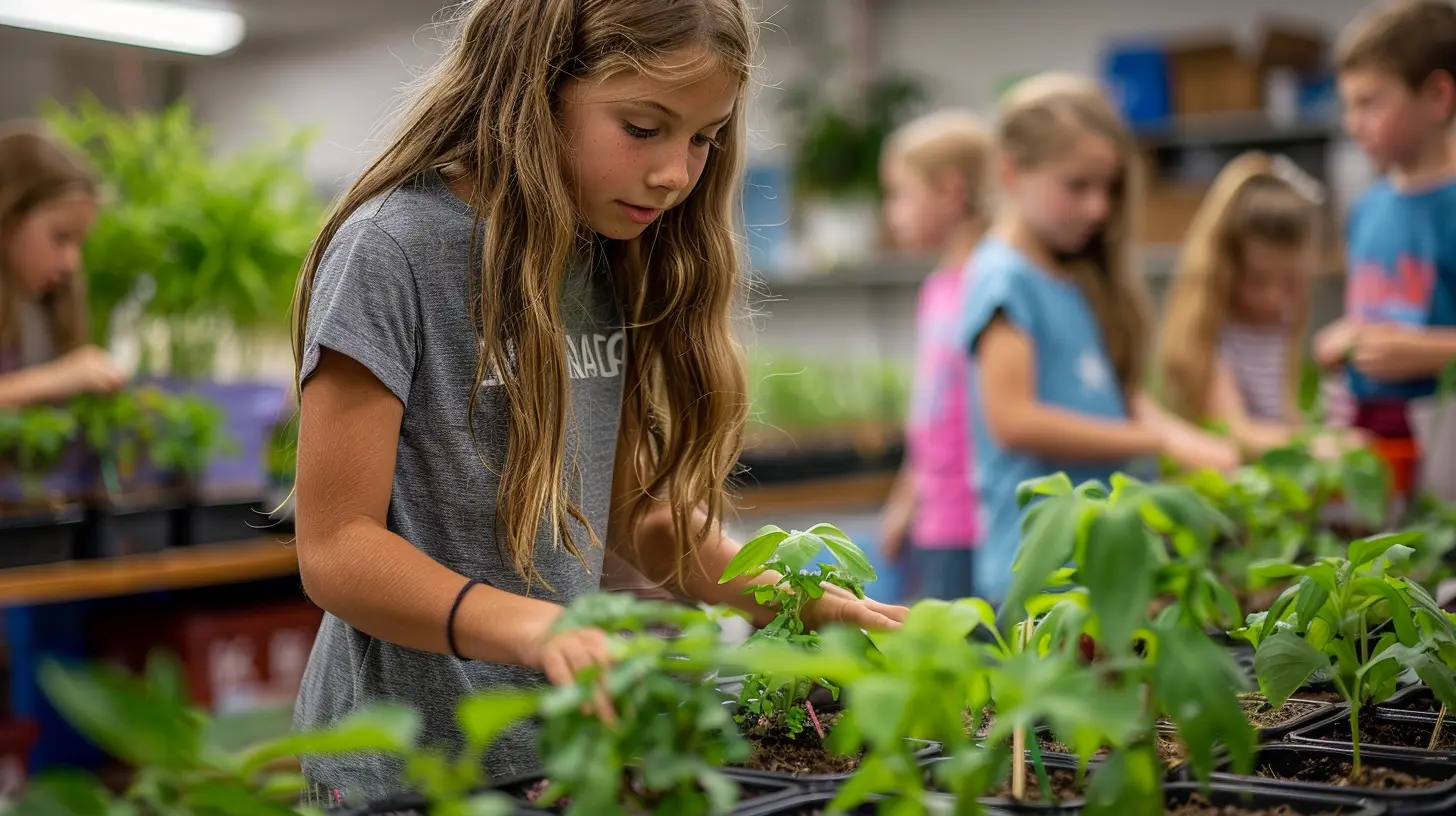
How to Introduce Environmental Projects into the Classroom
So, how do you bring these projects to life without completely overhauling your curriculum or breaking the budget? Good news: it’s easier than you might think.Start Small
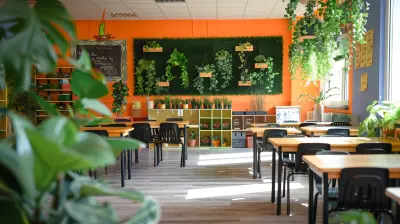
Not every project needs to be a full-scale restoration effort. Even small activities like building a birdhouse, auditing classroom waste, or planting herbs on a windowsill can make an impact. The key is consistency and relevance.Align with Curriculum Goals
Environmental projects don't have to be "extra." You can blend them right into science, geography, math, or even art lessons. For instance, a project on measuring rainfall patterns ties perfectly into both math and environmental science.Encourage Student-Led Initiatives
Give students a voice. When they choose the project themselves, they tend to be more invested. You might just be surprised by the ideas they come up with.Partner with Local Organizations
Community groups, environmental NGOs, and even local businesses can be valuable partners. They sometimes offer materials, guidance, or even guest speakers—all of which can enrich your project.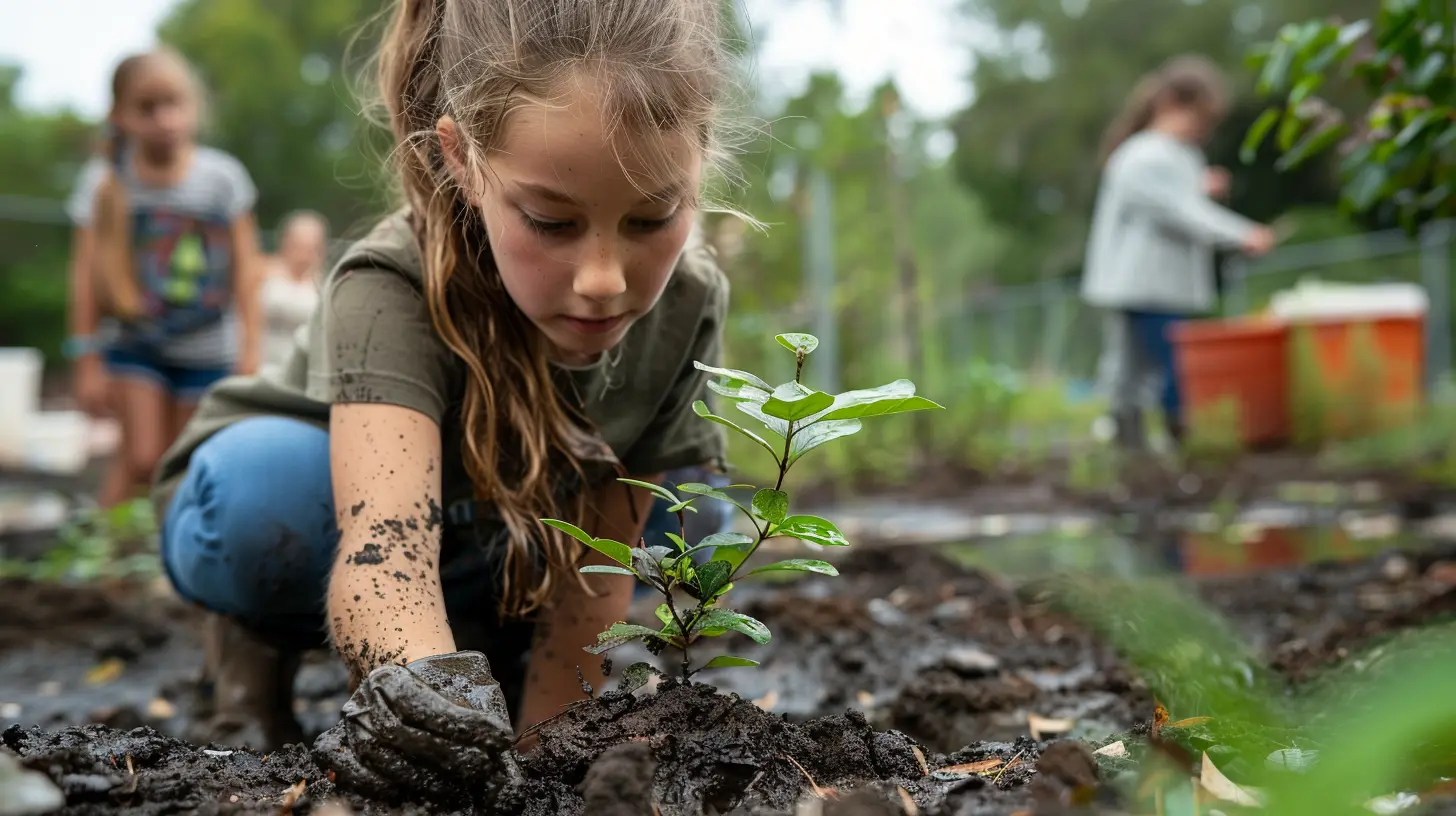
Hands-On Project Ideas That Actually Work
Let’s get to the fun part—project ideas! These can work across different age groups and settings.1. School Garden
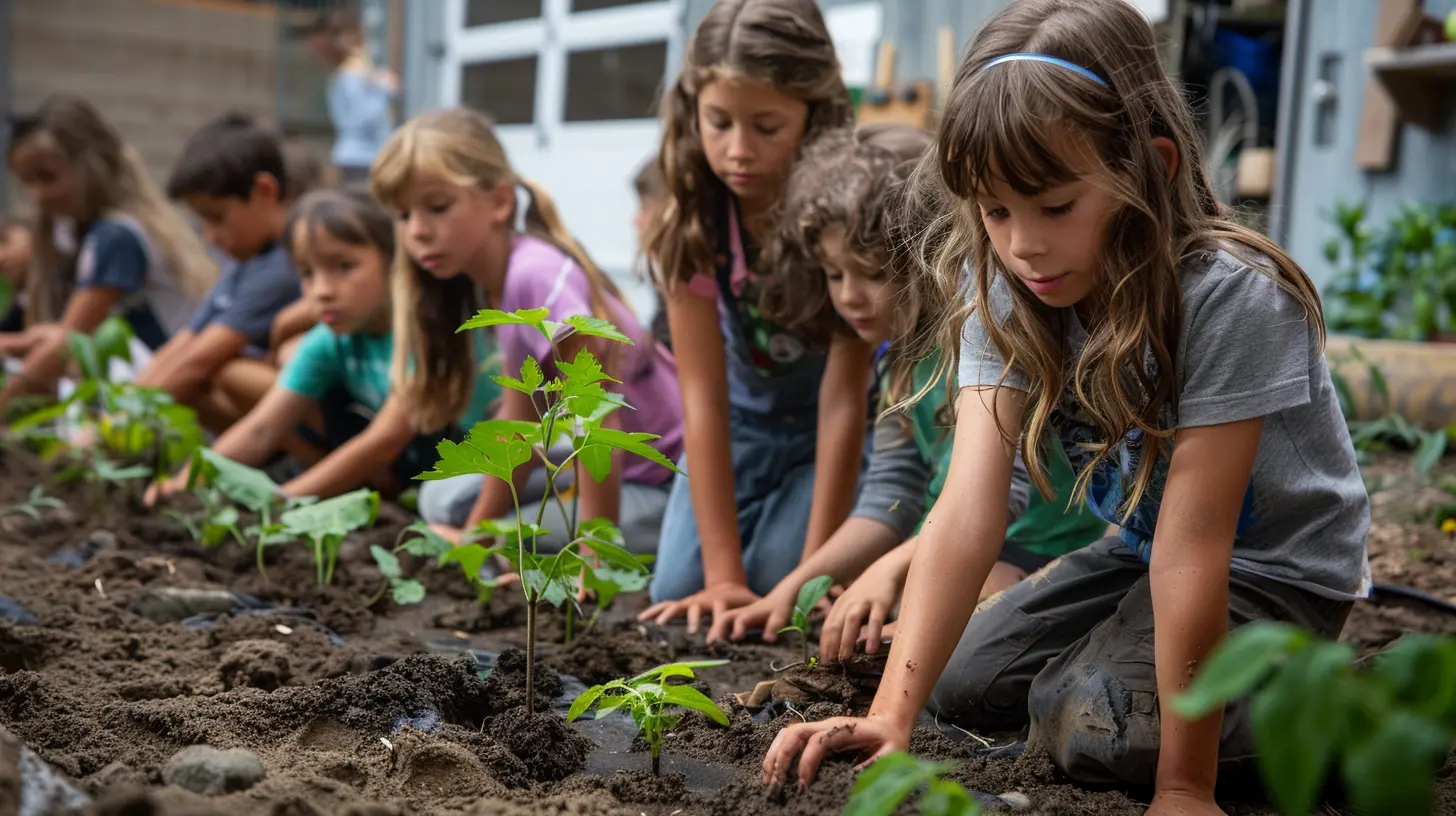
There’s something magical about planting a seed and watching it grow. School gardens teach students about ecosystems, sustainability, and nutrition. Plus, they enhance the school environment and provide fresh produce—how cool is that?You can start small with planters or go big with raised beds. Assign rotating garden duties to encourage responsibility and teamwork.
2. Waste Audit and Recycling Campaign
Want to open students’ eyes? Have them conduct a waste audit of their school or home trash. Let them categorize waste, identify what could have been recycled or composted, and calculate the total waste generated.Once they spot the problem, challenge them to develop a recycling or composting program. Now they’re not just learning—they’re leading change.
3. Water Testing
Water is life—but is it clean? Students can collect water samples from local rivers, lakes, or even school faucets and test for things like pH, turbidity, and pollutants using simple kits.Use the results to discuss local water issues and brainstorm solutions. This activity combines science skills with local relevance, making it powerful and personal.
4. Upcycling Workshop
Give trash a second life! Upcycling projects teach students about waste reduction while flexing their creative muscles. Think turning old T-shirts into tote bags, making planters from plastic bottles, or crafting furniture from pallets.Host a school-wide upcycling fair to showcase their creations and encourage others to rethink waste.
5. Eco-Friendly Product Design
Challenge your students to design an eco-friendly product or invention. What could replace single-use plastic? How can we use renewable energy better? Whether they prototype with Legos or sketch their ideas on paper, they’re practicing innovation with an environmental twist.6. DIY Weather Station
Combine tech, science, and sustainability by having students build their own weather station. They can collect data on temperature, humidity, and rainfall, and even predict short-term weather patterns.Not only does this provide a deeper understanding of climate, but it also trains students in data collection and analysis.
7. Habitat Restoration
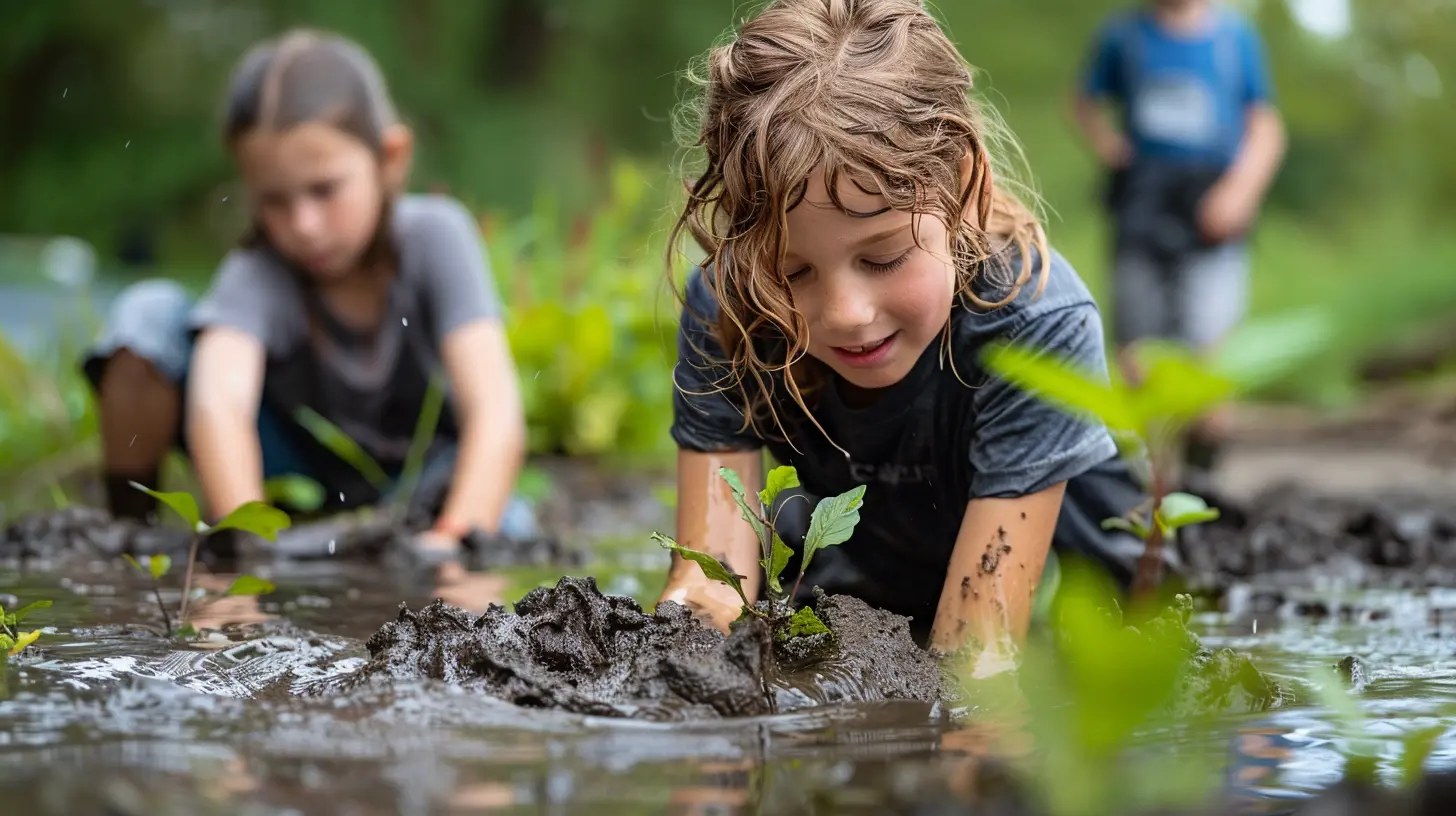
If your school is near a forest, wetland, or even a neglected park, consider a habitat restoration project. Partner with local conservation groups and involve students in native planting, trash clean-up, and animal tracking.Seeing how their efforts can transform a space is both inspiring and empowering.
Tips for Keeping Students Engaged
Even the best-laid plans can fizzle out if students lose interest. Here are a few ways to keep the spark alive:- Make it personal: Ask students what environmental issues matter to them and why.
- Track progress: Use journals, visuals, or even social media to document your project’s journey.
- Celebrate wins: Whether it’s collecting ten pounds of litter or growing your first tomato, celebrate milestones.
- Reflect and revisit: After each project, encourage students to reflect on what they learned and what they’d do differently next time.
Don’t Forget the Digital Element
In today’s world, tech and nature don’t have to be at odds. In fact, digital tools can enhance hands-on learning in all sorts of ways:- Use apps to identify plant species or track carbon footprints.
- Create digital presentations or short videos to report findings.
- Collaborate with other schools virtually for comparison projects.
The possibilities are endless, and integrating tech can help reach students who might not be as jazzed about getting their hands dirty.
A Word to Parents and Guardians
You don’t have to be a teacher to encourage hands-on environmental learning. Weekend hikes, backyard gardening, or even sorting recyclables together can spark meaningful conversations. Ask your child what they’re curious about—and then dive in together.Sometimes, it's the small acts that leave the biggest imprint.
Long-Term Impact: More Than Just a Grade
When students engage in hands-on environmental projects, they’re not just passing a class—they’re preparing to be thoughtful, responsible, and proactive citizens. They start connecting dots between personal action and global issues. They learn that change is possible—and that they can be part of it.And isn’t that the kind of education we all want to be part of?
Final Thoughts
Hands-on environmental projects are more than just school activities—they’re opportunities for transformation. They have the unique ability to wake students up from the passive learning experience and invite them into a world where their ideas, actions, and voices actually matter.So if you’re an educator looking to energize your lessons, or a parent hoping to inspire the next Greta Thunberg or David Attenborough, start with something hands-on. Because once a student gets their hands dirty, they just might find a deeper love for the planet—and that’s a lesson they’ll carry for life.
all images in this post were generated using AI tools
Category:
Environmental EducationAuthor:

Bethany Hudson
Discussion
rate this article
1 comments
Zorion Hunter
Nature's lessons bloom when students touch the earth.
August 26, 2026 at 3:29 AM
Bethany Hudson
Absolutely! There's something transformative about hands-on experiences in nature that truly deepens understanding and appreciation.