Enhancing Student Engagement Through Collaborative Learning Approaches
10 October 2026
In today’s fast-paced digital world, keeping students engaged in the learning process can feel like an uphill battle. Traditional teaching methods—where students passively absorb information—are becoming outdated. Instead, educators are shifting towards collaborative learning approaches to foster active participation and deeper understanding.
But what exactly is collaborative learning, and how can it boost student engagement? Let’s dive into it!

What Is Collaborative Learning?
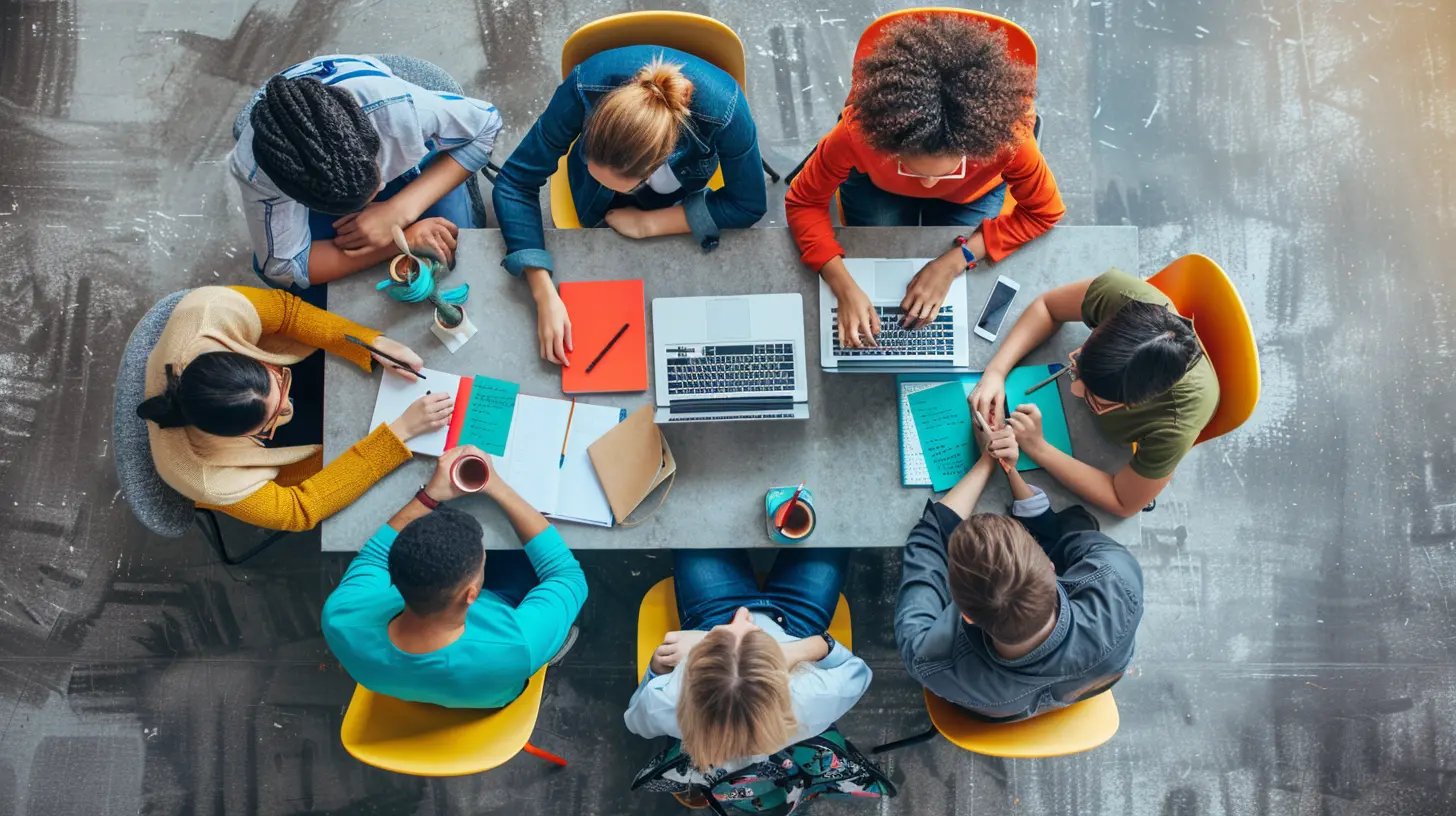
Collaborative learning is an educational approach where students work together in groups to solve problems, complete tasks, or grasp complex concepts. Instead of learning in isolation, students actively discuss, debate, and exchange ideas. This not only enhances their understanding but also strengthens critical thinking and communication skills.Think of it as a team sport—when players work together, they strategize, support each other, and ultimately perform better. Similarly, in a classroom setting, collaboration allows students to maximize their learning potential.

Why Is Student Engagement Important?
Before we go any further, let’s talk about engagement. Why does it matter?Engagement is what fuels motivation and curiosity. When students are engaged, they’re more likely to retain what they learn, participate actively, and develop a genuine interest in the subject matter. On the flip side, disengagement leads to boredom, frustration, and poor academic performance.
By incorporating collaborative learning strategies, educators can create an environment that keeps students involved and eager to learn.

The Power of Collaborative Learning in Boosting Engagement
1. Encourages Active Participation
When students work together, they are naturally more involved in the learning process. Instead of sitting through a long lecture, they engage in discussions, problem-solving, and brainstorming sessions. This active participation makes learning more dynamic and enjoyable.Rather than just consuming information, students become contributors. They ask questions, share their perspectives, and challenge each other’s viewpoints—which deepens their understanding.
2. Builds Stronger Connections
Collaboration fosters a sense of community. Students feel a stronger connection not only to the subject matter but also to their classmates. This social aspect of learning encourages them to participate more freely without the fear of making mistakes.Imagine a class where students openly exchange ideas like a group of friends discussing their favorite TV series. When learning feels like a conversation rather than a lecture, engagement soars.
3. Develops Critical Thinking and Problem-Solving Skills
When students work together, they encounter different perspectives and approaches to problem-solving. This forces them to think critically, weigh different options, and make informed decisions.For example, in a group assignment, each student might bring a unique perspective—some focusing on details, others on the bigger picture. By combining their strengths, they arrive at well-rounded conclusions.
4. Increases Motivation and Accountability
Have you ever noticed that when you’re part of a team, you’re more motivated to contribute? The same applies to students in collaborative learning settings. Knowing that their peers rely on them adds a layer of accountability.Instead of procrastinating or zoning out, students feel a sense of responsibility to participate actively. They want to pull their weight and contribute to the group’s success.
5. Prepares Students for the Real World
In almost every profession, teamwork is essential. Whether it’s in business, healthcare, tech, or any other field, collaboration is a key skill. By engaging in collaborative learning from an early stage, students develop essential life skills such as communication, adaptability, and teamwork.Learning how to work with different personalities, resolve conflicts, and collaborate effectively gives students a significant advantage when they step into the real world.
Effective Collaborative Learning Strategies
So, how can educators implement collaborative learning effectively? Here are some tried-and-true strategies:1. Think-Pair-Share
This simple yet effective strategy involves three steps:- Think: The teacher poses a question, and students take a moment to reflect on their answers.
- Pair: Students pair up and discuss their thoughts.
- Share: Each pair shares their discussion with the class.
This technique encourages critical thinking and ensures that every student participates.
2. Group Projects and Presentations
Assigning group projects is a fantastic way to promote collaboration. Whether it’s a research project, creative presentation, or problem-solving task, students must work together to achieve a common goal.To make this even more engaging, encourage students to present their findings in innovative ways—such as skits, debates, or multimedia presentations.
3. Peer Teaching
When students teach a concept to their peers, they reinforce their own understanding. Assign small groups to research a topic and then teach it to the rest of the class. Not only does this build confidence, but it also ensures deeper comprehension.4. Collaborative Digital Tools
In today’s digital era, technology can enhance collaborative learning. Tools like Google Docs, Padlet, and Microsoft Teams allow students to work together in real time, even outside of class. Online discussion forums can also foster collaboration by encouraging students to exchange ideas and provide feedback.5. Role-Playing and Simulations
Role-playing activities make learning fun and immersive. Whether it’s reenacting historical events, conducting mock trials, or simulating real-world scenarios, students actively engage with the material. This approach enhances creativity while reinforcing key concepts.6. Jigsaw Method
In the jigsaw method, students are divided into small groups, with each group assigned a specific aspect of a larger topic. Each member becomes an "expert" in their assigned area and then teaches it to the rest of their group. This ensures that all students contribute while learning from their peers.Overcoming Challenges in Collaborative Learning
While collaborative learning has numerous benefits, it’s not without its challenges. Some common obstacles include:- Unequal participation: Some students might dominate discussions while others remain passive. Solution? Assign specific roles so everyone has a responsibility.
- Conflicts within groups: Disagreements are natural, but they can disrupt learning. Teach students conflict resolution skills and encourage open communication.
- Time management issues: Group activities sometimes take longer than expected. Set clear deadlines and provide structured guidelines to keep students on track.
By addressing these challenges proactively, educators can create a more effective and inclusive collaborative learning environment.
Final Thoughts
Collaborative learning isn’t just a teaching strategy—it’s a mindset shift that transforms how students engage with their education. By working together, they not only retain knowledge better but also develop essential life skills that prepare them for future success.So, if you’re an educator looking to boost student engagement, why not give collaborative learning a try? You might just witness a classroom filled with enthusiastic, engaged, and motivated learners!
all images in this post were generated using AI tools
Category:
Collaborative LearningAuthor:

Bethany Hudson