From Trash to Treasure: Educating Students on Waste Management
23 September 2026
Waste is everywhere. From the leftover food we toss in the bin to the plastic wrappers from our snacks, we create waste every single day. But have you ever stopped to think about where all that trash ends up? More importantly, how can we teach students to turn this waste into something valuable? That’s where waste management education comes in.
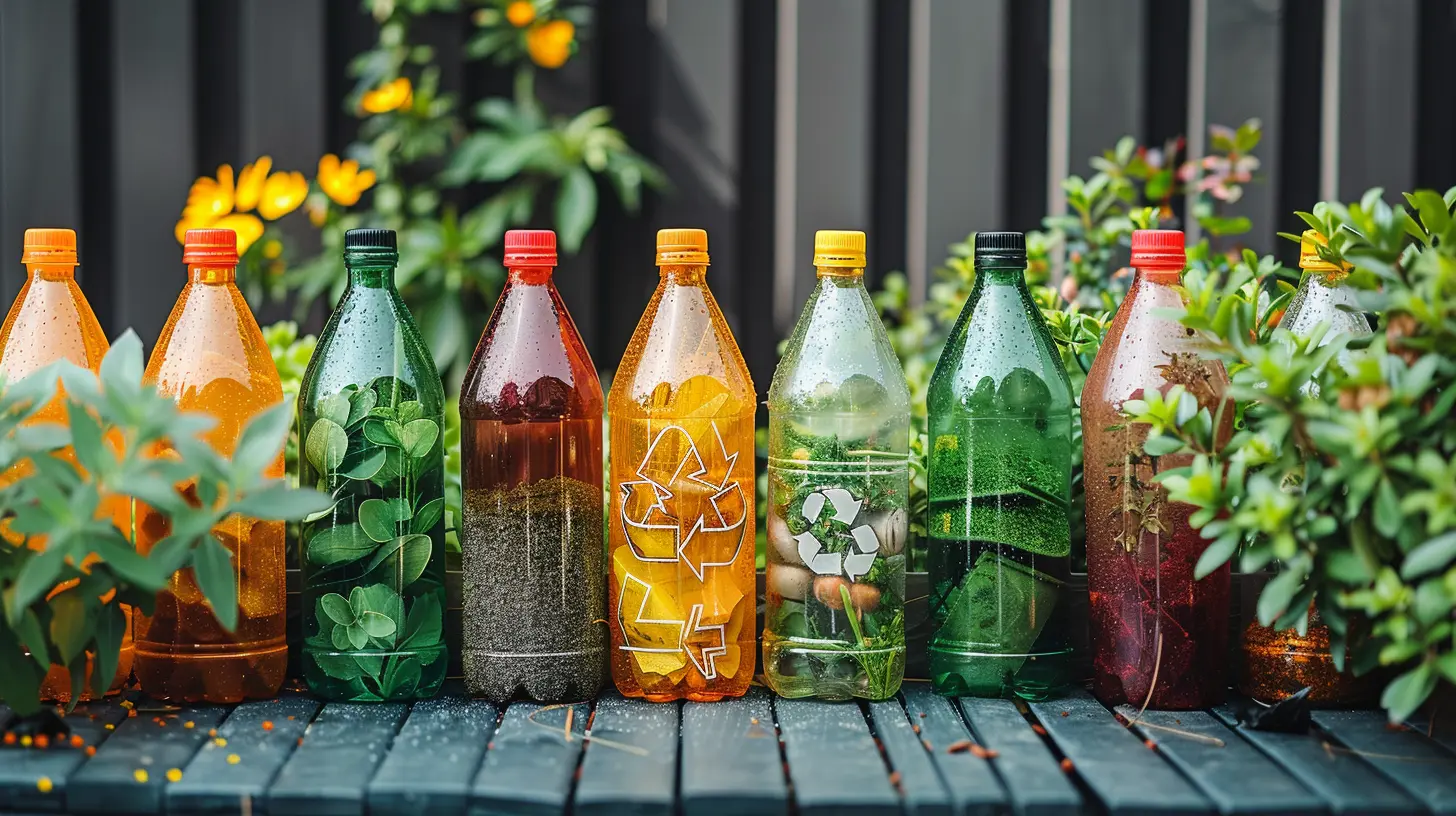
Why Waste Management Matters
Imagine if no one took out the trash for a week. Your home would be a disaster! Now, think about that on a global scale. Without proper waste management, our environment suffers—polluted rivers, overflowing landfills, and toxic air. Teaching students about waste management isn’t just about keeping things clean; it’s about protecting our planet for future generations.Waste management isn’t just an adult responsibility; it starts with the younger generation. Schools play a critical role in shaping students' attitudes towards waste disposal, recycling, and sustainability. When students understand how waste impacts the environment, they become more responsible citizens.
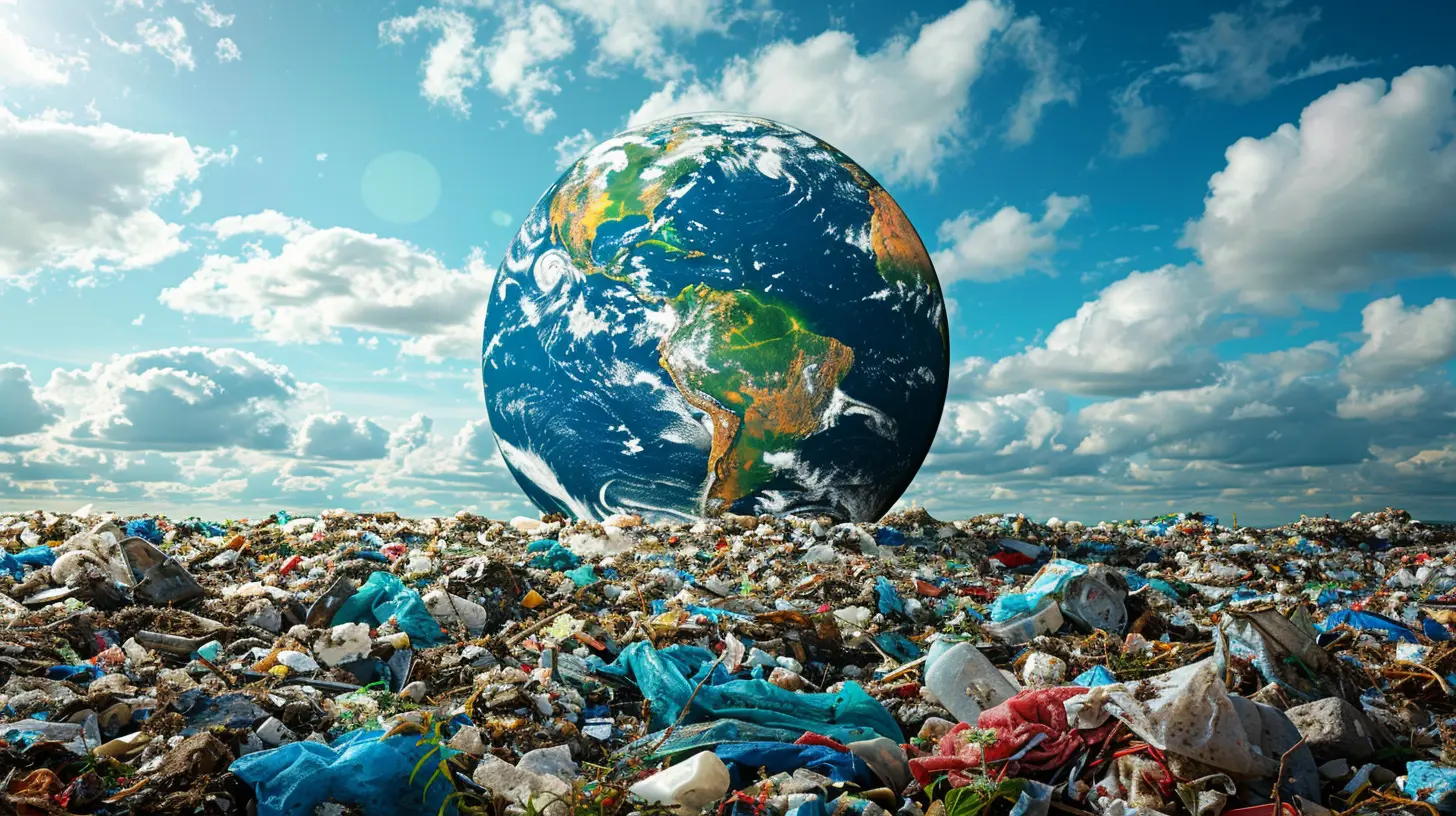
Understanding the Different Types of Waste
Before diving into waste management strategies, it's crucial to understand the types of waste we generate:1. Organic Waste
- Food scraps, vegetable peels, and garden waste.- Can be composted to create nutrient-rich soil.
2. Recyclable Waste
- Plastic bottles, paper, glass, and metals.- Can be reprocessed into new products.
3. Hazardous Waste
- Batteries, chemicals, and electronic waste.- Requires special disposal methods to prevent environmental damage.
4. Non-Recyclable Waste
- Items like styrofoam, laminated plastics, and contaminated packaging.- Often ends up in landfills.
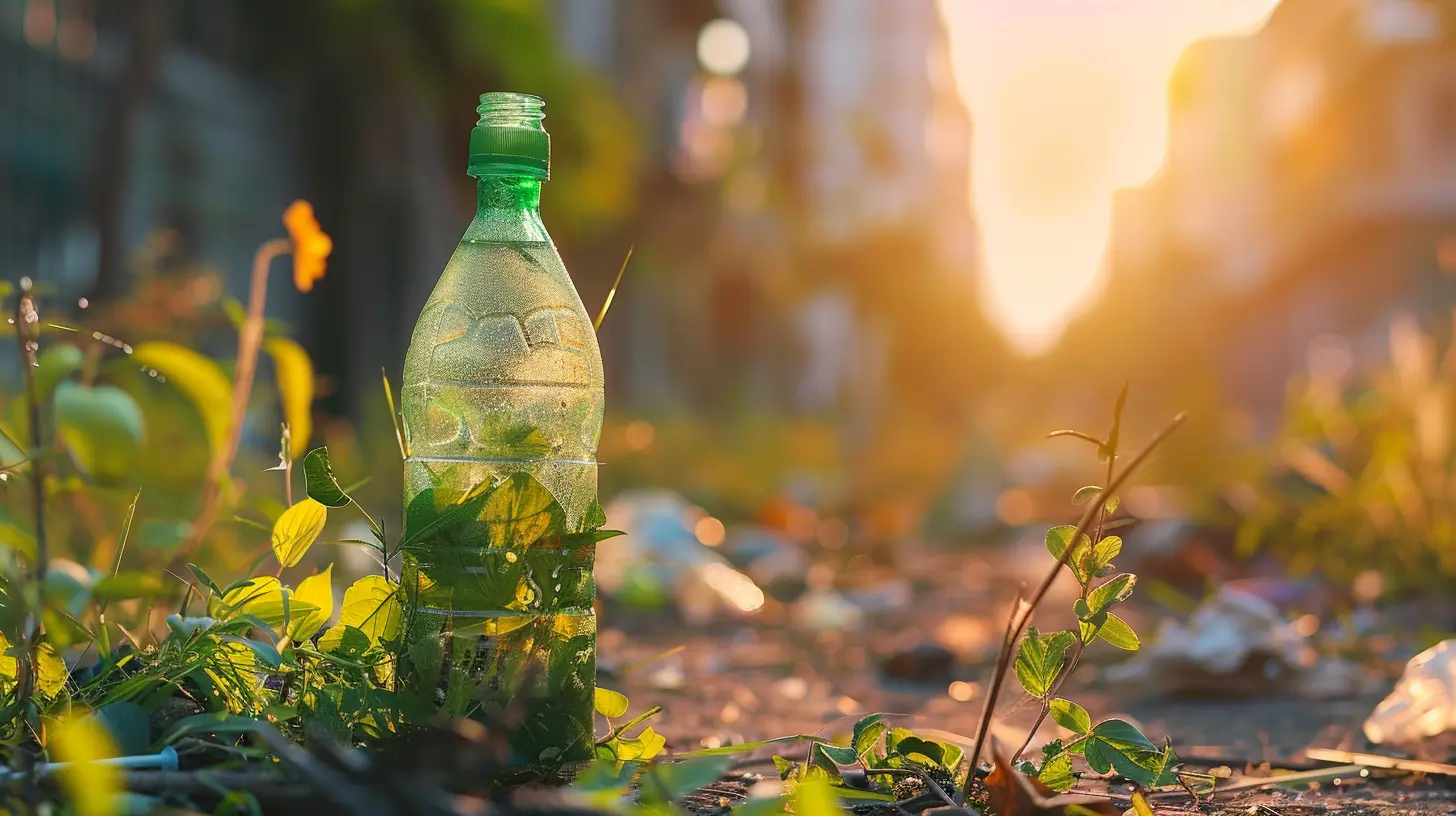
The 3 R’s: Reduce, Reuse, Recycle
The golden rule of waste management is Reduce, Reuse, Recycle. This simple yet effective approach can significantly cut down waste production at home and school.Reduce: Cutting Down on Waste
The best way to manage waste is to create less of it in the first place. Simple habits can make a huge difference:- Carry a reusable water bottle instead of buying plastic ones.
- Avoid single-use plastics like straws and bags.
- Print on both sides of the paper.
Reuse: Giving Waste a Second Life
Not everything has to be thrown away. Many items can be reused or repurposed:- Old clothes can be turned into cleaning rags.
- Glass jars can be used for storage.
- Leftover food can be composted instead of tossed.
Recycle: Transforming Waste into New Products
Recycling is one of the most effective ways to reduce landfill waste:- Schools can set up separate bins for paper, plastic, and metals.
- Students can participate in recycling drives.
- Learning how different materials are recycled helps build awareness.
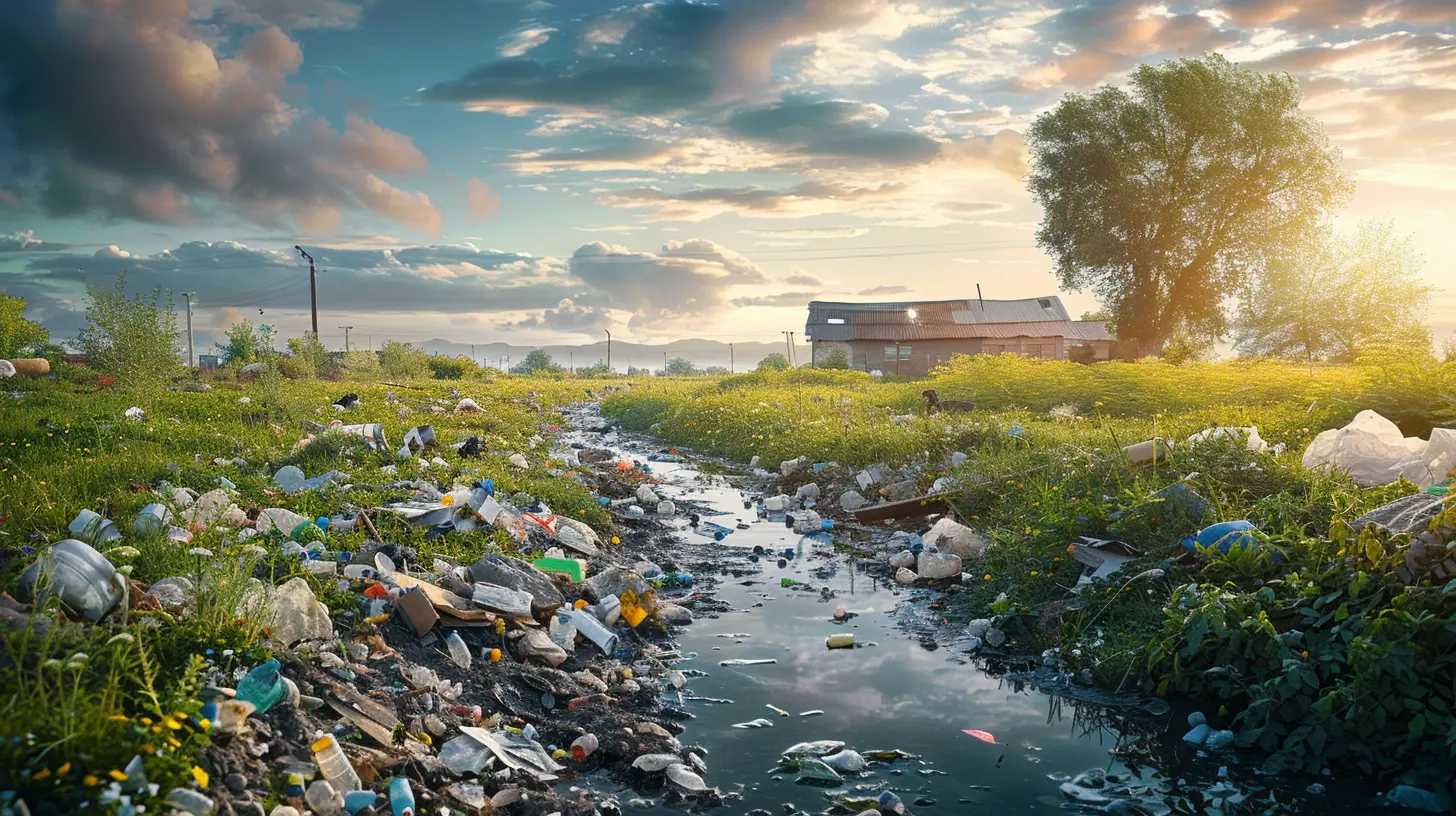
How Schools Can Teach Waste Management
1. Hands-On Learning
Students learn best when they see things in action. Schools can:- Organize field trips to recycling plants.
- Set up composting projects for food waste.
- Invite experts to talk about waste management.
2. Encouraging Student-Led Initiatives
When students take charge, they’re more likely to stick with sustainable habits:- Let students create "Green Clubs" responsible for waste management projects.
- Organize competitions like "Zero Waste Week" to motivate kids.
- Encourage them to share tips on reducing waste at home.
3. Introducing DIY Recycling Projects
Creativity makes waste management exciting! Students can:- Turn old newspapers into handmade paper.
- Use plastic bottles to create plant pots.
- Make eco-friendly decorations using waste materials.
4. Digital Integration
Technology can be a powerful tool in teaching waste management:- Use apps that teach recycling habits.
- Create educational videos or engage in online sustainability challenges.
- Integrate waste-related topics into subjects like science and geography.
The Impact of Teaching Waste Management Early
When students learn about waste management from a young age, they develop responsible habits that last a lifetime. Think about it—kids who recycle at school are likely to continue recycling as adults. They grow up to influence their families, communities, and eventually, the entire society.Long-Term Benefits
- Less waste in landfills.- Cleaner air and water.
- More people adopting sustainable lifestyles.
- Reduced environmental pollution.
Making Waste Management a Daily Habit
One lesson in waste management isn’t enough. It needs to be a daily part of school life. Schools can implement:- Recycling stations in classrooms – Make it easy for students to separate waste.
- Composting programs – Encourage students to compost organic waste from lunch.
- Earth Day activities – Use events to remind students of their role in protecting the planet.
- Incentives for eco-friendly behavior – Reward students for waste reduction efforts.
It's Time to Act
Waste management isn't just a topic for environmental studies—it's a life skill. The more students know about managing waste, the better equipped they are to make a real difference.So, let’s start turning trash into treasure. With the right education and mindset, we can raise a generation that values sustainability over convenience and action over ignorance. The earth will thank us for it!
all images in this post were generated using AI tools
Category:
Environmental EducationAuthor:

Bethany Hudson