Exploring the Greenhouse Effect with a Simple Heat Experiment
4 April 2026
Ever wondered why your car feels like an oven on a hot summer day? Or why greenhouses stay warm even in chilly weather? That’s the magic of the greenhouse effect in action! But instead of just taking my word for it, let’s roll up our sleeves and perform a simple heat experiment to see it firsthand. It's easy, fun, and a fantastic way to understand one of the most talked-about climate concepts. 
🌍 What is the Greenhouse Effect, Anyway?
Before we dive into the experiment, let's break down the greenhouse effect in plain English.Imagine Earth as a giant greenhouse. The Sun sends energy our way in the form of light. Some of this energy bounces back into space, but a lot of it gets trapped by certain gases in our atmosphere—like carbon dioxide (CO₂) and methane (CH₄). These gases work like a cozy blanket, keeping our planet warm enough for life to exist.
Without this effect, Earth would be a frozen wasteland. But too much of it? That’s where things go haywire, leading to global warming and climate change. Yikes!
Now, let's put this theory to test with a super simple experiment. 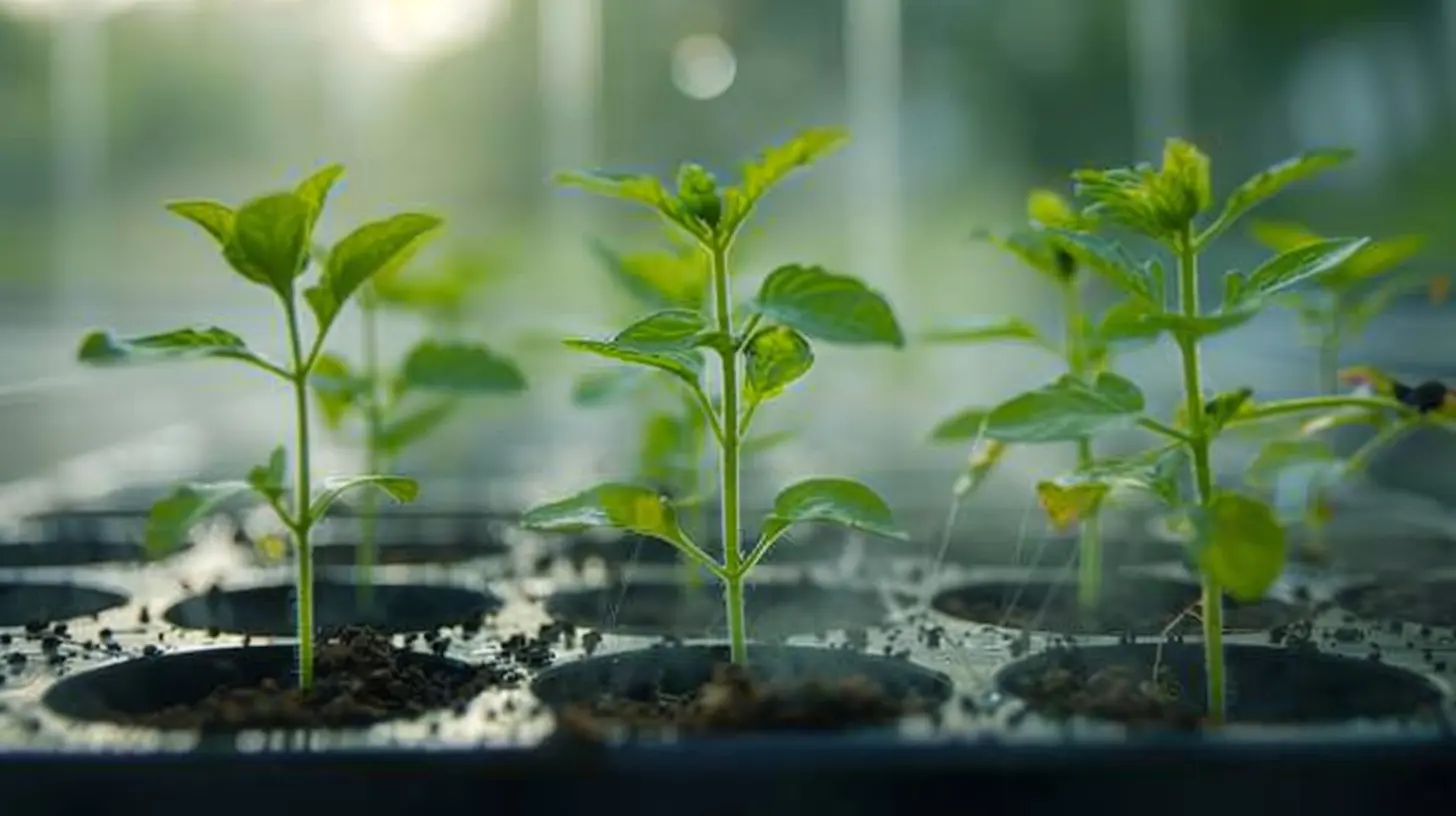
🧪 Simple Greenhouse Effect Heat Experiment
You don’t need fancy lab equipment or a PhD in physics to see the greenhouse effect in action. Just a few household items and a little curiosity will do.Materials You'll Need:
✔ Two identical glass jars or clear plastic bottles✔ Two thermometers
✔ Plastic wrap or a clear lid
✔ A timer or stopwatch
✔ A sunny spot (or a lamp if you're indoors)
Step-by-Step Instructions:
1. Set Up Your Jars
- Place one thermometer inside each jar.- Cover one jar tightly with plastic wrap or a clear lid. Leave the other jar uncovered.
2. Find a Heat Source
- Place both jars in direct sunlight or under a strong lamp.3. Wait & Observe
- Let them sit for about 10-15 minutes.- Keep an eye on the thermometers and note any temperature changes.
4. Compare the Results
- Check both thermometers. Which one is warmer?- Spoiler alert: The covered jar traps more heat—just like greenhouse gases trap heat in our atmosphere!
🌡️ Why Does This Happen?
The covered jar acts like Earth's atmosphere. Sunlight enters, but instead of escaping easily, the heat gets trapped inside, raising the temperature. The uncovered jar, on the other hand, allows heat to dissipate more freely, staying cooler.This is a mini version of what’s happening on a global scale! 
🤯 Real-Life Examples of the Greenhouse Effect
Now that you've seen it with your own eyes, let's look at some everyday examples:🚗 Hot Car Syndrome
Ever opened your car door after it's been parked in the sun? The inside feels like a furnace because sunlight comes in through the windows but can’t easily escape.🏡 The Magic of Greenhouses
Gardeners use this principle to keep plants warm. Sunlight enters the greenhouse, but the trapped heat keeps plants cozy even when it's cold outside.🌎 Earth’s Warming Crisis
As humans burn fossil fuels, we pump more greenhouse gases into the atmosphere. This thickens our planet’s "heat-trapping blanket," leading to rising temperatures, melting glaciers, and extreme weather.🔬 Want to Take the Experiment Further?
Science is all about curiosity! If you’re feeling adventurous, try tweaking the experiment:1. Try Different Covers
- Use aluminum foil, tinted plastic, or a dark cloth instead of clear plastic wrap. See if they trap heat differently!2. Add More Jars
- Test with three or four jars, each with different materials, to compare results.3. Experiment at Different Times of Day
- Morning vs. noon vs. evening—does the effect change as the sun moves?Science isn’t just about reading—it’s about doing!
🔥 The Greenhouse Effect: A Blessing & a Curse
Let’s be real: The greenhouse effect itself isn’t bad. Without it, life as we know it wouldn't exist. The problem is when we crank up the dial with excessive pollution.❌ What’s Causing the Warming Crisis?
- Burning fossil fuels (coal, oil, gas)—releases CO₂ like crazy.- Deforestation—fewer trees mean less CO₂ absorption.
- Industrial pollution—factories and cars pump out heat-trapping gases.
✅ How Can We Help?
- Use energy wisely (turn off lights, unplug electronics).- Opt for clean energy (solar, wind, hydro).
- Drive less, walk or bike more.
- Plant trees—they’re nature’s best air filters.
Small changes add up!
📢 Final Thoughts
The greenhouse effect isn’t just a chapter in a science book—it’s happening around us every day. With a simple experiment, we can see just how easily heat gets trapped, making climate change feel a little more real.Next time you step into a hot car or visit a greenhouse, you’ll know exactly why it feels toasty inside. And hey, now you’ve got a cool science experiment to share with friends and family!
Let's stay curious, stay informed, and do our part to keep Earth's climate in check. After all, it’s the only home we’ve got.
all images in this post were generated using AI tools
Category:
Science ExperimentsAuthor:

Bethany Hudson
Discussion
rate this article
2 comments
Wynter Snyder
Thank you for this insightful article! It beautifully simplifies the greenhouse effect, making it accessible for everyone. The hands-on experiment idea is fantastic for engaging learners and fostering a deeper understanding of our planet's climate. Great job!
April 28, 2026 at 3:52 AM
Bethany Hudson
Thank you for your kind words! I'm glad you found the article helpful and engaging.
Alisha Jordan
What a fantastic way to dive into science! 🌍🔬 Exploring the greenhouse effect through a hands-on heat experiment sounds like a recipe for fun and learning! Can't wait to see those curious minds light up as they uncover how our planet stays warm. Let the science adventure begin! 🎉✨
April 8, 2026 at 4:29 AM
Bethany Hudson
Thank you! I'm excited for the adventure too—it's all about sparking curiosity and understanding our planet! 🌍✨