Fostering Collaboration in the Classroom: Best Practices for Educators
20 December 2025
Collaboration in the classroom—it sounds like a buzzword, right? But when done right, it’s a total game-changer for both students and educators. Imagine turning a traditional classroom into a buzzing beehive of ideas, discussions, and teamwork, where students don’t just listen passively but engage, build confidence, and actually enjoy learning. That’s the power of collaborative learning.
In this article, we’re going to unpack the best practices that can help educators—yes, that includes you—foster a culture of collaboration. Whether you're teaching elementary school kids or guiding college-level students, you'll find these ideas practical and (hopefully) inspiring. Ready to dive in?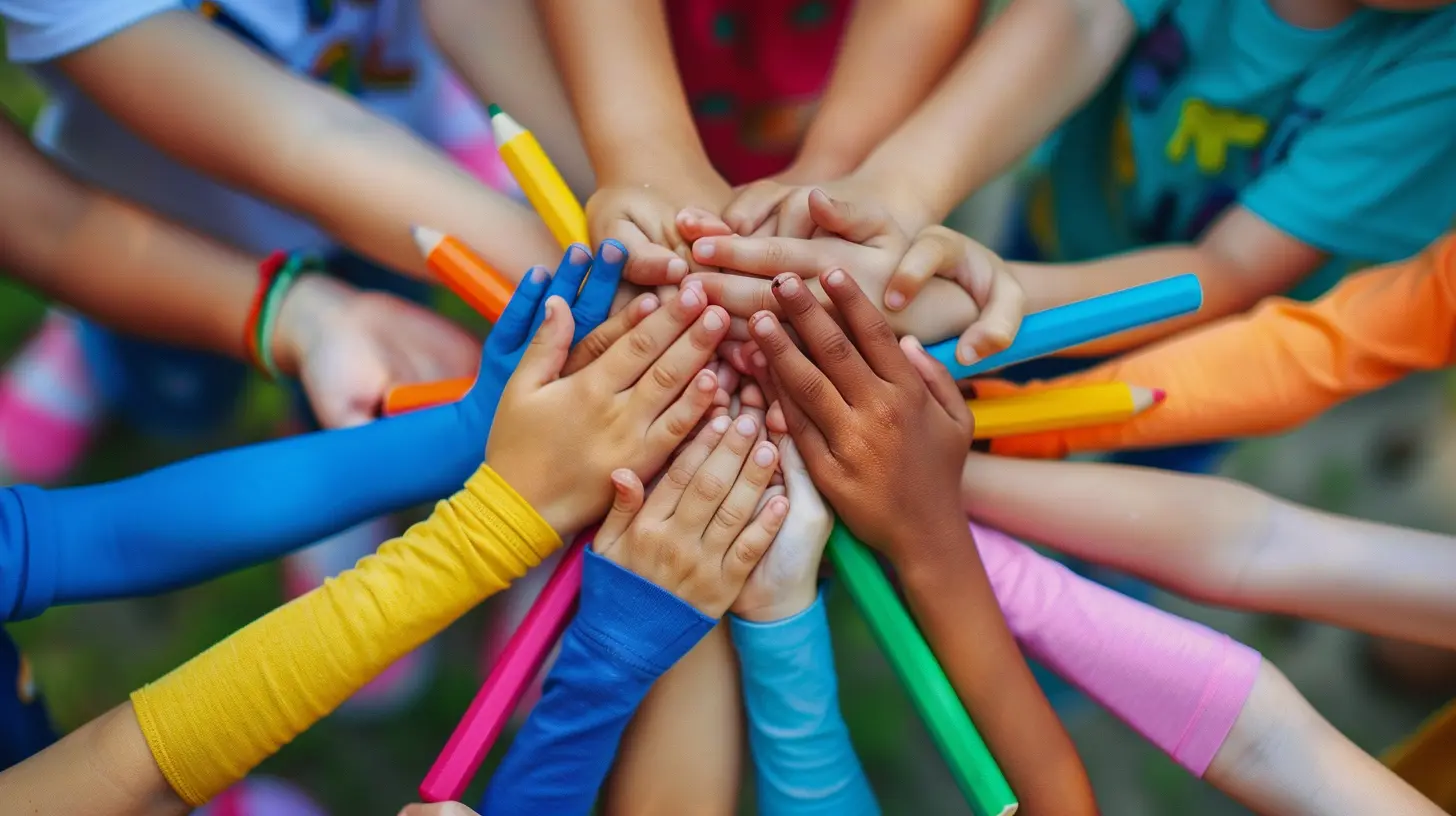
Why Collaboration Matters More Than Ever
Before we jump into the “how,” let’s take a moment to understand the “why.”In today’s world, collaboration isn’t just a soft skill—it’s a survival skill. Employers want team players, problem-solvers, and creative thinkers. So, it only makes sense for schools to become the training ground for these crucial life skills.
Plus, let’s face it: Kids (and adults!) learn better when they feel included. When you create a space where students feel heard and respected, magic happens. They're more likely to take risks, ask questions, and support each other. That’s when real learning takes place.
Start with the Right Mindset
🌱 Build a Growth-Oriented Culture
Collaboration thrives where there’s trust and respect. As an educator, your first job is to create a classroom culture that celebrates effort over perfection. Encourage students to learn from failure instead of fearing it. When kids know it's okay to mess up, they start giving more and growing more.You can say stuff like:
- "Mistakes are proof we’re trying."
- "Let’s work this out together."
👥 Embrace Diversity of Thought
Every student brings something unique to the table. Some are visual learners, others are talkers, some think deeply before they speak. That’s not a bug in the system—it’s a feature. The trick is to help students appreciate their differences and use them as strengths in group work.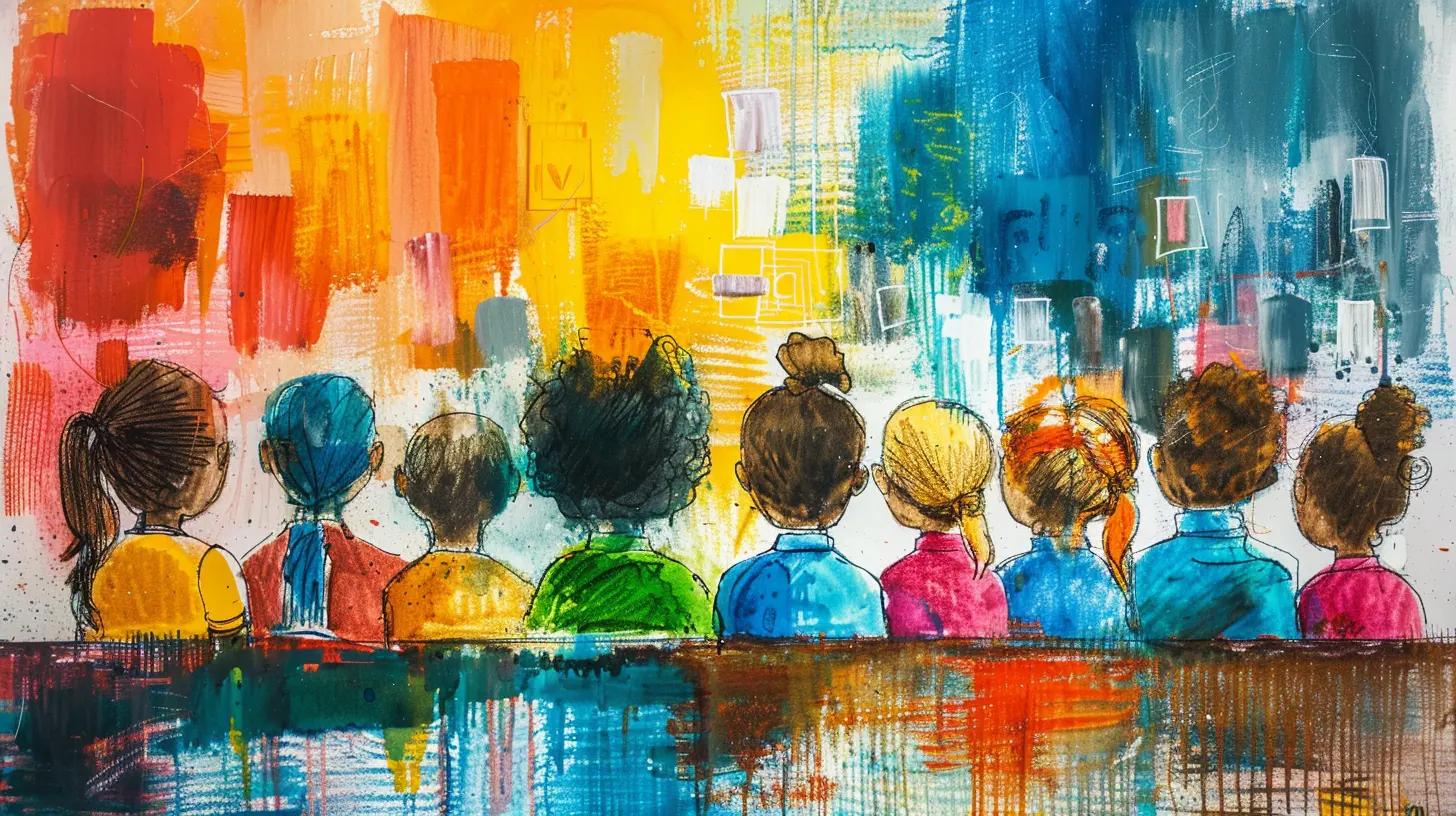
Design the Environment for Success
🪑 Rearrange Those Desks
Let’s be honest: Rows of desks facing the front don’t exactly scream “Let’s work together.” Consider flexible seating arrangements. Group tables, circles, or pods naturally promote discussion and collaboration. Even just having space for movement or breakout zones can make a huge difference.📱 Make Technology Your Friend
We’re in the digital age—so let’s use it! Platforms like Google Workspace, Padlet, Jamboard, and Microsoft Teams can make collaboration smoother and more exciting. Students can share docs, co-create presentations, or brainstorm ideas in real-time.Big bonus? It mirrors the kind of teamwork they'll see in the real world.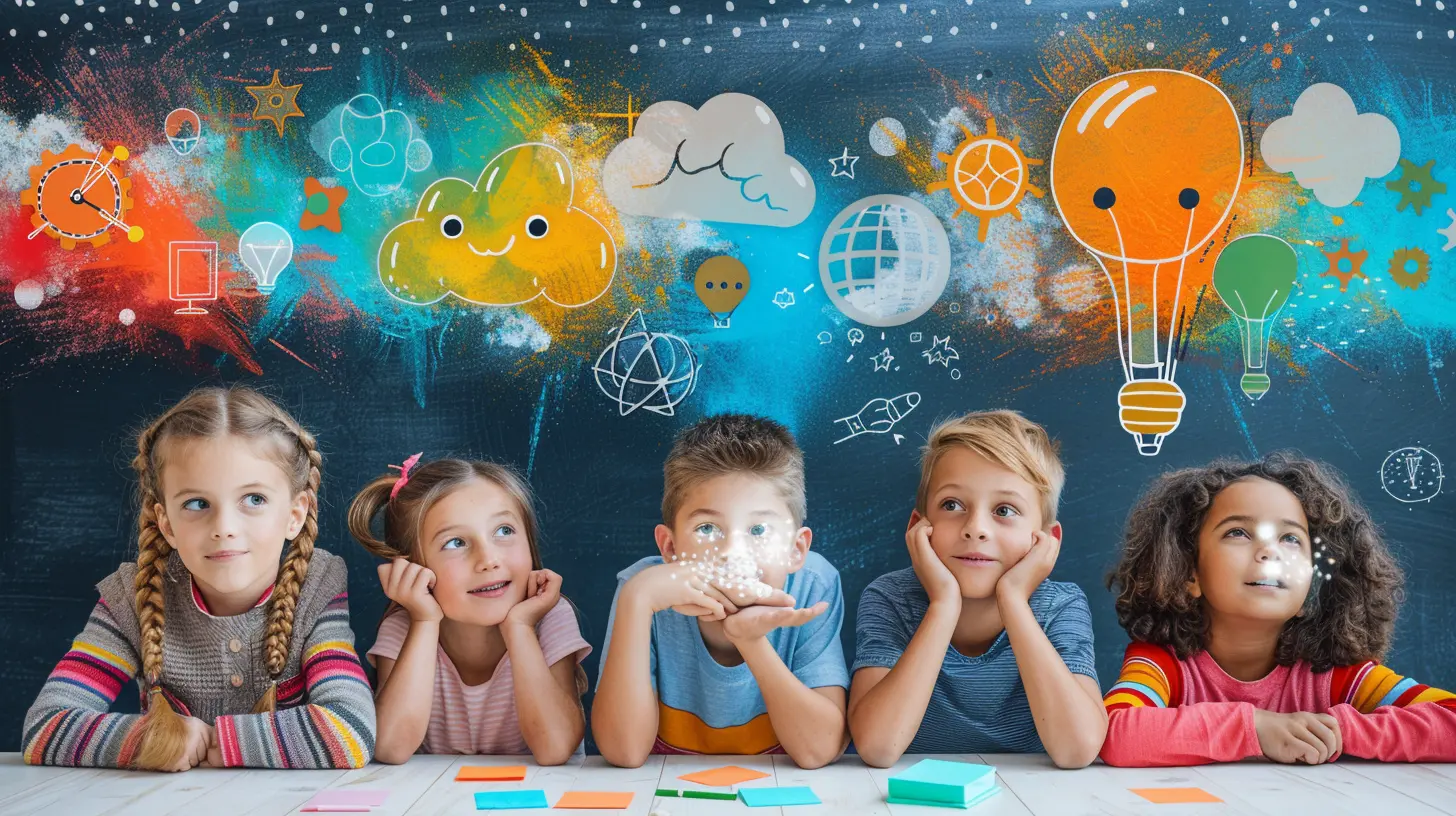
Set Clear Expectations
🧭 Define Collaboration From Day One
Don't assume your students know how to work together. Take time to model it. Show them what active listening looks like. Practice giving constructive feedback. Teach them how to disagree respectfully.Setting ground rules early—like listening without interrupting or sharing the talk time—can make or break a team activity.
📊 Use Rubrics That Reflect Team Effort
When grading collaborative projects, include criteria that value teamwork. Think along the lines of:- Equal participation
- Conflict resolution
- Contribution to the final product
By doing this, you reinforce that how they work together matters just as much as what they produce.
Mix and Match Student Groups
🎲 Rotate Groups Frequently
We all have comfort zones. But growth? That lives outside of them. Switch up groups regularly so students learn to adapt, appreciate different perspectives, and build new relationships.Sure, there might be a few eye rolls at first, but over time, this builds flexibility and empathy.
🧠 Balance Skill Levels
A mix of abilities in a group can lead to powerful peer teaching. Advanced students solidify their knowledge by explaining it to others. Struggling students gain new insights from their peers. It’s a win-win.Just be mindful that no one feels left out or overburdened. That’s where your observation and check-ins come into play.
Foster Student Ownership
🎯 Let Students Set Group Goals
Want to light a fire under your students? Give them a say in what they’re working toward. When kids set their own goals as a group, they feel more invested in the outcome. They go from “I have to do this” to “We get to do this.”Try using SMART goals—specific, measurable, achievable, relevant, and time-bound—as a framework. It's simple and keeps everyone accountable.
🗣 Encourage Peer Feedback
Let’s normalize peer-to-peer feedback. Students often listen to each other more than they do adults. 🤷♂️Set up structured reflection times where they can share what worked, what didn’t, and how the group can improve next time. This practice tightens bonds and sharpens communication skills too.
Integrate Collaborative Projects Across Subjects
📘 Cross-Disciplinary Activities
Who says science can’t vibe with art or history? Collaborative projects that span multiple subjects can make learning more meaningful and connected.Example: Have students create a historical podcast series that discusses the scientific inventions of different eras. Suddenly, they’re not just memorizing facts—they’re telling stories, solving problems, and learning from each other.
💡 Problem-Based Learning (PBL)
Throw your students into real-world problems and let them figure out solutions in teams. This kind of learning builds problem-solving, leadership, and research skills—all in one go.Pick topics that resonate with them: climate change, bullying, social media addiction. Let them brainstorm, create, and maybe even present their solutions to a real audience. Talk about empowerment!
Be the Guide, Not the Hero
🤝 Facilitate, Don’t Dominate
In a collaborative classroom, think of yourself as the team coach rather than the star player. Guide discussions, nudge thinking, and intervene when needed—but let students take the wheel.Resist the urge to jump in every time there’s a disagreement or confusion. Give them the tools to navigate the storm instead.
🌟 Celebrate Small Wins
Did a group finally stop bickering and actually work together? Celebrate that. Did a shy student speak up during group sharing? High five it. These moments matter.Our brains are wired to seek recognition. A little positivity goes a long way in reinforcing collaborative behavior.
Handle Challenges with Compassion
Let’s not sugarcoat this—group work can get messy. Conflicts might arise. Participation might fluctuate. Don’t panic.🛠 Have a Plan for Conflict Resolution
Teach students how to talk through disagreements constructively. Role-play scenarios. Introduce phrases like:- “I see your point, but I feel...”
- “Can we find a solution that works for both of us?”
These tools will serve them far beyond the classroom.
🙋♀️ Support the Quiet Ones
Not every student loves group work, especially introverts or those with social anxiety. Keep an eye out and offer multiple ways to contribute—think written input, digital discussions, or smaller groups.Inclusivity is key. Everyone deserves a voice.
Examples of Proven Collaborative Activities
- Jigsaw Method: Each student becomes an expert in one piece of the topic and teaches it to their group.- Think-Pair-Share: Students think individually, discuss in pairs, and then share with the class.
- Literature Circles: Small student-led book groups where roles (like summarizer, questioner, connector) rotate.
- STEM Challenges: Design and build tasks (like bridges, roller coasters, or egg drops) in teams.
- Gallery Walk: Students display their work and walk around giving feedback to peers.
These don’t just fill time—they add depth to learning and strengthen collaboration skills.
The Long-Term Payoff
Building a collaborative classroom isn’t an overnight thing. It takes time, patience, and a whole lot of love. But the reward? Students who are confident, curious, and kind. Learners who know how to lead, listen, and grow alongside others.Isn’t that the kind of education we all dream about?
So, the next time you’re planning a lesson, ask yourself: How can I make this more collaborative?
Chances are, there’s always a way to turn a solo task into a team adventure. And who knows? You might just turn your classroom into the most exciting room in the school.
all images in this post were generated using AI tools
Category:
CollaborationAuthor:

Bethany Hudson
Discussion
rate this article
2 comments
Samira Harmon
Thank you for sharing these valuable insights on fostering collaboration in the classroom. Implementing these best practices will undoubtedly enhance student engagement and promote a positive learning environment. I appreciate the guidance!
January 22, 2026 at 11:25 AM
Bethany Hudson
Thank you for your kind words! I'm glad you found the insights helpful for enhancing collaboration in the classroom. Happy teaching!
Foster McKnight
Great insights! I'm curious about how specific practices can be tailored for diverse learning styles. What strategies have proven most effective in your experience?
December 21, 2025 at 3:39 AM
Bethany Hudson
Thank you! Tailoring practices for diverse learning styles can involve using a mix of visual aids, hands-on activities, and group discussions. Strategies like differentiated instruction and flexible grouping help meet varied needs and enhance collaboration.