Fostering Global Citizenship Through Cross-Cultural Learning Communities
16 November 2026
In an increasingly interconnected world, the concept of global citizenship has gained prominence in educational discourse. Fostering global citizenship through cross-cultural learning communities provides students with the tools to navigate cultural diversity and become active participants in a global society. This article delves into the importance of cross-cultural learning, the challenges educators face, and practical strategies to create effective learning environments that promote global citizenship.
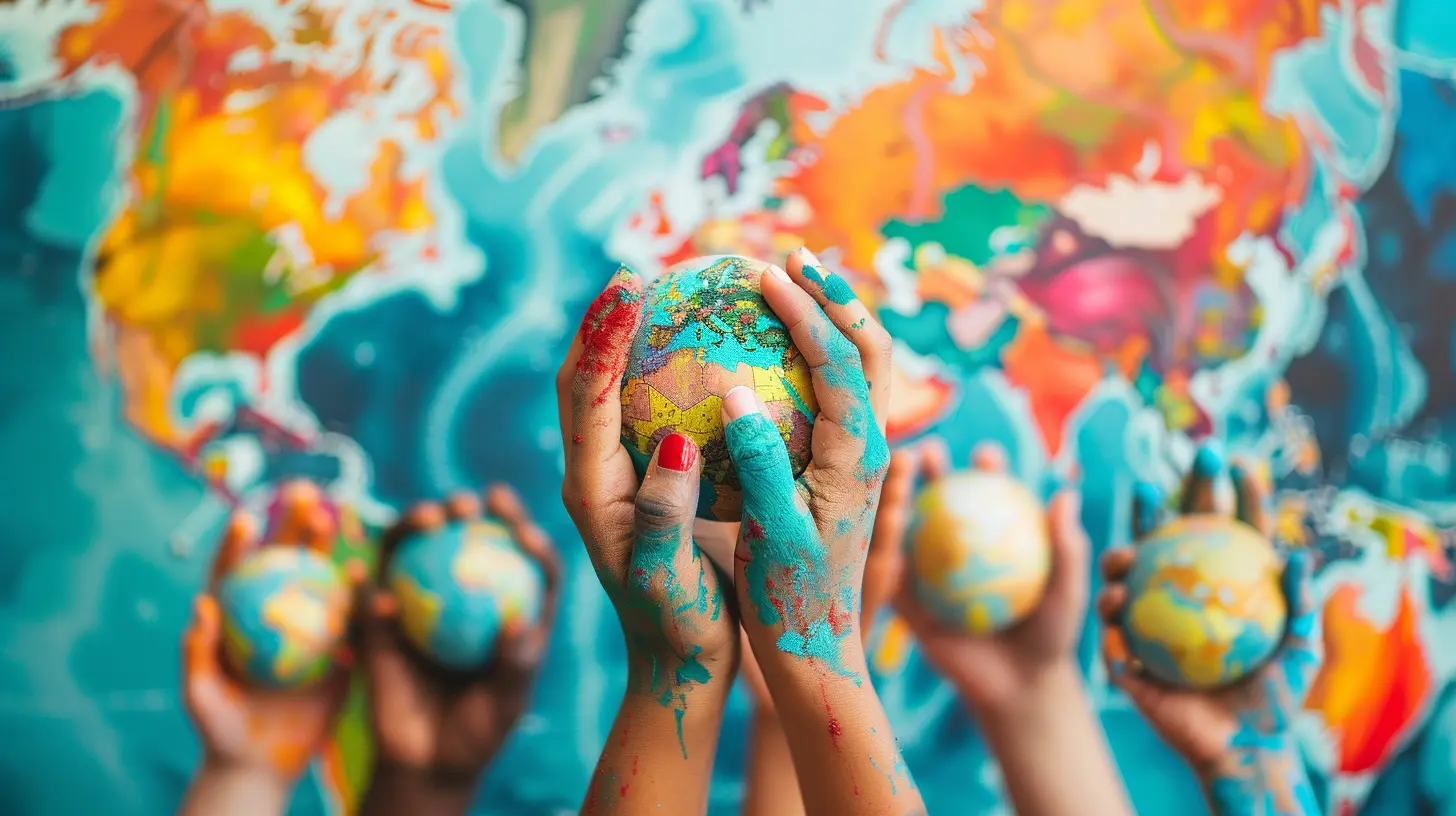
Understanding Global Citizenship
Global citizenship goes beyond mere awareness of global issues. It encompasses the understanding of one's role within a larger global context, emphasizing respect, empathy, and responsibility toward others, regardless of geographical boundaries. Global citizens are informed, engaged, and committed to making a positive impact on the world.The Importance of Global Citizenship in Education
Incorporating global citizenship into education prepares students for a world where cultural interactions are commonplace. It encourages students to think critically about global issues such as climate change, human rights, and social justice. By fostering a sense of belonging to a global community, educators can help students develop a more nuanced understanding of these issues.Key Components of Global Citizenship
1. Awareness: Understanding global issues and cultural diversity.2. Empathy: Developing the ability to understand and share the feelings of others.
3. Engagement: Taking action on global issues through advocacy, volunteering, or other forms of civic participation.
4. Responsibility: Recognizing one's role in contributing to a more equitable and sustainable world.
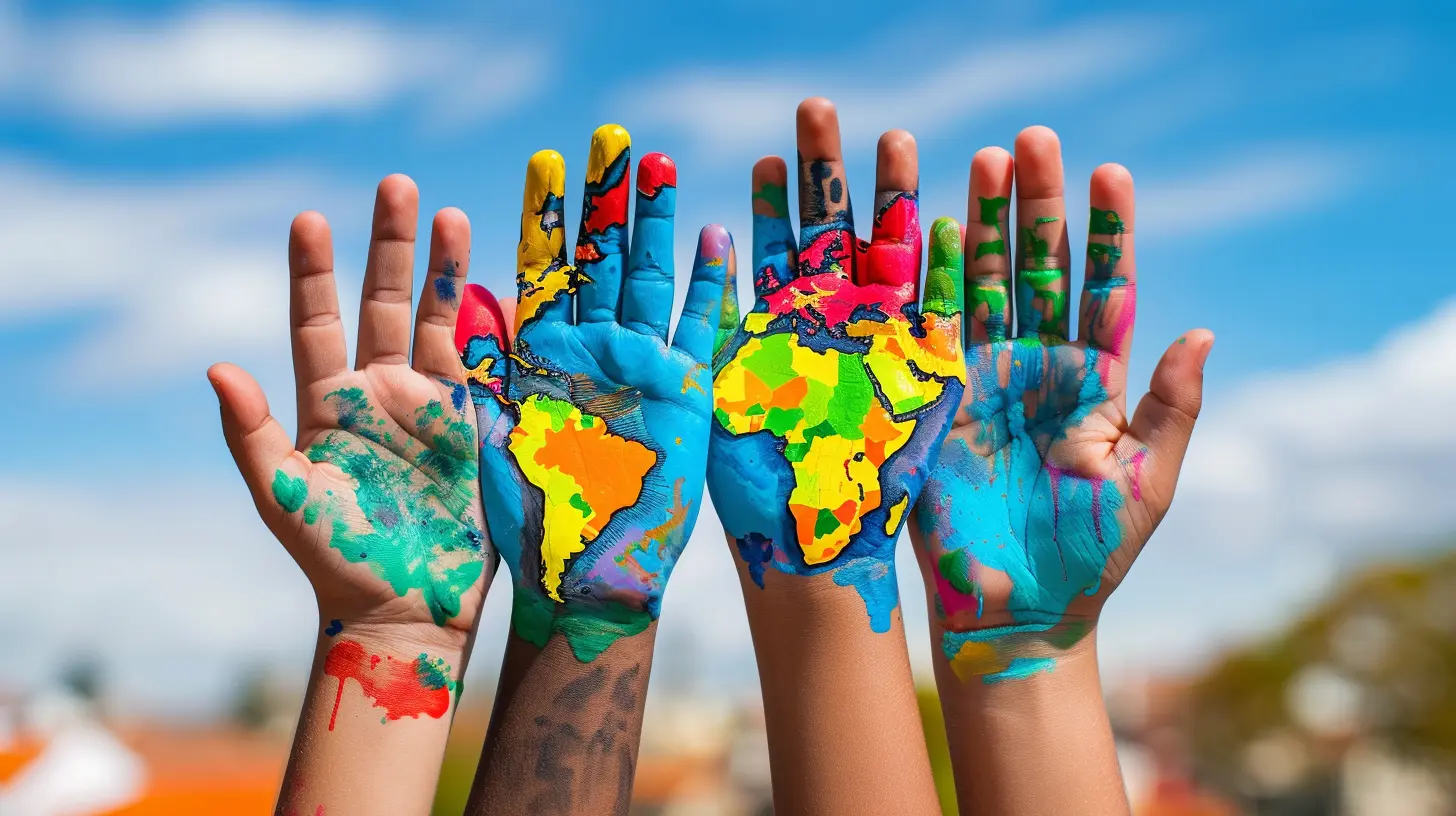
Cross-Cultural Learning Communities Defined
Cross-cultural learning communities are educational environments that bring together individuals from diverse cultural backgrounds. These communities enable participants to share their experiences, perspectives, and knowledge, fostering mutual respect and understanding.Characteristics of Cross-Cultural Learning Communities
- Diversity: A mix of cultural backgrounds, languages, and experiences.- Collaboration: Opportunities for participants to work together on projects and initiatives.
- Open Dialogue: Encouraging discussions that explore cultural differences and similarities.
- Shared Goals: A common purpose that aligns with the principles of global citizenship.
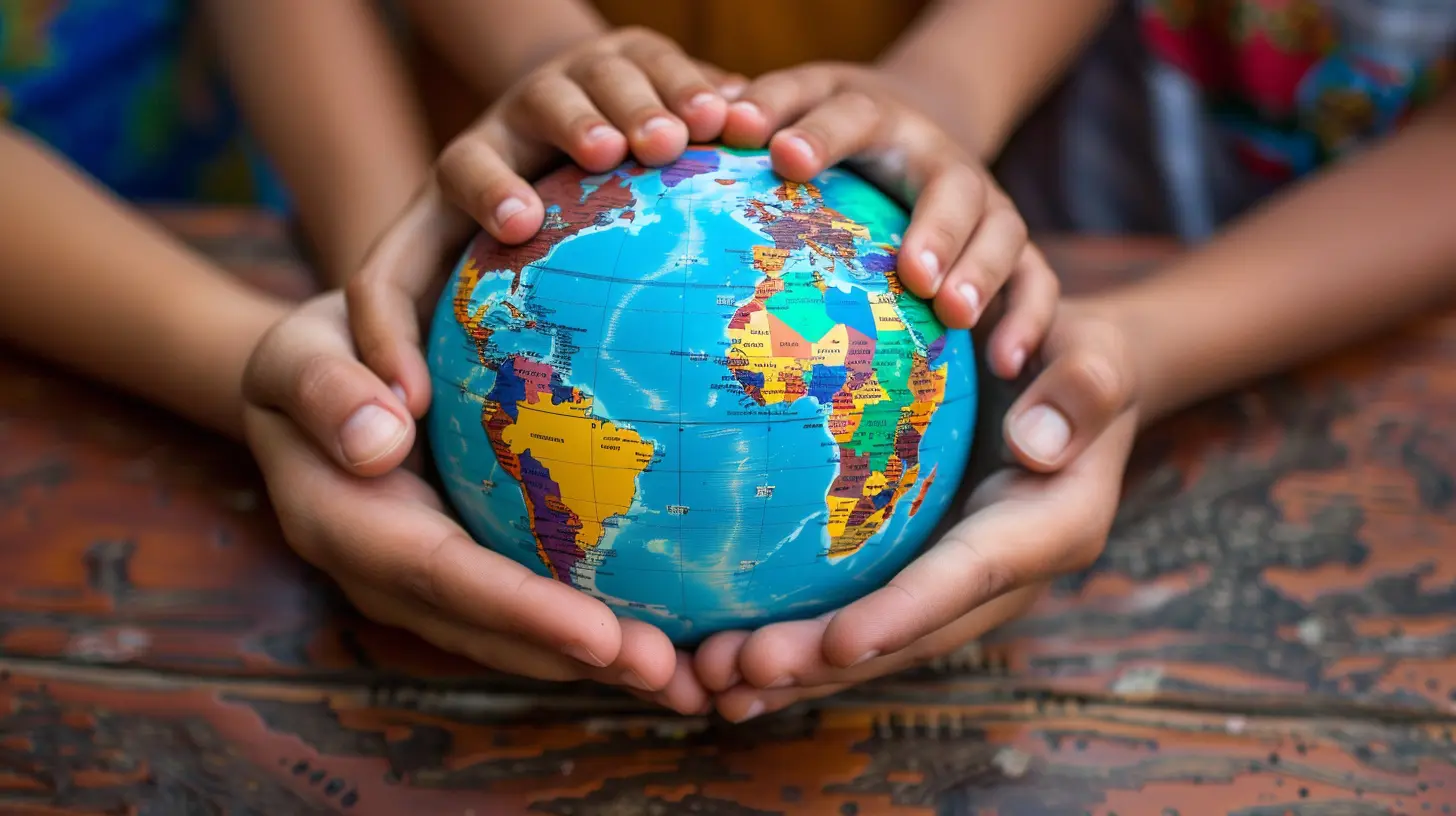
Benefits of Cross-Cultural Learning Communities
Engaging in cross-cultural learning communities offers numerous benefits to students and educators alike.Enhanced Cultural Awareness
Students exposed to diverse perspectives develop a deeper understanding of cultural nuances. This awareness helps combat stereotypes and promotes inclusivity.Improved Communication Skills
Interacting with peers from different backgrounds enhances communication skills. Students learn to express their ideas clearly and to listen actively, fostering better interpersonal relationships.Broadened Perspectives
Cross-cultural learning encourages critical thinking. Students are prompted to consider alternative viewpoints, which can lead to innovative solutions to global challenges.Strengthened Community Ties
These learning communities often extend beyond the classroom, fostering connections among families and local organizations. This strengthens community ties and enhances social cohesion.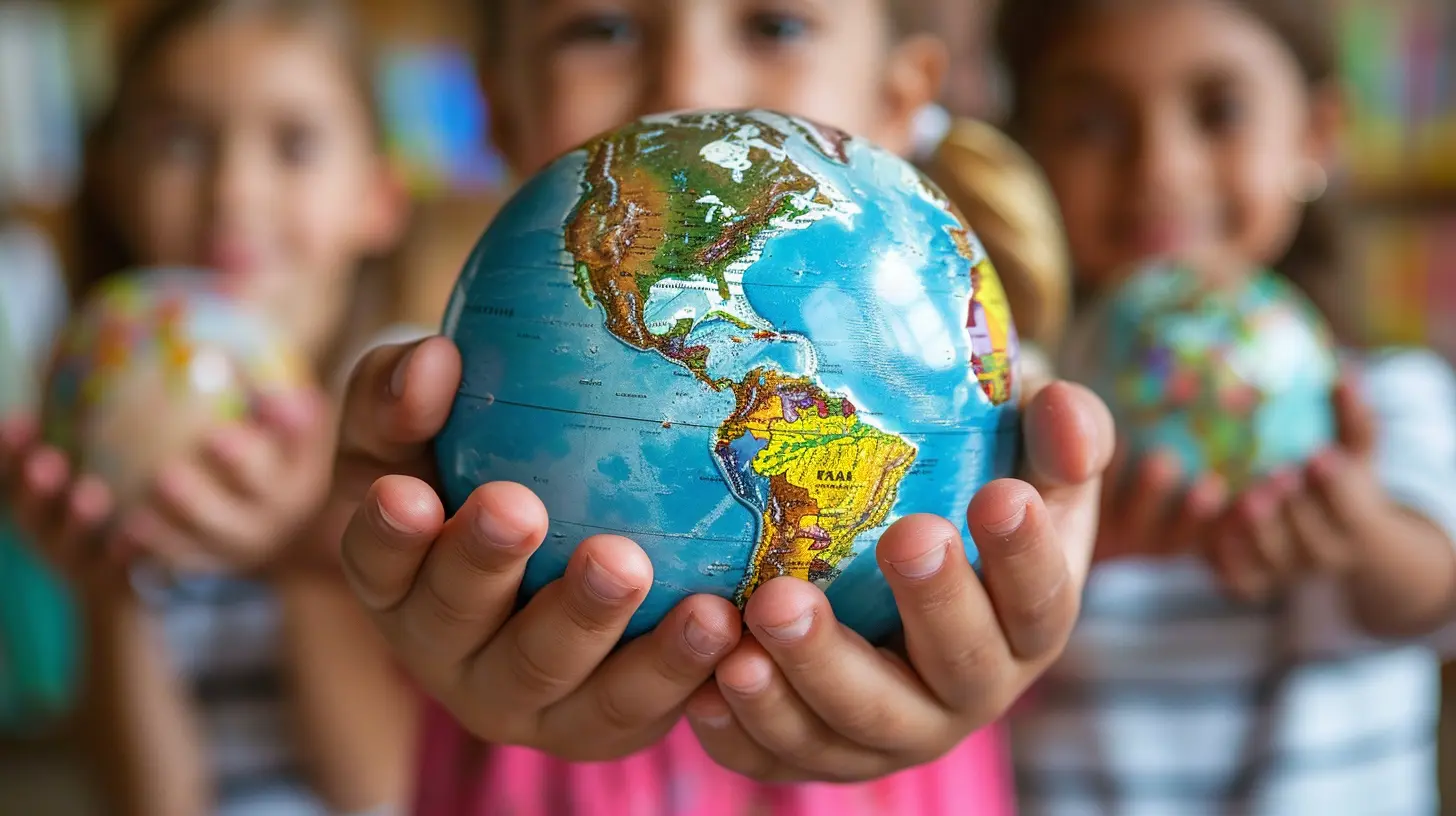
Challenges in Fostering Cross-Cultural Learning Communities
While the benefits are significant, creating effective cross-cultural learning communities is not without challenges. Educators must navigate various obstacles to ensure that these communities thrive.Language Barriers
Language differences can hinder communication and understanding. Educators must find ways to bridge these gaps, such as employing multilingual resources or encouraging peer support.Cultural Misunderstandings
Cultural differences can lead to misunderstandings. Educators should promote cultural sensitivity and provide training on how to navigate these complexities.Resistance to Change
Some students and educators may resist the idea of cross-cultural learning. Overcoming this resistance requires effective communication about the benefits and importance of global citizenship.Resource Limitations
Schools may lack the necessary resources to implement cross-cultural programs effectively. Educators should seek partnerships with local organizations or leverage technology to enhance learning experiences.Strategies for Creating Effective Cross-Cultural Learning Communities
To successfully foster global citizenship through cross-cultural learning communities, educators can implement several practical strategies.1. Curriculum Integration
Integrating global issues into the curriculum can help students connect classroom learning with real-world experiences. This can include:- Project-Based Learning: Encourage students to work on projects that address global challenges, such as climate change or poverty.
- Interdisciplinary Approaches: Combine subjects like history, geography, and social studies to provide a holistic understanding of global issues.
2. Collaborative Learning
Creating opportunities for collaborative learning can enhance peer interactions. Consider:- Group Projects: Assign students to work in diverse teams, allowing them to learn from one another.
- Peer Teaching: Encourage students to share their cultural knowledge with classmates, fostering mutual respect and understanding.
3. Cultural Exchange Programs
Facilitating cultural exchange programs can provide firsthand experiences of different cultures. Options include:- Student Exchange: Partner with schools in other countries to allow students to experience different educational environments.
- Virtual Exchanges: Utilize technology to connect classrooms globally, enabling students to engage with peers from diverse backgrounds.
4. Community Engagement
Engaging the local community enhances the learning experience. Strategies include:- Service Learning: Encourage students to participate in community service projects that address local and global issues.
- Guest Speakers: Invite individuals from diverse backgrounds to share their experiences and insights with students.
5. Professional Development for Educators
Educators play a crucial role in fostering cross-cultural learning. Providing professional development opportunities can help teachers:- Build Cultural Competence: Training on cultural awareness and sensitivity can equip educators to navigate diverse classrooms effectively.
- Share Best Practices: Creating platforms for educators to exchange ideas and strategies can enhance the overall effectiveness of cross-cultural initiatives.
Real-World Examples of Successful Cross-Cultural Learning Communities
Several educational institutions and programs exemplify successful cross-cultural learning communities.The Global Education Movement
Many schools have adopted global education frameworks, integrating global citizenship into their curricula. For instance, the International Baccalaureate (IB) program emphasizes intercultural understanding and respect, preparing students for a globalized world.The Global Citizen Year Program
Global Citizen Year offers high school graduates the opportunity to spend a year abroad, engaging in meaningful service in diverse communities. This program fosters cross-cultural understanding and prepares participants for global citizenship.Local Initiatives
Many local organizations create cross-cultural learning opportunities through community programs. For example, cultural festivals and exchange programs can bring together individuals from various backgrounds, promoting dialogue and understanding.Common Mistakes and Misconceptions
While fostering cross-cultural learning communities is essential, there are common pitfalls and misconceptions to be aware of.Oversimplifying Cultural Differences
One common mistake is oversimplifying cultural differences. Educators should emphasize that cultures are not monolithic and that individual experiences may vary widely within a cultural group.Focusing Solely on Awareness
While awareness is crucial, it should not be the only focus. Action and engagement are equally important in fostering global citizenship. Educators should encourage students to translate awareness into meaningful action.Neglecting Local Contexts
Global citizenship should not overshadow local issues. Educators must balance global perspectives with an understanding of local contexts, ensuring that students recognize the interconnectedness of both.
Best Practices for Sustaining Cross-Cultural Learning Communities
To ensure the longevity and effectiveness of cross-cultural learning communities, educators should consider the following best practices.Continuous Assessment and Feedback
Regularly assessing the effectiveness of cross-cultural initiatives allows educators to identify areas for improvement. Gathering feedback from students can provide valuable insights into their experiences and perceptions.Building Strong Partnerships
Collaborating with local organizations, cultural institutions, and international partners can enhance the resources available for cross-cultural learning. These partnerships can provide access to expertise, funding, and diverse perspectives.Encouraging Lifelong Learning
Fostering a culture of lifelong learning encourages students to continue exploring global issues beyond the classroom. Providing resources for further exploration can help sustain their interest and engagement.Celebrating Diversity
Recognizing and celebrating cultural diversity within the community can strengthen relationships and promote a sense of belonging. Events that highlight different cultures can foster appreciation and understanding among students.Conclusion
Fostering global citizenship through cross-cultural learning communities is essential in today's interconnected world. By creating inclusive environments that promote cultural understanding, educators can empower students to become responsible global citizens. While challenges exist, practical strategies and best practices can help build effective learning communities that prepare students to contribute positively to society.In an era where global issues are increasingly complex, the need for informed, empathetic, and engaged citizens has never been more pressing. By prioritizing cross-cultural learning, educators can equip students with the skills and perspectives necessary to navigate and address these challenges.
all images in this post were generated using AI tools
Category:
Learning CommunitiesAuthor:

Bethany Hudson

