How Virtual Learning Circles Will Transform Education in 2027
16 April 2026
Remember the feeling of being in a classroom, physically present, but mentally a million miles away? The clock ticks, the teacher’s voice becomes a distant hum, and your focus drifts out the window. Now, imagine a learning environment that’s the exact opposite—a space where you’re not just a passive listener, but an active participant in a dynamic, global conversation. A space that feels less like a lecture hall and more like a vibrant, intellectual campfire. This isn’t a distant dream; it’s the imminent reality of Virtual Learning Circles (VLCs), and by 2027, they are poised to fundamentally reshape the educational landscape.
Let’s pull back the curtain on this transformation. We’re not just talking about a fancy upgrade to Zoom classrooms. We’re talking about a philosophical and practical overhaul of how we define "class," "community," and "knowledge" itself. By 2027, the rigid, one-size-fits-all model of education will have given significant ground to fluid, personalized, and deeply collaborative circles of learning that exist beyond brick-and-mortar walls. Intrigued? You should be. Let’s dive into how this will unfold.
What Exactly Are Virtual Learning Circles?
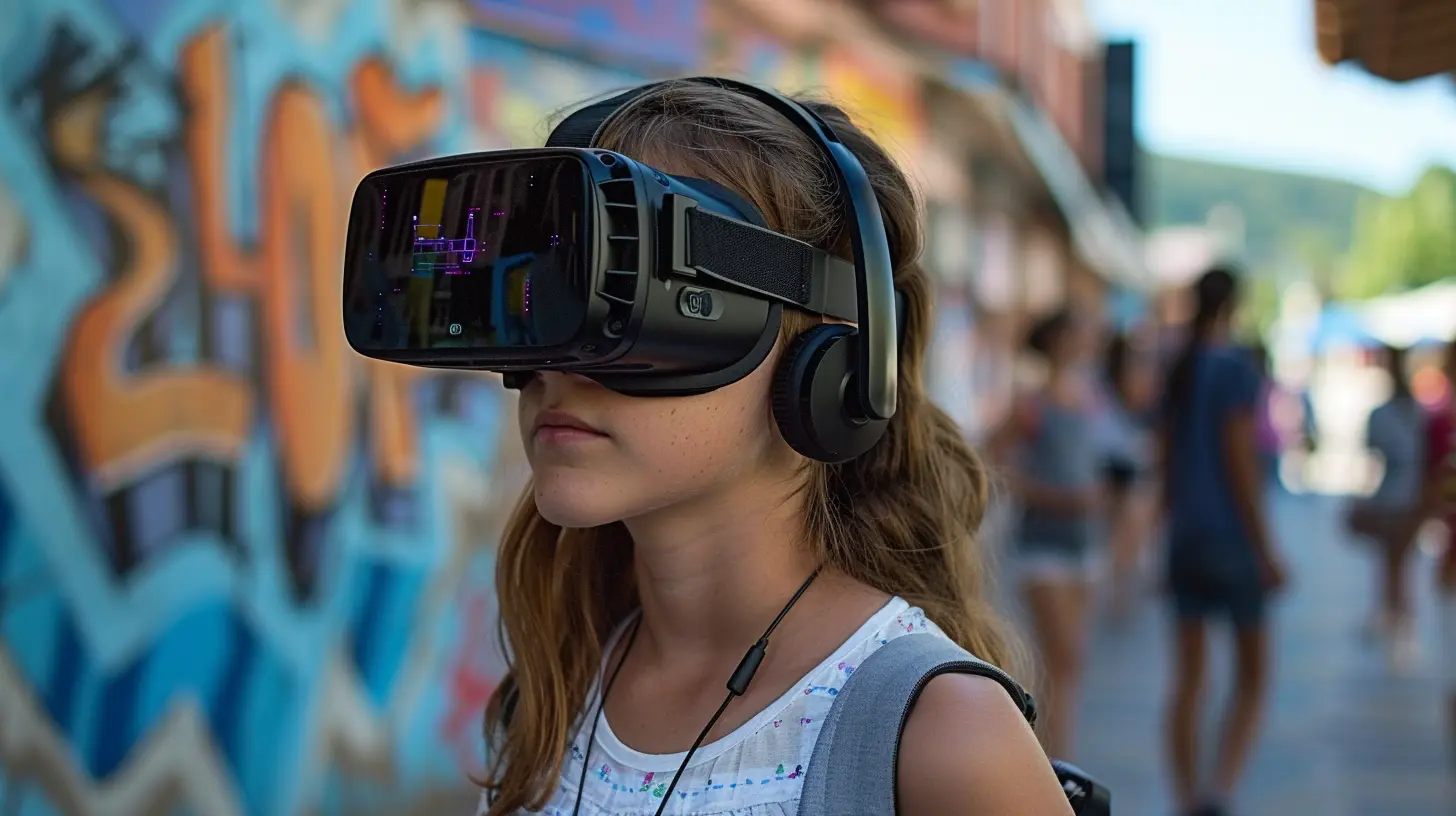
First, let’s demystify the term. A Virtual Learning Circle is a structured, yet flexible, online community of learners who gather with a shared purpose or to explore a specific topic. Think of it as a book club, a mastermind group, and a project-based classroom all fused together and supercharged by digital technology.Unlike a traditional Massive Open Online Course (MOOC), which often replicates the broadcast model of teaching (one expert to many passive students), a VLC is inherently participatory and peer-driven. The "circle" is key—it implies equality, continuous dialogue, and shared responsibility. The facilitator (who might be a teacher, an expert, or even a rotating student) guides the process, but the knowledge is co-created by everyone involved. The "virtual" part means this circle can include a student in Nairobi, a retired engineer in Oslo, and a high-schooler in Nebraska, all learning from and with each other in real-time.
The Catalysts: Why 2027 is the Tipping Point
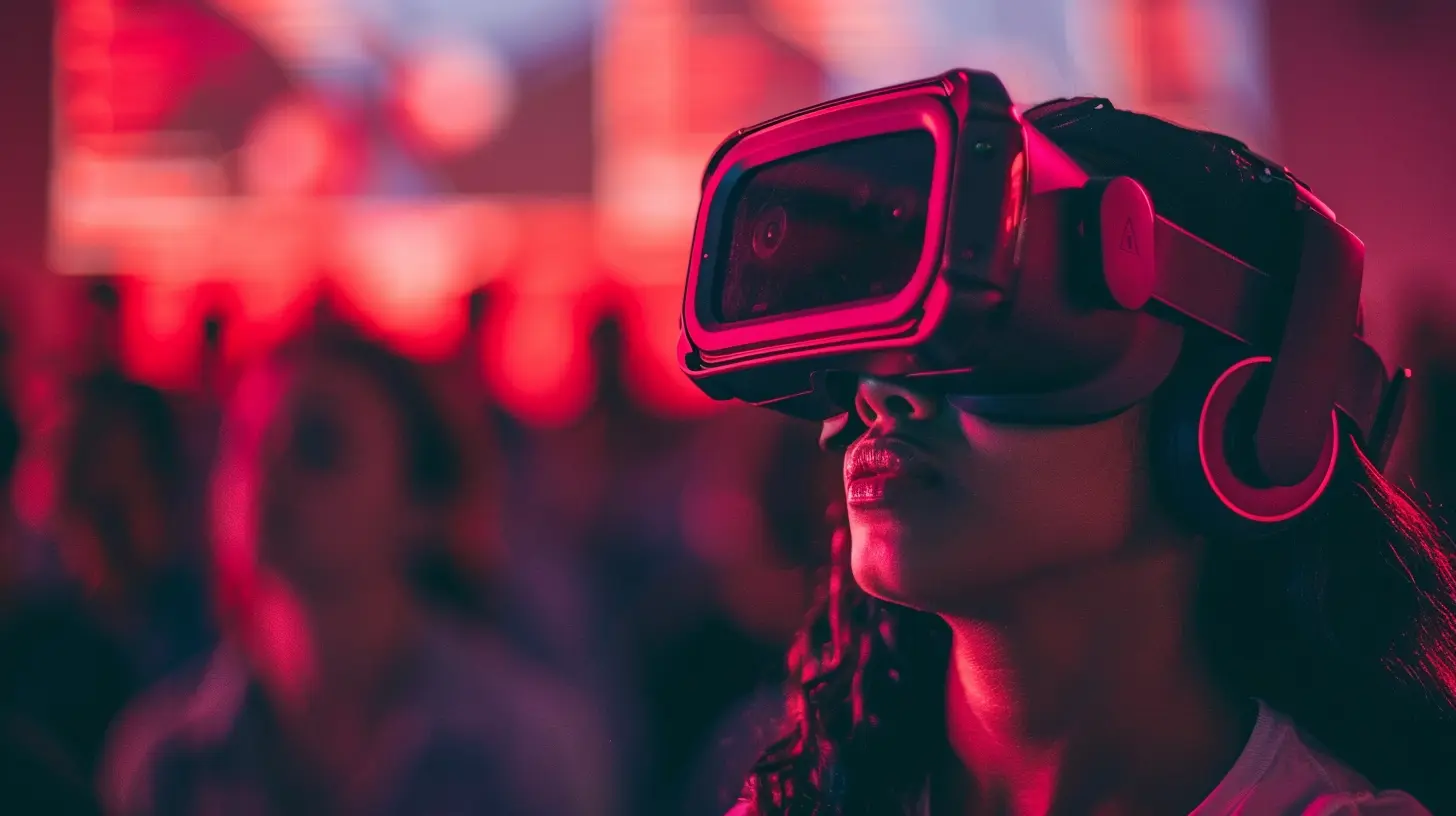
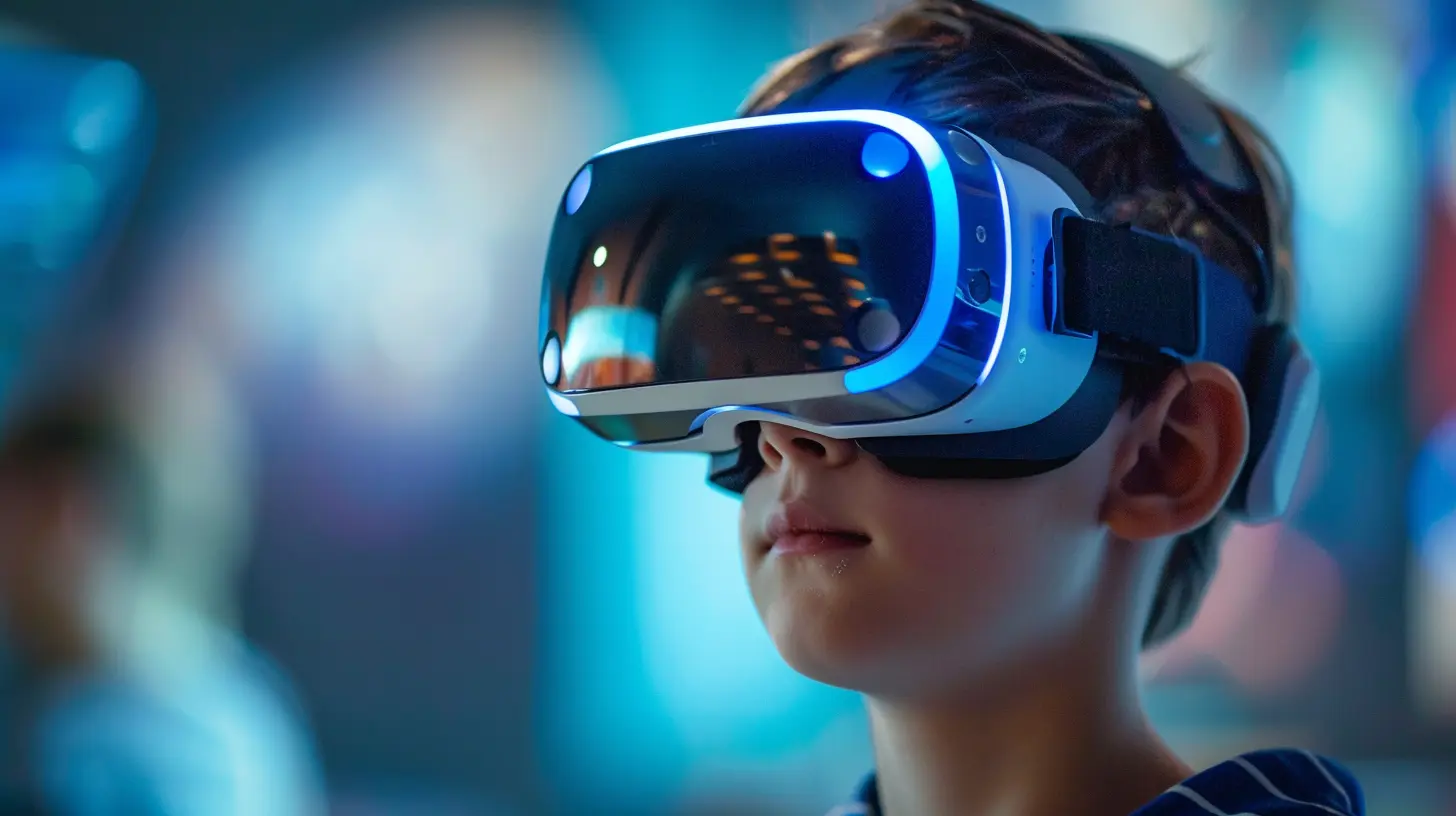
Why 2027? It’s not an arbitrary date. It’s the convergence point of several powerful technological and social trends that have been building for years. The Maturation of Immersive Tech: By 2027, affordable VR/AR headsets will be as common as tablets are today. Imagine a biology VLC not watching a video of a cell, but standing inside* a 3D model of it, pointing out organelles to peers who appear as avatars right beside you. This level of immersion shatters the "flatness" of screen-based learning.
* AI as a Personalized Learning Concierge: Artificial Intelligence will have evolved from a grading assistant to a core circle member. An AI could analyze discussion patterns, suggest resources tailored to an individual’s confusion points, form sub-groups based on complementary skills, and even provide real-time language translation, making global circles seamless.
* The Demand for "Human" Skills: The job market is screaming for collaborators, critical thinkers, and communicators—skills honed in dialogue, not monologue. VLCs are the perfect gym for these muscles. Employers in 2027 will value a portfolio of collaborative projects from diverse VLCs as much as a traditional degree.
* Post-Pandemic Digital Fluency: Students, teachers, and parents who experienced the emergency remote learning of the early 2020s will have developed a sophisticated digital fluency. The fear and friction will be gone, replaced by an expectation for high-quality, intentional online learning experiences.
The Transformation: A Day in the Life of a Learner in 2027
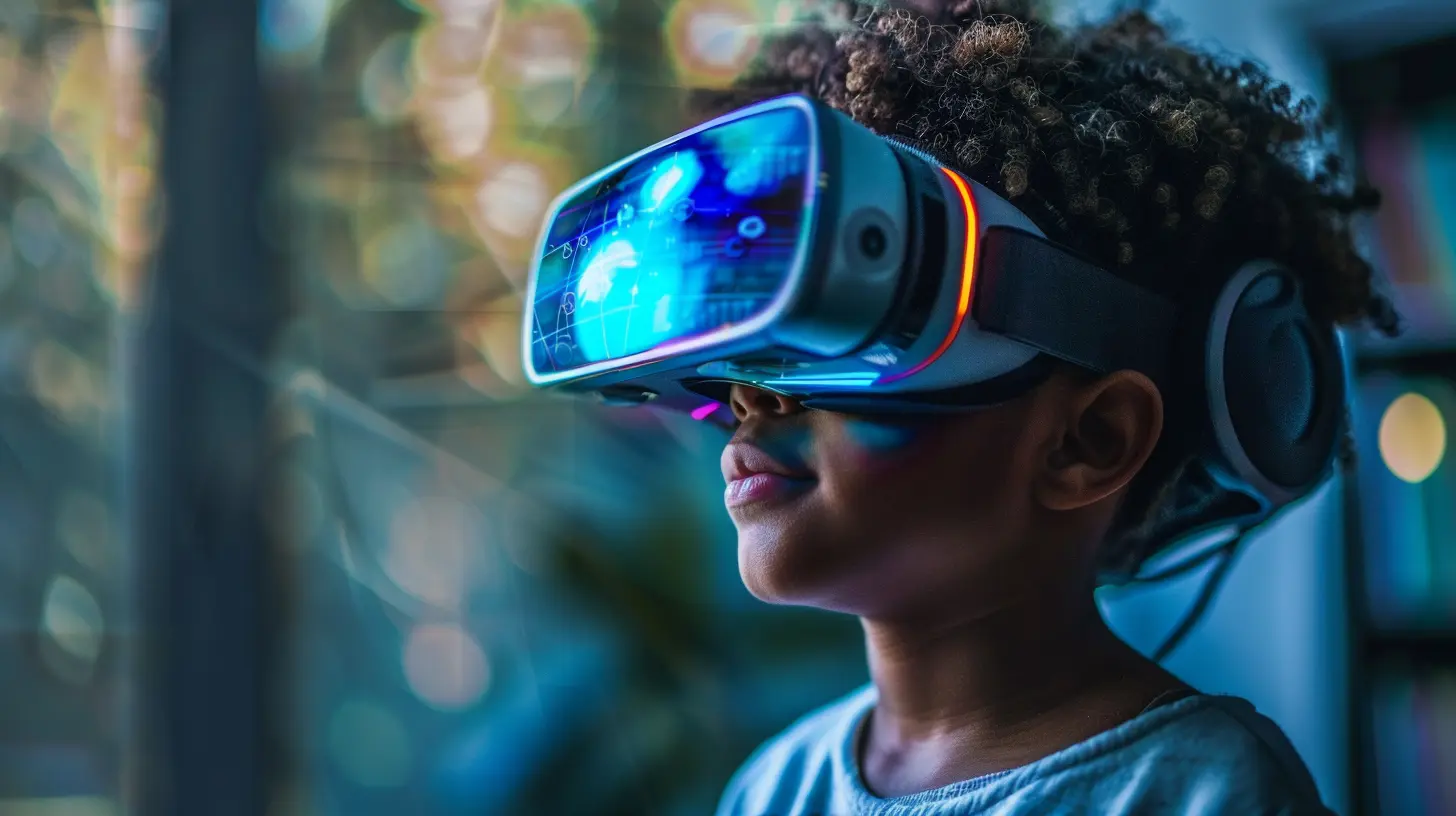
Let’s make this concrete. Meet Alex, a 16-year-old in 2027.Her morning might start in her "Global Climate Solutions" VLC. Using a lightweight AR headset, she and peers from four continents are virtually "placed" on a melting glacier in Greenland, viewing real-time data overlays. They’re not just learning about climate change; they’re feeling its urgency together. Their task is to draft a policy brief. Alex, strong in data, works with Marco from Italy on statistics. Li from Singapore, a great writer, begins the narrative. The group’s AI facilitator nudges them to consider an economic perspective they’d overlooked.
In the afternoon, Alex switches gears to her "Ancient Philosophy Through Modern Games" VLC, a passion project she chose. The circle is discussing Stoicism while collaboratively modding a popular game to reflect its principles. A retired professor from Athens is a participant, not a lecturer, offering insights when the group gets stuck. The learning is applied, immediate, and deeply engaging.
Finally, she logs into a smaller, peer-led "Algebra II" support circle with three classmates. They use a shared digital whiteboard that feels like scribbling on the same notebook. They teach each other, solidifying their own understanding in the process. Her traditional school hasn’t disappeared, but it now serves as a hub—a place for labs, face-to-face mentorship, and socializing—while the core of her academic growth happens in these fluid, purpose-built circles.
The Ripple Effects: How VLCs Change Everything
This shift to VLCs isn’t just a new tool; it’s a new ecosystem. The ripple effects will touch every aspect of education.1. The Death of the Geographic Lottery
Your educational opportunities will no longer be limited by your zip code. A student in a rural community can join a world-class robotics circle or a specialized literature seminar. This democratizes access to expertise and diverse perspectives in an unprecedented way.2. Teachers Become "Learning Designers" and Facilitators
The role of the educator transforms dramatically. The prime skill won’t be lecturing for 50 minutes; it will be curating experiences, facilitating powerful discussions, and building inclusive digital communities. Teachers will design the frameworks for circles, source amazing global facilitators, and provide the one-on-one mentorship that AIs cannot. They become coaches of the learning process itself.3. Assessment Gets Real (and Authentic)
Forget the bubble sheet. How do you assess someone in a VLC? You look at their contributions: the quality of their questions, their ability to build on others' ideas, their collaborative project output, their peer feedback. Assessment becomes continuous, multifaceted, and based on real-world skills. Digital portfolios and badges earned within circles will form a "learning transcript" far richer than a GPA.4. Lifelong Learning Becomes the Default
If learning is a series of engaging circles you join based on curiosity or career need, then the idea that education ends at 22 becomes absurd. A 45-year-old engineer can join a "Bio-inspired Design" circle. A 70-year-old can explore "The History of Jazz." Education becomes a lifelong, modular practice, seamlessly integrated into our lives.Navigating the Challenges: It’s Not All Utopia
Of course, this future has hurdles. We can’t ignore them.* The Digital Divide 2.0: Access to reliable, high-speed internet and quality devices becomes even more critical. If we’re not careful, VLCs could create a new kind of inequity. The solution must involve public policy treating internet access as a fundamental utility.
* The Human Connection Question: Can a virtual circle truly replicate the bonding of a physical one? The goal isn’t replication, but creating a new kind of meaningful connection. The focus on shared purpose and deep collaboration can forge surprisingly strong bonds, even through a screen.
* Quality Control and Credentialing: With circles popping up everywhere, who vouches for their quality? We’ll likely see the rise of new accreditation bodies—perhaps reputation-based platforms (like a LinkedIn for learning circles) or endorsements from trusted institutions.
The Bottom Line: A More Human Way to Learn
Here’s the beautiful paradox: using advanced technology, Virtual Learning Circles promise to make education more human. They center on dialogue, not delivery. They value community over compliance. They prioritize application over memorization.By 2027, the question won’t be, "Where did you go to school?" but "What circles have you been part of, and what did you create there?" The transformation is from a factory model of education—input, process, standardized output—to a garden model. Educators will cultivate the conditions (rich soil, sunlight, structure) and learners will grow in their own unique directions, supported by a thriving ecosystem of peers.
The bell signaling the end of the old way is ringing. Are you ready to join the circle? The future of learning is communal, it’s global, and it’s waiting for you to take a seat.
all images in this post were generated using AI tools
Category:
Learning CommunitiesAuthor:

Bethany Hudson
Discussion
rate this article
2 comments
Honor Fry
Virtual learning circles may redefine education by fostering collaboration and personalized learning experiences. This shift could empower students to take charge of their education and develop critical thinking skills, ultimately shaping a more engaged and innovative generation.
May 4, 2026 at 3:09 AM
Bethany Hudson
I appreciate your insights. Virtual learning circles indeed have the potential to enhance collaboration and empower students, setting the stage for a more engaged learning environment. It will be exciting to see how this evolves.
Josie Adkins
Oh sure, because who wouldn’t want to learn in a virtual circle? I mean, regular circles just aren’t cutting it anymore, right?
April 18, 2026 at 2:51 AM
Bethany Hudson
I get where you're coming from! Virtual learning circles bring new opportunities for collaboration and engagement that traditional settings can struggle with. It's all about enhancing the learning experience.