How to Foster a Culture of Safety in Schools
16 June 2026
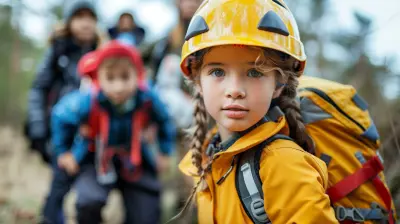
Let’s be real—schools should be safe havens. A place where kids can learn, grow, and just be themselves without constantly looking over their shoulders. But with everything going on in the world, "safety" means a lot more than just practicing fire drills or putting up a few security cameras. It's deeper than that. It’s about building a culture—a mindset—where every student, teacher, and staff member feels secure, supported, and respected.
So, how do we get there? How do we create this culture of safety in schools? Buckle up, because we’re going to walk through some practical, human-centered steps to build safer schools from the inside out.
What Does a "Culture of Safety" Really Mean?
Before we dive into the how-to, let's talk about the what. A “culture of safety” isn’t about fear or overprotectiveness. It’s about trust, communication, and community. It means safety is not just a policy—it's woven into the daily fabric of school life.We’re talking about emotional safety, physical safety, digital safety, and even psychological safety. It’s the kind of environment where students feel free to speak up, take risks (the healthy kind!), and know that someone’s got their back.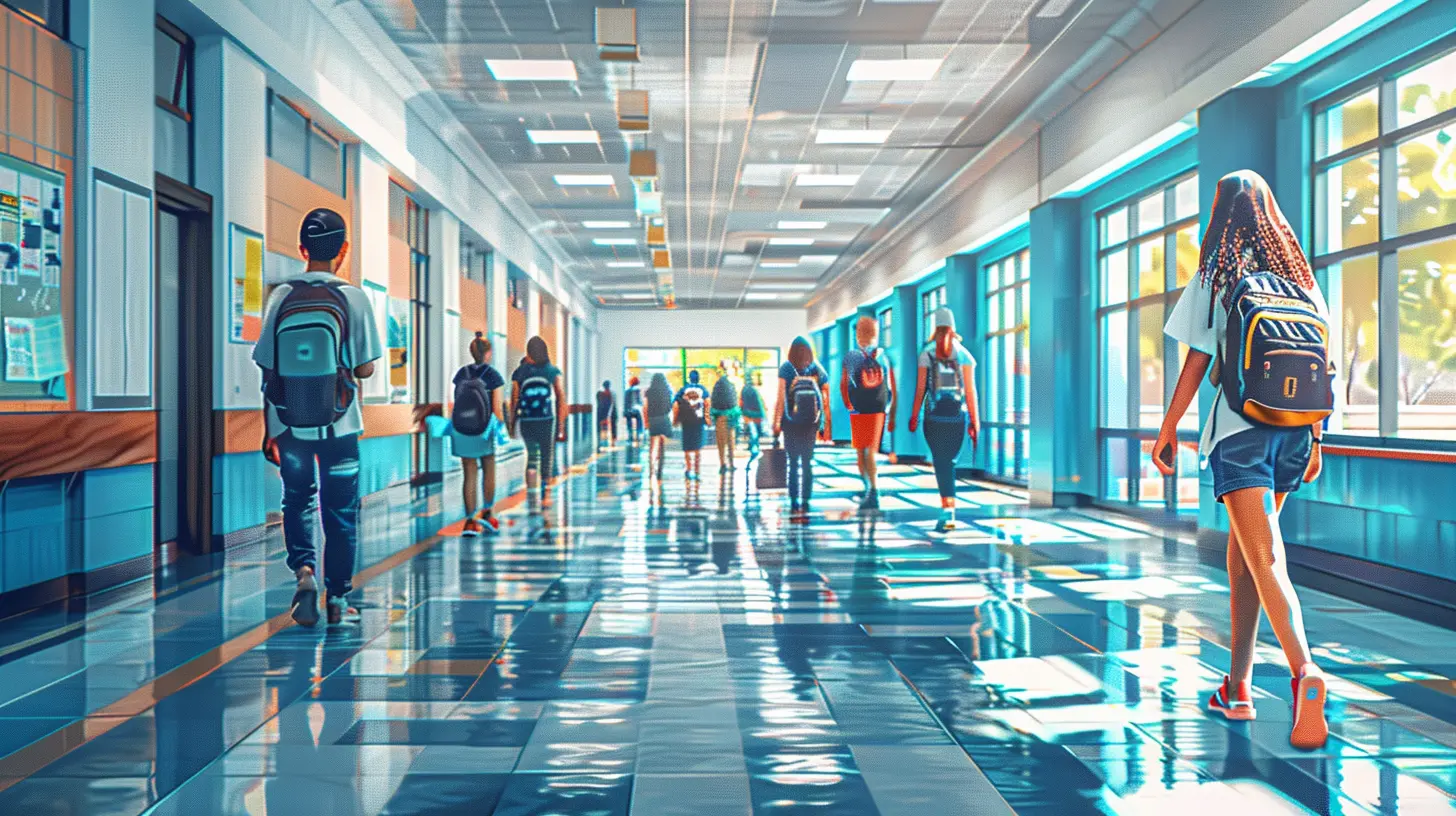
Why Safety Goes Beyond Locking Doors
Sure, physical security is crucial. Locked doors, visitor check-ins, and emergency protocols are necessary. But fostering a culture of safety is like tending a garden. Locking the door is like installing a fence—it helps, but it’s not enough. You also need to plant the right seeds, water them, and protect them from storms.When the culture is right, safety becomes something everyone owns. It’s not just the principal’s job or the security guard’s responsibility—it belongs to the entire community.
1. Start with Relationships
Let’s be honest—nothing beats the power of human connection. When students feel known and valued, they’re more likely to respect each other and follow the rules.Build Trust Between Staff and Students
Teachers, this one's for you: take a moment to check in with your students. Learn their names. Know what makes them laugh. Ask about their weekend. It might seem small, but it builds trust—and trust makes it easier to spot when something's off.Include Parents and Families
Parents are your partners, not just spectators. Keep them in the loop. Share the good and the bad. Let them be part of the solution when problems come up. That consistent communication builds a safety net around each student.
2. Teach Social-Emotional Skills
Think of social-emotional learning (SEL) as emotional armor. It helps students manage stress, resolve conflicts, and build healthy relationships.Prioritize SEL in the Curriculum
Make time for it like you would for math or science. Whether it's during advisory periods, morning meetings, or standalone lessons, SEL deserves a regular spot on the schedule.Model It as Adults
Students learn more from what you do than what you say. So, demonstrate empathy, active listening, and problem-solving in your own interactions. Actions speak louder than textbooks.3. Make Safety a Shared Responsibility
Creating a safe school isn’t a one-person mission. It takes a village—and every member has a role to play.Involve Students in Safety Planning
Don’t just hand down rules—build them together. When students help shape the behavior expectations or contribute ideas to improve safety, they take ownership. And ownership breeds accountability.Empower Staff with Training
Give teachers and support staff the training they need to recognize red flags, de-escalate conflict, and support students in crisis. Knowledge is power, and preparation reduces panic.4. Address Bullying Head-On
Bullying is like a weed—it grows fast and strangulates school culture if left unchecked. You’ve got to pull it out by the root, not just trim it when it gets ugly.Create a Zero-Tolerance Policy (And Enforce It)
Make sure students know that bullying isn’t just frowned upon—it’s not acceptable, period. But also emphasize kindness and inclusion rather than just punishments. Focus on building a better culture, not just pointing fingers.Establish Anonymous Reporting Systems
Not every student feels safe speaking up face-to-face. Tools like anonymous tip lines or digital reporting apps empower students to report bullying without fear of retaliation.5. Have Clear, Communicated Safety Protocols
Chaos breeds fear. When everyone knows what to do in a crisis, it brings a sense of calm in the storm.Regularly Practice Emergency Drills
Yes, we all dread them—but they matter. Go beyond the basic fire drill. Include lockdowns, evacuations, and even earthquake or tornado simulations if relevant to your area.Post Procedures Clearly
Use posters, infographics, and age-appropriate signs throughout the school to remind everyone what to do. Consistency and visibility reinforce preparedness.6. Design Safe and Inclusive Spaces
The physical environment plays a big role in how safe people feel. You don't need a million-dollar renovation to make your campus safer and more welcoming.Keep Hallways Clean and Well-lit
A dark, cluttered hallway isn’t just a safety hazard—it’s intimidating. Good lighting and open spaces make people feel secure and help adults monitor behavior.Create “Safe Zones”
These can be rooms, benches, or even designated corners where students can take a breath, speak to a counselor, or just reset. Think of them as emotional pit stops.7. Promote Mental Health Support
Mental health isn't just a buzzword—it's the foundation of student well-being. A culture of safety must prioritize emotional and psychological stability.Normalize Conversations Around Mental Health
Talk about it openly. Invite speakers, run workshops, and let students know it’s okay to not be okay. Break the stigma before it breaks them.Hire Qualified Counselors
A school without adequate mental health professionals is like a hospital without nurses. Invest in staff who are trained to handle emotional distress and guide students through tough times.8. Use Technology Wisely
Let’s face it—technology is here to stay. From smartphones to Chromebooks, students are constantly connected. And that’s both a blessing and a potential hazard.Monitor Online Behavior Sensibly
Set clear rules for digital behavior, but avoid micromanaging. Balance student privacy with safety. Kids should know you’re looking out for them, not spying on them.Teach Digital Citizenship
Equip students to navigate the online world with integrity. Talk about cyberbullying, online predators, and the power of their digital footprint.9. Recognize and Reward Positive Behavior
When we only focus on punishment, we miss half the story. A culture of safety is rooted in positivity and proactive choices.Highlight Everyday Heroes
Catch students doing the right thing—and celebrate it. Create bulletin boards, shout-outs during announcements, or monthly awards for kindness, honesty, and helpfulness.Build a Peer Leadership Team
Let older students mentor younger ones. Peer leaders can set the tone, mediate conflicts, and help teach safety practices in a relatable way.10. Keep Growing and Evaluating
A safe culture isn’t a one-and-done deal. It evolves. So should your approach.Gather Regular Feedback
Ask students, staff, and parents how safe they feel. Use surveys, focus groups, and one-on-one chats to get real insights. Then... act on them.Adjust Strategies as Needed
If something isn’t working, don’t double down—pivot. Be flexible, stay curious, and always look for better ways to support your school community.Final Thoughts: Safety Is a Journey, Not a Destination
Let’s not sugarcoat it: fostering a culture of safety in schools is hard work. It takes time, effort, and a whole lot of heart. But here’s the good news—you don’t have to be perfect to make progress. Every handshake, every listening ear, every small act of kindness builds the kind of environment where safety becomes second nature.So let’s roll up our sleeves, listen to our kids, walk the halls with intention, and keep pushing toward the kind of schools we’d all want our own children to attend. Because when kids feel safe, the sky’s the limit.
all images in this post were generated using AI tools
Category:
School SafetyAuthor:

Bethany Hudson
Discussion
rate this article
1 comments
Julian Gray
This article highlights essential steps for creating a safe school environment. Thank you for sharing these insights!
July 2, 2026 at 10:54 AM
Bethany Hudson
Thank you for your feedback! I'm glad you found the insights valuable. Creating a safe school environment is crucial.