How Collaborative Learning Fosters Leadership Skills in Students
4 October 2026
Let’s face it—school isn’t just about textbooks, exams, and grades. It’s also where young minds pick up life skills that stick with them forever. One of the most underrated superpowers students can develop is leadership. Now, you might be thinking, _“Leadership? In a classroom?”_ Yep, you heard that right.
Leadership doesn’t only grow when someone becomes the captain of a sports team or the student council president. It can (and often does) emerge in group projects, peer discussions, and team-based learning. That’s where collaborative learning makes its entrance.
So, let’s dive into how collaborative learning is more than a classroom buzzword—it's the secret sauce that helps students grow into confident, responsible leaders who know how to work with others and guide them too.
What is Collaborative Learning, Anyway?
Picture this—you’re in a group with a few classmates, working together on a project. Instead of one person doing all the work (you know who you are), everyone’s involved, sharing ideas, solving problems, and building something as a team.That’s the essence of collaborative learning. It’s learning with each other, not just from a teacher. Think of it like a choir: each voice matters, but together, they create magic.
This method encourages students to communicate, compromise, and contribute—all ingredients in the recipe for leadership.
Why Leadership Skills Matter Early On
Let’s press pause for a second and ask: why do kids even need leadership skills?Well, modern education isn’t just about stuffing heads with facts. It’s about shaping capable individuals who can take initiative, work in teams, solve problems, and inspire others—skills that come in handy everywhere from boardrooms to volunteer events.
Leadership experience at a young age can:
- Boost self-confidence
- Improve decision-making
- Nurture empathy and understanding
- Develop communication and interpersonal skills
And guess what? Collaborative learning gives students plenty of opportunities to practice these.
The Link Between Collaboration and Leadership
Okay, here’s where things get real.When students work together, leadership naturally finds its way into the mix. Not everyone can lead at the same time, right? So someone steps up. Maybe it’s the person who organizes the project, or the one who motivates others when the group is stuck, or the quiet one who resolves conflicts smoothly.
In every group, roles begin to form—and that’s where students start flexing their leadership muscles.
Let’s break it down.
1. Encourages Initiative and Ownership
In collaborative settings, there’s no room for hiding in the back row. Everyone has a role, and students learn quickly that if they don’t take initiative, things won’t move forward.This sense of ownership teaches them to speak up, suggest ideas, and lead parts of the project without being formally assigned. That’s the first step in leadership—taking action without being told.
Think about it like this: collaborative learning is the gym, and initiative is the first big lift. It builds strength from within.
2. Builds Communication Skills (A Leadership MUST)
Great leaders are great communicators. And group activities are the perfect sandbox for practicing those skills.Students have to explain their thoughts clearly, listen actively, disagree respectfully, and sometimes persuade others. There’s a bit of give and take, just like in real-life leadership scenarios.
And let’s not overlook the quiet kids. In a small group setting, they often find their voice and start contributing more. Collaborative learning gives everyone a chance to be heard—an essential lesson for any leader.
3. Fosters Empathy and Emotional Intelligence
Here’s a truth bomb: leadership isn’t about bossing others around. It’s about understanding others, recognizing strengths in teammates, and supporting them when needed.In collaborative learning, students are exposed to different perspectives, backgrounds, and ways of thinking. They learn patience. They learn to empathize with someone struggling or disagreeing.
This boost in empathy and emotional intelligence is like leadership fuel—it helps individuals become not just effective, but _respected_ leaders.
4. Develops Conflict Resolution Skills
Let’s be real: group work isn’t always rainbows and harmony. Disagreements happen. And that’s not a bad thing!In fact, learning to manage conflict in a respectful, constructive way is a core leadership ability. Through collaborative learning, students pick up the skills to mediate disputes, find compromises, and keep things on track.
These are golden moments—mini crash courses in diplomacy and negotiation. Ask any good leader, and they’ll tell you these are must-have skills.
5. Teaches Delegation and Responsibility
One of the hardest things to learn as a leader? You can’t do everything yourself.Collaborative learning shows students that too. They learn to divide tasks, trust others, and be accountable for their own part. When something goes wrong, there’s no finger-pointing—students learn to fix it together.
It’s about trusting the team and letting go of micromanagement—a lesson some adults haven’t even learned yet!
6. Encourages Reflective Thinking
Reflection is the secret weapon of great leaders.When students collaborate, they often review what worked and what didn’t. Whether it's a teacher's prompt or a casual post-project chat, they’re evaluating their choices, their roles, and the group's dynamics.
They start to ask themselves: “Did I do my best?” “Could I have communicated better?” This kind of self-awareness feeds leadership growth like fertilizer to a plant.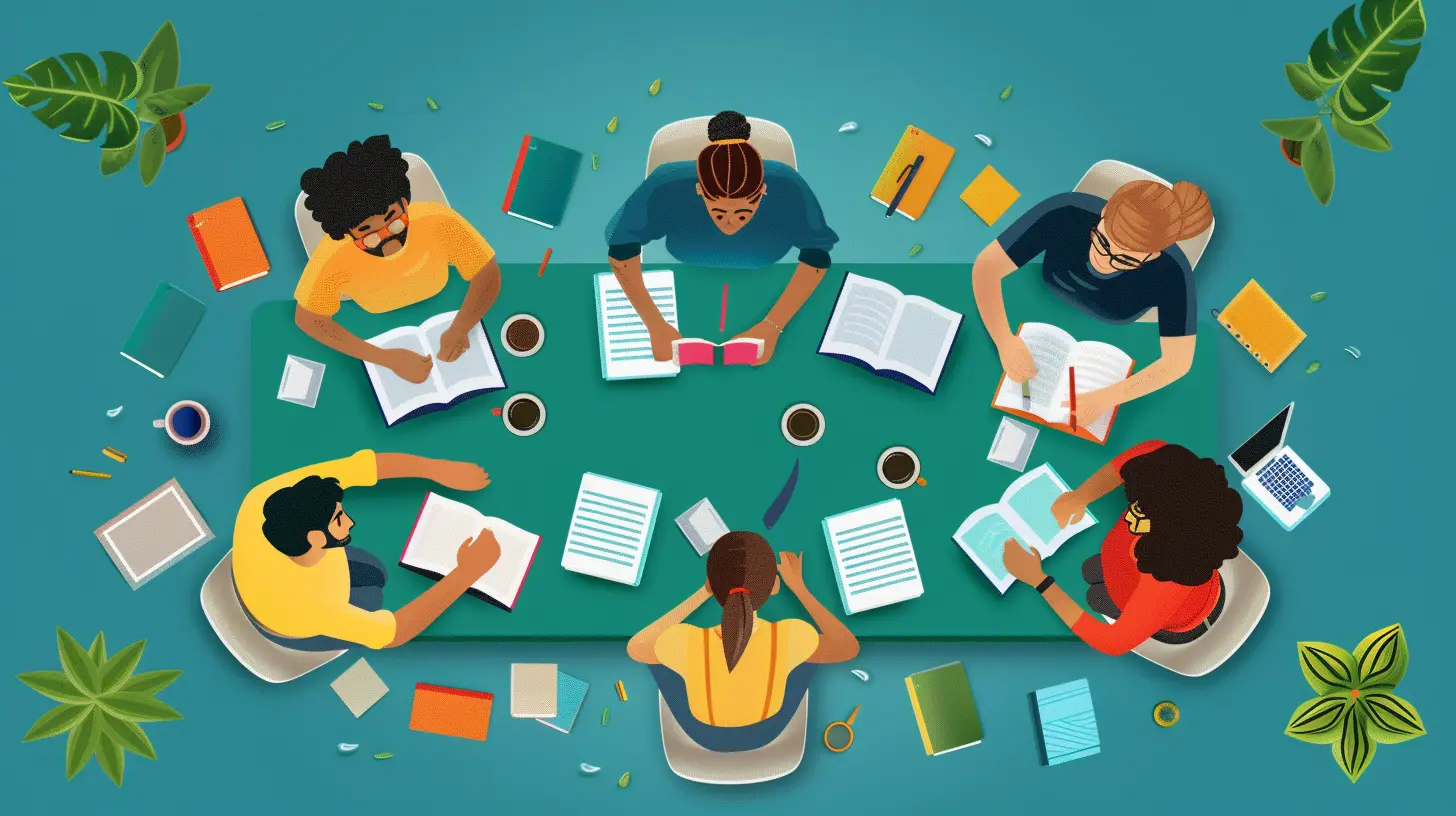
Real-Life Examples: Leadership in Action
Here’s a peek into how collaborative learning actually shapes leadership with real-world classroom examples:- The Project Captain: In a science fair team, one student naturally takes charge of organizing tasks, keeping everyone on schedule, and ensuring goals are met. They’re not bossy—they’re providing direction (hello, future CEO!).
- The Quiet Strategist: Another student, not so vocal, becomes the go-to person for developing ideas and problem-solving when the group gets stuck. They’re leading in their own thoughtful way.
- The Diplomat: Two students argue over design ideas. A third steps in, listens to both sides, and helps them reach a compromise, showing emotional intelligence and maturity. That’s conflict resolution at work.
Each role is different, but all are essential to effective collaboration—and all are shades of leadership.
How Teachers Can Make It Happen
Teachers, listen up! You play a key role in making all this magic happen.Here are a few ways to actively foster leadership through collaborative learning:
- Design Diverse Group Work: Rotate group members often to expose students to different personalities and working styles.
- Assign Rotating Roles: Give students leadership roles like "project lead," "timekeeper," or "discussion manager" to spread the responsibility.
- Encourage Reflection: After each project, ask students to reflect on their teamwork experience. What was challenging? What did they learn about themselves?
- Celebrate Leadership Moments: Recognize both big and small acts of leadership—this boosts confidence and encourages others to step up.
Remember, you’re not just teaching lessons. You’re guiding future leaders.
The Long-Term Impact: Beyond the Classroom
So, what happens when students regularly engage in collaborative learning and grow their leadership muscles?The benefits stretch far beyond school. These students step into college, jobs, and communities already equipped with:
- Teamwork savvy
- The ability to make decisions under pressure
- Strong communication habits
- A sense of accountability and confidence
They’re the ones who’ll lead group presentations in college, manage projects at work, or coordinate community events with flair. In short, they’re ready to lead—because they’ve been doing it all along.
Final Thoughts
Leadership isn’t something you wake up with one day; it’s something you build, moment by moment. Collaborative learning gives students the chance to stretch those leadership legs in a real, meaningful way.It’s like planting seeds—every group project, every peer discussion, every shared win or hiccup helps leadership roots grow deeper.
So, whether you’re a student, a parent, or a teacher, know this: collaborative learning isn’t just about finishing assignments together. It’s about shaping tomorrow's leaders—one group at a time.
all images in this post were generated using AI tools
Category:
Collaborative LearningAuthor:

Bethany Hudson
Discussion
rate this article
1 comments
Eli Sharp
Collaborative learning: where teamwork makes the dream work... and leaders!
October 4, 2026 at 3:50 AM