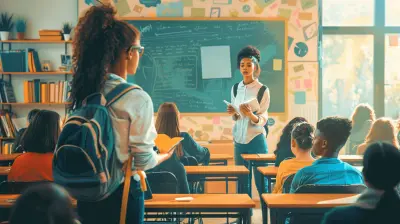
How Cross-Age Collaboration Benefits Both Younger and Older Students
12 March 2026
Education isn't just about textbooks, exams, and grades—it's about experiences, relationships, and real-world skills. One of the most underrated but incredibly powerful learning strategies is cross-age collaboration, where younger and older students work together.
You might be wondering, "Why does this matter?" Well, think about it: when you teach someone else, you reinforce your own understanding. And when you learn from a peer who's a little ahead of you, it feels more relatable.
In this article, we'll dive deep into how cross-age collaboration benefits both younger and older students, shaping them into more confident, capable, and compassionate individuals. 
What is Cross-Age Collaboration?
Cross-age collaboration is when students from different age groups come together for shared learning experiences. This can happen in many ways, such as:- Peer mentoring – Older students help younger ones with academics or personal development.
- Buddy programs – Pairing up students from different grades to support and learn from each other.
- Project-based learning – Groups of mixed-age students working on a common goal or assignment.
Instead of learning in isolated age groups, students engage in a multi-age environment where everyone benefits. But how exactly does this help? Let's break it down. 
How Younger Students Benefit
1. Gaining Confidence in Learning
Younger students often look up to older peers. When they're mentored or guided by them, they feel more comfortable asking questions. Unlike a teacher-student dynamic, this setting feels more relaxed and approachable.Think about it—would you rather ask a strict teacher a "silly" question or a friendly senior who has been in your shoes before? Younger students feel less pressure, which boosts their confidence in learning.
2. Accelerated Skill Development
Learning from older peers means younger students get exposed to advanced concepts earlier. This improves their skills, whether it's reading, problem-solving, or teamwork.For example, a fourth grader working with a sixth grader on a science project might learn concepts they wouldn’t have encountered otherwise. This exposure plants the seeds for future academic success.
3. Improved Social Skills
Cross-age collaboration encourages younger students to:- Communicate clearly
- Listen actively
- Work as a team
These interactions enhance emotional intelligence and social skills, making them more adaptable in various settings. They learn that asking for help is normal and that teamwork leads to success.
4. Motivation to Improve
When a younger student sees an older peer excelling, they instinctively want to rise to that level. It inspires them to work harder, dream bigger, and push beyond their limits.It’s like having a big sibling who makes you want to try harder at sports, reading, or any skill. The motivation is natural and powerful. 
How Older Students Benefit
1. Strengthening Leadership Skills
Teaching someone else is one of the best ways to develop leadership. Older students who mentor younger ones learn how to:- Communicate ideas better – Simplifying complex topics improves their explanation skills.
- Be patient – Not everyone understands things at the same pace.
- Take responsibility – Being a role model encourages them to set a good example.
These leadership skills will help them throughout life—whether in future careers, college, or personal relationships.
2. Reinforcing Their Own Knowledge
Here's a secret: when you teach something, you understand it better yourself.Explaining math problems or guiding a younger student through a reading assignment forces older students to solidify their own knowledge. It’s like reviewing lessons without realizing it!
3. Boosting Self-Confidence
Being in a mentoring position makes older students feel valued. It’s a reminder that they have useful knowledge, and their help makes a difference.This confidence boost can spill into other areas of life—public speaking, decision-making, or even stepping up in leadership roles outside school.
4. Developing Empathy and Patience
Teaching younger students isn't always easy. It requires patience, understanding, and empathy.Older students learn to see things from different perspectives, realizing that everyone has unique learning speeds and struggles. This ability to empathize is a critical life skill, shaping them into more compassionate individuals. 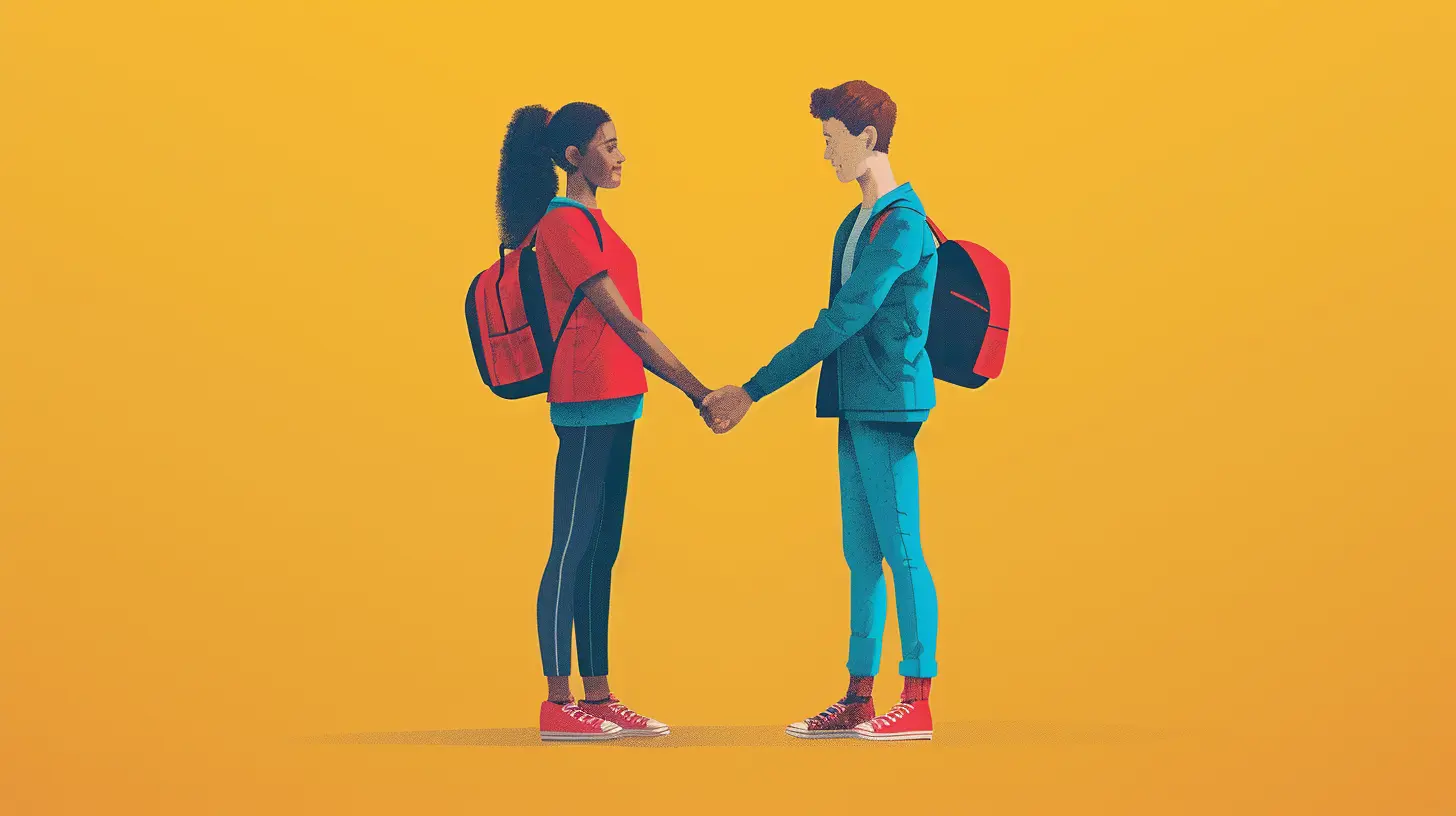
The Power of Mixed-Age Learning Environments
1. Breaking Down Barriers
Age divides can create unnecessary barriers in schools, but cross-age collaboration fosters a sense of unity. Younger students stop seeing older ones as intimidating, and older students stop looking down on the younger ones.Instead of competition, there's cooperation. Instead of isolation, there's interaction.
2. Preparing for the Real World
In real life, we don’t work or interact only with people our age. A workplace, for example, has people of all ages collaborating daily.Cross-age learning mirrors real-world experiences, helping students adapt to diverse environments. It teaches them how to communicate and cooperate with people at different life stages—a critical skill for success.
3. Creating a Culture of Mentorship
When mentorship becomes a norm in schools, it creates a cycle of learning. Today’s younger students become tomorrow’s mentors, ensuring knowledge and support continue to flow through generations.This culture of mentorship fosters stronger school communities where students feel supported, valued, and connected.
Implementing Cross-Age Collaboration in Schools
If you're wondering how to introduce this in schools, here are a few practical ways:- Peer tutoring sessions – Older students help younger ones with subjects they excel in.
- Reading buddies – Pairing up students to read together, encouraging literacy and bonding.
- Group projects with mixed-age teams – Encouraging creative collaboration on presentations, research, or experiments.
- Leadership programs – Assigning mentorship responsibilities to older students, guiding younger ones in academics or personal growth.
Schools that implement these strategies often see stronger student relationships, improved academics, and a more positive learning atmosphere.
Final Thoughts
Cross-age collaboration isn't just a learning technique—it’s a life-changing experience. It builds confidence, leadership, empathy, and stronger relationships among students.Younger students gain motivation and skills, while older students develop leadership and self-assurance. It’s a win-win.
If more schools made this a priority, we’d see a generation of students growing into not just academically strong individuals, but compassionate, supportive, and well-rounded people.
So, whether you're a teacher, a student, or a parent, consider how cross-age collaboration can make a difference in your school or community. Because in education, sometimes the best lessons come not from books, but from each other.
all images in this post were generated using AI tools
Category:
CollaborationAuthor:

Bethany Hudson
Discussion
rate this article
2 comments
Liora Jenkins
Great insights on valuable collaboration!
March 28, 2026 at 1:38 PM
Jude Anderson
Cross-age collaboration: where the wisdom of age meets the wild creativity of youth! It’s like mixing peanut butter and jelly—tastes great together, and no one really knows how it works, but we're all happy it does!
March 12, 2026 at 5:23 AM
Bethany Hudson
Absolutely! It’s a powerful blend that fosters growth and innovation across generations. Both age groups bring unique strengths, creating a rich, dynamic learning experience.