How Gardens in Schools Can Teach Environmental Responsibility
20 August 2026
When we think of schools, we often picture classrooms, desks, textbooks, and maybe even sports fields. But what if I told you that some of the most valuable lessons students can learn don’t happen indoors at all? In fact, they might take place in a space teeming with life, color, and growth—like a school garden.
That’s right—a garden. It may seem like a simple patch of green, yet it holds immense potential. School gardens are not just places to grow fruits, vegetables, and flowers. They are powerful, hands-on learning environments where students can cultivate a deeper understanding of the environment, sustainability, and their role in protecting the planet.
In this article, we’re diving into how gardens in schools can teach environmental responsibility and why they may just be one of the most impactful educational tools we have today.
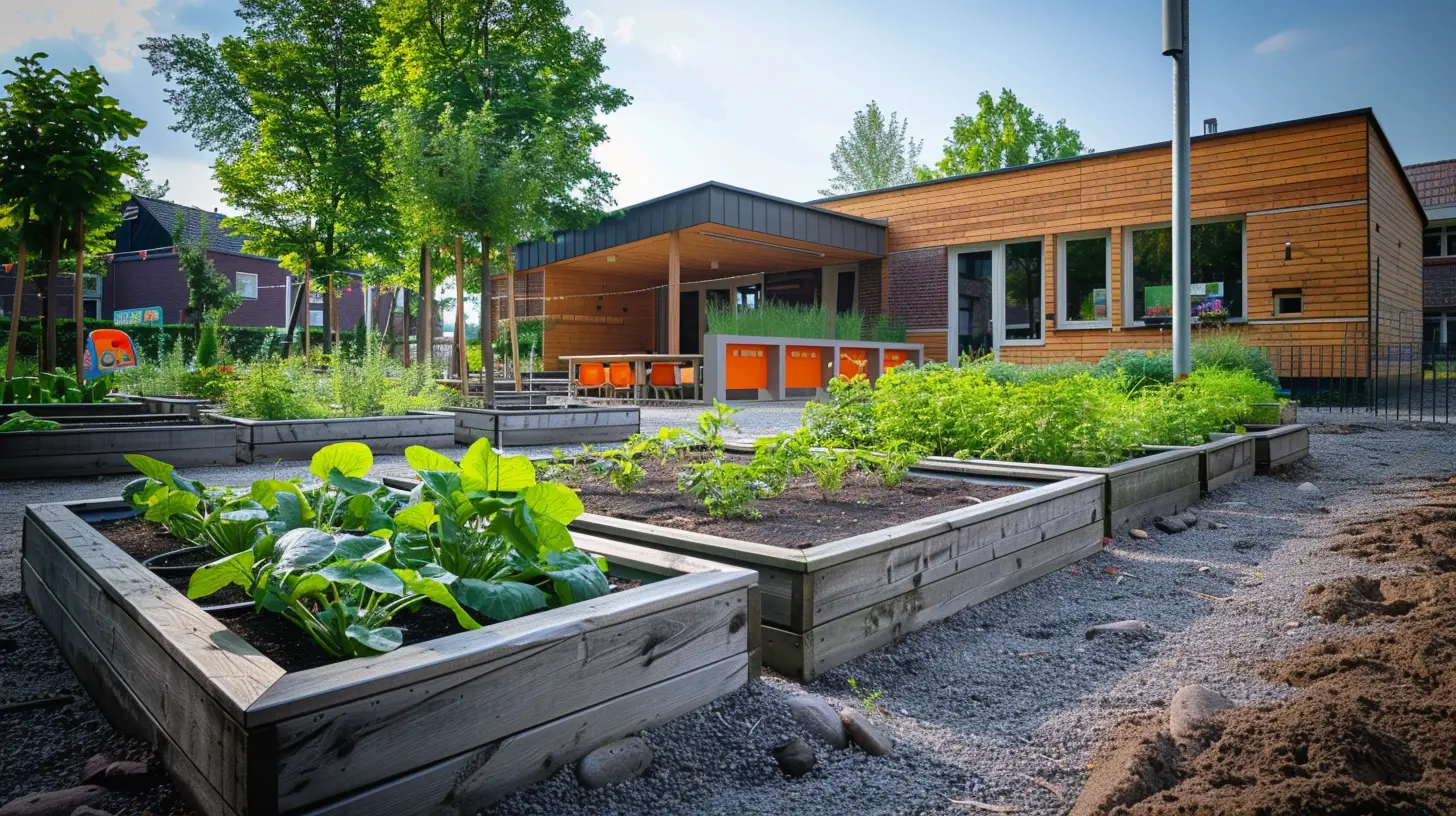
Why Environmental Education Matters
Before we get into the nuts and bolts of school gardens, it’s crucial to understand why environmental education is so important. We live in a time where climate change, pollution, deforestation, and biodiversity loss are major global concerns. If we want future generations to make better choices and help reverse the damage we’ve done, we need to start teaching them early.And let's face it: while PowerPoint slides and lectures on carbon footprints might get the point across, they can also be a bit... dry. That’s where gardens come in. They offer a way to connect abstract environmental concepts to real-world actions, making the learning process hands-on, engaging, and—dare I say—fun.
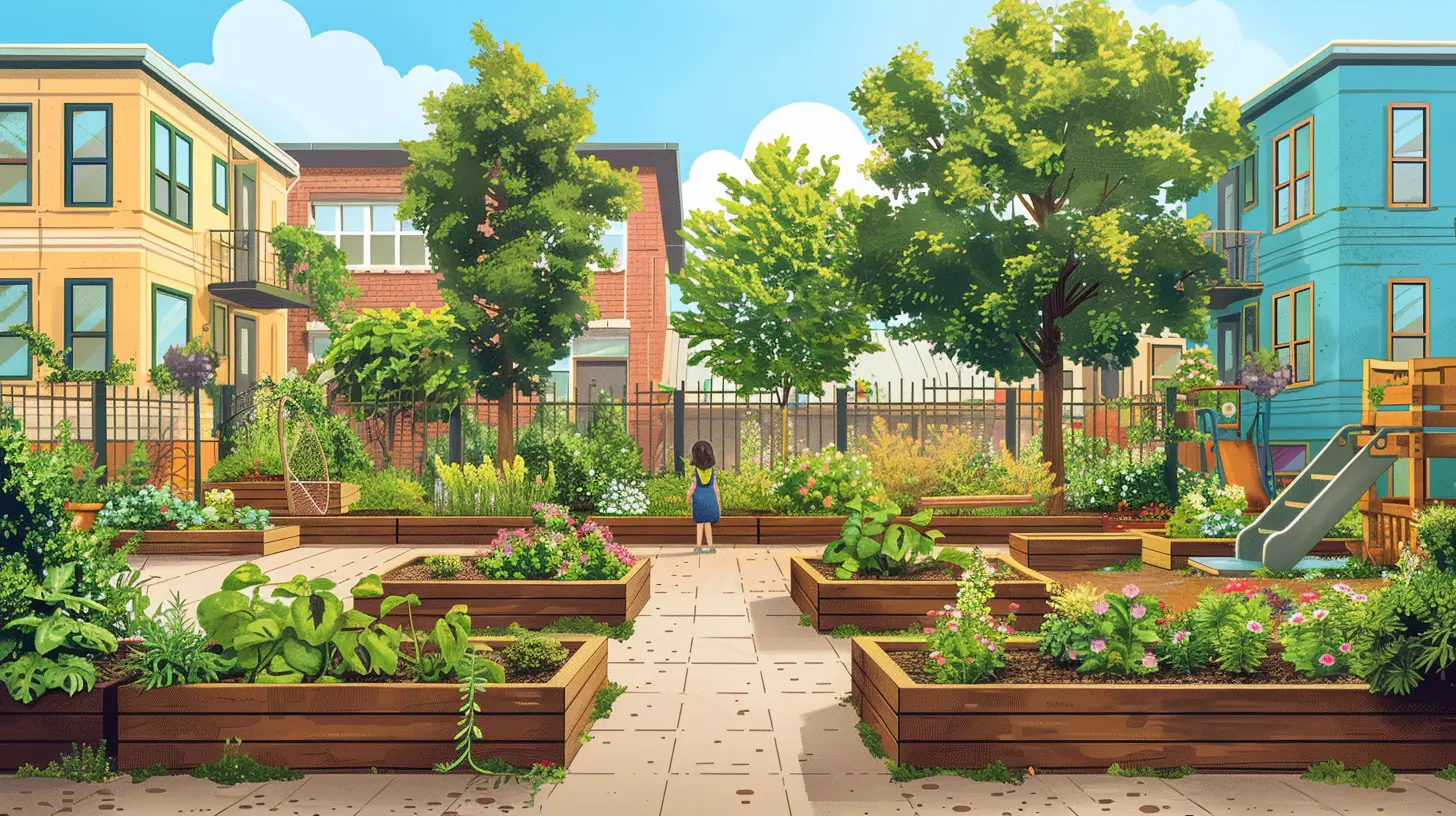
The Connection Between Gardens and Environmental Responsibility
So, how exactly do school gardens teach environmental responsibility? Let’s break it down.1. Understanding Ecosystems and Biodiversity
Gardens are mini-ecosystems. They’re buzzing with life—from insects and worms to birds and plants. When students spend time in the garden, they get a front-row seat to watch how these different organisms interact with each other. They learn about the role of pollinators, the importance of healthy soil, and the balance of natural ecosystems.In a classroom, you can teach a student about biodiversity, but it’s in the garden where they can truly see it in action. They’ll witness how different plants and animals depend on each other and how disturbing one part of the system can affect everything else. This understanding of interconnectedness is crucial to fostering a sense of environmental responsibility. After all, protecting biodiversity isn’t just about saving cute animals—it’s about maintaining the balance of the world we all depend on.
2. Learning About Sustainable Practices
A school garden is the perfect place to introduce students to sustainable agricultural practices. They can learn about composting, crop rotation, organic farming, and water conservation—concepts that may seem abstract in a textbook but become tangible when they’re the ones planting, watering, and harvesting.For example, composting helps students understand how food waste can be turned back into nutrient-rich soil rather than being thrown away. It’s a simple, hands-on lesson in the concept of sustainability—using resources in a way that doesn’t deplete them for future generations.
3. Reducing Carbon Footprint
Many schools now use their gardens to grow food for the cafeteria, reducing the need for produce to be shipped in from faraway farms. This is a fantastic way to teach students about the carbon footprint associated with food transportation. When you grow your own food just steps away from where it's eaten, you cut down on the energy consumption and pollution involved in trucking produce long distances.Not to mention, students learn the value of fresh, local produce. When they see the work that goes into growing their own vegetables, they’re more likely to appreciate where their food comes from—and less likely to waste it.
4. Addressing Water Conservation
Water is one of our most precious resources, and in many parts of the world, it's becoming increasingly scarce. School gardens are a great way to teach students about water conservation. They can learn about drip irrigation systems, mulching, and planting drought-resistant crops—methods that help conserve water in agriculture.By seeing firsthand how much water it takes to keep a garden thriving, students begin to understand the importance of using water wisely. They may even start applying these lessons at home, reducing water waste and becoming more mindful of their own consumption habits.
5. Connecting to Climate Change
Climate change can feel like a daunting, far-off issue for many students. But by working in a garden, they start to see how even small changes in the weather can affect plant growth. A particularly hot summer might cause crops to wilt, while an unusually wet season could lead to overwatered soil. These small, observable changes help students understand the real-world impacts of climate change on agriculture and ecosystems.Moreover, by learning sustainable gardening practices, students are introduced to solutions that can help mitigate the effects of climate change. They learn that they can make a difference, even in their own backyard.
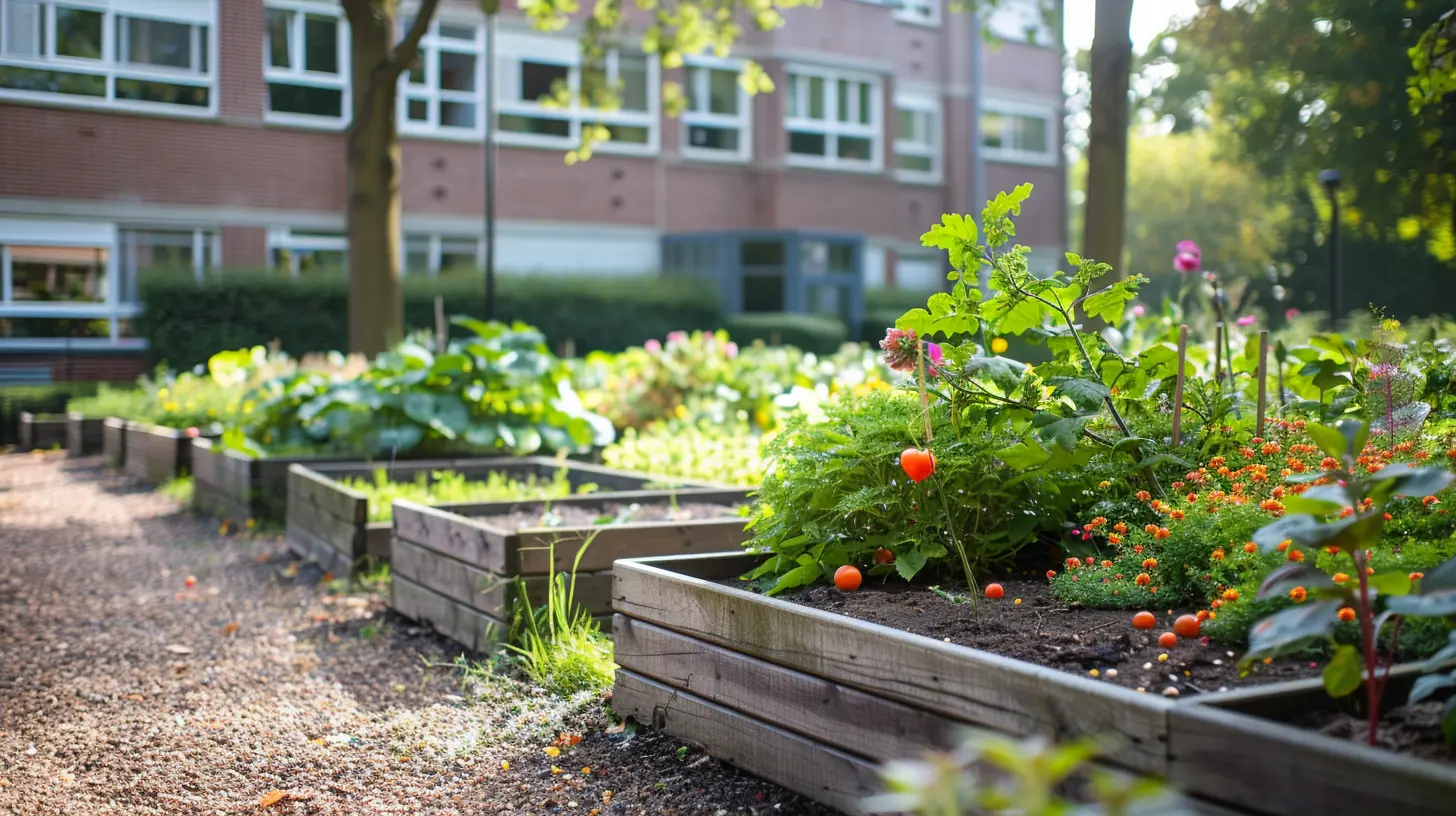
School Gardens Foster a Sense of Responsibility
Beyond just the environmental lessons, there’s something deeper happening when students work in a garden. They begin to develop a sense of responsibility—not just to the garden itself, but to the environment as a whole.1. Ownership and Stewardship
When students are given the responsibility of caring for a garden, they begin to take ownership of the space. They water the plants, pull weeds, and protect the garden from pests. This sense of ownership fosters a feeling of stewardship—students begin to understand that they are caretakers of the environment.This is a powerful lesson that can extend beyond the garden. When students feel responsible for the health of the plants they’re growing, they’re more likely to feel responsible for the health of the planet. They start to see themselves as part of the solution to environmental challenges.
2. Patience and Long-Term Thinking
Gardening isn’t instant gratification. It takes time for seeds to sprout, plants to grow, and fruits to ripen. This teaches students patience and the value of long-term thinking.In a world where so much is focused on immediate results, gardening offers a valuable counterpoint. It teaches students that meaningful change doesn’t happen overnight. Whether we’re talking about growing a garden or fighting climate change, the lesson is the same: progress takes time, effort, and persistence.
3. Hands-On Learning Sticks
We all know that hands-on learning tends to stick better than information delivered via lecture or textbook. When students are actively engaged in a process—whether it’s planting seeds, watering plants, or harvesting vegetables—they’re more likely to retain that information.In the case of environmental education, this is crucial. We don’t just want students to know what sustainability or biodiversity means; we want them to live it. By immersing them in the hands-on experience of gardening, we make these concepts real and relevant.
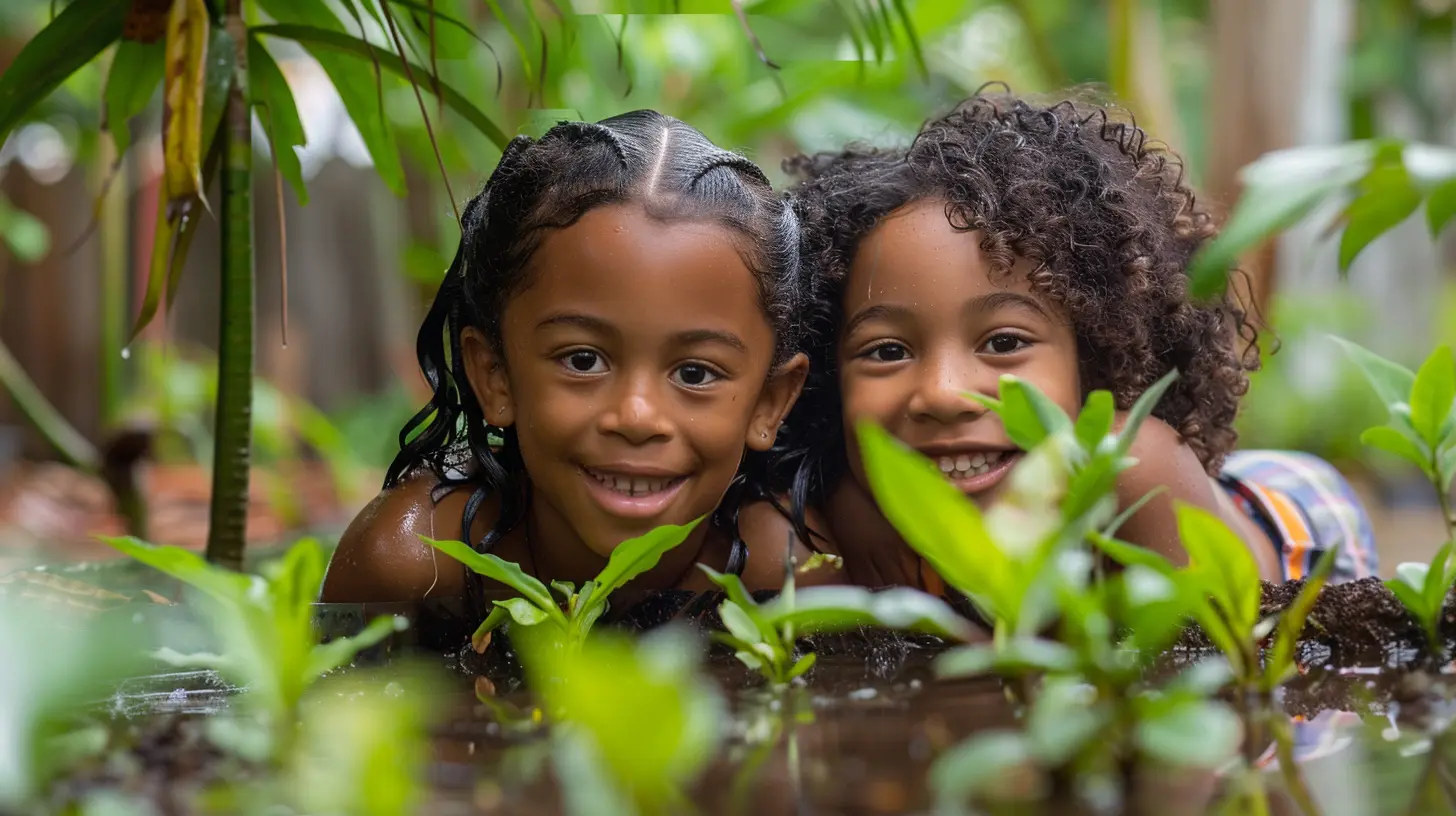
How Schools Can Get Started with a Garden Program
If you’re convinced that a school garden is an excellent way to teach environmental responsibility, you might be wondering: how do schools actually get started? Here are a few steps to consider.1. Start Small
You don’t need acres of land to start a school garden. In fact, starting small is often the best approach. A few raised beds or even container gardens can be a great way to get things going. As the program grows, you can expand the garden over time.2. Involve the Community
Gardens are a great way to bring the school community together. Parents, teachers, and even local businesses can get involved by donating supplies, volunteering, or providing expertise. Not to mention, the more people you have invested in the garden, the more support you’ll have to keep it running.3. Integrate It into the Curriculum
For a school garden to be most effective, it should be integrated into the school’s curriculum. This doesn’t just mean science class—gardens can be used to teach math (measuring plant growth), art (sketching plants), and even history (learning about indigenous farming techniques). The possibilities are endless.4. Make It Student-Led
While it’s important to have teacher guidance, one of the best ways to foster a sense of responsibility is to make the garden a student-led project. Let students take ownership of everything from planting schedules to garden maintenance. When they feel like the garden is theirs, they’ll be more invested in its success.Conclusion
School gardens are far more than just a place to grow food. They’re living classrooms that offer endless opportunities to teach students about environmental responsibility. From understanding ecosystems to practicing sustainable agriculture, students gain hands-on experience that helps them connect with the environment in a meaningful way.Not only do they learn important lessons about sustainability and conservation, but they also develop a sense of ownership, responsibility, and long-term thinking. In a world facing significant environmental challenges, these are exactly the kinds of lessons we need to be teaching the next generation.
So, whether it’s a small plot or a sprawling garden, schools can make a huge difference by introducing students to the wonders of gardening. Who knows? You might just be planting the seeds of tomorrow’s environmental leaders.
all images in this post were generated using AI tools
Category:
Environmental EducationAuthor:

Bethany Hudson
Discussion
rate this article
2 comments
Meagan Gonzalez
Gardens empower kids to protect nature.
August 29, 2026 at 4:01 AM
Bethany Hudson
Absolutely! Gardens provide hands-on learning that helps kids connect with nature and understand their role in protecting it.
Heath Myers
Gardens nurture young minds and foster environmental stewardship.
August 22, 2026 at 1:01 PM