The Role of Collaborative Learning in Building Resilient Students
31 March 2026
Let’s face it — the world isn’t getting any easier to navigate. Students today are facing more complex challenges than ever before. From academic stress to life uncertainties, they need more than just textbook knowledge to thrive. And that’s exactly where collaborative learning steps in.
It’s not just about group projects or sitting together in class — it’s about building real-life skills, especially resilience. That inner strength that helps students bounce back from failures, adapt to change, and face challenges head-on. Sound like a tall order? Not when collaboration becomes part of the learning process.
In this article, we’re diving deep into how and why collaborative learning plays such a powerful role in nurturing resilient students. So, grab a coffee (or tea) and let’s dig in!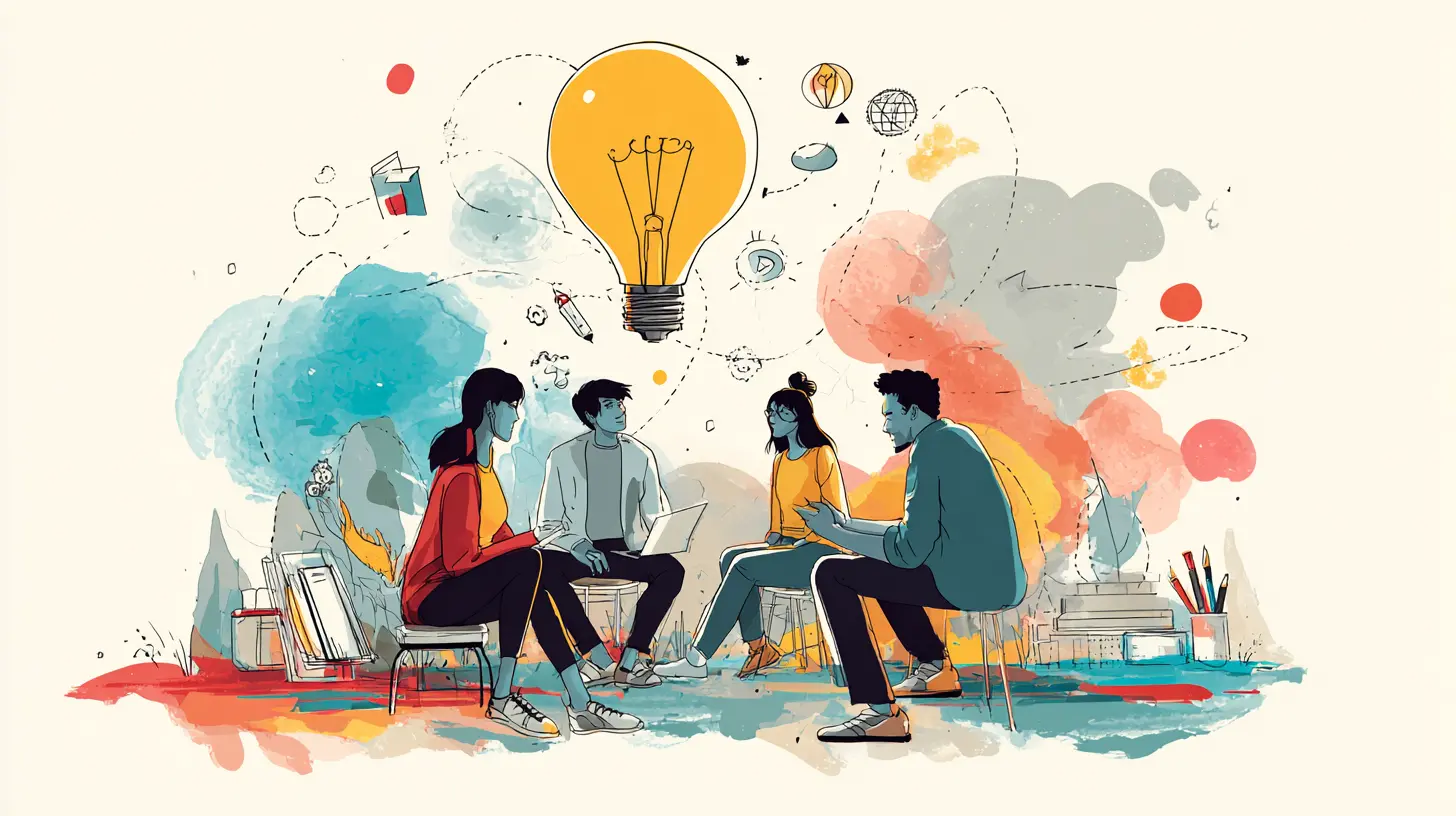
What Exactly Is Collaborative Learning?
Before we connect the dots, let’s be clear on what collaborative learning actually means. In simple terms, it’s when students work together in groups — big or small — to solve problems, complete tasks, or grasp concepts. It’s active, it's social, and it demands engagement from everyone involved.Unlike solo studying, where it’s just you and the books, collaborative learning taps into the power of shared effort. Think of it as brainpower multiplied.
Pretty cool, right?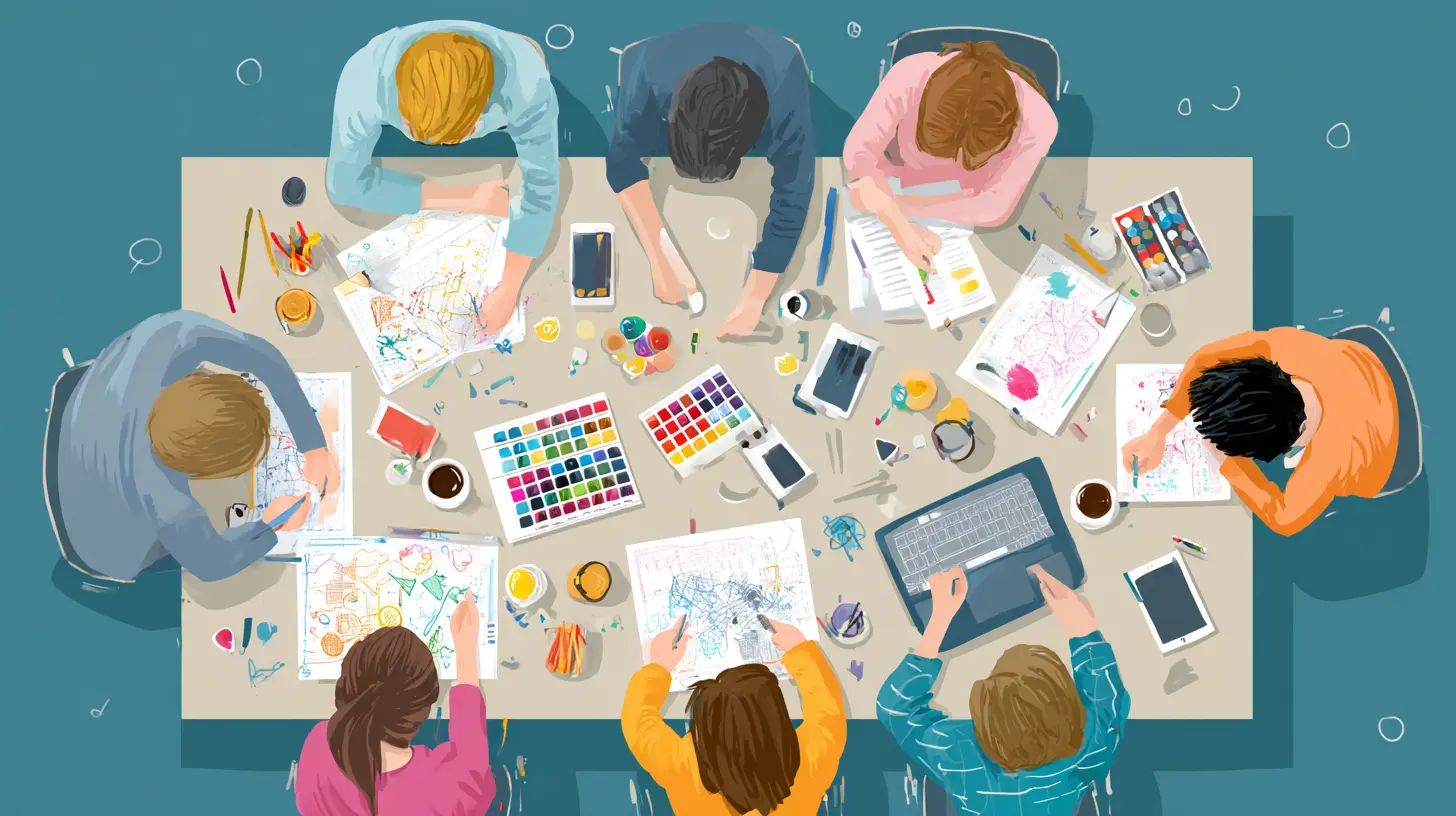
Why Resilience Matters in Education
Okay, now let’s talk about resilience. If you're picturing someone bouncing back like a rubber band after a setback — you’re spot on. Resilience is all about grit, adaptability, and emotional strength.In the classroom setting, resilient students:
- Don’t crumble under pressure.
- Keep going after failing a test.
- Learn from mistakes rather than fear them.
Isn’t that what every teacher wants for their students — and what every parent hopes for their child?
But here’s the catch: resilience isn't something students are just born with. It’s learned and developed — and collaborative learning is one of the best teachers out there.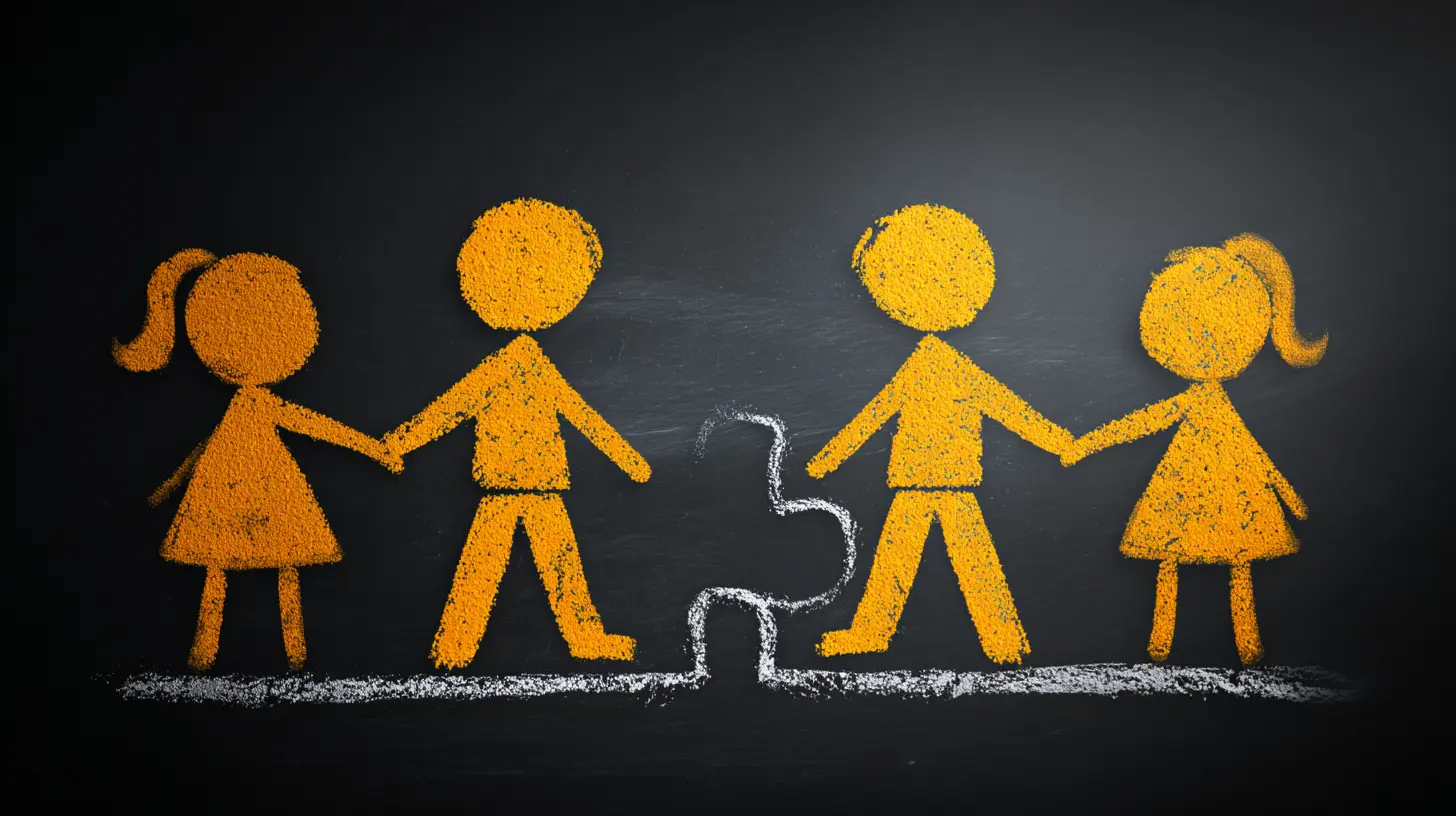
How Collaborative Learning Builds Resilience
1. Encourages Peer Support
Let’s be honest, going through tough times alone sucks. But when students work in groups, they learn to lean on each other. Peer support becomes a natural outcome.Imagine this: A student is struggling with a math problem. Instead of drowning in confusion, a teammate explains it in a different way. Not only does the struggling student finally get it, but now they know it’s okay to ask for help, and that people will show up for them.
That kind of support creates a safety net. Over time, students realize they're not alone — and that’s a huge confidence booster.
2. Boosts Communication Skills
Have you ever noticed how resilient people are great communicators?When students collaborate, they have to express their ideas clearly, listen actively, give and receive feedback, and navigate disagreements. All of this sharpens their communication game.
And stronger communication leads to stronger relationships — both of which are key to emotional endurance.
3. Normalizes Failure and Promotes Growth Mindset
In group settings, students witness firsthand that everyone makes mistakes. Seriously, there’s no hiding in a group — your wins and fails are all part of the process.This shared experience normalizes failure. It shifts the perspective from “Oh no, I messed up!” to “Okay, what can I learn from this?”
Failure becomes less scary. That’s growth mindset in action. And guess what? That mindset is the root of resilience.
4. Teaches Conflict Resolution
Let’s be real — group work isn’t always smooth sailing. Disagreements? Misunderstandings? Differing opinions? All part of the package.But this is where students learn how to manage conflict without shutting down or blowing up. They practice patience, empathy, and negotiation.
And when they resolve conflicts successfully, they walk away with more emotional endurance. Next time a challenge appears, they don’t flinch — they tackle it.
5. Strengthens Accountability and Independence
Wait — how does group work build independence?Well, here’s the twist: in collaborative learning, every student has a role. If one member slacks off, the whole team feels it. This kind of setup naturally encourages accountability.
Students learn to manage their time, follow through on responsibilities, and deliver because others are counting on them. These habits of being responsible and self-driven directly translate to real-life resilience.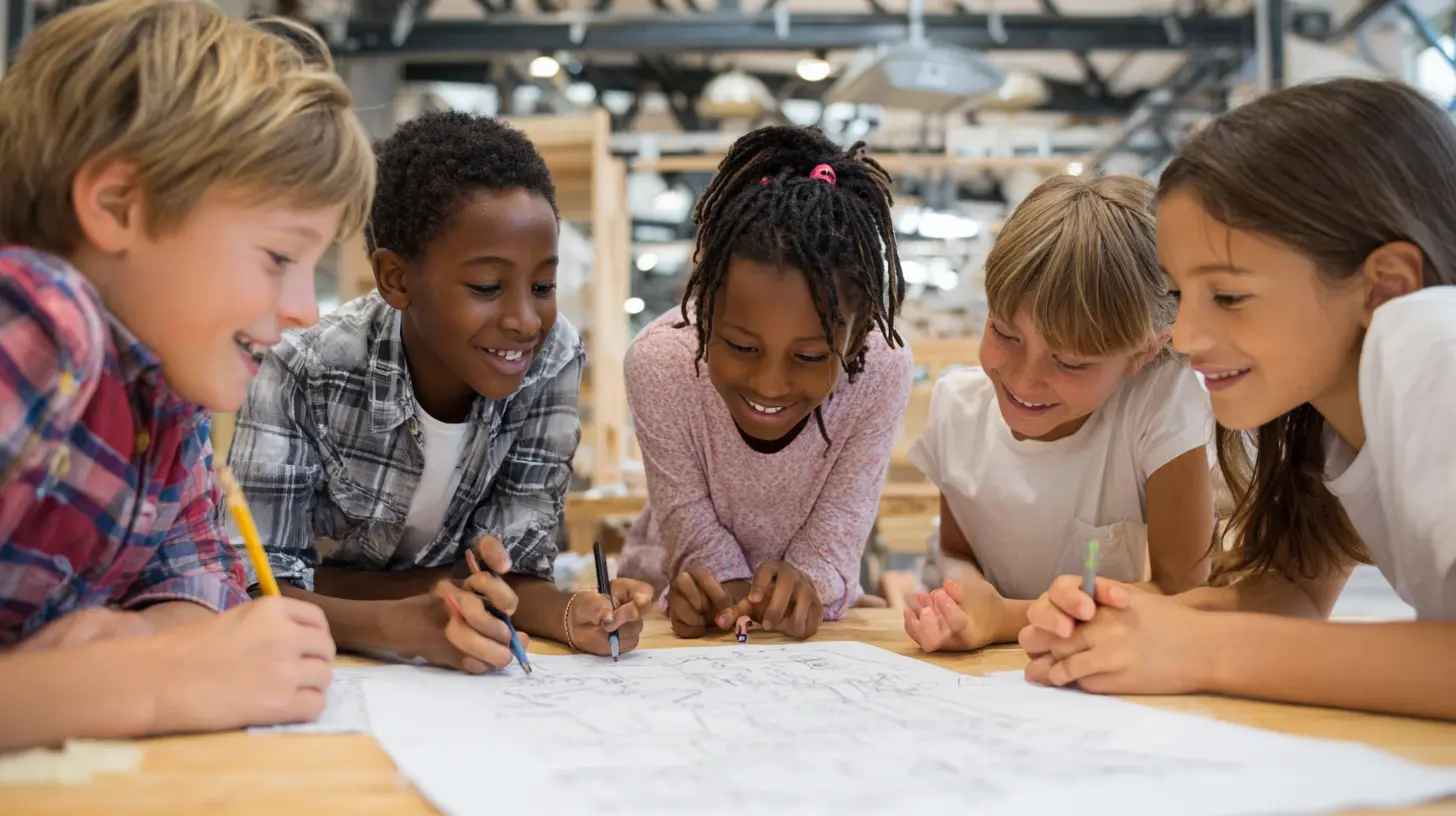
Real-Life Examples of Collaborative Learning in Action
Let’s strip away the theory and look at some actual classroom scenarios:Team-Based STEM Projects
In high school STEM classes, students might be tasked with designing a new app or building a model bridge. To succeed, they combine different strengths — coding, problem-solving, creativity.As obstacles pop up (and they always do), teams must pivot, experiment, and keep at it. Resilience? Check.
Peer Review in Writing Workshops
In college-level writing classes, students often give and receive feedback through peer reviews. This fosters open dialogue, critical thinking, and the bravery to accept critiques — a major resilience builder.Service Learning Projects
Students team up to work on community-based projects like food drives, awareness campaigns, or local research. These projects bring in real-world struggles and require creative solutions.They also show students that they can make an impact — even in the face of setbacks.
How Teachers Can Foster Collaborative Learning for Resilience
Now, you're probably wondering — how can educators make this magic happen in the real world?Here are some strategies that work:
1. Create a Safe Space First
Before students can collaborate effectively, they need to feel safe — emotionally and socially. This means fostering an inclusive environment where every voice matters.When students know they won’t be judged, they’re more likely to share ideas, admit mistakes, and grow from them — all traits of resilience.
2. Mix Up the Groups
Diversity in learning teams brings fresh perspectives. Don’t just group students with their best friends. Let them interact with different personalities, backgrounds, and skill sets. This exposes them to new ways of thinking — and more opportunities to adapt.3. Assign Real Roles
Give every student a specific role within the group — leader, researcher, recorder, presenter, etc. This ensures active participation and builds a sense of duty. Responsibility nurtures accountability, which strengthens resilience.4. Debrief After the Project
Don’t end collaborative learning with just the final product. Reflect on what worked, what didn’t, and how everyone handled challenges. Reflection transforms experiences into lessons. That’s where the heart of resilience lies.The Long-Term Benefits: Beyond Academics
Don’t think for a second that the benefits of collaborative learning end at graduation. These skills spill into adulthood too.In the Workplace
Most jobs today require teamwork — no surprise there. Employees who have experienced collaboration early on are better at adapting to change, handling feedback, and pushing through pressure.In Relationships
Whether it’s a roommate situation, a marriage, or parenting — resilience and collaboration are key. Students who learn healthy communication and emotional tenacity early are better equipped for these roles.In Global Citizenship
Today’s challenges — climate change, social justice, global health — require collective action. Resilient, collaborative learners grow up to become engaged citizens who don’t back down from tough global issues.Wrapping It Up: Teamwork Builds Toughness
Let’s pull it all together. When students learn together, they grow stronger. Collaborative learning isn’t just an educational buzzword — it’s a life-builder.Through working in teams, students sharpen their communication, emotional intelligence, and problem-solving skills. Most importantly, they learn how to fall and get back up — stronger each time.
So, the next time you walk into a classroom filled with buzzing student groups, know this: resilience is being built right there, in the noise and the chaos, in the brainstorming and the setbacks.
Collaboration is more than just teamwork. It’s life practice.
all images in this post were generated using AI tools
Category:
CollaborationAuthor:

Bethany Hudson
Discussion
rate this article
2 comments
Hannah McEvoy
Collaboration truly fosters resilience—together we grow stronger!
April 22, 2026 at 3:31 AM
Bethany Hudson
Absolutely! Collaboration not only enhances learning but also builds the strength we need to overcome challenges.
Corinne Evans
Could the secret to cultivating resilient students lie in the power of collaborative learning? Unravel how shared experiences shape not only knowledge, but character.
April 1, 2026 at 11:02 AM
Bethany Hudson
Absolutely! Collaborative learning fosters shared experiences that enhance not only knowledge acquisition but also essential character traits like empathy, teamwork, and problem-solving, all crucial for building resilience in students.