How to Build Respect and Rapport with Your Students
27 January 2026
Building respect and rapport with your students isn’t just about being liked—it’s about creating an environment where learning thrives. When students respect you, they listen, engage, and are more motivated to learn. Likewise, when you have a strong rapport with your students, your classroom becomes a space of trust, positivity, and collaboration.
But let’s be real—earning that respect and forming that connection doesn’t happen overnight. It takes effort, consistency, and a genuine interest in your students as individuals. So, how can you create a classroom dynamic where students respect and trust you? Let's dive in. 
Why Respect and Rapport Matter
Before we talk about how to build these crucial elements, let’s address why they matter. Respect isn’t just about authority—it’s about mutual understanding. When students respect their teachers, they are more receptive to feedback, more likely to engage in class, and less likely to disrupt lessons.Rapport, on the other hand, is about connection. It’s the bridge between teacher and student, making learning a cooperative effort rather than a one-sided transaction. When students feel that their teacher cares about them, they are more willing to take academic risks, ask questions, and participate. 
1. Be Consistent and Fair
Respect isn’t given freely—it’s earned. And one of the fastest ways to lose it is by being inconsistent or showing favoritism.- Set clear expectations from day one. What behaviors are acceptable? What happens when rules are broken?
- Follow through with consequences and rewards—every single time.
- Treat all students equally, regardless of their academic performance, background, or personality.
Students notice when teachers are unfair. If they believe that certain classmates get special treatment, resentment builds, and trust is lost. Fairness is the foundation of respect. 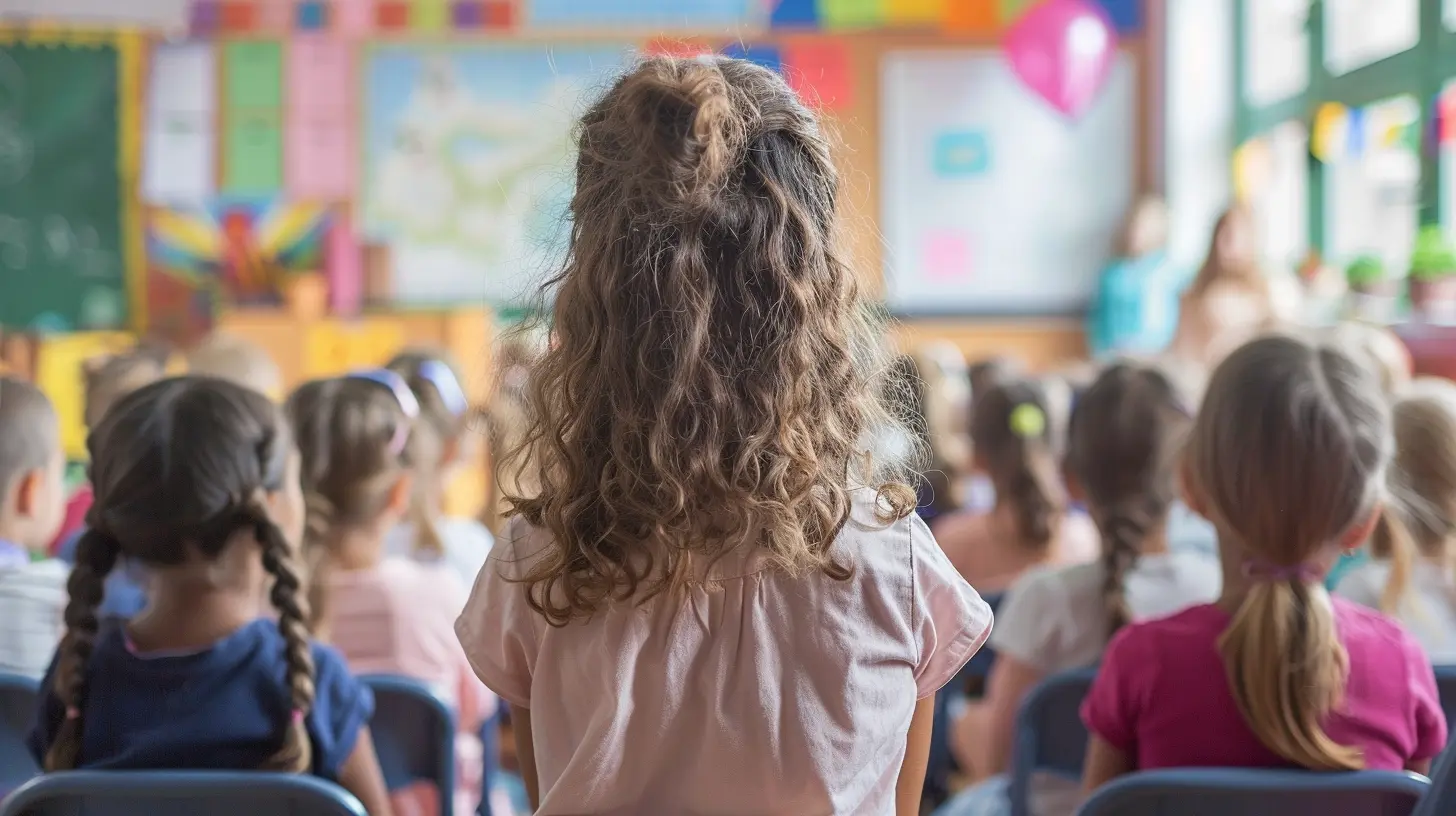
2. Show Genuine Interest in Your Students
Would you respect someone who doesn’t really care about you? Probably not. The same goes for your students. If they feel like just another name in your gradebook, they won’t be eager to engage with you.So, how do you show genuine interest?
- Learn their names as quickly as possible. This simple act makes a huge difference.
- Ask about their interests, hobbies, and lives outside the classroom.
- Attend extracurricular activities when possible—sports games, theater performances, or art shows.
- Celebrate their achievements, both academic and personal.
When students feel seen and valued, they are more likely to reciprocate respect and effort in your classroom. 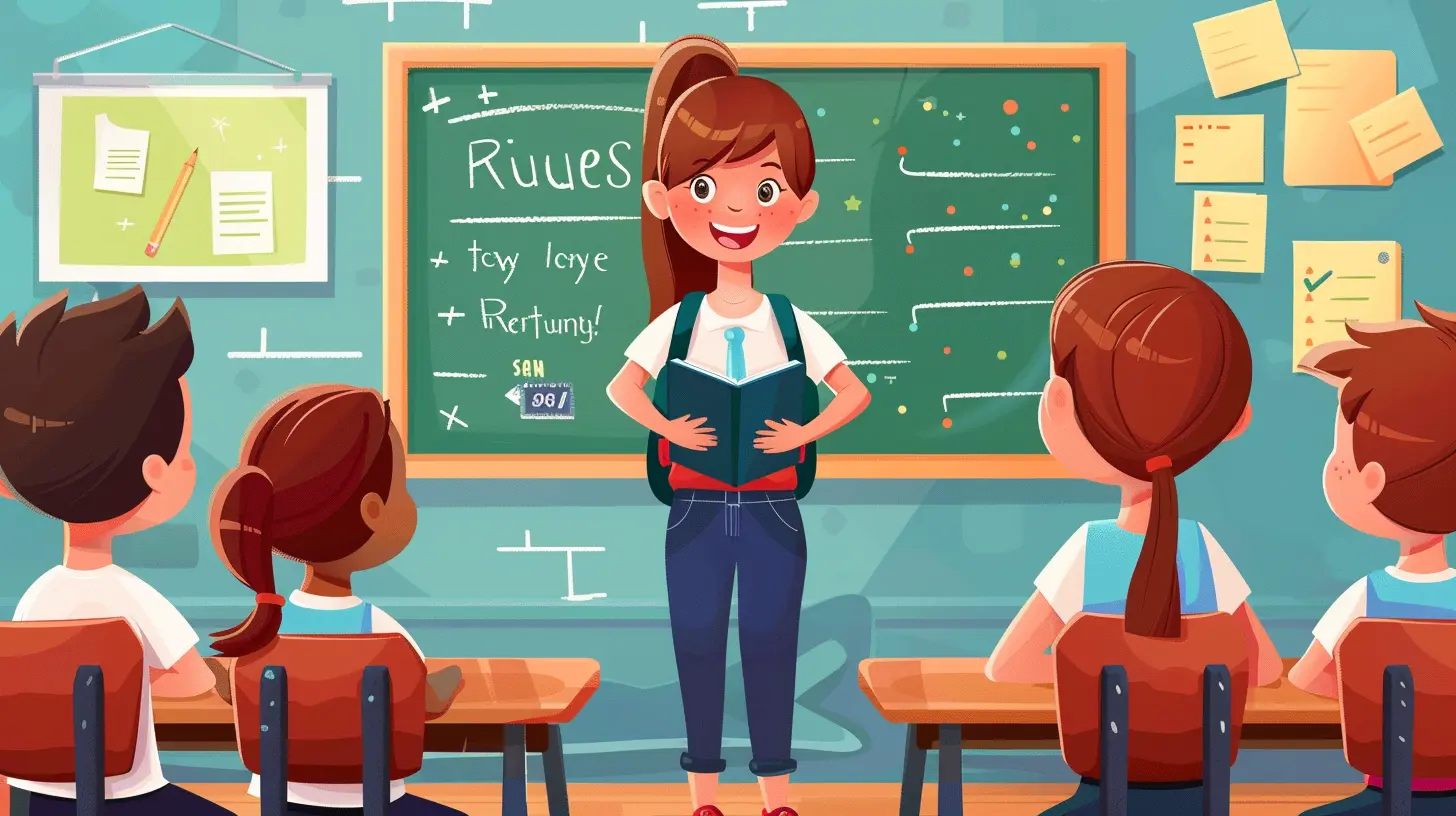
3. Be Approachable but Maintain Boundaries
Here’s a tricky balance: You want to be approachable, but you also need to maintain authority. Being too strict can make you unrelatable, but being too friendly can lead to students taking advantage of the situation.How do you strike the right balance?
- Be warm and open, but maintain professional boundaries.
- Listen when students talk to you, but don’t overshare personal details about your own life.
- Use humor, but never at a student’s expense.
- Encourage open communication while making it clear that classroom rules and expectations still apply.
Students need to see you as a person—but also as a leader. If they feel comfortable coming to you with problems while still respecting your authority, you’ve nailed it.
4. Lead by Example
Want respect? Show respect.Students mirror the behavior they see. If you treat them with dignity and respect, they are more likely to return the favor. That means:
- Listening when they speak.
- Avoiding sarcasm or belittling remarks.
- Apologizing when you make a mistake (yes, teachers make mistakes, too!).
- Speaking to them kindly, even when you're frustrated.
Respect is a two-way street. If you demand it without giving it, don’t expect much in return.
5. Use Positive Reinforcement
Nobody likes to feel like their efforts go unnoticed. If students only hear from you when they’ve done something wrong, they’ll start to associate you with negativity.Instead, use positive reinforcement to build rapport.
- Praise effort, not just results. "I love how hard you worked on that assignment!" goes a long way.
- Recognize small wins. Did a usually quiet student contribute to a discussion? Acknowledge it.
- Send positive notes home, highlighting student progress.
A classroom should feel like a place of encouragement, not just discipline. When students feel appreciated, they’re more likely to engage and respect the learning environment.
6. Be Transparent and Honest
Students can spot a fake from a mile away. If you try too hard to be "cool" or pretend to be someone you're not, they’ll see right through it.Instead, be authentic. If you don’t know the answer to a question, admit it and say, "That’s a great question—I’ll look it up and get back to you." If a lesson doesn’t go as planned, own it.
Honesty also means being upfront about expectations and reasons behind rules. Instead of saying, "Because I said so," try explaining why a rule benefits them. When students understand the "why," they’re more likely to respect and follow guidelines.
7. Handle Discipline with Respect
No classroom is without its challenges. There will be days when students test your patience. How you handle discipline can either build respect or destroy it.Here are a few key approaches:
- Stay calm. Yelling only escalates situations.
- Address behavior, not personality. Instead of "You're so disruptive," say, "I need you to stop talking while I’m teaching."
- Give students a chance to explain. Sometimes, there’s more to a situation than meets the eye.
- Use private conversations when possible. Public humiliation never leads to true respect.
Discipline isn’t about power—it’s about teaching responsibility and accountability in a way that students can accept and learn from.
8. Make Learning Engaging and Meaningful
If students find your lessons dull or irrelevant, they disengage—and disengaged students are more likely to act out.To maintain their interest:
- Use real-world examples to make lessons relatable.
- Incorporate interactive activities that get students moving and thinking.
- Connect content to their lives by showing how it’s useful beyond the classroom.
When students feel like what they’re learning matters, they’re more likely to stay engaged and respect the learning process.
9. Encourage Student Voice and Choice
Respect isn’t about control—it’s about collaboration. Giving students some level of autonomy in their learning fosters mutual respect.- Let students have a say in classroom rules or norms.
- Offer choices in assignments when possible.
- Encourage open discussions and diverse perspectives.
When students feel like their opinions are valued, they are more likely to be invested in the class and respect the teacher’s leadership.
10. Keep Growing as an Educator
Teaching is a constant learning process. The best educators are those who keep evolving.- Seek feedback from students (yes, really). Ask what they like about your class and what could be improved.
- Stay updated on new teaching methods and strategies.
- Reflect on your own practices—what’s working? What’s not?
A teacher who strives for improvement earns student respect because it shows dedication to their success.
Final Thoughts
Building respect and rapport with your students doesn’t come from a single action—it’s the result of consistent, intentional efforts over time. It’s about being fair, approachable, engaging, and, above all, real.When students feel respected and connected to their teacher, the classroom transforms from just another place to sit for an hour into a space of trust, collaboration, and meaningful learning.
So, if you want your students to respect you, show them respect first. If you want them to trust you, be trustworthy. The rest will follow.
all images in this post were generated using AI tools
Category:
Classroom ManagementAuthor:

Bethany Hudson
Discussion
rate this article
2 comments
Carly McAleer
Building respect is like planting seeds; nurture them with authenticity and empathy, and watch a thriving classroom culture blossom.
February 16, 2026 at 11:24 AM
Bethany Hudson
Thank you for this beautiful analogy! Nurturing respect with authenticity and empathy truly lays the foundation for a positive classroom culture.
Thornefield Thornton
Building respect and rapport with students fosters a positive learning environment and enhances engagement.
February 1, 2026 at 1:43 PM
Bethany Hudson
Absolutely! When students feel respected, they're more likely to engage and participate actively in class.