How to Create an Inclusive School Culture that Promotes Safety
22 June 2026
Creating a school environment where every student feels safe, welcomed, and valued is more than just a nice idea—it’s essential for academic and emotional growth. When students feel like they belong, they're far more likely to engage in class, make friends, and steer clear of risky behaviors. But how exactly do we build this kind of school culture?
Let’s dive right in and break it down together.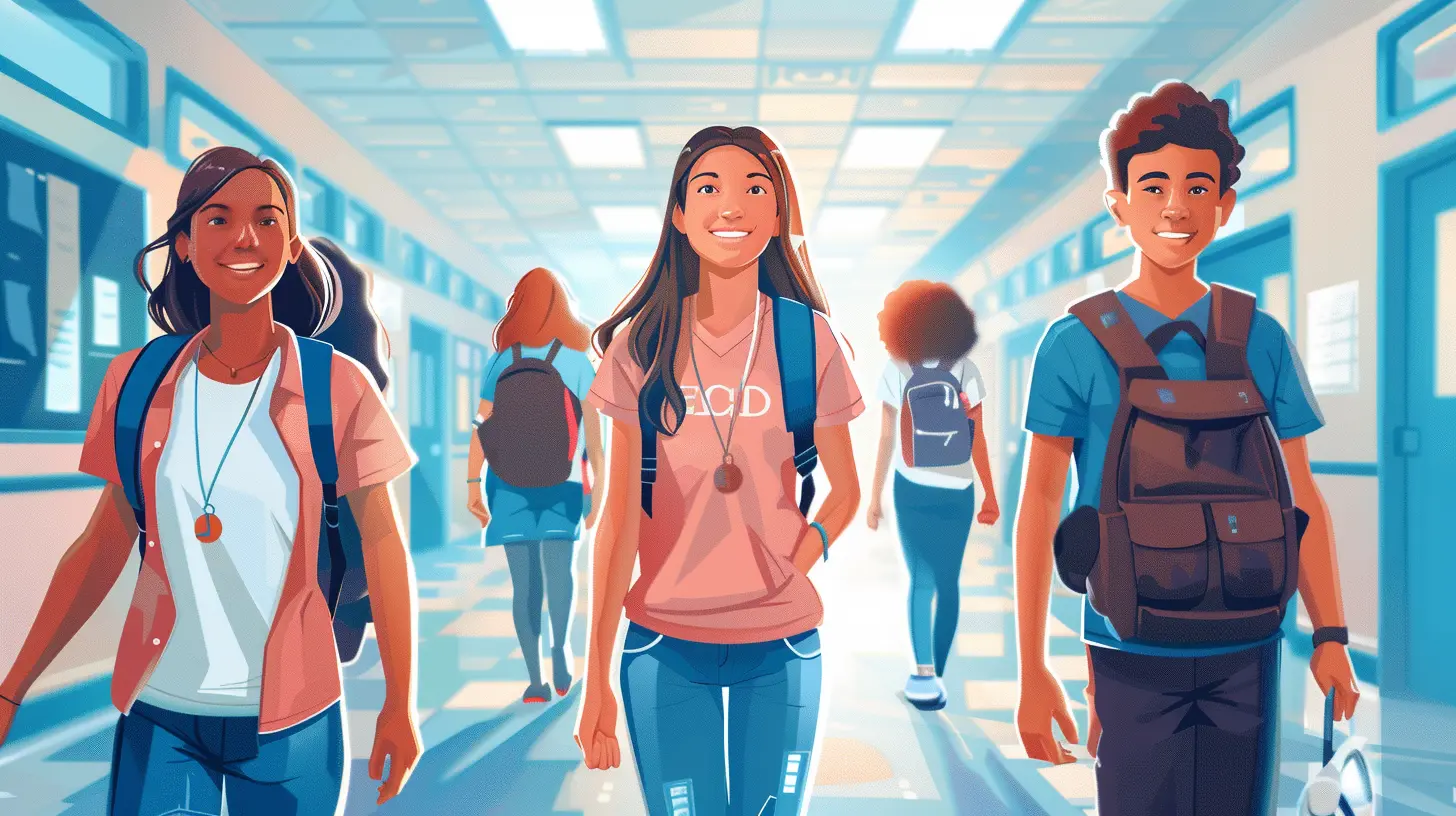
What Does an Inclusive School Culture Look Like?
Imagine walking into a school where it doesn’t matter what your background is, what language you speak at home, or what your abilities are—you’re seen, heard, and respected. That’s the heart of an inclusive school culture.It’s a place where:
- Diversity is celebrated, not sidelined
- Every student feels emotionally and physically safe
- Staff and students treat each other with dignity
- Resources are accessible to all
- Voices from all walks of life are heard
In short, it's a school that acts more like a community than a collection of classrooms.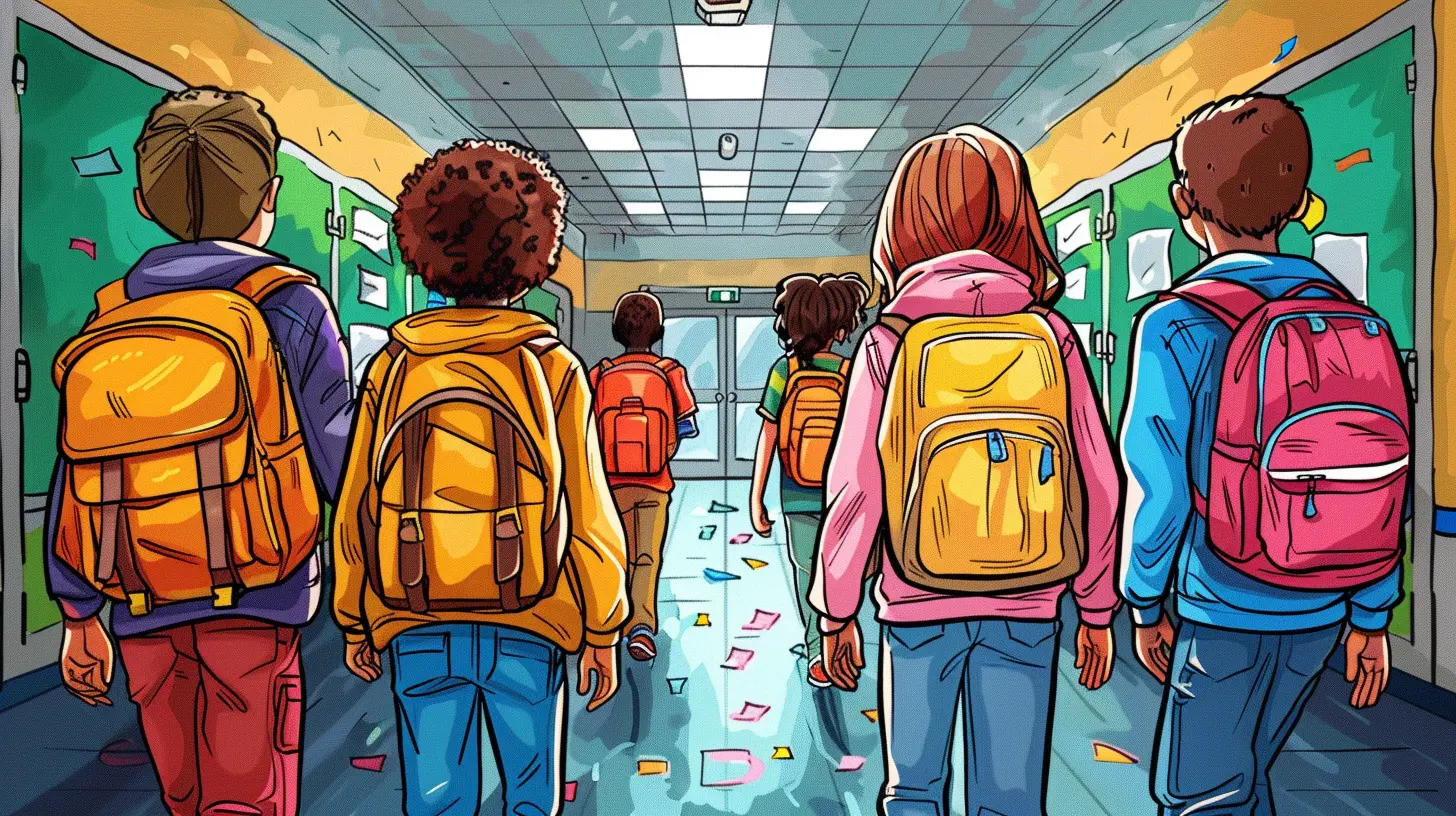
Why Inclusion and Safety Go Hand in Hand
Here’s the truth: Inclusion isn’t just about adding diversity-themed books to the library or being “politically correct.” When schools are truly inclusive, they naturally become safer.Think about it—bullying, discrimination, and social isolation are major threats to student safety, right? These problems tend to fade in environments where empathy, respect, and open-mindedness are baked into the culture. Inclusion helps prevent conflict before it starts.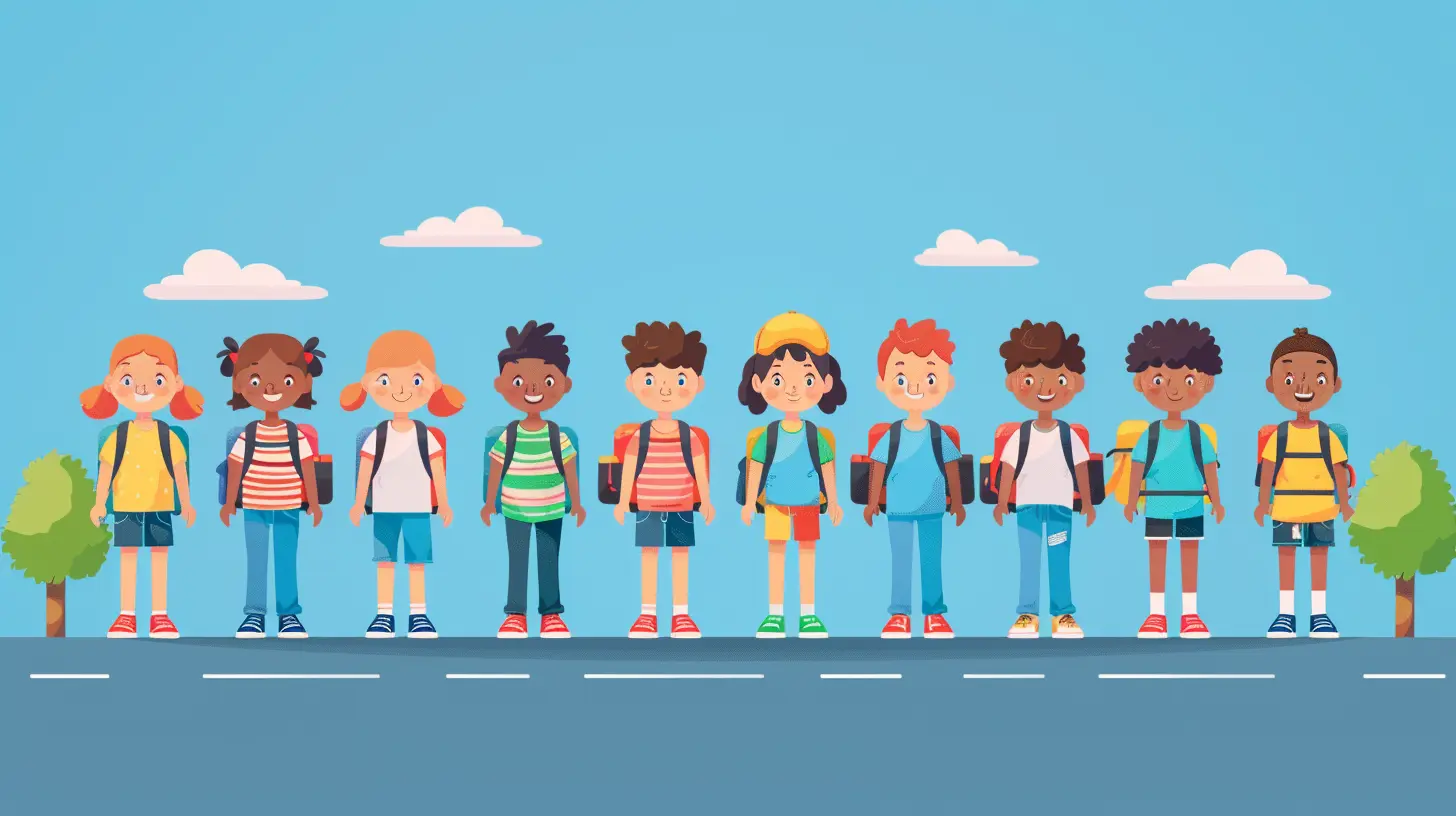
Start from the Top: Leadership Sets the Tone
You can't underestimate the power of leadership in setting the cultural tone of a school. School principals, administrators, and district leaders are the architects of school values. If they model inclusion, empathy, and respect, those values ripple through the entire building.Action Tips for Leadership:
- Speak openly about diversity and inclusion; don’t shy away from tough conversations.- Establish clear school-wide equity goals and share progress updates.
- Prioritize professional development around cultural competency.
- Hire and retain diverse staff to reflect the student body.
When students see leaders walk the talk, they tend to follow.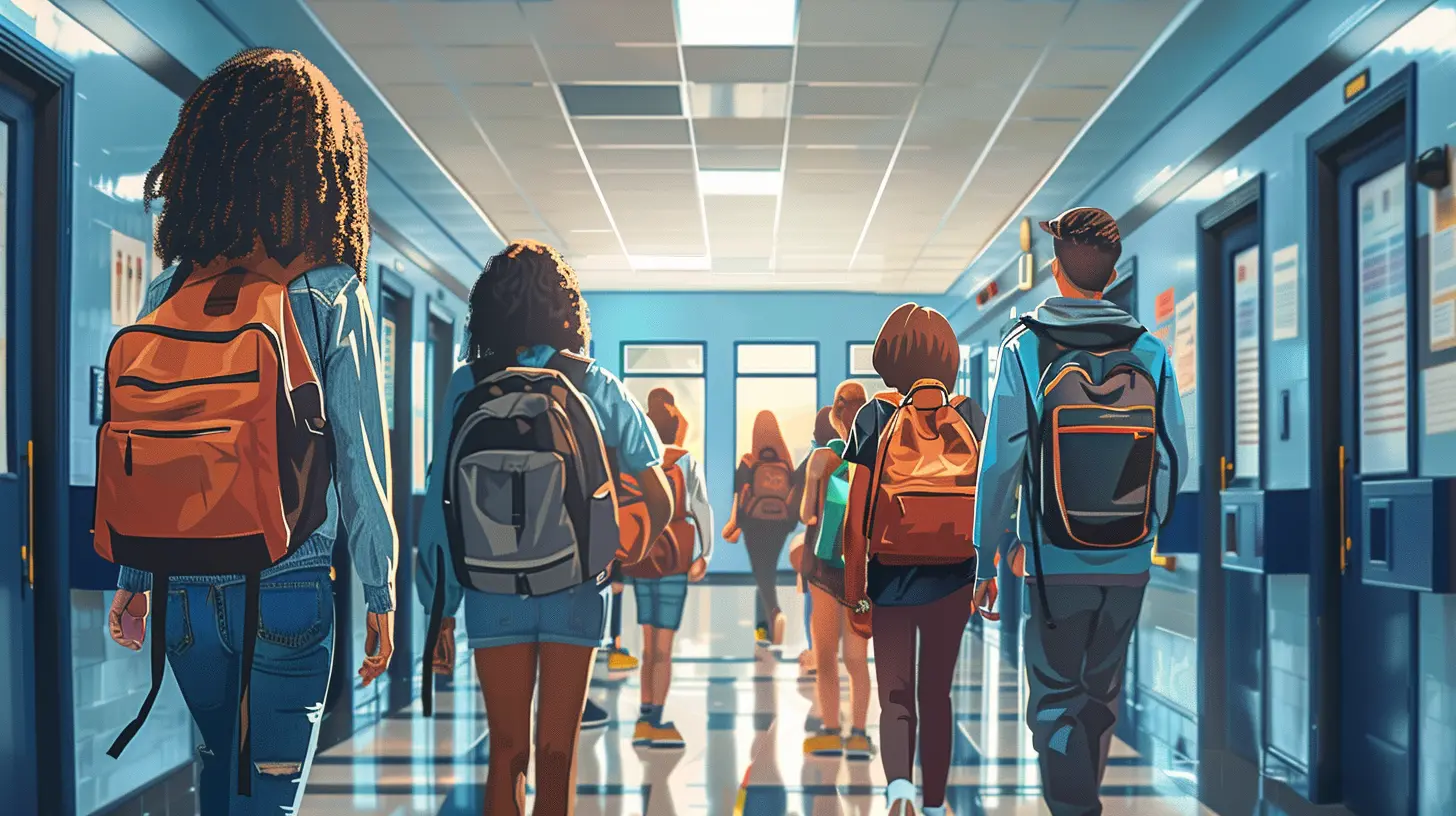
Teachers: The Daily Culture Builders
Teachers are in the frontlines of school culture. After all, they’re interacting with students every single day. To create an inclusive environment that promotes safety, teachers must build trust in the classroom.Action Tips for Teachers:
- Learn your students' names, backgrounds, and stories. Relationships matter.- Use inclusive language—recognize and respect students’ pronouns, cultural references, and family structures.
- Design lessons that reflect different cultures, histories, and perspectives.
- Encourage group work and activities that build peer connections.
- Create classroom rules together with your students, so they feel ownership over the space.
Ever heard the phrase “students don’t care how much you know until they know how much you care”? That couldn’t be more true in inclusive classrooms.
Build Strong Relationships Across the School
Every relationship matters—staff to student, student to student, and staff to staff. Strong relationships are the glue that holds a safe and inclusive culture together.Ways to Strengthen School Relationships:
- Set up peer mentoring programs where older students support younger ones.- Provide safe spaces like LGBTQ+ support groups or cultural clubs.
- Encourage restorative practices to resolve conflicts.
- Train staff to recognize and respond to signs of trauma or emotional distress.
Students need to know they’re never alone. Even small gestures—like a smile in the hallway or a teacher checking in after class—can make a world of difference.
Inclusive Curriculum is Key
Let’s face it: If you only ever see people who look or think like you represented in school materials, it's hard to feel like you belong. The curriculum should reflect the real world—diverse, complex, and rich in culture.How to Make Curriculum More Inclusive:
- Include books and articles written by authors from different cultures and experiences.- Teach accurate and complete versions of history that highlight multiple perspectives.
- Incorporate disability awareness, gender identity topics, and mental health education into health or social studies.
- Use multimedia resources to connect with different learning styles and cultural experiences.
When students see themselves (and each other) in the curriculum, they feel seen—and that’s incredibly powerful.
Safe Physical Spaces Matter Too
Let’s not only talk ideas—what about the actual school environment? Students need to feel physically safe, and that’s more than just locking doors or having fire drills (though those are important too).Think about your school from a student's viewpoint. Are there spaces where they can just breathe, talk, or be themselves without fear of judgment or harm?
Ways to Make School Spaces Safer:
- Create calming areas or sensory rooms for students who need emotional breaks.- Add inclusive signage—like “All Are Welcome Here” in multiple languages or gender-neutral bathroom signs.
- Monitor hallways and cafeterias for signs of bullying or isolation.
- Make sure all facilities are wheelchair accessible.
A safe space = a smart space. Students can’t learn when they’re in survival mode.
Involve Families and the Community
Let’s not forget the power of a strong home-school partnership. When parents and caregivers are involved, schools become more responsive, understanding, and yes—more inclusive.Engage Families by:
- Hosting cultural nights where families share their traditions, food, and stories.- Providing resources in multiple languages.
- Offering workshops or info sessions on mental health, digital safety, or academic support.
- Encouraging family feedback and participation in school decisions.
A school that listens to its families builds trust—and that trust creates a safer environment for everyone.
Address Bias Before It Becomes a Barrier
Here’s a tough pill to swallow: We all have biases, even if we don’t realize it. Left unchecked, they can seep into classroom management, grading, and interactions with students.But the good news? Biases can be addressed with awareness and education.
Tackling Bias Head-On:
- Offer regular anti-bias and anti-racism training for staff.- Reflect on data—are there disparities in discipline or academic outcomes? If so, why?
- Encourage self-reflection among staff about their own identities and assumptions.
- Provide spaces for students to share their experiences and perspectives safely.
Addressing bias doesn’t mean calling people out—it means calling people in to do better, together.
Foster Student Voice and Leadership
Want to know a secret? Students are the best resource for creating an inclusive school culture. They know what’s working... and what’s not.It’s crucial to create spaces for students to lead, speak up, and shape their school environment.
Ways to Uplift Student Voice:
- Start student advisory councils or diversity committees.- Collect feedback through surveys or town halls.
- Support students in leading school-wide initiatives or events.
- Encourage journalism clubs, podcasts, or blogs that center student perspectives.
When students feel like their voice matters, they’re more likely to get involved and support one another.
Measure Progress and Stay Accountable
Let’s be real—creating a culture shift takes time and intention. It's not a “one and done” fix. Schools need to check in regularly on how they’re doing and stay accountable to their goals.How to Check Your Progress:
- Track incidents of bullying, suspension, and absenteeism across different student groups.- Use climate surveys to gauge how safe and included students feel.
- Review hiring and representation data—does your staff reflect your student population?
- Adjust goals and strategies based on what’s working and what’s not.
This isn’t about perfection—it’s about progress. Little steps make a big difference in the long run.
Final Thoughts: Culture Is Everyone’s Responsibility
Creating an inclusive school culture that promotes safety isn’t just a job for school leadership or the counselor’s office—it’s a whole-community effort. Every teacher, every student, every parent, every staff member has a role to play.It begins with a mindset shift: instead of asking “What do we have to do?” ask “Who do we want to be?”
So let’s be the school where every student thrives.
Let’s be the school where every student feels like they belong.
Let’s be the school where safety isn’t enforced—it’s felt.
It won’t happen overnight, but with heart, effort, and consistency, it can happen.
And it will be worth every step.
all images in this post were generated using AI tools
Category:
School SafetyAuthor:

Bethany Hudson
Discussion
rate this article
1 comments
William Pace
Creating an inclusive school culture is essential for promoting safety and belonging. It requires active involvement from educators, students, and families. When everyone feels valued and heard, the entire community benefits and thrives together.
June 26, 2026 at 10:44 AM
Bethany Hudson
I completely agree. Inclusion is key to fostering a safe and supportive environment for everyone. When all voices are valued, we build a stronger community.