How to Create Inclusive Classrooms for Every Learner
18 November 2026
Creating inclusive classrooms is not merely a pedagogical trend; it is a vital necessity for fostering an environment where all students can thrive. An inclusive classroom recognizes the diverse needs of students, including those with disabilities, different cultural backgrounds, and varying learning styles. This article will delve into strategies, practical advice, and insights that can help educators craft inclusive learning environments.

Understanding Inclusivity in Education
Inclusivity in education means more than just physical access to classrooms. It encompasses the idea that all students should feel valued, respected, and empowered to participate fully in their educational experiences. This concept aligns with the principles of Universal Design for Learning (UDL), which promotes flexible learning environments that accommodate individual learning differences.The Importance of Inclusivity
1. Equity in Learning: Every student deserves the opportunity to succeed. Inclusive classrooms help level the playing field by providing tailored support.2. Social Development: Students learn from each other. An inclusive environment fosters empathy, collaboration, and social skills.
3. Enhanced Academic Outcomes: Research indicates that inclusive classrooms can lead to improved academic performance for all students, not just those with special needs.
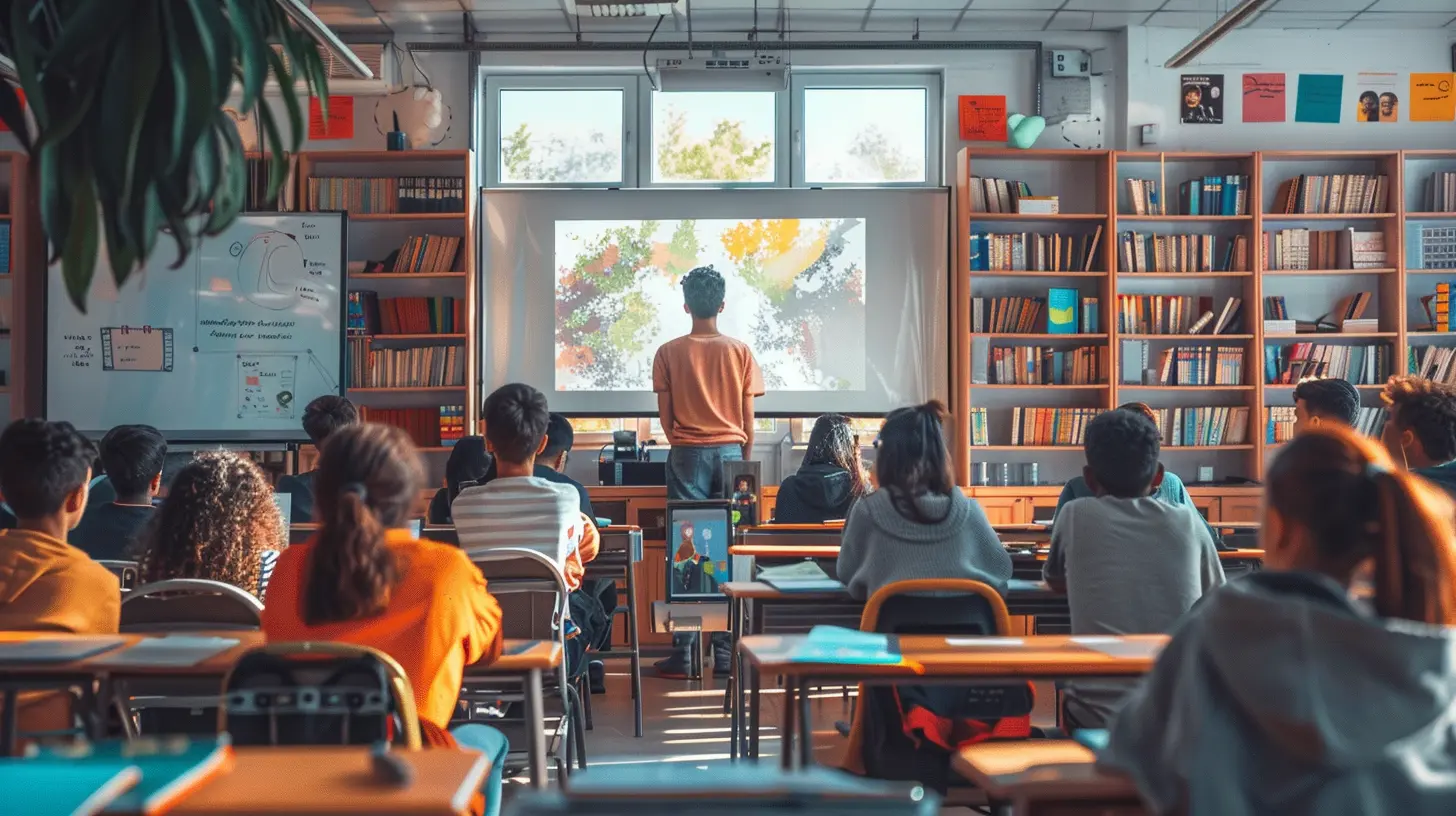
Key Principles of Inclusive Classrooms
To create an inclusive classroom, educators should adhere to several foundational principles:1. High Expectations for All
Setting high expectations is essential. All students should be challenged to reach their full potential, regardless of their backgrounds or abilities. Teachers should provide differentiated instruction to meet diverse needs while maintaining rigorous standards.2. Flexible Teaching Strategies
Adopting a variety of teaching methods can cater to different learning styles. Techniques such as cooperative learning, project-based learning, and the use of technology can enhance engagement and understanding.3. Strong Relationships
Building strong relationships among students and between students and teachers fosters a supportive learning environment. Teachers should take the time to know their students, understand their backgrounds, and create a sense of belonging.4. Continuous Assessment and Feedback
Regular assessment helps educators understand student progress and adapt their teaching strategies accordingly. Constructive feedback should be specific and actionable, guiding students toward improvement.
Strategies for Creating Inclusive Classrooms
1. Differentiated Instruction
Differentiated instruction involves tailoring teaching methods and resources to meet the diverse needs of students. This can include:- Varied Content: Presenting information through different mediums, such as videos, texts, and hands-on activities.
- Flexible Grouping: Grouping students by ability, interest, or learning style to encourage collaboration and peer learning.
- Choice Boards: Allowing students to choose from different activities that align with their interests and learning needs.
2. Universal Design for Learning (UDL)
UDL is a framework that emphasizes providing multiple means of engagement, representation, and action/expression. Implementing UDL principles can enhance inclusivity by:- Engagement: Utilizing a variety of motivational strategies to capture students' interests and encourage participation.
- Representation: Offering information in multiple formats to accommodate different learning preferences and needs.
- Action and Expression: Allowing students to demonstrate their understanding in various ways, such as through presentations, written assignments, or creative projects.
3. Building a Positive Classroom Culture
Creating a classroom culture that celebrates diversity is crucial. Strategies include:- Inclusive Language: Using language that respects and acknowledges all students' backgrounds and identities.
- Celebrating Diversity: Incorporating multicultural education and celebrating various cultures through events, projects, and resources.
- Conflict Resolution: Teaching students effective conflict resolution and communication skills to navigate differences respectfully.
4. Collaboration with Support Staff
Working closely with special education teachers, counselors, and other support staff can enhance inclusivity. Regular meetings to discuss student progress and strategies can ensure that all educators are on the same page.5. Parental Involvement
Engaging parents in the educational process can significantly impact student success. Strategies to foster parental involvement include:- Regular Communication: Keeping parents informed about classroom activities and their child's progress.
- Workshops and Training: Offering workshops that educate parents on how to support their children's learning at home.
- Feedback Opportunities: Providing avenues for parents to share their insights and concerns about their child's education.
Common Mistakes to Avoid
While striving for inclusivity, educators may encounter pitfalls. Here are some common mistakes and how to avoid them:1. Assuming One-Size-Fits-All
Every student is unique. Relying solely on a single teaching method can alienate some learners. Instead, be flexible and willing to adapt strategies based on student needs.2. Lack of Training
Educators may not feel equipped to handle diverse classrooms. Professional development focused on inclusion strategies is essential for building confidence and competence.3. Ignoring Student Voice
Students should be active participants in their learning. Ignoring their input can lead to disengagement. Encourage students to share their experiences and preferences.Real-World Examples of Inclusive Classrooms
Example 1: Project-Based Learning
In a middle school science class, students worked on a project to design a sustainable garden. The teacher grouped students with varying abilities and backgrounds, allowing them to contribute based on their strengths. Some students focused on research, while others handled the design and implementation. This approach promoted collaboration and allowed each student to shine.Example 2: Technology Integration
A high school English teacher used technology to support diverse learners. By integrating tools like text-to-speech software and interactive e-books, the teacher accommodated students with reading difficulties. This not only engaged students but also improved their comprehension and enjoyment of literature.
The Role of Technology in Inclusivity
Technology can play a significant role in creating inclusive classrooms. Here are some ways to leverage technology effectively:1. Assistive Technology
Tools such as speech recognition software, audiobooks, and specialized apps can support students with disabilities. Educators should be aware of available resources and incorporate them as needed.2. Online Learning Platforms
Online platforms can provide personalized learning experiences. Educators can use adaptive learning technologies that adjust content based on student performance, ensuring that each learner receives appropriate challenges.3. Collaboration Tools
Utilizing collaborative tools like Google Classroom or Microsoft Teams can facilitate communication and teamwork among students, particularly in a hybrid or remote learning environment.Best Practices for Sustaining Inclusivity
Creating an inclusive classroom is an ongoing process. Here are best practices to ensure sustainability:1. Reflective Practice
Educators should regularly reflect on their teaching practices and seek feedback from peers and students. This reflection can uncover areas for improvement and innovation.2. Continuous Professional Development
Engaging in professional development opportunities focused on inclusivity will equip educators with new strategies and insights.3. Community Engagement
Building partnerships with local organizations and community members can enrich the educational experience and provide additional resources for students.
Conclusion
Creating inclusive classrooms for every learner is a multifaceted endeavor that requires commitment, creativity, and collaboration. By embracing diversity, adapting teaching methods, and fostering strong relationships, educators can create environments where all students feel valued and empowered to succeed. The journey toward inclusivity is ongoing, but the rewards-both for students and educators-are immeasurable.
all images in this post were generated using AI tools
Category:
EducationAuthor:

Bethany Hudson