How to Encourage Safe Online Behavior Among Students
28 July 2026
Let’s face it — the internet is a double-edged sword. On one hand, it’s a goldmine of knowledge and connection; on the other, it’s a playground for cyberbullies, scammers, and dangerous content. And when it comes to students, especially school-aged kids and teens, this virtual world can either enhance their learning experience or seriously mess with their well-being.
So, how can we encourage safe online behavior among students without sounding like broken records or being too strict? How do we equip them to navigate the digital jungle responsibly, confidently, and safely?
Buckle up — we’re diving headfirst into the nitty-gritty of cultivating a strong sense of digital citizenship and online safety. And we’re doing it with honesty, heart, and heaps of actionable advice.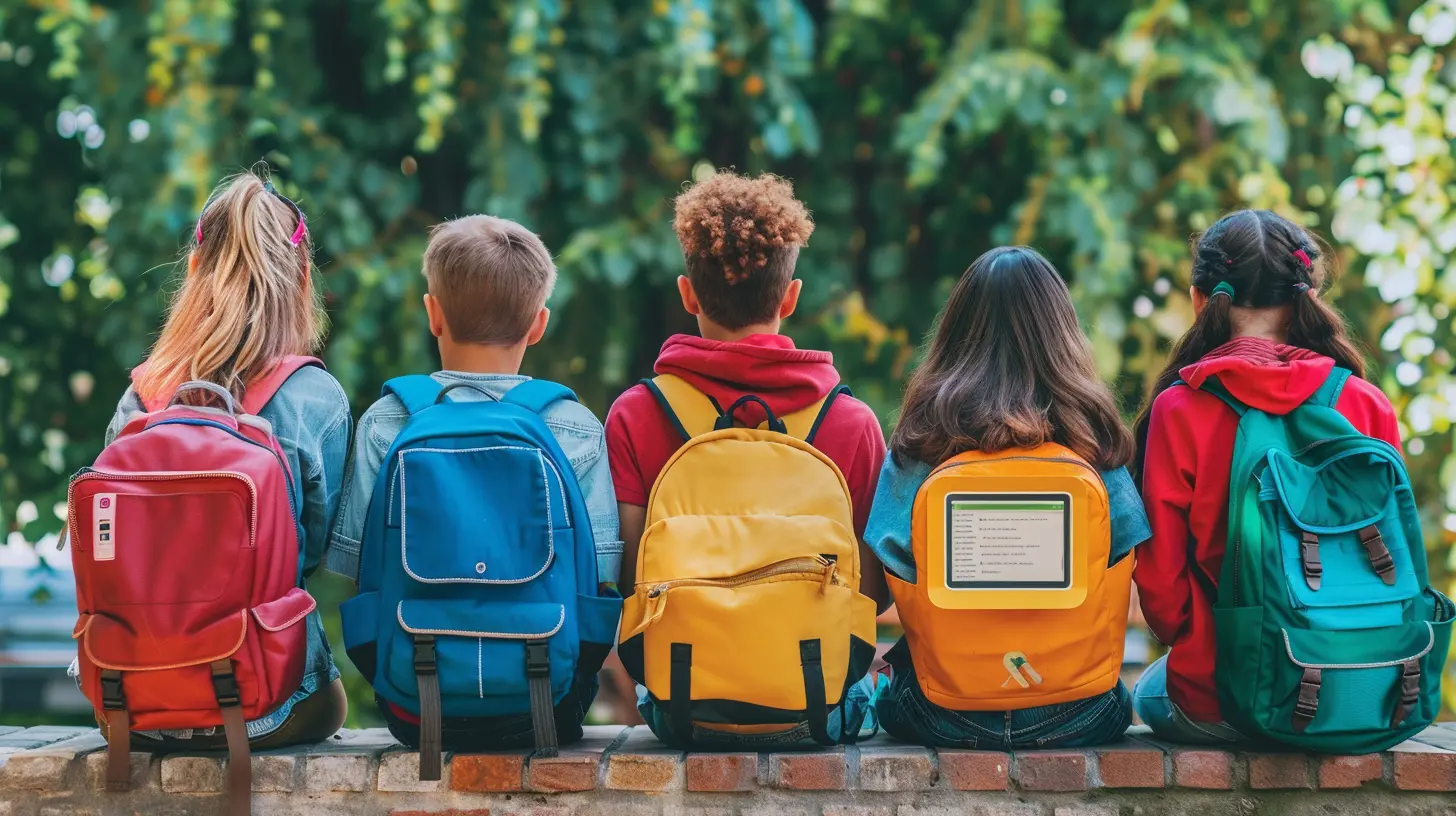
Why Safe Online Behavior Matters — Like, A LOT
Let’s start with the obvious. Why should we even care?Because students are online. All. The. Time. Whether they’re watching videos, playing games, doing homework, or scrolling through TikTok, they’re exposed to a TON of content — not all of it good.
Unsafe online behavior can lead to:
- Cyberbullying and emotional trauma
- Data breaches and identity theft
- Exposure to inappropriate content
- Risky interactions with strangers
- Reputational damage from oversharing
And the worst part? Many students don’t see the danger until it’s way too late.
This is why creating a culture of safe digital habits isn’t optional anymore — it’s essential.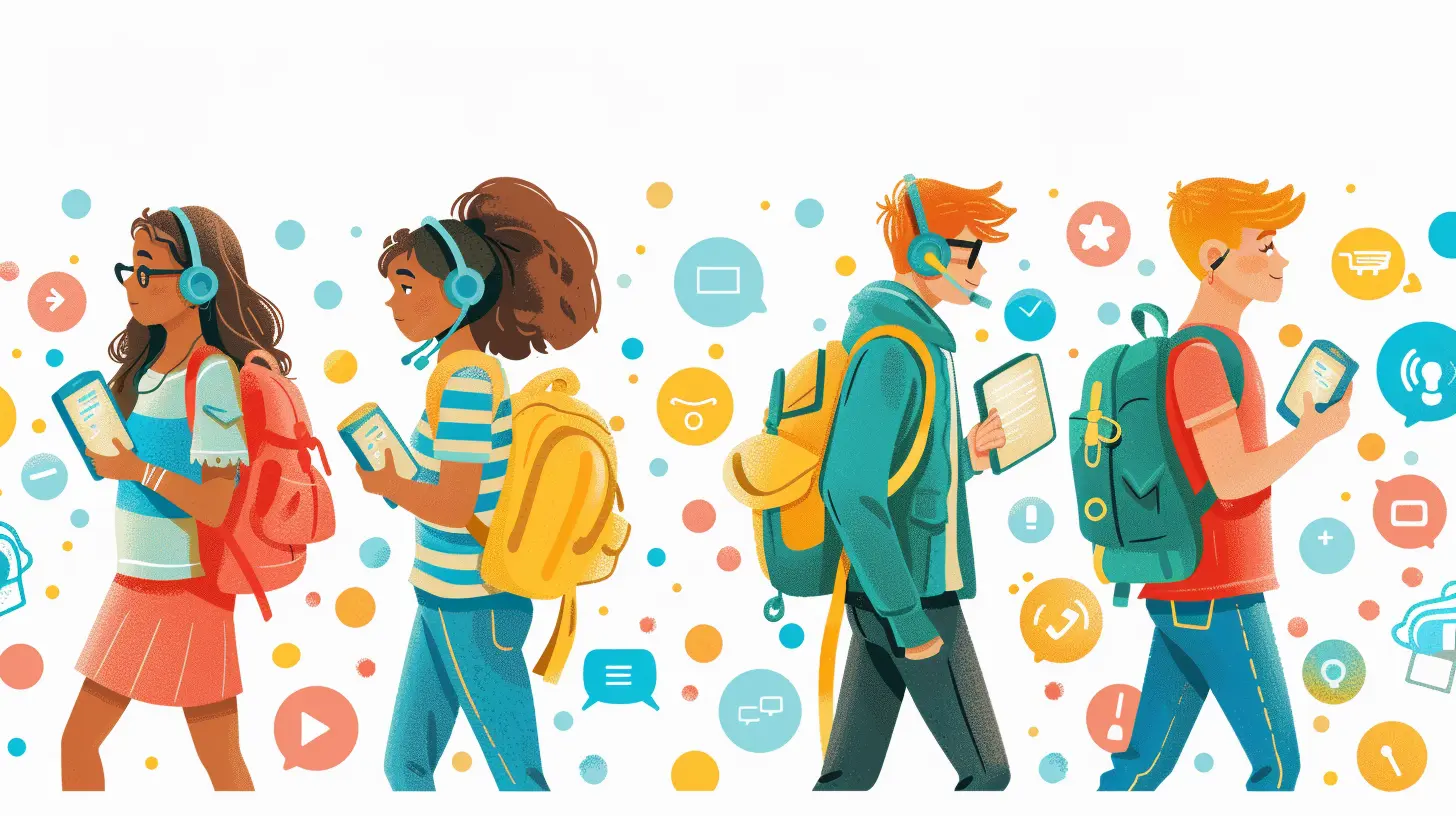
1. Start with Digital Literacy 101
Think of digital literacy as the life jacket for kids swimming in the online ocean. Without it, they’re drowning in misinformation, scams, and potentially harmful choices.What should digital literacy include?
- How to verify information (because not everything on Google is gospel!)
- Understanding personal data and how to protect it
- Identifying scams and phishing attempts
- Managing digital footprints (yes, those embarrassing old posts matter)
This isn't about boring lectures — it’s about real talk. Use examples from real life. Show them fake emails, Google shady websites, analyze trending “fake news” together. Make it interactive. Make it stick.
2. Bring Parents Into the Conversation
Students aren’t the only ones who need a crash course in online safety — sometimes, parents are even more clueless.Encourage open communication between school and home. Set up workshops, send out guides, or even run webinars to help parents understand:
- What platforms kids are using
- What risks to watch out for
- How to set ground rules without being the ‘bad guy’
- The importance of modeling good digital behavior themselves
Because let’s be real — if parents are oversharing on social media, the message to students gets totally lost.
3. Turn Teachers Into Digital Role Models
Teachers aren’t just classroom leaders — they’re influencers too (just not the “Instagram-famous” kind). Their attitude toward online learning and internet use sets the tone.Teachers should:
- Promote ethical tech use in assignments and interactions
- Discuss current events around cyber issues in lessons
- Address mistakes as learning opportunities, not moral failures
- Use tech tools that model good digital etiquette
When students see their teachers walking the talk, digital discipline becomes the norm, not the exception.
4. Make Safety Part of the Curriculum
Here’s a wild idea — don’t treat online safety like a one-off assembly with a cheesy PowerPoint. Integrate it into everyday learning.You can weave digital safety into:
- English projects: Analyze social media posts for misleading language
- Social studies: Discuss digital rights and online freedom
- Science: Talk about tech addiction and screen-time health
- Art: Create posters about cyberbullying or online kindness
Let safety be a theme, not a topic. The more natural it feels, the more it sticks.
5. Set Tech Rules That Actually Make Sense
Nobody likes overcomplicated rules, especially teens who already think rules are the enemy. So, set guidelines that make sense, are easy to follow, and feel fair.Some go-to rules?
- No device use after a certain hour (hello, sleep hygiene)
- Avoid chatting with strangers online
- Think before posting — once it's out there, it's out there
- Keep accounts private unless there’s a clear reason not to
- Report anything sketchy — and make sure students know it’s safe to do so
Use classroom contracts, tech agreements, or collaborative rule-making sessions to get students on board. Ownership = accountability.
6. Talk About the Dark Side… Honestly
Can we all agree on something? Preaching doesn’t work. Honesty does.Students need real talk about the ugly side of the web: cyberbullying, grooming, catfishing, trolling, manipulation — all of it.
Discuss:
- How predators gain kids' trust
- What psychological manipulation looks like
- Mental health red flags after too much scrolling
- Why online hate feels so personal (but usually isn’t)
And do it without fear-mongering. Help them understand the traps so they can avoid them — just like teaching a kid to cross the street safely instead of never letting them outside.
7. Promote Digital Empathy and Kindness
Kindness isn’t just for the playground. It matters online, too. Maybe even more.Help students develop digital empathy by:
- Practicing positive commenting in class forums
- Role-playing responses to negative posts
- Rewarding acts of online kindness and support
- Discussing real-life examples of cyberbullying and how to help
The golden rule applies here, folks: treat others how you want to be treated — even behind a screen.
8. Embrace Anonymous Reporting Tools
Here’s the thing: kids often see stuff happening online, but they don’t always feel safe speaking up. They worry about being labeled a “snitch” or facing backlash.Anonymous tools change the game.
Offer students an easy, confidential way to report:
- Cyberbullying
- Suspicious messages
- Harassment or abuse
- Inappropriate content
And more importantly? Take every report seriously. When students feel heard, they’re more likely to step up again.
9. Gamify It! Make Online Safety Fun
Let’s be honest, if you really want information to sink in, make it a game.Create:
- Quizzes on spotting fake news
- Point systems for positive online behavior
- Escape rooms with digital safety clues
- Competitions to design the best online safety posters or videos
When students are having fun, they’re not just learning — they’re remembering.
10. Keep The Conversation Going — Forever
Online safety isn’t a one-and-done thing. It’s evolving. Every update, every new app, every viral trend brings new risks.So what’s the move? Keep talking. Keep asking. Keep listening.
Have regular check-ins with students. Ask them:
- What apps are popular right now?
- Have they seen anything sketchy online lately?
- Do they know what to do if something bad happens?
Show them that you’re not just there to monitor — you’re there to help.
Final Thoughts: Trust Them (But Guide Them)
Here’s the raw truth: we can’t hold our students’ hands every step of the way — nor should we. The goal isn’t to shield them from everything. The goal is to prepare them.Encouraging safe online behavior isn’t about fear. It’s about empowerment. It’s about giving students the knowledge, tools, and confidence to own their digital lives — and protect themselves in the process.
So, let’s raise critical thinkers. Digital warriors. Empathetic humans who use the internet to connect, not divide. Let’s make safe online habits second nature, not second thought.
Because when we trust students with the truth, they’ll rise to the challenge.
all images in this post were generated using AI tools
Category:
School SafetyAuthor:

Bethany Hudson
Discussion
rate this article
1 comments
Callisto Hernandez
Promote critical thinking to navigate online risks wisely.
July 29, 2026 at 5:03 AM