Sustainable Agriculture and Food Systems in the Classroom
1 June 2026
Sustainability is no longer just a buzzword—it’s a necessity. As our world faces environmental challenges, the next generation must be equipped with the knowledge and tools to create a more sustainable future. One of the best ways to do this? Teach students about sustainable agriculture and food systems right in the classroom.
Imagine a future where students don’t just learn about food from textbooks but actually get their hands dirty growing it. Where they understand the journey of food from farm to table and make choices that support a healthier planet. Sounds great, right? Let’s dive into why sustainable agriculture education is crucial and how educators can make it a reality.
Why Teach Sustainable Agriculture in Schools?
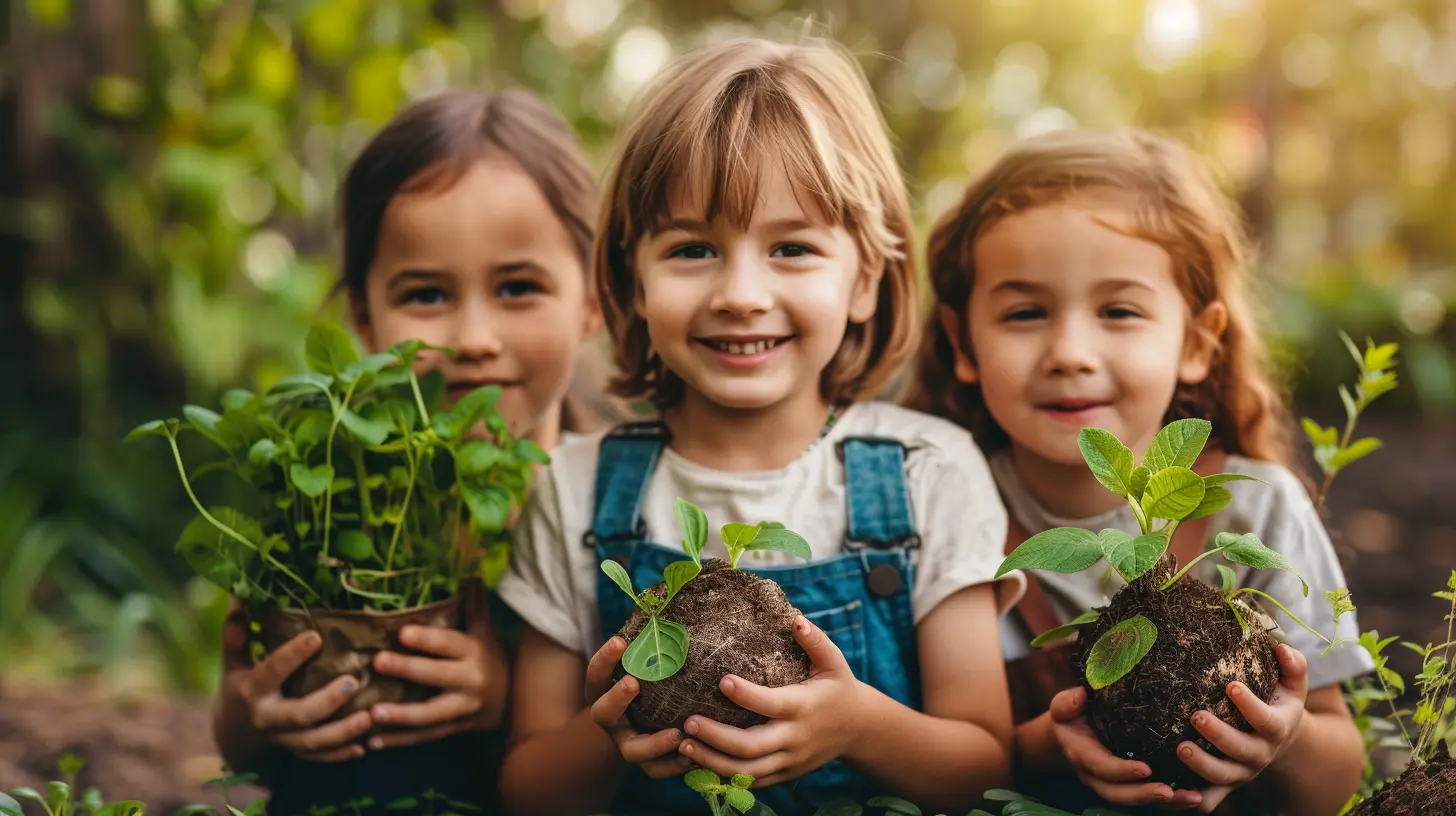
We all eat, but how often do we stop to think about where our food comes from? Teaching students about sustainable agriculture connects them with the food they consume daily. Here’s why it matters:- Encourages Environmental Responsibility – Students learn how farming impacts the planet and how sustainable methods can reduce harm.
- Promotes Healthy Eating Habits – Understanding food systems makes kids more conscious about their diet choices.
- Prepares Future Problem-Solvers – Climate change and food security are pressing global issues. Educated students are better equipped to tackle them.
- Connects Science to Real Life – Agriculture ties into biology, chemistry, geography, and even economics, making learning more engaging.
Now that we know why it’s important, let’s talk about how to teach sustainable agriculture effectively.
Integrating Sustainable Farming into Education
1. Hands-On Learning with School Gardens
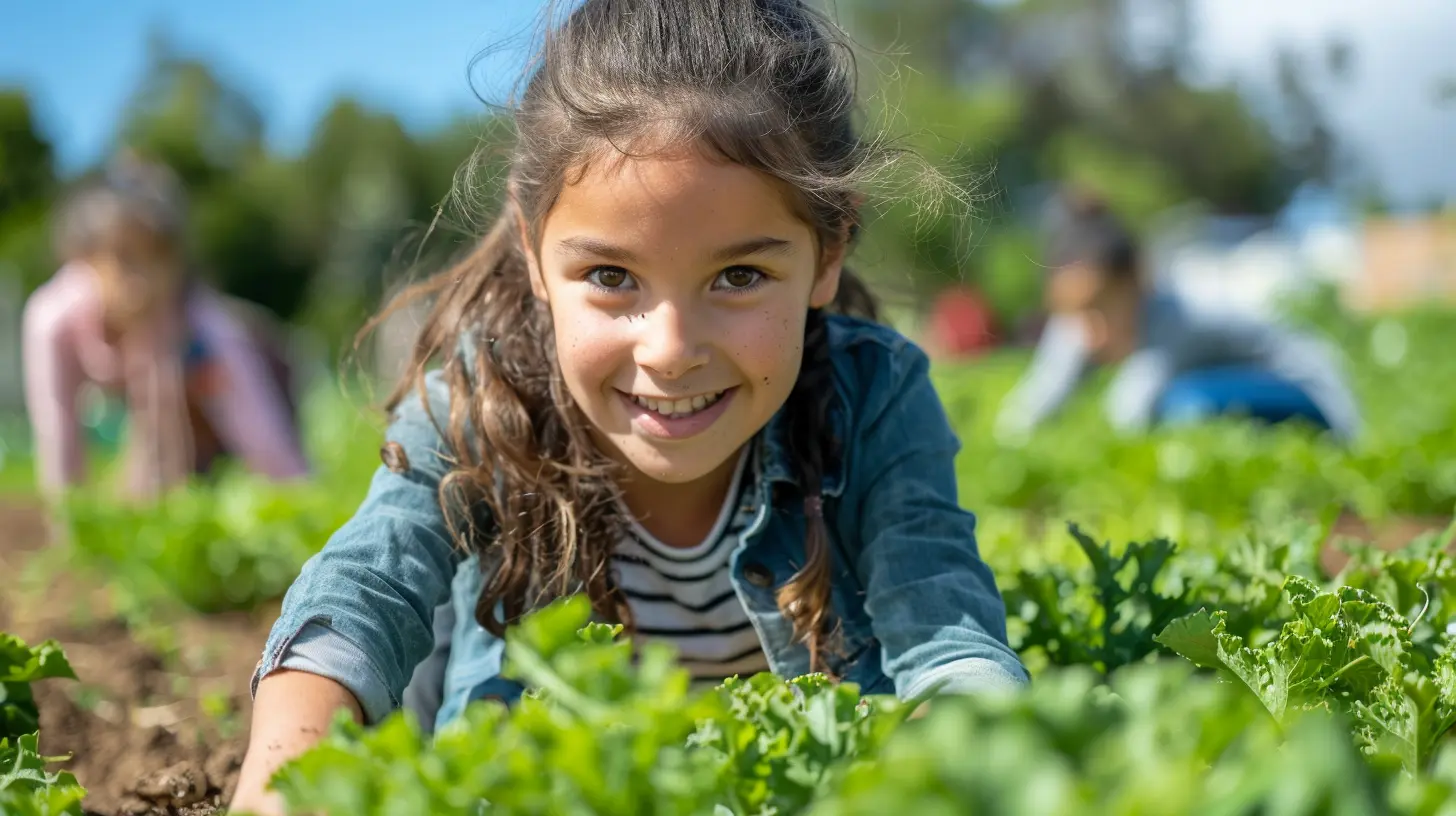
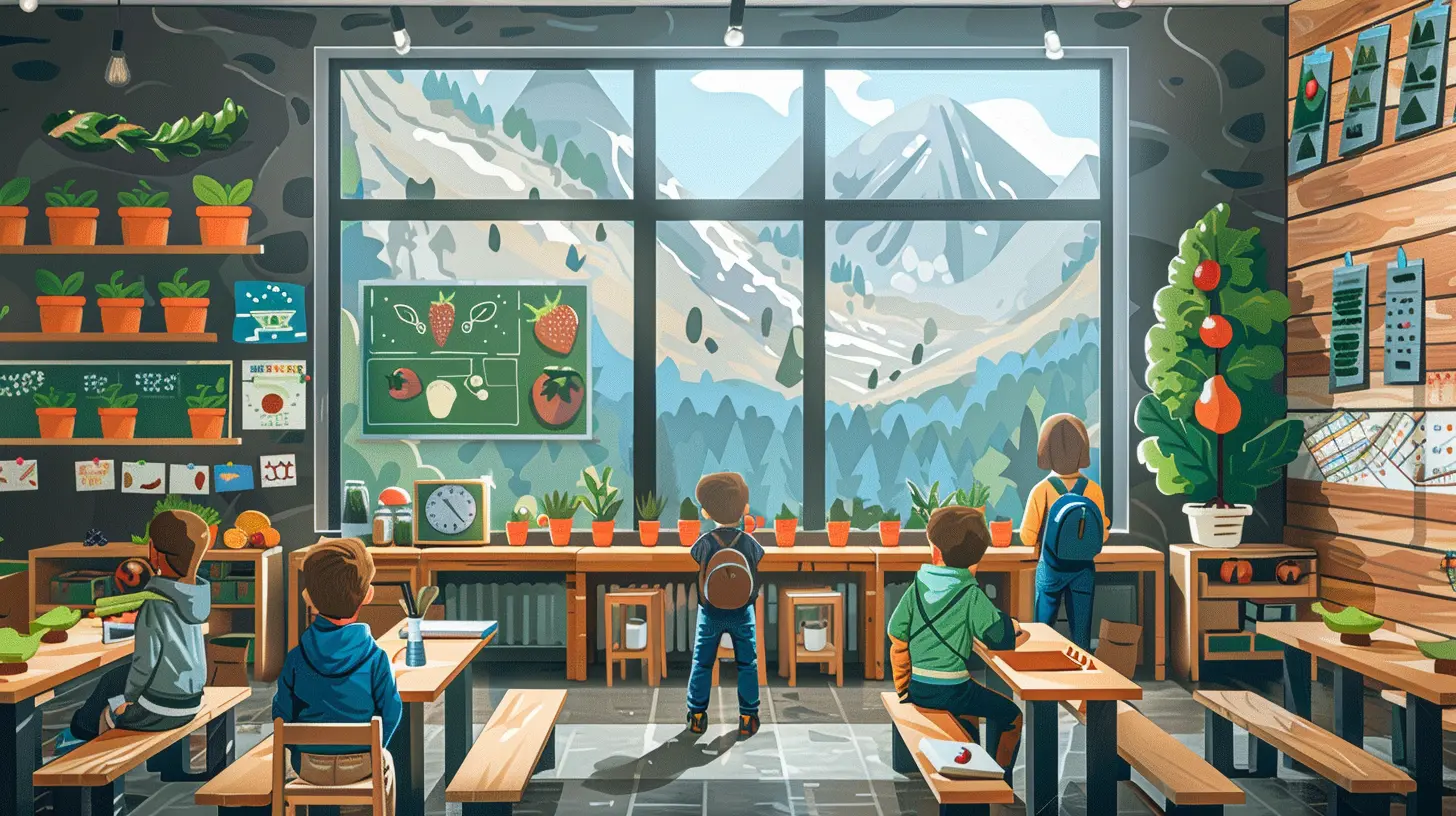
Nothing beats hands-on experience. A school garden allows students to see the impact of farming firsthand. They can plant, nurture, and harvest their own vegetables while learning about soil health, composting, and water conservation.Not every school has space for a full garden, but even small container gardens or hydroponic setups can work wonders. Plus, it makes science and environmental studies way more exciting!
2. Farm-to-Classroom Experiences
If students can’t visit a farm, bring the farm to them! Virtual tours of organic farms, guest speakers from the agricultural industry, or interactive workshops can help students understand sustainable practices. Hearing from real farmers makes the concept tangible and personal.3. Teaching Food Systems and Supply Chains
Where does food come from? How does it travel from farms to our plates? Understanding food systems introduces students to local and global food supply chains, food waste issues, and ethical concerns (such as fair wages for farmers and humane animal treatment).Real-world examples, like how a banana travels thousands of miles before reaching the supermarket, can spark engaging discussions about sustainability, carbon footprints, and food miles.
4. Encouraging Sustainable Eating Habits
Sustainable agriculture isn’t just about farming—it’s also about food choices. Schools can introduce lessons on plant-based diets, seasonal eating, and the environmental impact of different foods.Simple activities like tracking what’s in their lunch and identifying sustainable options can make students more mindful eaters.
5. STEM Education Meets Sustainable Farming
Sustainable agriculture is deeply rooted in science, technology, engineering, and math (STEM). Lessons on soil chemistry, water conservation techniques, and renewable farming technology (like solar-powered irrigation) make for an exciting cross-disciplinary approach.Plus, with agri-tech innovations like vertical farming and AI-driven crop monitoring, students can see how sustainability and technology go hand in hand.
The Role of Schools in Shaping the Future
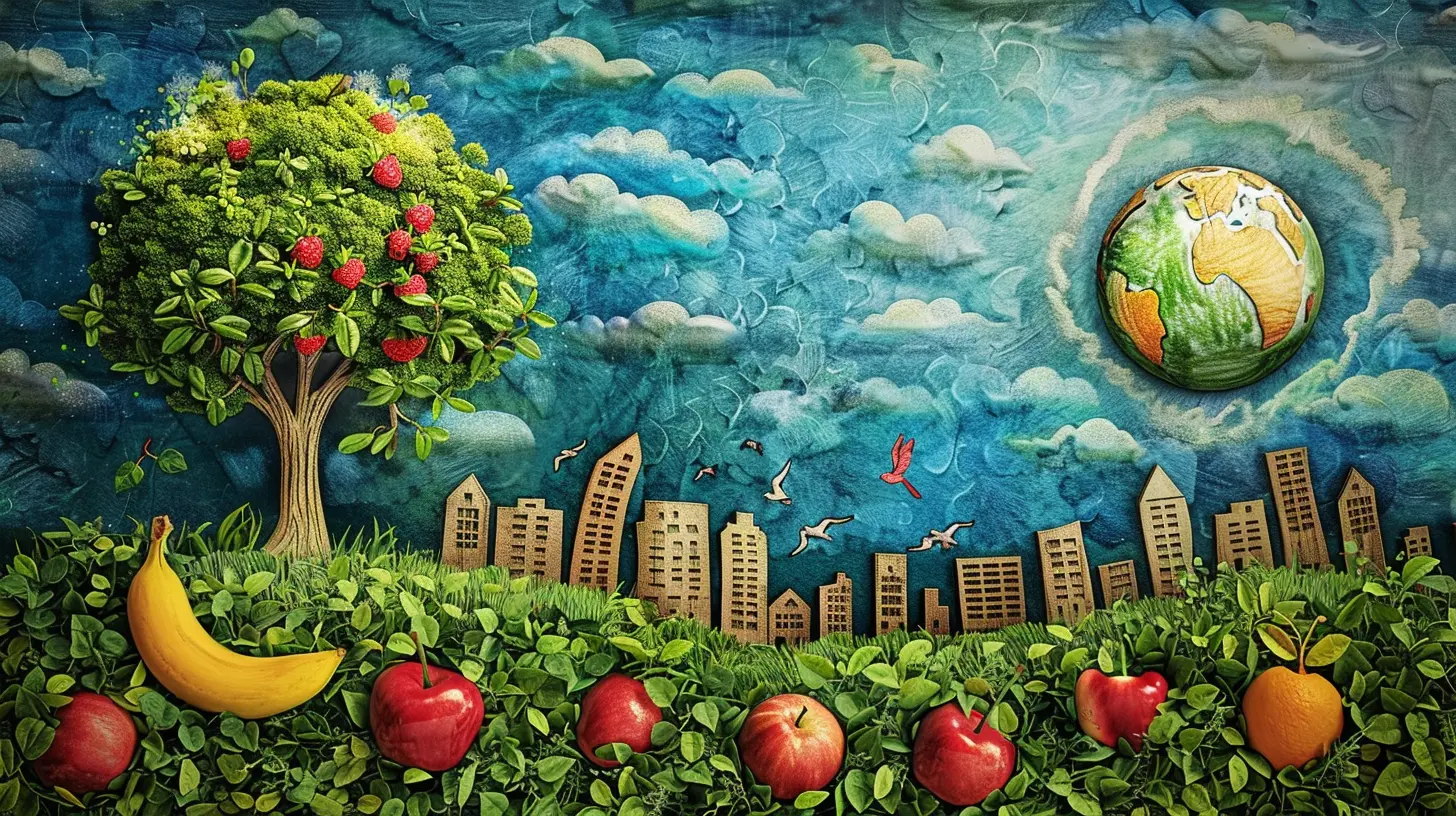
Educators aren’t just teaching—they’re shaping the future. Schools play a vital role in creating a society that values sustainability. By integrating sustainable agriculture and food systems into the curriculum, they empower students to be critical thinkers, informed consumers, and responsible citizens.Let’s face it—today’s students are tomorrow’s decision-makers. The more they understand about sustainable farming, the better choices they’ll make for the environment, their health, and future food security.
Challenges and Solutions in Teaching Sustainable Agriculture
Of course, no initiative is without its challenges. Some common hurdles include:- Limited Resources – Not all schools have the budget for garden programs or guest speakers. Solution? Partner with local farms or community organizations for support.
- Lack of Teacher Training – Many educators may not have a background in agriculture. Solution? Provide training sessions or collaborate with agricultural experts.
- Time Constraints in the Curriculum – With packed schedules, fitting in sustainability topics can be tricky. Solution? Integrate them into existing subjects like science, geography, and economics.
With creativity and community support, sustainable agriculture education is possible in any classroom.
How Students Can Take Action
Teaching sustainability isn’t just about learning—it’s about doing. Here are some ways students can get involved:- Start a composting program at school to reduce food waste.
- Organize a "Meatless Monday" initiative to raise awareness about plant-based eating.
- Grow their own herbs or vegetables at home using small pots or balcony gardens.
- Advocate for sustainable cafeteria options by reducing plastic packaging or sourcing local produce.
- Join or create an environmental club to promote eco-friendly projects in their school and community.
Small actions lead to big changes. By giving students the tools and knowledge to contribute, we create a generation that values sustainability.
Final Thoughts
Incorporating sustainable agriculture and food systems into classrooms isn’t just about teaching facts—it’s about instilling values. It’s about fostering a connection between students and the food they eat, the land it comes from, and the people who grow it.Imagine a world where every child grows up understanding the importance of responsible farming, where they actively make choices that benefit both people and the planet. That’s the power of education.
Schools have an opportunity—and a responsibility—to cultivate a generation that cares. And it all starts with a simple lesson about sustainable agriculture.
all images in this post were generated using AI tools
Category:
Environmental EducationAuthor:

Bethany Hudson
Discussion
rate this article
1 comments
Astraea Wilcox
Oh great, just what we need-more lessons on how to grow kale while the kids are wondering if pizza is a vegetable. Can't wait for the field trip to the local vegan cafe... so exciting!
June 6, 2026 at 2:40 AM
Bethany Hudson
I get your point! Balancing fun with education can be tricky, but teaching kids about food choices can spark important conversations. Plus, who doesn't love pizza?