How to Handle School Lockdowns: Tips for Administrators
12 December 2025
School safety is a top priority for administrators, teachers, and parents alike. No one wants to think about the possibility of a school emergency, but the reality is that being prepared can make all the difference. One of the most critical safety procedures is a school lockdown. Knowing how to handle a lockdown effectively can prevent chaos, ensure student safety, and provide peace of mind for everyone involved.
In this guide, we'll break down practical tips for school administrators on how to prepare for, manage, and recover from a lockdown situation. Whether it's a drill or a real emergency, having a well-thought-out plan will help you lead with confidence. 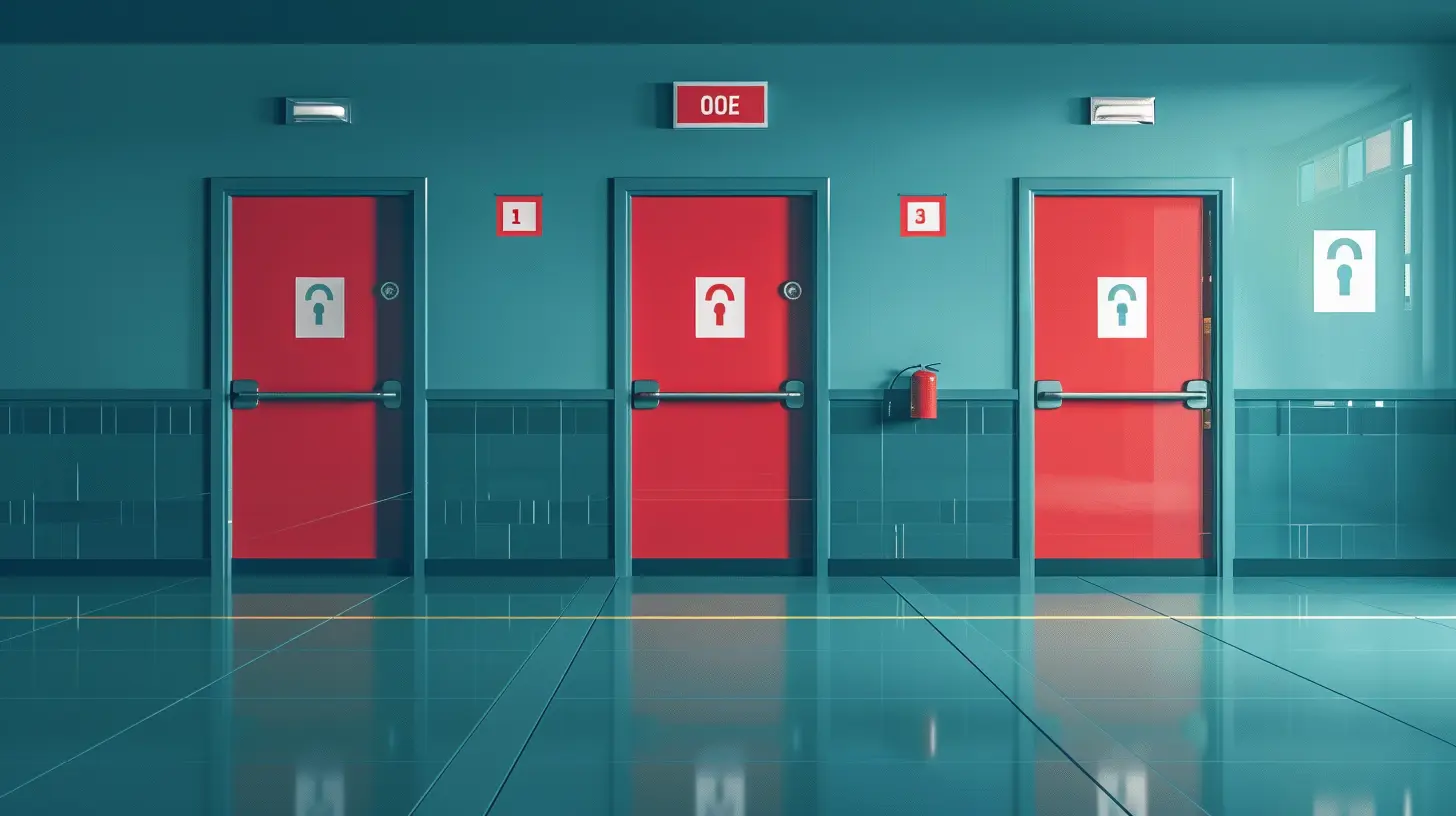
Understanding School Lockdowns
What Is a School Lockdown?
A school lockdown is a security protocol that restricts movement inside a school to keep students and staff safe from potential threats. Lockdowns can be triggered by various situations, including:- An active intruder or armed threat on campus
- Nearby criminal activity
- Hazardous material spills
- Severe weather events
Regardless of the reason, lockdowns should be taken seriously and implemented quickly.
Types of Lockdowns
Not all lockdowns are the same. Schools typically use different types depending on the threat level:1. Soft Lockdown (Precautionary Lockdown)
- Used when there’s no immediate danger inside the school but a potential external threat.
- Classroom doors are locked, but teaching continues as usual.
2. Hard Lockdown (Full Lockdown)
- Used when there is an immediate danger inside or near the school.
- Students and staff take cover, lock all doors, turn off lights, and remain silent.
3. Shelter-in-Place
- Used for environmental hazards like chemical spills or severe weather.
- Students remain inside but can move to designated safe areas.
Knowing these distinctions helps administrators implement the right response in any situation. 
Preparing for a School Lockdown
1. Develop a Clear Lockdown Plan
A solid action plan ensures everyone knows what to do. As an administrator, work with security experts, local law enforcement, and school staff to create a plan that includes:- Lockdown activation procedures (Who initiates it, and how is it communicated?)
- Responsibilities of staff and teachers during a lockdown
- Student safety measures (where they should go, what they should do)
- Communication strategies with parents and authorities
2. Train Staff and Teachers Regularly
A plan is only as good as its execution. Teachers and staff must understand their roles and feel confident carrying them out. Schedule regular training sessions that cover:- How to quickly secure classrooms
- Handling frightened or anxious students
- Communicating with the administration and emergency responders
Role-playing different scenarios helps educators stay calm under pressure and take the right actions when every second counts.
3. Educate Students Without Creating Panic
Students need to understand why lockdowns happen and how they should respond. The goal is to prepare them without scaring them. Discuss safety procedures in a way that’s age-appropriate and reassuring.For younger children, frame drills as "just like fire drills, but for a different kind of emergency." Older students can handle more detailed discussions on personal safety.
4. Conduct Regular Lockdown Drills
Drills should be scheduled and practiced just like fire drills. Make sure they’re realistic but not terrifying. After a drill, hold a debriefing session to:- Identify what went well
- Address any mistakes
- Gather feedback from staff and students
This helps fine-tune your lockdown plan and makes sure everyone is on the same page. 
Managing a Lockdown in Real Time
1. Stay Calm and Take Control
In a real lockdown, panic can spread quickly. Students and staff will look to administrators for guidance. Keep a clear head, communicate with confidence, and follow the established lockdown procedures.2. Communicate Effectively
Use clear, concise language when announcing a lockdown. If possible, deliver real-time updates over the intercom or through a secure messaging system. Avoid vague statements like, "There is a situation." Instead, say:"We are in a lockdown. Follow lockdown procedures immediately. Stay inside, lock doors, and remain silent until further notice."
3. Work Closely with Law Enforcement
If the threat involves law enforcement, coordinate closely with them. They need up-to-date information on:- How many people are inside the school
- Where the threat is located (if known)
- Who is injured or needs assistance
Law enforcement may take control, but administrators play a key role in providing critical information to help resolve the situation.
4. Keep Parents Informed
Parents will understandably panic if they hear about a lockdown without details. Have a prepared communication plan in place.- Use school messaging systems, emails, or social media for updates.
- Assure parents that their children are safe.
- Tell them where they can get official updates (to avoid misinformation).
This keeps rumors from spreading and prevents parents from rushing to the school, which can interfere with emergency response efforts. 
What to Do After a Lockdown Ends
1. Conduct an Assessment
Once law enforcement deems the situation safe, immediately conduct a post-lockdown assessment. Evaluate:- How well the lockdown procedures were followed
- Any weaknesses in the security plan
- Feedback from teachers, students, and staff
Learning from each lockdown (whether real or a drill) helps improve your school’s safety policies.
2. Support Students and Staff Emotionally
Lockdowns, especially real ones, can be traumatic. It’s essential to offer emotional support through counseling services, group discussions, and one-on-one check-ins.- Make professional counselors available for anyone who needs support.
- Encourage teachers to create a calm, supportive environment.
- Allow students to talk about their feelings in a safe space.
Mental well-being is just as important as physical safety after a stressful event.
3. Communicate with Parents Post-Lockdown
Once things return to normal, update parents with a detailed explanation of what happened. Address:- What the threat was
- How the school responded
- What the next steps are
Transparency builds trust and reassures parents that their children are in good hands.
Final Thoughts
Handling a school lockdown is one of the most important responsibilities for any administrator. Being prepared, staying calm, and prioritizing communication will ensure that students and staff remain safe.Remember, it’s not about instilling fear—it’s about creating a secure environment where learning can thrive. By regularly updating plans, training staff, and keeping students informed, you’ll create a culture of preparedness that could one day save lives.
Your school’s safety is in your hands—so take the steps needed to protect your students and staff. When it comes to lockdowns, being proactive is always better than reactive.
all images in this post were generated using AI tools
Category:
School SafetyAuthor:

Bethany Hudson
Discussion
rate this article
2 comments
Joy McGhee
This article effectively highlights essential strategies for administrators during school lockdowns, emphasizing the importance of clear communication, preparedness, and emotional support to ensure student and staff safety.
December 25, 2025 at 1:36 PM
Bethany Hudson
Thank you for your insightful comment! I'm glad you found the strategies on communication, preparedness, and emotional support helpful for ensuring safety during lockdowns.
Kingston Williams
Strong communication and preparedness are key; fostering a supportive environment helps both staff and students navigate lockdown situations effectively.
December 16, 2025 at 4:56 AM
Bethany Hudson
Absolutely! Clear communication and a supportive atmosphere are essential for ensuring everyone feels safe and informed during lockdowns. Thank you for highlighting this important aspect!