How to Integrate Environmental Science into Daily Lessons
15 July 2026
Let’s face it — environmental science is no longer just for the kids who love hiking or are obsessed with protecting endangered species. It’s for everyone! Whether you're teaching elementary students or high schoolers, integrating environmental science into daily lessons can help foster a deeper understanding of the world around us. Plus, it’s a fantastic way to develop critical thinking skills, encourage problem-solving, and promote sustainability. But the big question is: how?
If you're wondering how to weave environmental science into your lessons without it feeling forced or overwhelming, you're in the right place. In this article, I’ll walk you through creative, engaging, and practical ways to sprinkle environmental topics into your daily teaching. So, let's dive in!
Why Integrate Environmental Science?
Before we get into the nitty-gritty, it’s essential to understand why integrating environmental science is important.Environmental issues like climate change, deforestation, pollution, and biodiversity loss aren't just buzzwords; they are real-world challenges that today's students will inherit. By introducing these concepts early on, we can:
1. Raise Awareness: Students become more conscious of the environmental issues that affect their lives.
2. Build Responsibility: They get a sense of responsibility for their actions and their impact on the planet.
3. Encourage Critical Thinking: Environmental science is full of complex, interconnected problems that require creative solutions.
4. Promote Sustainable Habits: By understanding the significance of their choices, students can cultivate sustainable practices that they'll carry into adulthood.
But how do you teach these concepts without overwhelming your students (or yourself)? Let’s break it down.
1. Start Small: Incorporate Environmental Themes into Existing Subjects
The easiest way to introduce environmental science is by incorporating it into subjects you’re already teaching. You don’t need to reinvent the wheel. Instead, look for natural connections between the environment and your current curriculum. Here are a few ideas:a. Math
Math and the environment? You might be scratching your head, but hear me out. Math is everywhere in nature! From calculating the carbon footprint to measuring the rate of deforestation, math plays a huge role in understanding environmental challenges.For example, when teaching percentages, you could ask students to calculate the percentage of waste that is recycled in your community. Or, when teaching geometry, explore the symmetry and patterns in nature, like the Fibonacci sequence in sunflowers or pinecones.
b. Language Arts
Incorporate environmental themes into reading and writing. Choose books, short stories, or articles that focus on environmental topics. For older students, you could introduce thought-provoking essays on climate change or pollution.Ask students to write persuasive essays on why reducing plastic waste is important or create fictional stories where the protagonist saves an endangered species. This not only builds literacy skills but also deepens their understanding of environmental issues.
c. Social Studies
Environmental science and social studies go hand-in-hand. When discussing geography, you can explore how different ecosystems function and how human activities impact these regions. Dive into the history of environmental movements or talk about the role of governments in creating environmental policies.d. Art
Art can be a powerful tool in raising environmental awareness. Encourage your students to create art from recycled materials or have them design posters promoting environmental causes like water conservation or reforestation. This not only helps them tap into their creativity but also reinforces the importance of sustainability.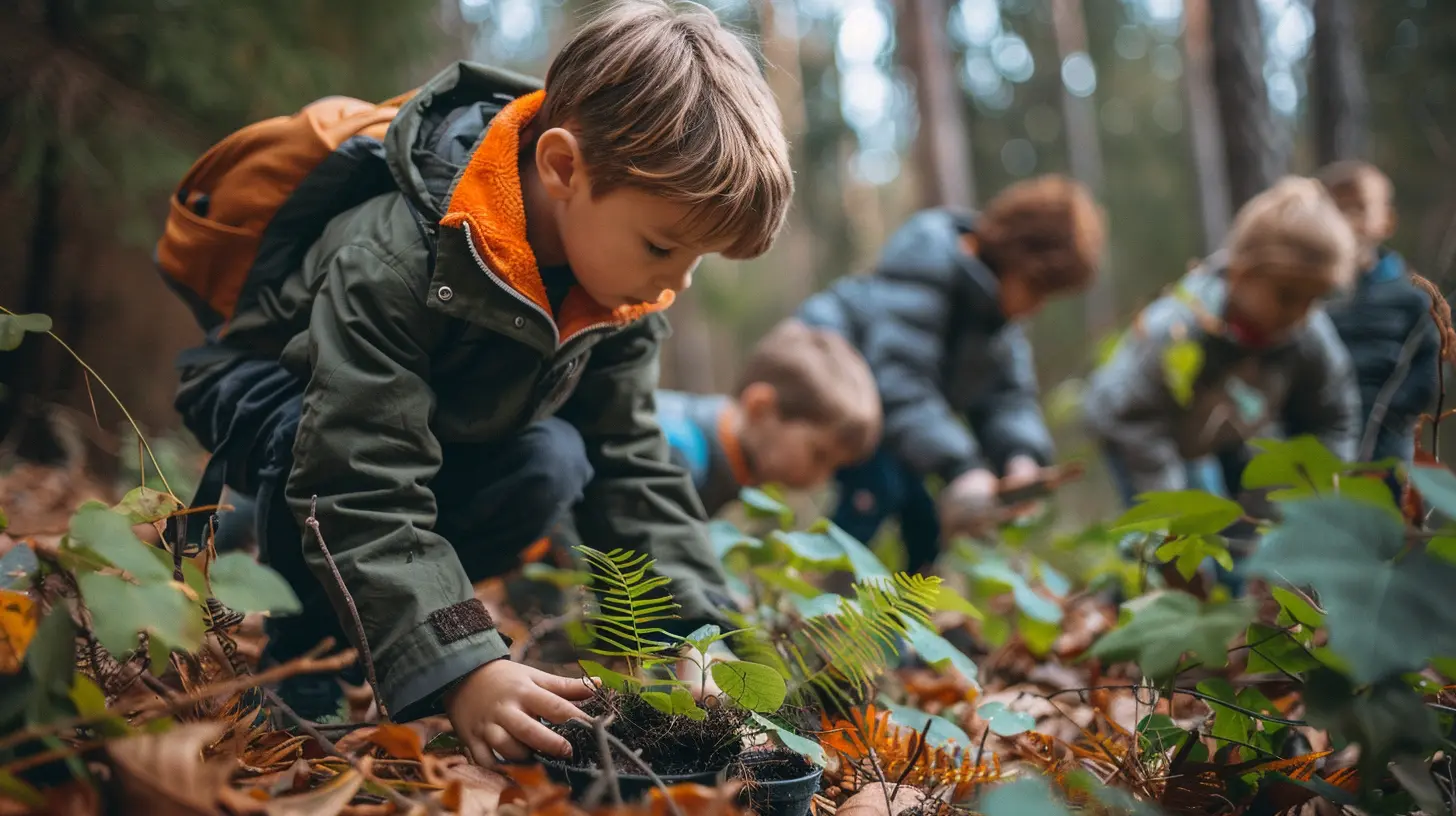
2. Make It Hands-On: Engage Students Through Experiments and Projects
Let’s be real — students love getting hands-on. The more interactive the lesson, the more engaged they’ll be. Luckily, environmental science is full of opportunities for experiments and projects.a. Classroom Recycling Program
One of the simplest ways to integrate environmental science into daily lessons is to start a classroom recycling program. Teach students about the different types of waste and how recycling benefits the environment. Assign roles like "recycling monitor" to give students responsibility and involve them in the process.b. Composting Experiment
Start a compost bin in your classroom or at home. This teaches students about the decomposition process and the importance of reducing food waste. You can track the temperature of the compost, observe the organisms involved, and even use the compost for a school garden.c. Energy Audit
Get students involved in conducting an energy audit of your school or classroom. Have them track energy use, such as how often lights are left on or how much paper is used, and come up with recommendations on how to reduce the school’s energy consumption.d. Water Filtration Experiment
This is a fun and simple science experiment that shows students how water is filtered in nature. Using materials like sand, pebbles, and activated charcoal, students can create their own water filtration system and observe how it cleans dirty water. This is a fantastic way to talk about water pollution and the importance of clean water.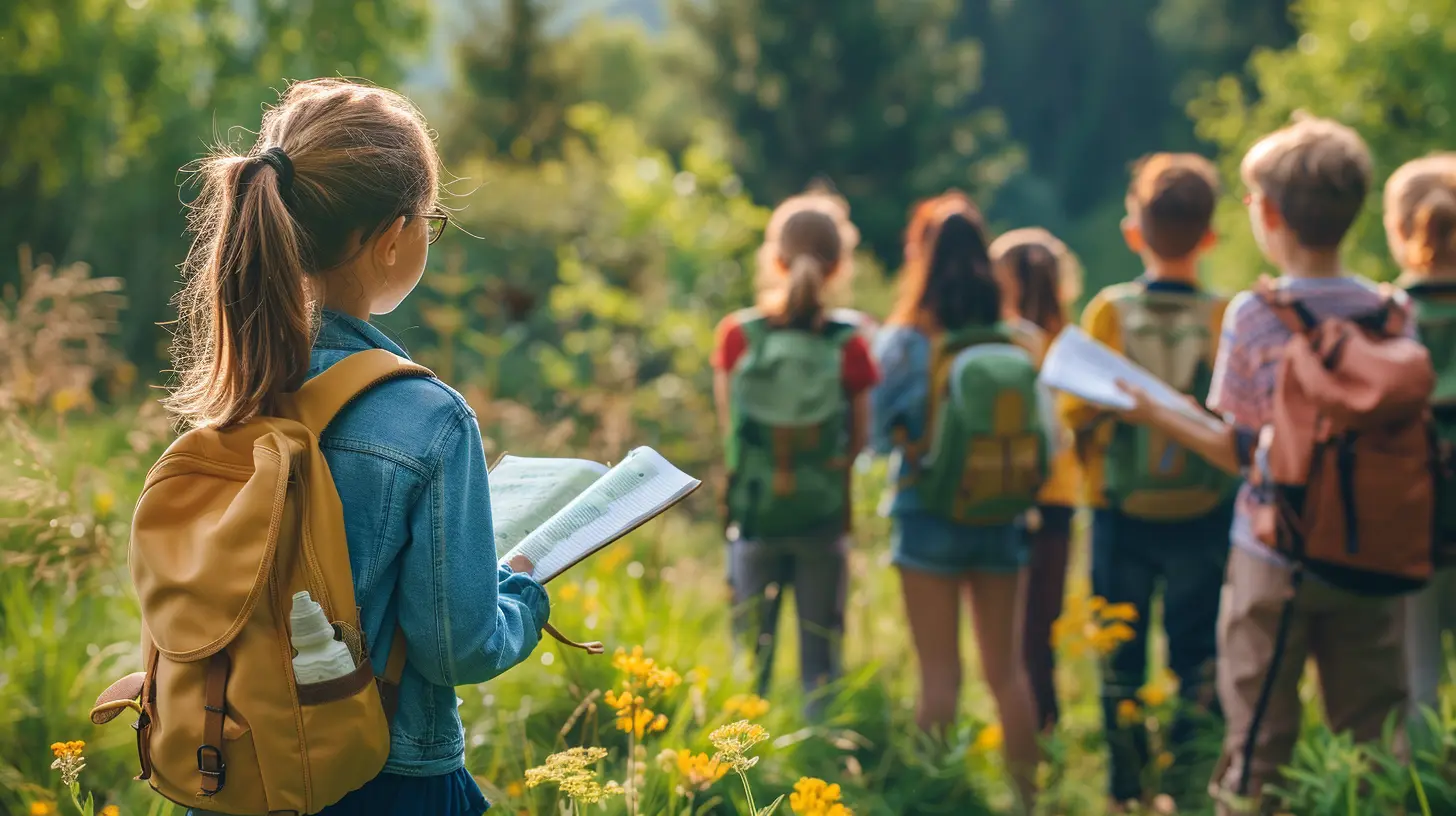
3. Take Learning Outdoors: Nature as Your Classroom
When was the last time your class took a field trip outside? Sometimes, the best way to teach environmental science is to let nature do the talking. Outdoor learning doesn’t just break up the monotony of indoor lessons; it also helps students connect with the environment in a meaningful way.a. School Garden
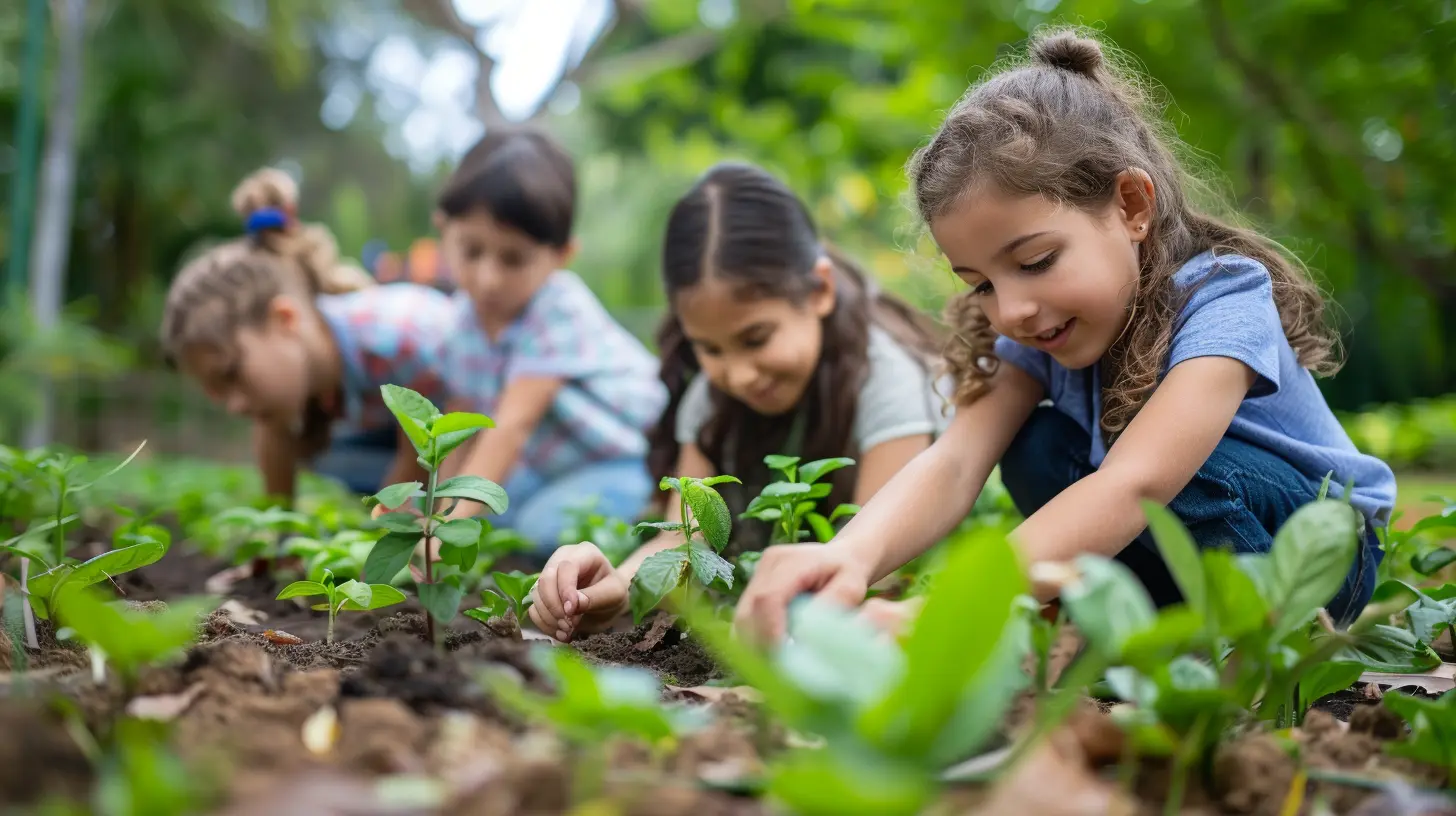
Starting a school garden is a fantastic way to teach students about the environment. They’ll learn about soil health, plant growth, pollination, and the importance of biodiversity. Plus, they’ll develop a deeper appreciation for where their food comes from.b. Nature Walks
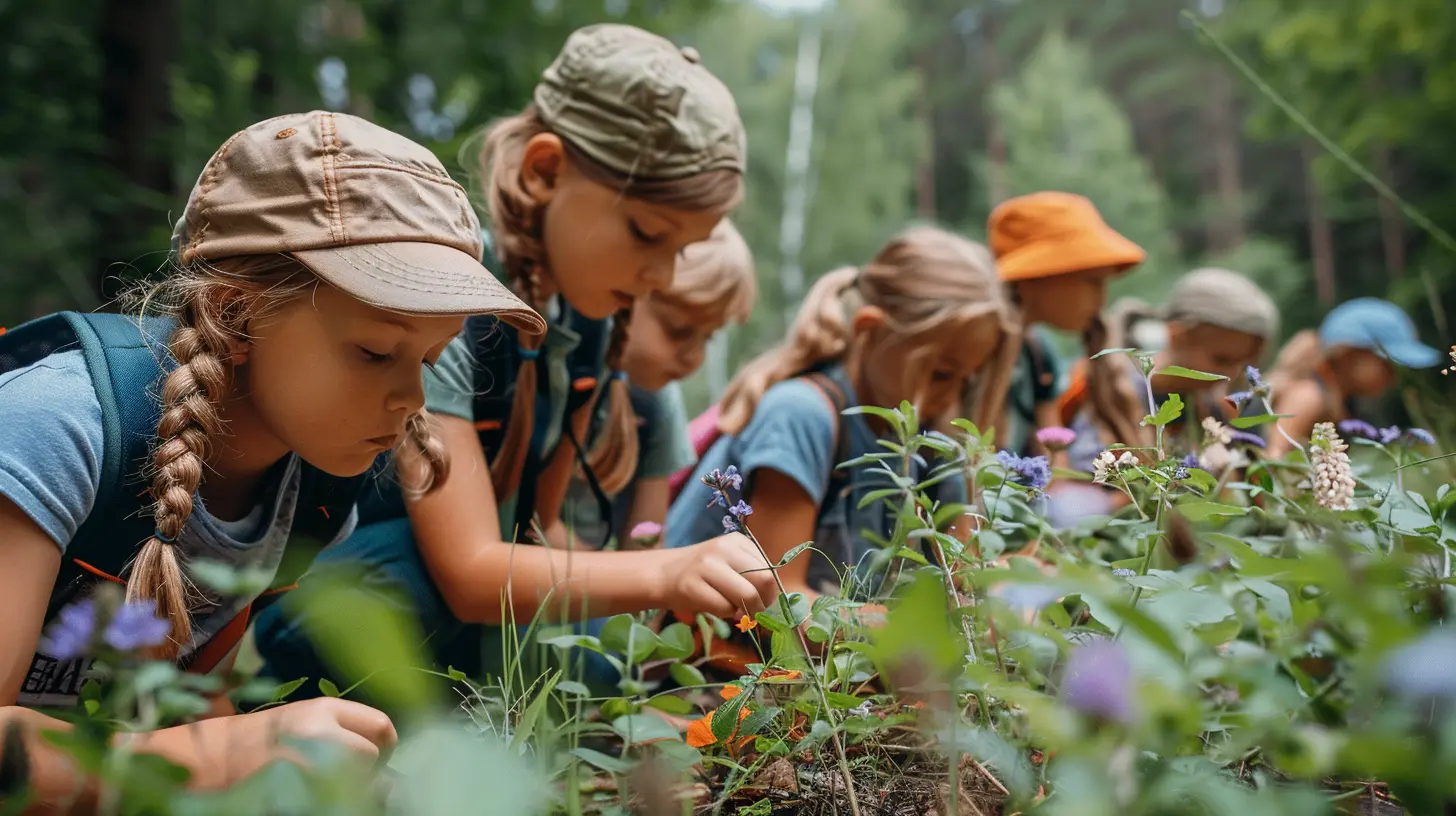
Take your students on a nature walk and encourage them to observe the environment around them. Ask them to identify different plants, animals, or insects. You can also discuss local ecosystems and how human activities are affecting them.c. Citizen Science Projects
Get your class involved in a citizen science project. There are many projects where students can help collect data that real scientists use in their research. For example, they can monitor local bird populations, track the migration of monarch butterflies, or test water quality in a nearby stream.4. Use Technology: Digital Tools to Teach Environmental Science
Technology is a fantastic way to bring environmental science into the classroom. With so many digital tools and resources available, you can make learning about the environment engaging and fun.a. Virtual Field Trips
Not every school has the budget to take students to national parks or wildlife reserves. But with virtual field trips, you can bring these experiences into the classroom. There are many virtual tours of places like the Great Barrier Reef, the Amazon Rainforest, or Yellowstone National Park.b. Interactive Simulations
There are many online simulations that allow students to explore environmental issues in a controlled setting. For example, students can simulate the effects of deforestation on an ecosystem or experiment with how different energy sources affect global warming.c. Educational Apps
There are a variety of educational apps that focus on environmental science topics. For instance, apps like iNaturalist allow students to identify and catalog plants and animals in their local area, turning their community into a living science lab.
5. Encourage Student-Led Initiatives: Let Them Take the Lead
One of the most effective ways to get students invested in environmental science is to let them take the lead. Encourage them to come up with their own ideas on how to make their school or community more environmentally friendly.a. Eco-Club
Support students in starting an eco-club at school. This could be a space where they discuss environmental issues, organize clean-up events, or create campaigns to reduce waste and conserve energy.b. Sustainability Challenges
Get students involved in sustainability challenges. For example, you can have a “no plastic week” where students are encouraged to avoid single-use plastics, or a “walk to school” week to reduce carbon emissions.c. Service Learning Projects
Encourage students to take on service learning projects that have a positive impact on the environment. They could plant trees, organize a recycling drive, or volunteer at a local conservation center.6. Make It Relevant: Connect Environmental Science to Real-World Issues
Environmental science is all around us, and it’s important to connect what students are learning in the classroom to the real world. Keep an eye on current events and use them as teachable moments.a. Current Events Discussions
Encourage students to stay informed about environmental news. Whether it’s a new climate report, a natural disaster, or a breakthrough in renewable energy, discussing these events can help students see the relevance of what they’re learning.b. Debates on Environmental Policies
Host classroom debates on environmental policies. For example, you could have students debate the benefits and drawbacks of renewable energy, discuss the ethics of deforestation, or argue for or against plastic bag bans.
Conclusion
Integrating environmental science into daily lessons doesn’t have to be overwhelming. Start small, make it hands-on, and most importantly, make it fun! By weaving environmental concepts into the subjects you’re already teaching, you’ll not only engage your students but also help them develop a deep appreciation for the world around them.Remember, the goal is to inspire curiosity and a sense of responsibility. The students of today are the environmental stewards of tomorrow, and by teaching them to care for the planet now, you're helping to shape a better future.
all images in this post were generated using AI tools
Category:
Environmental EducationAuthor:

Bethany Hudson
Discussion
rate this article
1 comments
Yasmine Baxter
So, are we teaching kids about saving the planet, or just giving them a reason to argue about the recycling bin at lunch? Let's find out!
July 17, 2026 at 2:49 AM
Bethany Hudson
Great point! It's all about making environmental lessons engaging and meaningful, so kids see the bigger picture beyond just recycling. Let's spark their curiosity and foster real discussions about our planet.