How to Motivate High School Students to Care About the Planet
20 October 2026
Let’s face it—getting teenagers to care deeply about, well, anything that doesn’t directly affect them can be a challenge. They’re busy navigating school, friendships, social media, and figuring out who they are. So, how on earth do we motivate high school students to shift their attention to something as big and abstract as saving the planet?
The good news? It’s possible. And not just possible—when done right, it can lead to life-long change. In this post, we’re diving deep into strategies that work, straight talk that connects, and real-life hacks to get high schoolers to care (and act) about the environment.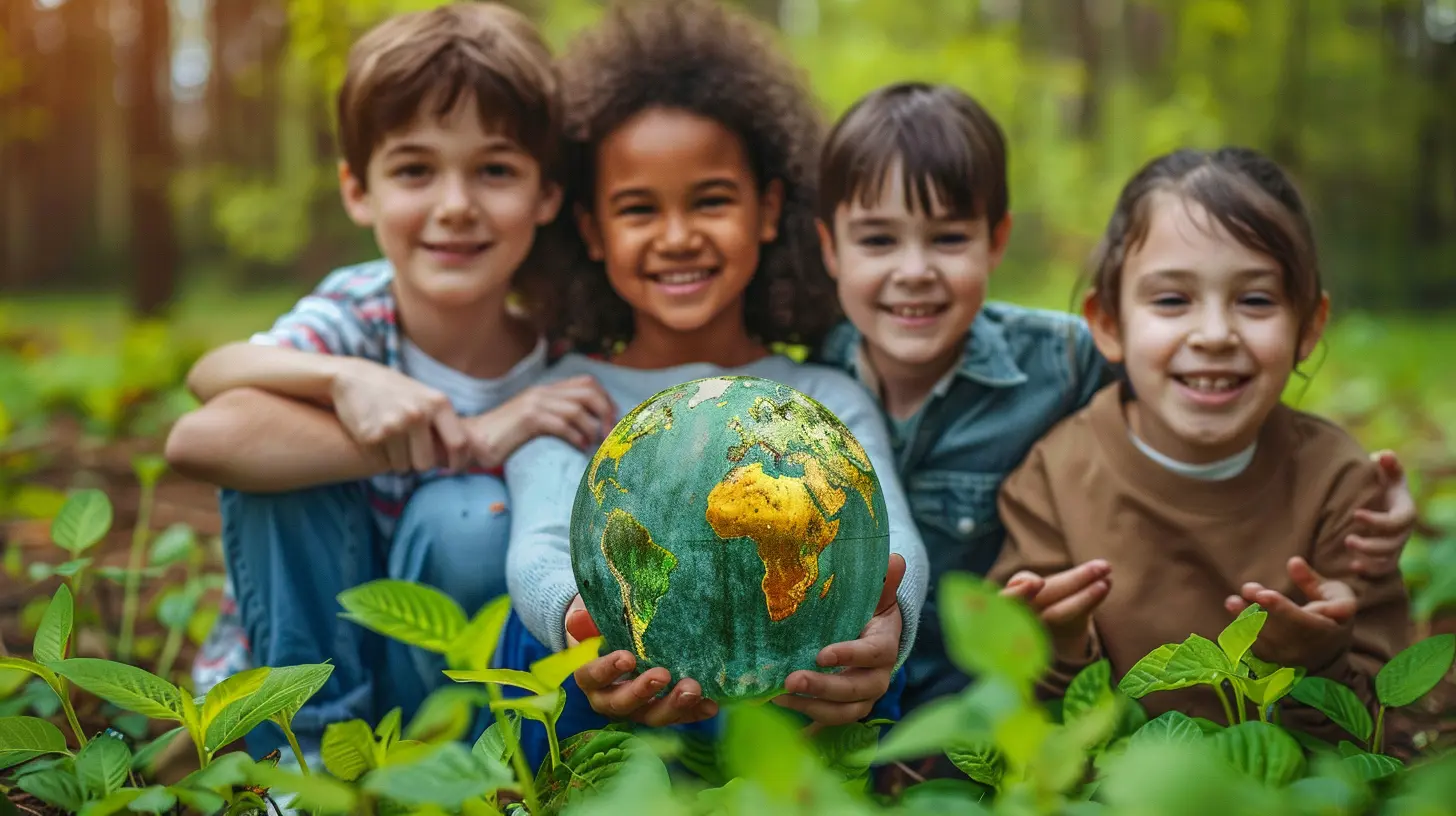
Why Teenagers Should Care About the Planet Anyway
Let’s start with the “why”. Why should a 16-year-old worry about rising sea levels or melted ice caps? Well, here’s a hard truth: they’re going to inherit the Earth next. The decisions we make today—our use of energy, water, plastic, and more—will shape their future in ways we’re only beginning to see.But high schoolers don’t always connect the dots between their habits and environmental impact. That’s where motivation comes in. We need to bridge the gap between awareness and action. And it starts with meeting them where they are.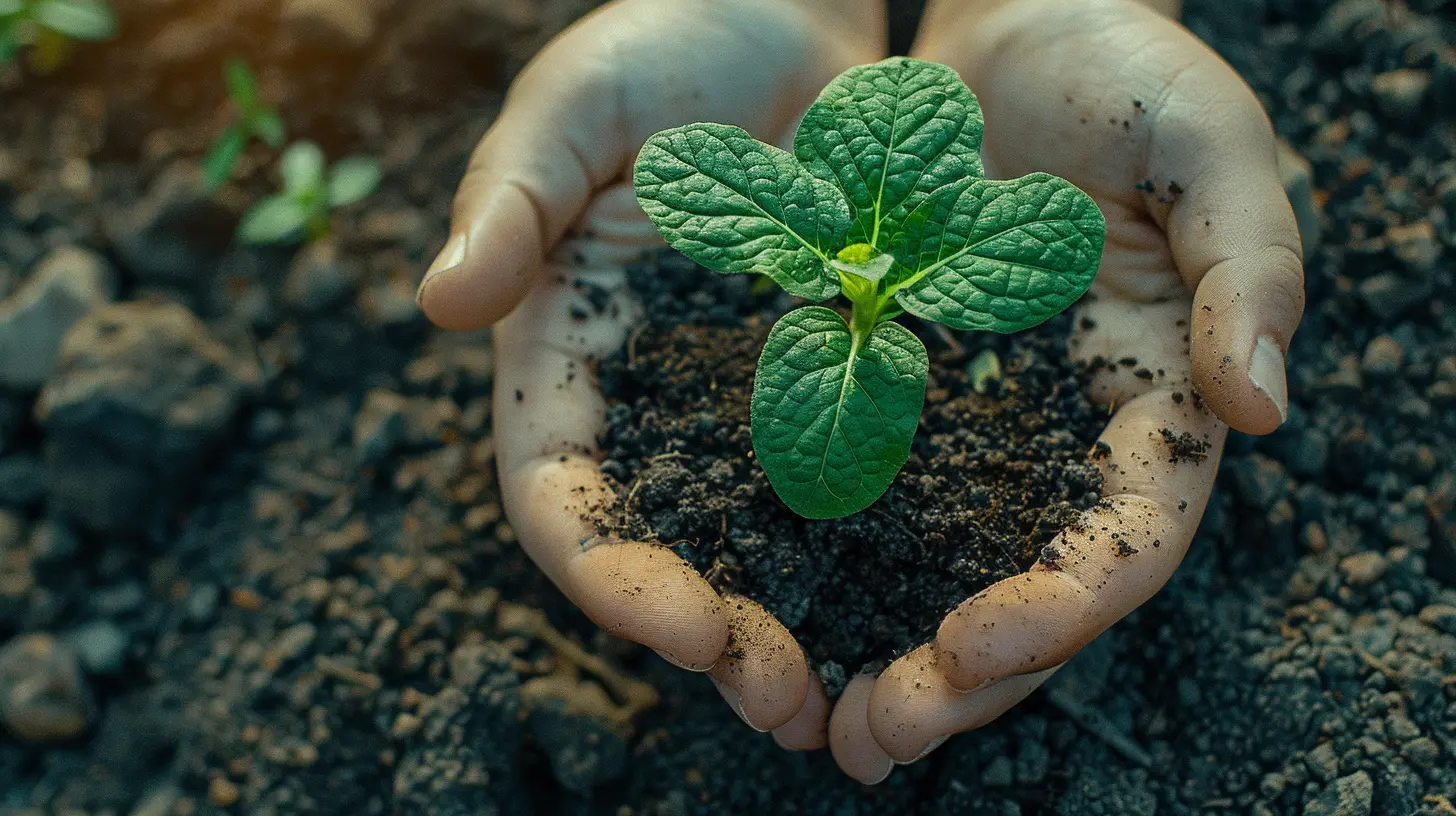
Step 1: Make It Personal, Not Preachy
Teenagers are like finely tuned B.S. detectors. The second they feel like they’re being preached to or guilt-tripped, you’ve lost them. They tune out.Instead, personalize the message. Pose questions like:
- What kind of world do you want to live in 30 years from now?
- What would happen if your favorite beach disappeared?
- Have you ever thought about how your favorite foods could vanish due to climate change?
Tie environmental issues to things they already care about. Fashion, music festivals, sports, social justice—these all connect back to the planet when you dig a little deeper.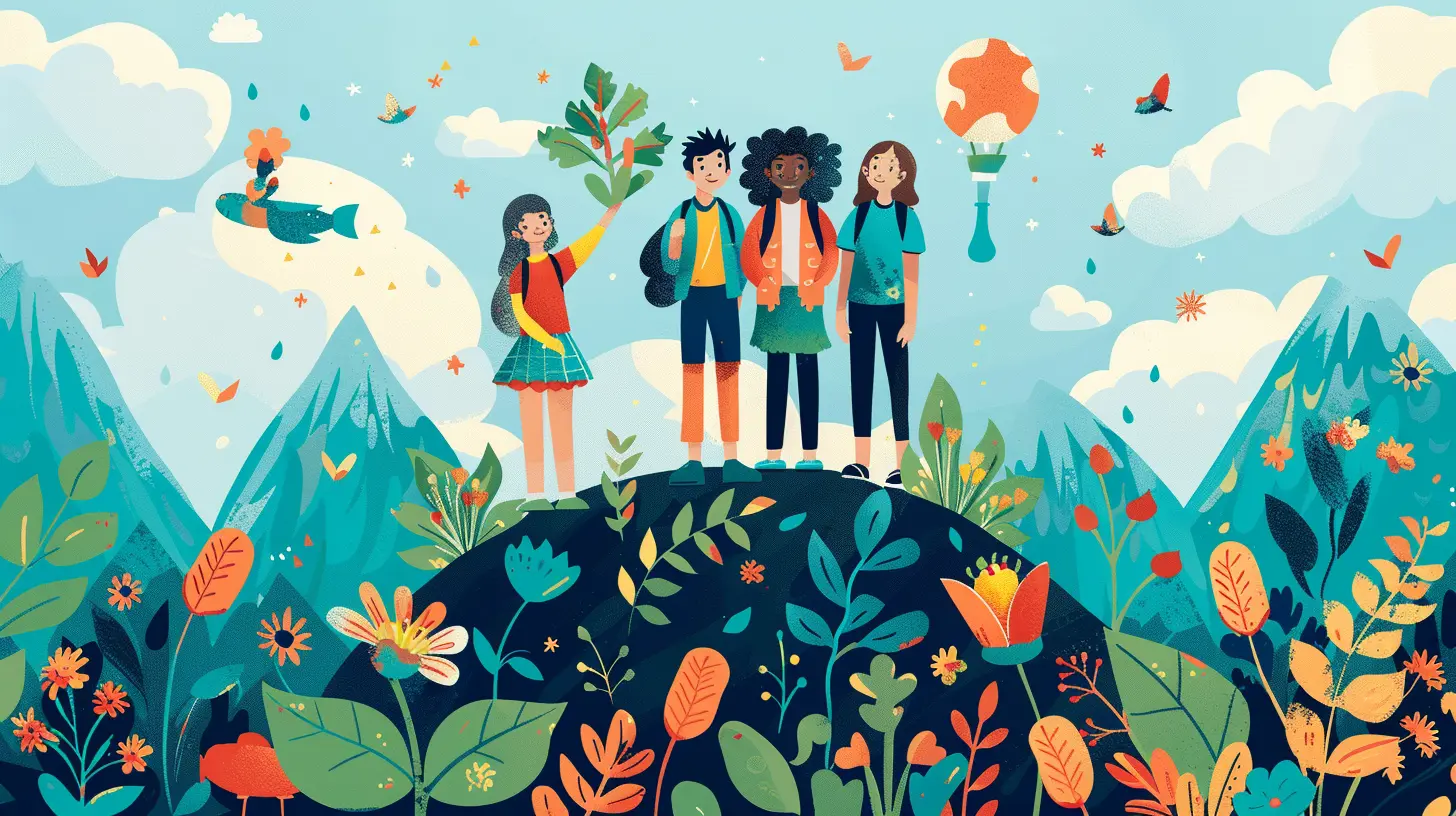
Step 2: Lead with Stories, Not Statistics
Sure, you could throw around facts like “the Earth has warmed by 1.1°C since pre-industrial times” or “we consume 1 million plastic bottles every minute.” But numbers don’t tug at heartstrings. Stories do.Share real, relatable stories. Like the high school kids who started a school composting program and cut cafeteria waste by half. Or the teen in Sweden who biked 50 miles a week to reduce her carbon footprint.
If it feels real, they’ll believe it. If it feels possible, they’ll want in.
Step 3: Give Them Ownership
No one wants to follow orders. Especially high schoolers. So, instead of telling them what they should do, give them the chance to take the lead.Let them:
- Form eco-clubs and pick their own projects
- Organize recycling efforts or clothing swaps
- Present environmental ideas to teachers and students
- Start a campus garden or advocate for plant-based lunch options
When students feel like the initiative is theirs, they show up. Empowerment beats enforcement—every time.
Step 4: Use Social Media as a Force for Good
Let’s be honest—high schoolers are glued to their phones. Instead of fighting it, use it.- Encourage students to follow eco-influencers, activists, and sustainability creators
- Spark friendly school-wide challenges on platforms like TikTok or Instagram (think: #TrashTag or zero-waste lunch days)
- Share cool, bite-sized educational content or fun planet-positive hacks
Social media isn’t the enemy—it’s the stage. Let students take the spotlight and amplify their voices for a cause that matters.
Step 5: Connect the Environment to Careers and Passions
Not every teen wants to be a scientist or an environmentalist—and that’s okay. The key is showing them that sustainability touches every field.Into fashion? Talk about slow fashion movements. Love tech? Explore renewable energy systems or green gadgets. Dreaming of business? Dive into sustainable startups and eco-marketing.
The environment isn’t a side gig—it’s the foundation of every path. When students realize that caring for the planet doesn’t mean giving up their dreams, the resistance drops.
Step 6: Celebrate Progress, Not Perfection
Let’s not sugarcoat it—environmental issues are huge. Trying to tackle them all at once can feel pointless, even overwhelming. That’s why it’s vital to celebrate small wins.- Did the school switch to reusable water bottles? Awesome.
- Did one student start biking to school once a week? Fantastic.
- Did a class plant trees in the community? High-five all around.
Applaud effort. Recognize growth. Normalize progress over perfection. High schoolers need to feel like what they’re doing matters… even if it’s not world-changing right away.
Step 7: Involve Them in Real-World Action
Let them feel the power of making a difference outside of campus walls.- Partner with local environmental non-profits and organize cleanup events
- Get students involved in local government meetings or environmental campaigns
- Encourage them to write opinion pieces or letters to local leaders
- Visit farms, water plants, or recycling centers on field trips
The more they see how things work (or don’t), the more inspired they’ll be to fix them.
Step 8: Peer Influence Is Powerful—Use It
We all know the teen mantra: “If my friends aren’t doing it, why should I?” So use that to your advantage.Create opportunities for students to influence each other. Let the green movement become something that’s cool, not just virtuous.
- Make eco-leaders visible—give them a platform in school announcements or events
- Create “eco-ambassador” programs where students mentor younger peers
- Spotlight green efforts in yearbooks, social pages, or bulletin boards
When planet-care becomes a social norm, more will join the wave.
Step 9: Bring Climate Education Into the Classroom
Let’s not forget the obvious—schools are places where learning happens. But many curriculums barely touch climate change or sustainability.Teachers can weave environmental topics into core subjects:
- In English class? Analyze climate change literature or write persuasive essays
- In science? Dive into ecosystems, carbon cycles, and renewable energy
- In math? Study statistics related to global warming and pollution trends
- Even history and economics can bring in perspectives of environmental impact over time
The more they learn, the more they care. It’s that simple.
Step 10: Model the Behavior You Want to See
Finally, let’s get real—students notice. If the adults around them talk the talk but don’t walk the walk, they’ll call it out, even if silently.So, teachers, parents, and mentors—ask yourself:
- Do I bring a reusable water bottle to school?
- Do I support sustainable brands?
- Do I reduce waste at home?
- Do I talk about my own eco-habits?
When students see you making an effort, it sticks. Be the role model they didn’t know they needed.
Final Thoughts: Turning Care Into Action
At the end of the day, motivating high school students to care about the planet isn’t about bombarding them with doom or turning them into environmental saints overnight. It’s about helping them connect, believe, and act. It’s about transforming something distant and overwhelming into something personal, achievable, and even exciting.Because once they care, they’ll act.
And once they act, they’ll inspire others—friends, classmates, even adults—to do the same.
That’s how real change starts. Not with one big leap, but with small ripples… created by teens who decide the planet is worth fighting for.
Let’s help them get there.
all images in this post were generated using AI tools
Category:
Environmental EducationAuthor:

Bethany Hudson