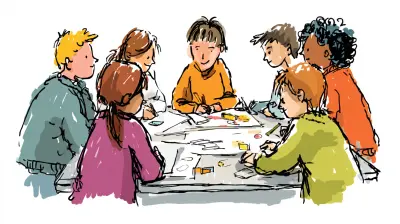
Making Group Projects Work: Tips for Successful Collaborative Learning
29 July 2026
Let’s be honest—group projects are a mixed bag. Sometimes they’re a breeze, and other times… well, let’s just say they can turn into a nightmare of missed deadlines, awkward Zoom calls, and last-minute panic. If you’ve ever ended up doing all the work while your group chat stays eerily silent, you’re not alone.
But guess what? Group projects don’t have to be stressful. In fact, when done right, they can be an amazing way to deepen your understanding, get creative, and build super useful skills like communication, teamwork, and problem-solving. So, how can you make group projects actually work? Let’s break it down.

Why Group Projects Matter (Even If You Hate Them)
First things first—why do teachers keep assigning group projects anyway?It’s not to torture you, promise. Collaborative learning helps you build real-world skills that you’ll use in your future career: working with different personalities, managing timelines, resolving conflicts, and pulling your weight (and encouraging others to pull theirs). Plus, bouncing ideas off each other can lead to much better work than you’d come up with flying solo.
But yeah, we get it—group projects often bring drama, confusion, and frustration. That’s why we’re here with practical, down-to-earth tips to make your next group assignment the smoothest one yet.
Start Strong: Set the Ground Rules Early
The first meeting is everything. It sets the tone for the entire project. Don’t make the mistake of jumping straight into the task before getting on the same page as your teammates.Here’s what you should agree on from the get-go:
1. Define Roles and Responsibilities
Think of your group like a mini sports team. Everyone should have a role that fits their strengths:- The organizer: Keeps everyone on track and schedules meetings
- The researcher: Digs up the details and sources
- The writer/editor: Puts everything together and checks for quality
- The presenter (if needed): Prepares and delivers the final product
Pro tip: Don’t assign someone a task they hate unless they volunteer. People are more motivated when they enjoy or feel confident in what they’re doing.
2. Set Clear Deadlines
Ever had a teammate ghost you until the night before it’s due? Yeah, same.Avoid that by creating mini-deadlines for each part of the assignment. Share a Google Calendar or a shared to-do list (Trello or Asana work great) to break the big project into manageable chunks.
3. Choose Your Communication Channels Wisely
WhatsApp? Group Chat? Email? Slack?Whatever you choose, make sure everyone checks it regularly. Over-communication is better than under-communication. Also, write things down—verbal agreements tend to vanish into thin air.
Build Trust and Respect (It’s Everything!)
It all comes down to the vibe of the group. No one wants to work in a team where they feel unheard, undervalued, or like they’re carrying the load alone.Be Honest and Respectful
If someone’s overwhelmed, it’s better they say so upfront rather than going AWOL later. Similarly, if someone’s not pulling their weight, call it out—but kindly. Focus on the issue, not the person.Kind of like being in a band. If the drummer keeps missing practice, you don’t yell at them—you ask what’s up and how the group can help.
Practice Active Listening
When someone shares an idea, really listen. Don’t just wait for your turn to speak. You’re not just a group of individuals doing different tasks—you’re a team trying to produce one amazing final product.
Make Meetings Matter (And Actually Show Up)
Nothing kills group morale faster than endless, unproductive meetings.Keep Them Short and Purposeful
Use the "stand-up" style: 15–20 minutes, max. Everyone shares what they’re working on, any roadblocks, and what they’ll do next. That’s it.Always Leave With Action Items
Every meeting should end like this:- Who’s doing what?
- When is it due?
- When will we check in again?
This keeps everyone accountable.
Tackle Problems Before They Snowball
Let’s get real. Problems will pop up. Maybe someone stops responding. Maybe two team members clash. Maybe the whole project changes direction halfway through.The key is to address issues early instead of letting them fester.
Avoid the Blame Game
When something goes wrong, focus on fixing it, not pointing fingers. Use "I" statements instead of "you" accusations. (Think: "I feel stressed when we miss deadlines," not "You never do your part.")Talk to Your Instructor If Needed
If things get really bad (like a toxic teammate or someone totally ghosting), let your teacher know. Most instructors are more understanding than you think—as long as you approach it professionally and early.
Leverage Tech to Stay Organized
We’re lucky to live in a world where collaboration tools exist. Don’t sleep on these time-savers:- Google Docs: Everyone can work on sections at the same time
- Canva: For creating beautiful presentations
- Trello: Drag-and-drop task manager
- Zoom/Google Meet: For virtual meetups
- Grammarly: Because typos in a group project are 10x more embarrassing
Using the right tools can make your group feel like a well-oiled machine.
Reflect and Improve (Yep, Even After It’s Done)
When the project’s done, take a few minutes to reflect as a group. What went well? What didn’t? What would you do differently next time?This reflection isn’t just an academic tick box—it's gold for personal growth. Plus, if you’ll be working together again, it makes the next go-around smoother.
Bonus Tips to Make Your Group Project a Winner
Alright, now that you’ve got the basics covered, here are some quickfire tips to go from “meh” to “wow” with your group project:- Start early: More time means less stress.
- Stay flexible: Sometimes ideas shift. That’s not failure—it’s creativity.
- Be the glue: Every group needs someone who keeps things together. Why not you?
- Celebrate the wins: Finished a draft? Nailed a presentation? Celebrate! Even a meme in the group chat helps.
What If You’re Stuck With a Difficult Group?
Ah yes, the dreaded randomly assigned group. Maybe you don’t know anyone, or worse—you get stuck with the class slacker.Deep breath. Don’t panic.
You can still make it work by being the one who sets the tone. Be proactive. Be kind. Set expectations early. If you're consistent and diplomatic, even tough group members often come around.
And if not? Remember, there’s only so much you can control. Focus on doing your part well and documenting everything you do. That way, if it ever comes down to grading drama, you've got your back covered.
The Big Picture: Group Projects are Practice for Real Life
Here’s the thing—they don’t tell you this enough—but group projects are more than just grades. They’re a mirror of real life.Jobs, startups, families, friendship groups… life is full of “group projects.” The sooner you learn how to navigate teamwork, the better prepared you’ll be for all the collaboration the real world throws your way.
Sure, there will be clashes and chaos. But there will also be lightbulb moments, belly laughs, and the unstoppable feeling of achieving something together. That’s the magic of collaborative learning.
So next time you're assigned a group project, don't groan—gear up. With the right mindset and strategies, you just might find yourself (gasp!) enjoying it.
Final Thoughts
Group projects don’t have to cause anxiety or friction. With a little planning, open communication, and the right dose of empathy, you can turn a dreaded assignment into one of your best learning experiences.Remember: it’s not about doing it all yourself or expecting perfection. It’s about working together, figuring stuff out along the way, and ending up stronger—and smarter—for it.
So go ahead, take the lead in your next group project. You’ve totally got this.
all images in this post were generated using AI tools
Category:
Collaborative LearningAuthor:

Bethany Hudson
Discussion
rate this article
1 comments
Joy Montgomery
Great tips! Collaborative learning can be so rewarding when everyone contributes and communicates effectively. Thanks for sharing!
August 6, 2026 at 2:34 AM