Managing Transitions Smoothly to Keep Students Engaged
6 December 2025
Let’s be honest—transitions in the classroom can sometimes feel like herding caffeinated cats. One moment, your students are laser-focused on a science experiment. The next, someone’s spinning their pencil like a ninja, two others are re-enacting a TikTok dance, and you’re standing there thinking, “What just happened?”
Ah yes, the chaos of switching gears. But here’s the good news: it doesn’t have to be that way! In fact, with a little planning, a sprinkle of humor, and a dash of consistency, you can turn transitions from tornadoes into smooth sailing.
So grab your coffee (or tea, we don’t judge), and let’s talk about managing transitions smoothly to keep students engaged—and your sanity intact.
Why Transitions Can Make or Break Your Classroom Vibe
Think of transitions like the commercial breaks of your classroom sitcom. If they’re too long, too awkward, or just plain confusing, the “show” loses its audience. Students—especially the younger ones—will fill that dead air with their own creative choices. Spoiler alert: it’s not usually productive.Smooth transitions help students know what’s coming next, reduce downtime, and maintain the magical (and oftentimes fragile) flow of the classroom. They’re not just about moving from math to reading—they’re about keeping students mentally and emotionally on board.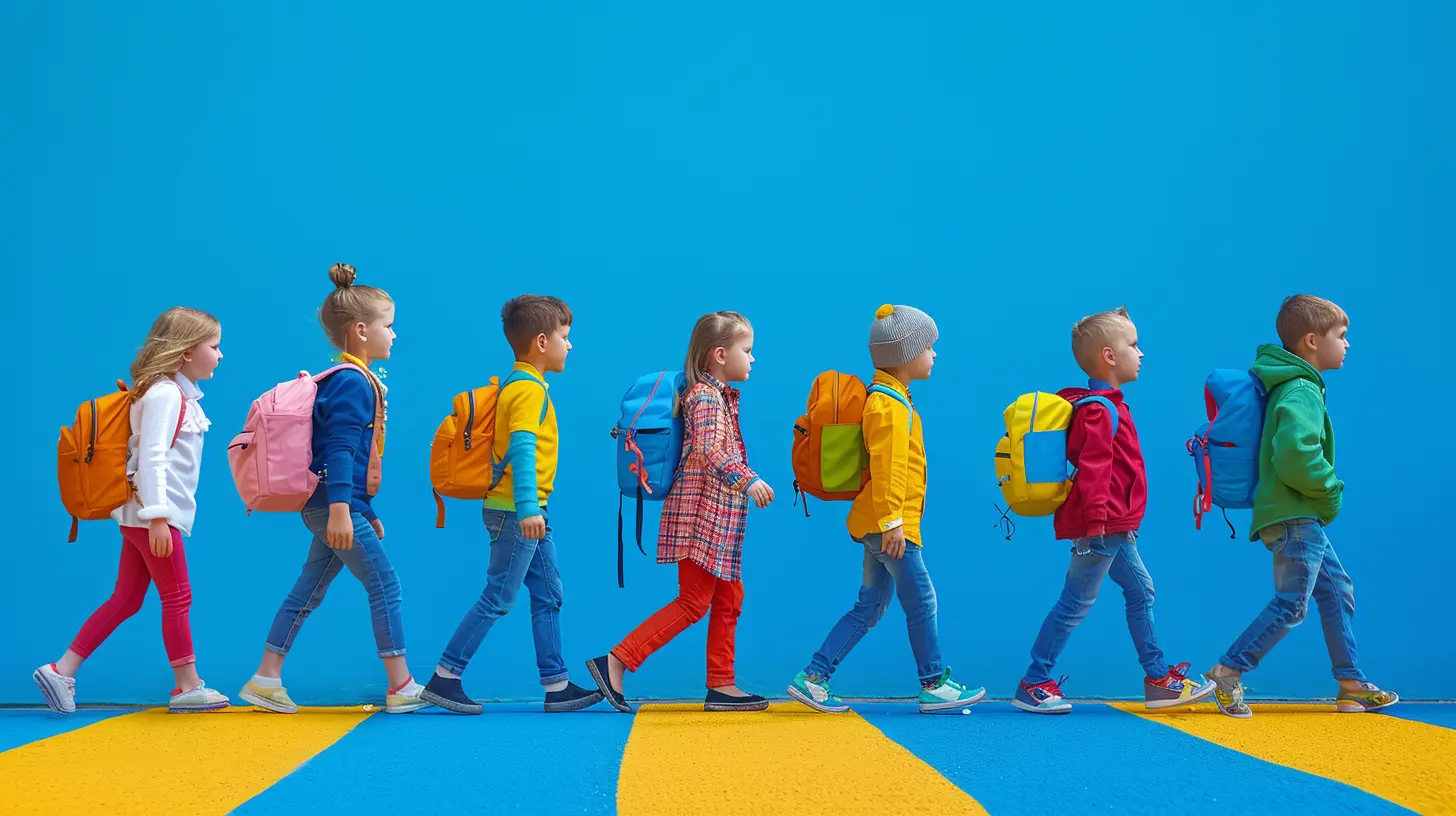
The Struggle Is Real: Common Transition Woes
We’ve all been there. For example:- The Bell Doesn’t Dismiss Me, I Do Kid: This student starts packing up five minutes early during literally every lesson.
- The Wanderer: Goes for a pencil and ends up at the other end of the room chatting by the bookshelf.
- The Mid-Transition Break Dancer: Uses the 30-second transition to showcase their latest moves (and somehow, it always involves the worm).
But here’s the thing—these aren’t “bad” kids. They’re just reacting to unclear or unstructured transitions. It's like throwing people into an escape room with no clues—chaos is inevitable.
Step 1: Set the Stage – Create Clear Expectations
Want smoother transitions? Start by being crystal clear about what they should look like, sound like, and feel like.Use simple language and even practice them! And yes, that might feel silly at first, but trust me—students love knowing what’s expected. You could even turn it into a game:
> “Alright team, we’re going from math to group reading. You’ve got 45 seconds to quietly switch spots and bring your book with you. Let’s see if we can beat yesterday’s time!”
Add a countdown, throw in a classroom-wide high five for a clean switch, and boom! You’re winning.
Pro Tip:
Use the “I do, we do, you do” method. First, model the perfect transition. Then, do it together. Once they’ve nailed that, let them go solo.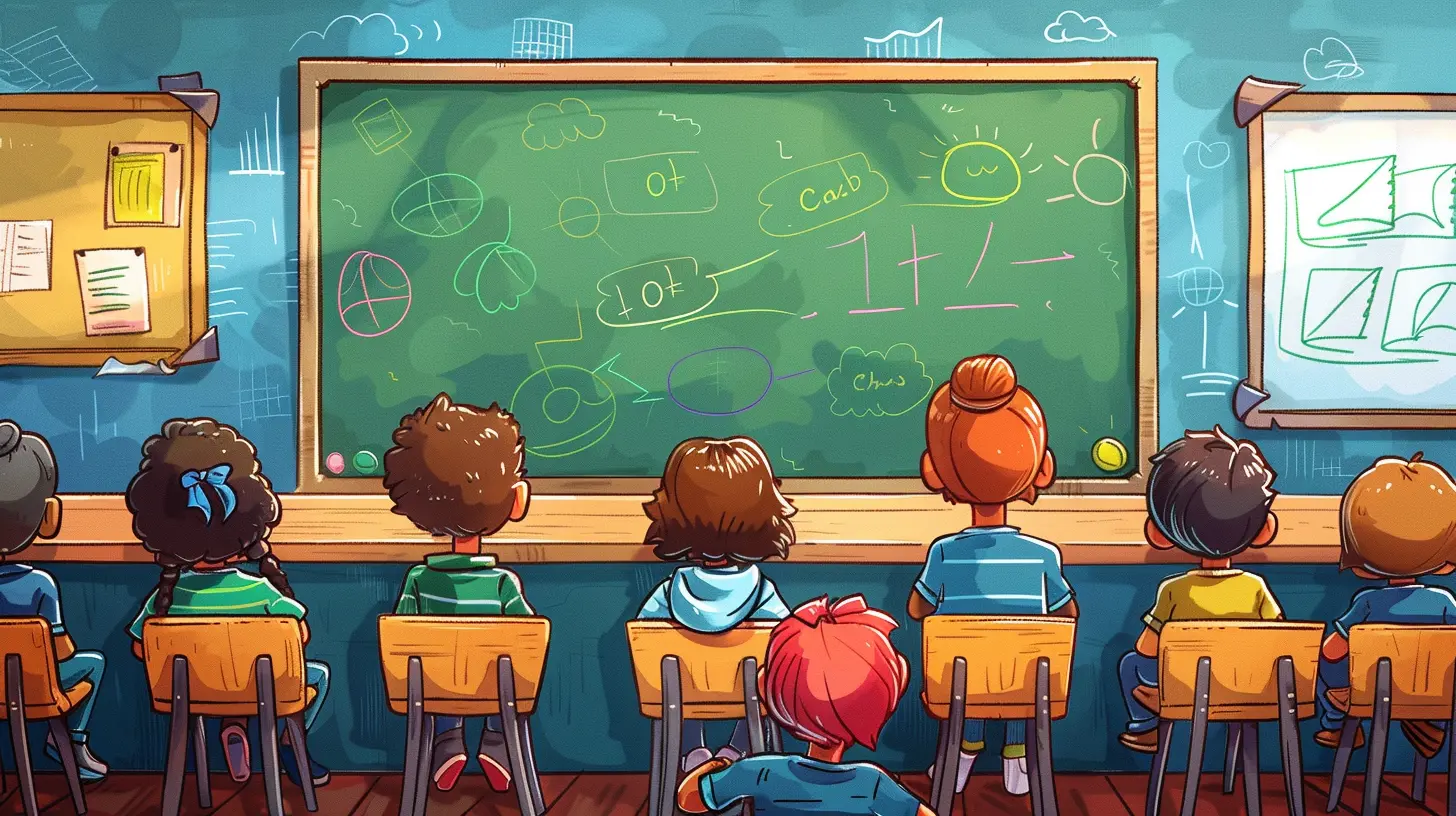
Step 2: Use Cues Like a Pro Wrestler (But Nicer)
Auditory and visual cues are like Pavlov’s bell—except instead of drooling dogs, you get focused kids. (We hope.)Try these fun options:
- Music: A 30-second fun tune signals a time to move. Bonus points if it changes based on activity.
- Call and Response: You shout, “Macaroni and cheese!” and they shout back, “Everybody freeze!”
- Lights Dimmed: A subtle lighting change can cue attention without you having to yell over chatter.
- Timers or Smartboard Animations: Kids love visuals, and this gives a sense of urgency.
Mix it up to keep things fresh—just don’t introduce all of them at once. That’s a classroom rave waiting to happen.
Step 3: Keep the Momentum Flowing
Think of transitions as bridges—not cliffs. You want students to mentally carry what they just did with them into the next activity, not drop it off like it’s hot.Try these:
- Bridge Conversations: “Before we start writing, think about the character we just read about. What would their diary entry sound like?”
- Preview Slides: Visuals that hint at what’s next spark curiosity and prevent the dreaded “what are we doing now?” chorus.
- Mini-Missions: Assign a tiny goal before transitioning—“As you walk quietly back to your seat, think of one question you have about today’s experiment.”
This keeps their brains switched ON and focused.
Step 4: Make It Fun (Without Losing Control)
We’re not saying every transition should be a Broadway number—but also, why not?Injecting a bit of joy into transitions boosts morale and keeps your students engaged. When routines are boring, kids check out. When they’re fun, they lean in.
Some ideas:
- Secret Student Transitions: Pick a “Secret Student” each day and if they transition well, the class earns a point.
- Transition Challenges: “Can we all make it to the carpet in complete silence... while walking backwards like penguins?! Let’s gooo.”
- Dance Breaks: A 20-second dance party can energize students and get wiggles out between longer segments.
Let’s face it—no one’s ever sad after dancing like a chicken.
Step 5: Reflect and Review (Yes, Even Transitions)
Every now and then, take a minute to review how transitions are going. Ask your students:> “What helps you switch from one activity to another without losing focus?”
> “What’s one way our class could improve transitions this week?”
It invites ownership—and suddenly, they’re not just doing transitions. They’re building the class culture. That’s huge.
Step 6: Consistency is Key (Even When You’re Tired)
Let’s get real for a sec. Some days you’ll want to just yell, “GO!” and let the chips fall where they may. But consistency—yes, even on those days—is what makes transitions second nature.Stick to your routines like glue. Kids thrive on structure, especially in a world that's often unpredictable. The more consistent you are, the less time you'll spend correcting behavior and the more time you'll get to teach (and maybe even sip that cup of coffee while it's still warm).
What About Virtual Classrooms?
Oh, remote transitions—a beast of their own. No desk to move from, but lots of digital distractions lurking in the shadows. (Yes, I see you watching YouTube in the other tab.)Here’s what helps:
- Countdown Slide or Verbal Cue: “We’re back from break in 30 seconds—grab your materials!"
- Stretch Breaks: Have them hop, stretch, or spin—to mentally shift gears.
- Virtual Class Mascot: Use a silly puppet or character to announce each transition. (Kids love a little ridiculousness.)
Even online, structure wins.
Don’t Forget to Celebrate the Wins
Every smooth transition is worth cheering for. Like, have-you-ever-seen-a-room-of-7-year-olds-walk-silently-to-their-stations kind of exciting. That deserves a happy dance.So give those high fives, stickers, or “You crushed it!” call-outs. Positive reinforcement isn’t just fluff—it tells students, “Hey, I see you. And you’re doing great.”
Final Thoughts: It’s All About Flow, Not Perfection
Let’s face it: no matter how solid your strategies are, there will be off days. You’ll have kids who forget, trips to the nurse mid-transition, and days when everything feels just a little bit sideways.But that’s okay!
Managing transitions smoothly to keep students engaged isn’t about perfection—it’s about creating routines that support learning, minimize chaos, and allow you to actually enjoy teaching (crazy idea, right?).
Start small. Keep it simple. And above all? Keep it fun. Because when the energy is right, students will move with you—not against you. Whether it’s from math to music, recess to reading, or chaos to calm—you’ve got this.
Quick Transition Toolkit (Because Who Doesn’t Love a Shortcut?)
| Transition Tool | What It Does | Why It Works ||-----------------|--------------|--------------|
| Music Cues | Signals start/end of activity | Fun + predictable |
| Countdown Timers | Sets time limit | Creates urgency |
| Call and Response | Gains attention | Interactive & fun |
| Visual Slides | Shows what’s next | Reduces questions |
| Movement Challenges | Energizes students | Adds playfulness
all images in this post were generated using AI tools
Category:
Classroom ManagementAuthor:

Bethany Hudson
Discussion
rate this article
2 comments
Tessa McGuffey
Transitions shape learning; fostering resilience during change cultivates lasting student engagement.
December 18, 2025 at 6:00 AM
Bethany Hudson
Absolutely! Supporting students through transitions not only enhances their resilience but also promotes deeper engagement and a love for learning.
Julian McKeehan
Oh sure, because every student just loves abrupt transitions and absolute chaos in their day, right? Who needs smooth sailing when you can have a rollercoaster of confusion? Let’s just throw them in and hope for the best—what's engagement without a little anxiety? Sounds like a plan!
December 6, 2025 at 11:59 AM
Bethany Hudson
I appreciate your perspective! While transitions can be challenging, they can also be managed effectively to enhance engagement and create a positive learning environment.