Recognizing and Addressing Dysgraphia in Young Learners
19 October 2026
When we think about learning disabilities, dyslexia often comes to mind. But what about dysgraphia? It may not be as well-known, but dysgraphia can have just as significant an impact on a child's education. If you've noticed your young learner struggling with writing, they might be dealing with this condition. But, don't worry! Dysgraphia can be addressed with the right strategies, understanding, and support.
Let’s dive into what dysgraphia is, how to recognize it, and most importantly, how we can help young learners overcome these challenges.

What is Dysgraphia?
To put it simply, dysgraphia is a learning disability that affects writing abilities. It can manifest as difficulties with spelling, poor handwriting, and trouble putting thoughts on paper. Unlike dyslexia, which is primarily about reading, dysgraphia is all about the act of writing.Writing may seem like a straightforward task for most people, but for someone with dysgraphia, it’s like trying to climb a steep hill in roller skates. The brain struggles to coordinate the fine motor skills needed to write legibly and coherently.
Types of Dysgraphia
Believe it or not, dysgraphia isn't the same for everyone. It actually comes in different forms:- Dyslexic Dysgraphia: Writing is illegible, but students can spell well when reading aloud.
- Motor Dysgraphia: The issue stems from poor fine motor skills, leading to illegible handwriting even when spelling and reading abilities are intact.
- Spatial Dysgraphia: Difficulty in understanding and organizing space on the paper, causing inconsistent spacing, letter sizing, and alignment.
Each type presents its own set of challenges, but the common thread is that writing becomes difficult and frustrating for the learner.
Recognizing the Signs of Dysgraphia
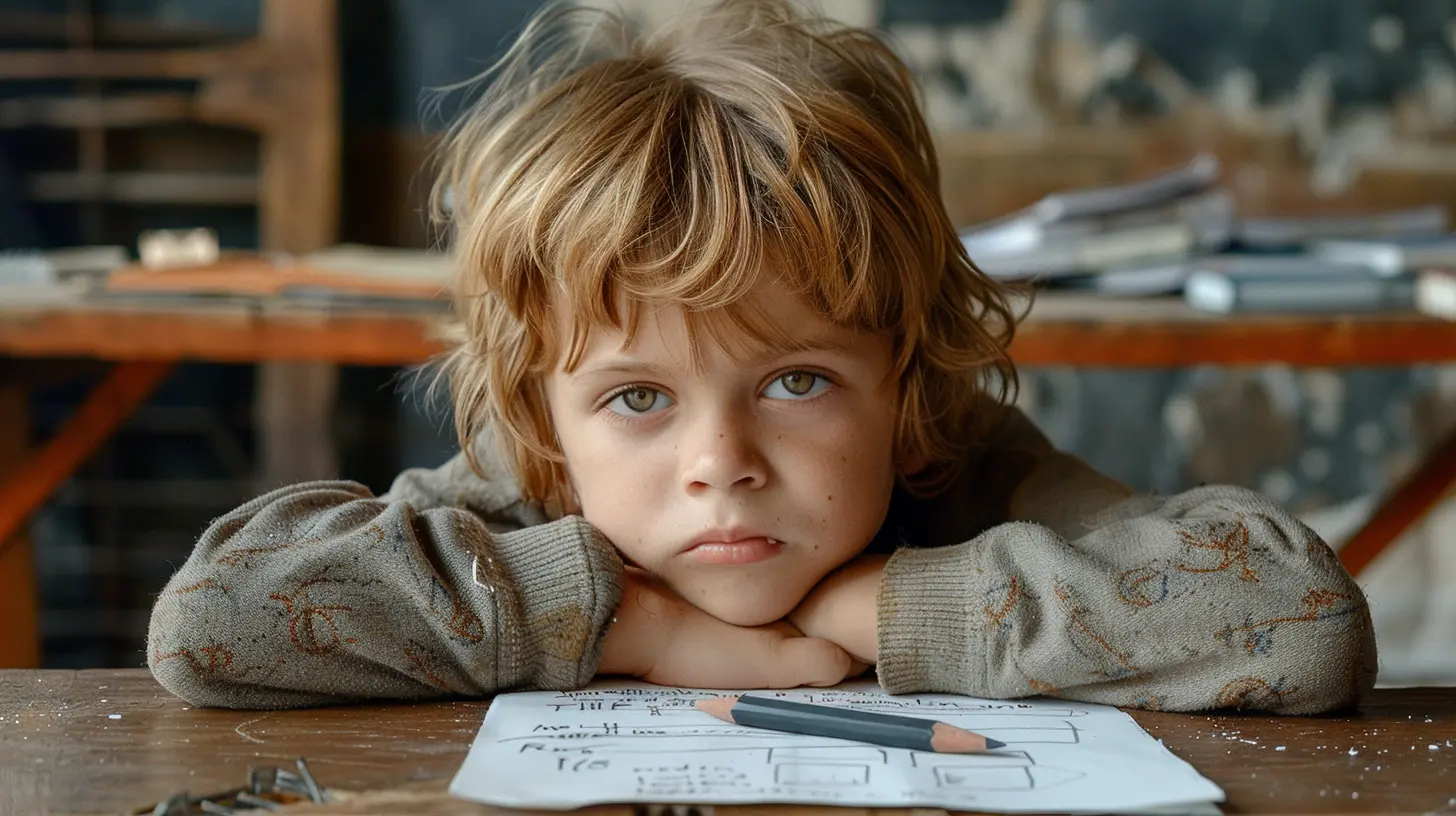
Spotting the signs of dysgraphia early is crucial in helping young learners before frustration and low self-esteem set in. But how do you know if a child is struggling with dysgraphia and not just going through the typical learning curve of writing?Common Symptoms of Dysgraphia
Here are some red flags that may suggest dysgraphia:1. Messy Handwriting
If the handwriting is consistently messy, even after practice, it could be more than just a lack of effort. Letters may be oddly sized, spaced unevenly, or formed incorrectly. The child might struggle to stay within the margins or write in a straight line.2. Cramping or Pain
Does the child frequently complain about hand or arm pain after writing? This could be because they're gripping the pen or pencil too hard, compensating for their difficulty in controlling fine motor movements.3. Slow and Labored Writing
Writing takes noticeably longer than it should. Children with dysgraphia may take extra time to write a simple sentence and may avoid writing tasks altogether because of the sheer effort involved.4. Unusual Grasp
Look at how the child holds the pencil. Is it an awkward grip? Children with dysgraphia may use unconventional ways to hold their writing tools because their fine motor skills are underdeveloped.5. Inconsistent Spelling
While spelling errors are common in the early stages of learning, children with dysgraphia will often spell the same word differently within the same paragraph. This inconsistency is a key indicator.6. Difficulty Organizing Thoughts
Dysgraphia doesn’t just affect the physical aspect of writing. It can also impact a child’s ability to organize their thoughts on paper. They might know what they want to say, but struggle to translate it into written form, resulting in incomplete sentences or jumbled ideas.
How Dysgraphia Affects Learning
Writing is fundamental to most aspects of education. Whether it’s taking notes, completing assignments, or expressing ideas in essays, writing plays a crucial role in a student’s success. Dysgraphia can make these tasks feel impossible, leading to frustration and low self-esteem.Impact on Academic Performance
- Writing Tasks: Young learners with dysgraphia will often avoid writing tasks. When they do attempt them, the results may be incomplete or illegible.- Test-Taking: When it comes to taking written tests, time limits can become a significant issue. Students may struggle to finish or write so slowly that they can't express their full understanding of the material.
- Social and Emotional Impact: The frustration and embarrassment of not being able to keep up with peers can take a toll on a child’s confidence. They might start to feel like they're "not smart enough,” which is far from true.

Addressing Dysgraphia in Young Learners
Once dysgraphia is recognized, early intervention is key. The sooner we can help the child, the better they’ll cope with their difficulties and develop their writing skills. Here’s how we can address dysgraphia and help young learners thrive, despite the challenges.1. Get a Formal Diagnosis
First things first: if you suspect dysgraphia, it's essential to get a formal diagnosis. A specialist, often an occupational therapist or a psychologist, can assess the child’s writing abilities and motor skills to determine if dysgraphia is present.Having a formal diagnosis allows teachers, parents, and the child to better understand the issue and put appropriate accommodations in place.
2. Accommodations in the Classroom
Once dysgraphia is diagnosed, there are several accommodations that can be provided in the classroom to help the child succeed.- Use of Technology: Allow the child to use a computer or tablet for writing assignments. Typing can be less strenuous for a child with dysgraphia since it removes the fine motor skill challenge of handwriting.
- Oral Demonstrations: For assessments or classwork, let the child express their understanding verbally instead of writing.
- Extra Time: Give the child additional time for writing tasks or tests, so they don’t feel rushed.
- Modified Assignments: Reduce the length of writing assignments, focusing on quality over quantity.
3. Therapies and Interventions
Beyond classroom accommodations, there are several interventions that can help improve the skills of children with dysgraphia.- Occupational Therapy: This type of therapy focuses on improving fine motor skills, which can help with writing. Occupational therapists may use exercises, games, and tools to strengthen the muscles needed for writing.
- Writing Practice: Structured and consistent writing practice can help children improve over time. However, it’s important to ensure the practice is low-pressure and supportive.
- Handwriting Programs: Programs like Handwriting Without Tears are specifically designed to help children with dysgraphia learn to write more effectively.
4. Create a Positive Environment
Equally important is creating a supportive and understanding environment for the child. Celebrate their progress, no matter how small, and avoid criticism of their handwriting. Remember, it's not about perfection, but about making gradual improvements.Encourage the child to express themselves in ways that aren't limited by their writing difficulties. Whether it’s through art, speaking, or using technology, help them find ways to communicate their thoughts and ideas effectively.
Helping Dysgraphic Learners Thrive
Dysgraphia doesn’t have to stand in the way of a child’s education. With the right strategies, interventions, and support, young learners can overcome the challenges of dysgraphia and thrive academically.Encourage a Growth Mindset
One of the most powerful tools for helping children with dysgraphia is encouraging a growth mindset. Teach them that while writing may be difficult now, it can improve with time and effort. Help them see their progress and remind them that everyone has different strengths and challenges.Build Confidence
Building self-esteem is essential. Celebrate their strengths outside of writing, whether it’s in math, art, or sports, and remind them that they are intelligent and capable, even if writing is tough.Be Patient
Lastly, patience is key. Progress may be slow, but it will come. Providing consistent support and understanding will go a long way in helping a child with dysgraphia succeed.
Final Thoughts
Recognizing and addressing dysgraphia in young learners is essential for their academic and emotional well-being. While dysgraphia can make writing difficult, with early intervention, the right strategies, and a supportive environment, children can overcome these challenges and develop into confident, successful learners.Remember, every child learns at their own pace, and it's our job to guide them through their unique journey with compassion and understanding. Dysgraphia may be a roadblock, but it’s not a dead end.
all images in this post were generated using AI tools
Category:
Learning DisabilitiesAuthor:

Bethany Hudson