Recognizing the Warning Signs of School Violence
3 October 2026
When we think about school, we usually imagine classrooms bustling with students, lively lunch breaks, laughter in hallways, and the occasional bell chasing everyone back to their lessons. But let’s be honest—behind those textbook pages and lockers, there's a growing concern that keeps many parents, teachers, and school officials up at night: school violence.
It’s not just about the big, shocking headlines. School violence can be subtle, quiet, and build up over time until it erupts in ways that no one saw coming. So, how can we recognize the warning signs before things go too far? That’s what we’re diving into today. This isn’t a doom-and-gloom scare tactic—it’s a conversation we absolutely need to have.
Why This Matters More Than Ever
Let’s start with the obvious: the safety of our kids is everything. Full stop.In recent years, school violence has made its way into national conversations because of the sheer number of incidents. While not every case of bullying or aggression turns into a serious threat, ignoring early signs can lead to tragic consequences. Think of it like a small leak in a dam—ignore it, and before you know it, the whole wall gives way. Catch it early, and you prevent disaster.

What Is School Violence, Anyway?
Before we get into the red flags, it's important to get clear on what we mean by “school violence.” It’s not just about physical fights or extreme events like school shootings. It covers a range of behaviors that threaten the safety and well-being of students and staff:- Physical violence (fighting, hitting, using weapons)
- Verbal abuse (constant teasing, threats, or name-calling)
- Emotional abuse (manipulation, exclusion, or intimidation)
- Cyberbullying (online harassment, fake profiles, or spreading rumors)
- Property damage or vandalism
- Gang-related activities
Each of these can be a piece of a much bigger puzzle. That’s why recognizing even the small signs can be life-saving.

The Early Warning Signs You Shouldn’t Ignore
No one wakes up one morning and suddenly becomes violent. These behaviors usually build up over time. Here are some early indicators that could suggest a student is struggling and may become a danger to themselves or others.1. Social Withdrawal
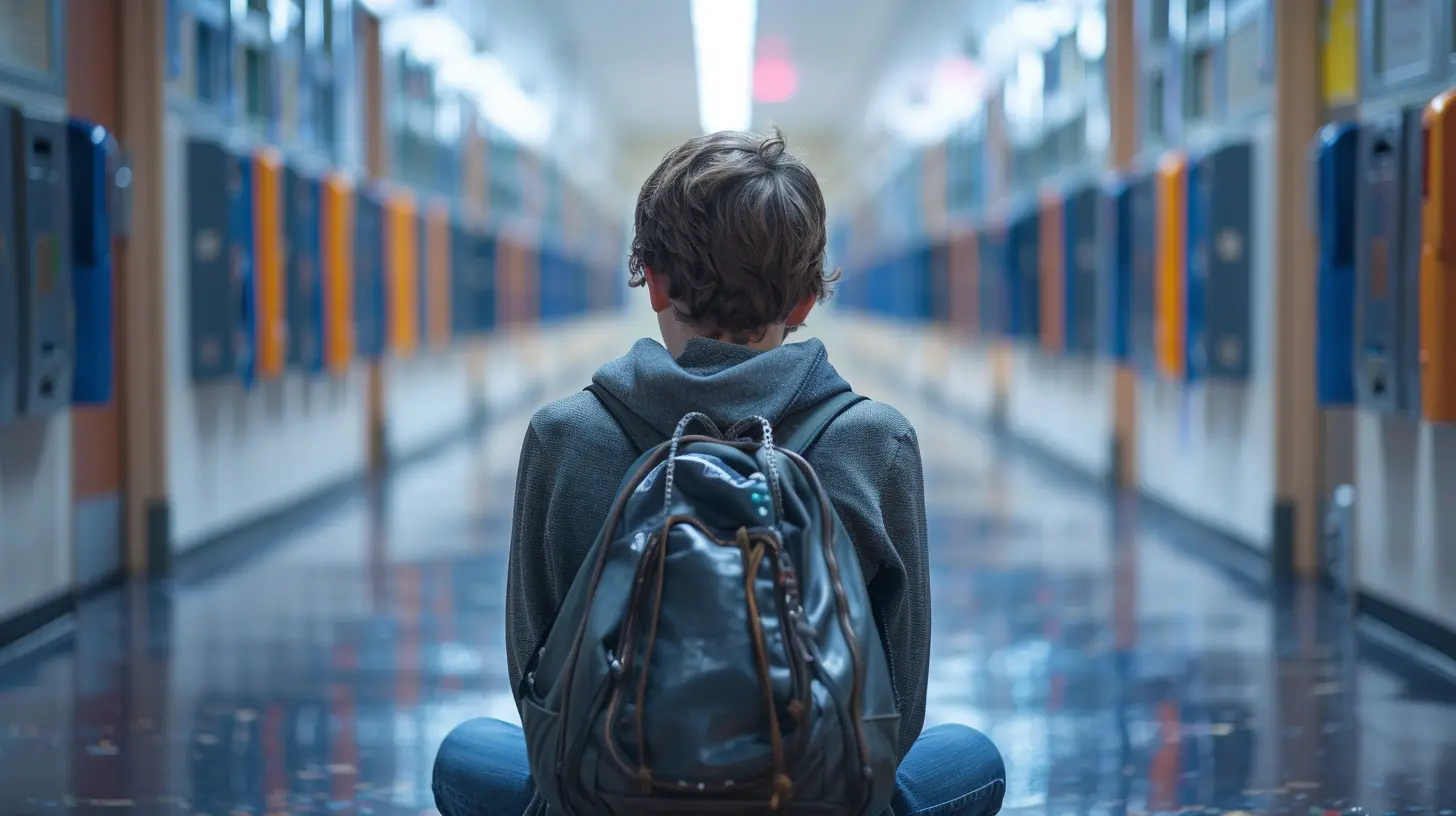
When a student starts isolating themselves from friends and avoids participation, it can be a red flag. Isolation isn’t always just about being shy—it can point to feelings of rejection, loneliness, or depression. If someone starts disappearing from group activities, walking alone, or spending more time online than with people, it's worth paying attention to.2. Sudden Mood Changes or Aggression
We all have bad days. But if a student goes from calm to explosive in seconds, or if they’re increasingly angry, irritable, or confrontational, it could be pointing to deeper frustrations or emotional instability. Watch for any sudden shifts in behavior—it might be more than just hormones.3. Obsession with Weapons or Violence
This one’s a biggie. If a student begins showing an unhealthy interest in guns, bombs, violent video games, or past school shootings, that’s a major red flag. It’s one thing to play a video game occasionally, but it's another to be constantly talking about or glorifying violence.4. History of Bullying—As Victim or Aggressor
Both bullies and those who are bullied are at risk. Victims may suffer in silence until they break, while aggressors may escalate their actions over time. If a student has a known history of bullying—or has been targeted often themselves—that’s something that needs attention, fast.5. Making Threats (Even as “Jokes”)
Ever hear a student say something like, “I’m going to make everyone pay” or “You’ll all be sorry”? Maybe it’s said with a smirk, but honestly—there’s no such thing as a harmless threat in today’s context. Threats, even subtle ones, should always be taken seriously.6. Declining Academic Performance
When a previously good student suddenly lets their grades drop, skips classes, or loses interest in school, that's not just a motivation problem. It could be a sign of emotional distress or conflict that they don’t know how to handle.7. Changes in Appearance or Behavior
A drastic change in how a student dresses, acts, or expresses themselves can be a cry for help. Maybe they start dressing dark, mentioning violent topics in essays, or drawing disturbing images. These aren’t just strange habits—they could be visual indicators of inner turmoil.8. Evidence of Substance Abuse
Drugs and alcohol are often used as coping mechanisms. If a student starts using substances, especially at school, it’s a sign that they're trying to escape something—and that “something” could be linked to violent thoughts or actions.9. Lack of Empathy or Remorse
When a student shows no guilt after hurting others—or doesn’t seem to care how their actions affect people—it’s extremely concerning. Empathy is a key emotion that helps humans connect. When it’s missing, it can be dangerous.10. Prior Incidents or Disciplinary Issues
History tends to repeat itself. If a student has already been in trouble for aggressive actions, threats, or property damage, that’s not something to sweep under the rug. Past actions often give clues to future ones.
How Parents and Teachers Can Respond
Seeing one of these signs doesn’t automatically mean a student is dangerous—but it does mean they need help. So, what can we do?Open the Line of Communication
Start simple: talk. Whether you’re a teacher, parent, or classmate, just expressing concern can open a door. Ask questions like:- “Hey, I noticed you’ve been quieter than usual—is everything okay?”
- “You seem upset lately. Want to talk about it?”
You’d be surprised how much of a difference just listening can make.
Involve School Counselors and Mental Health Professionals
Don’t try to play therapist on your own. If something feels off, bring in the professionals. School counselors are trained for this. They can help evaluate the situation and guide the next steps.Don’t Ignore Peer Reports
Students often know things adults don’t. If a student comes forward to report something—even if it seems minor—listen. They might be scared or unsure, but they still spoke up, and that’s brave.Create a Safe School Culture
Encourage kindness, inclusiveness, and mental health awareness across the board. Classroom discussions, school-wide initiatives, and peer support groups can all make a difference. When students feel seen and valued, violence feels less like an option.Implement Preventive Programs
Programs that focus on conflict resolution, emotional regulation, and anti-bullying strategies work wonders. The best kind of safety is the kind that starts early.What About Social Media?
In today’s world, social media is like a second (sometimes first) home for students. That means it can be the first place problems show up. If a student starts posting disturbing content, expressing violence, or signaling distress online, don’t brush it off.Encourage students to speak up if they see something online that worries them. Screenshots, messages, or unusual behavior on social platforms could be lifesaving evidence.
When It’s Time to Take Action
If you notice more than one warning sign—or you have a gut feeling that something's off—act. Don’t wait until there's a crisis. Taking preventative steps now is better than regrets later.Call in authorities if necessary, talk to the student, involve parents, and make sure a safety plan is put in place at school. It’s not about punishment—it’s about protection, for everyone involved.
Final Thoughts: Prevention Beats Reaction Every Time
Here’s the thing—school violence doesn't always come with blaring sirens and flashing lights. Often, it's a slow storm brewing quietly. The key is to spot the clouds before the thunder hits.Recognizing the warning signs isn’t about labeling kids or scaring people—it’s about creating an environment where students can thrive without fear. It’s about listening more, judging less, and building a support system that catches students before they fall.
Because at the end of the day, every child deserves to feel safe, heard, and supported at school. And it starts with awareness.
all images in this post were generated using AI tools
Category:
School SafetyAuthor:

Bethany Hudson