School Safety and the Importance of Positive Teacher-Student Relationships
21 August 2026
Let’s be real for a moment—school should be one of the safest, happiest places in a young person’s life. But in a world where violence, bullying, mental health issues, and social pressures seem to be showing up in classrooms more than ever, how do we make school feel safe again? Not just physically safe, but emotionally and mentally too.
That’s where we need to shift gears and look at something that often gets overlooked: the power of positive teacher-student relationships. Yep, you read that right. Safety and human connection go hand in hand. When students feel seen, heard, and supported by their teachers, it creates a ripple effect that makes the entire school environment better for everyone.
So, let’s dive into this topic and unpack why fostering strong teacher-student relationships is not just a nice-to-have—it’s a must-have for keeping our schools safe.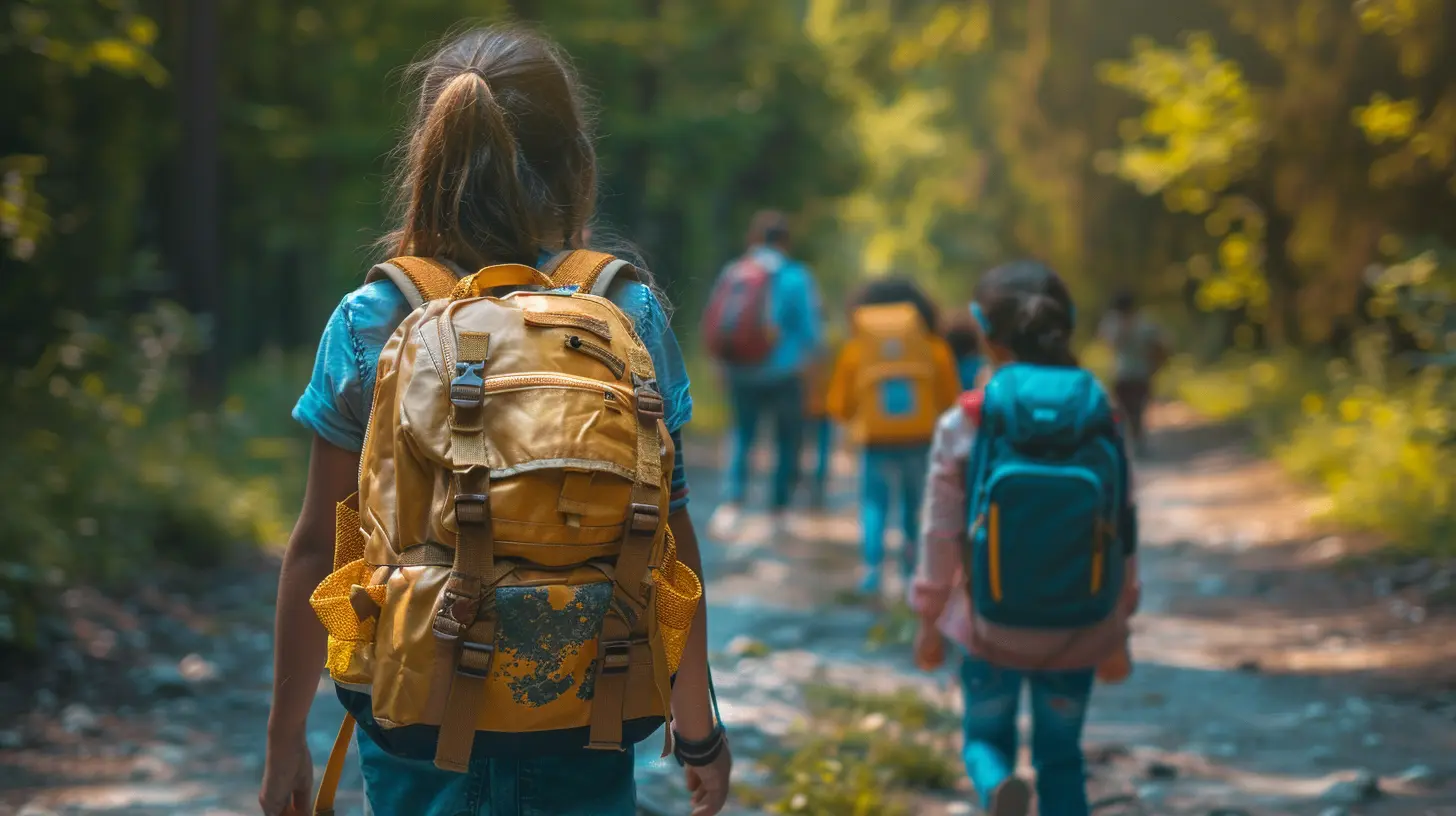
What Do We Actually Mean by “School Safety”?
We usually hear the term “school safety” and immediately think about things like locked doors, security cameras, metal detectors, and emergency drills. And yeah, those things matter. But they only address one side of the coin—physical safety.The other side? Emotional safety.
Think about it: If a student is constantly worried about being bullied, misunderstood, or even ignored, is that student truly safe? Emotional and psychological safety are just as crucial as preventing physical threats. When students feel emotionally at ease, they’re more likely to focus, participate, and thrive.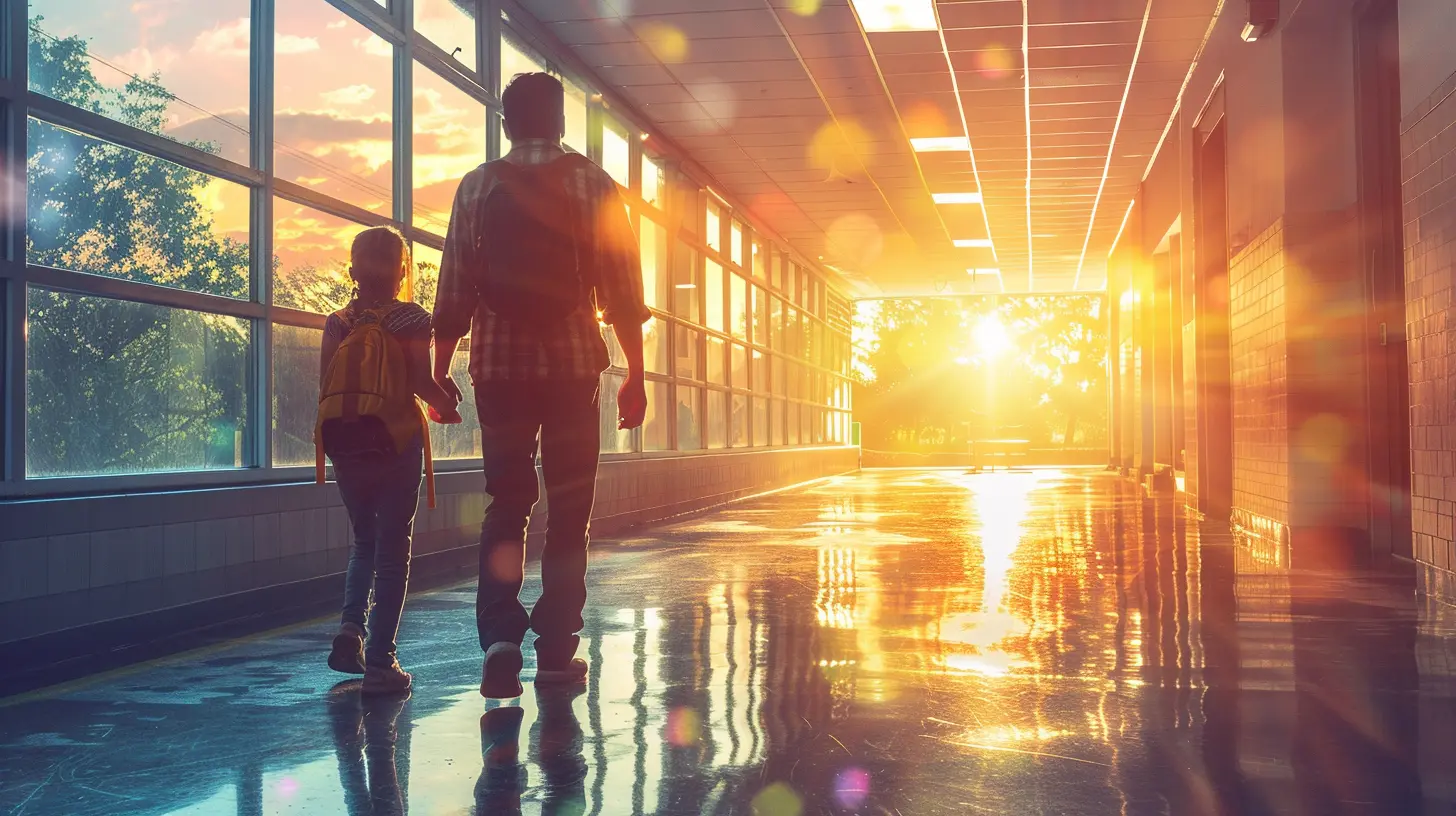
Why Emotional Safety Deserves More Spotlight
Let’s break it down. Emotional safety in schools means students feel:- Comfortable expressing themselves
- Free from bullying and judgment
- Supported during challenges
- Connected to people who genuinely care
When emotional safety is missing, students might shut down, act out, or even stop coming to school altogether. It’s like trying to build a house without a foundation—you can’t expect learning to stick if students are too busy surviving emotionally.
And that brings us to the magic ingredient: teacher-student relationships.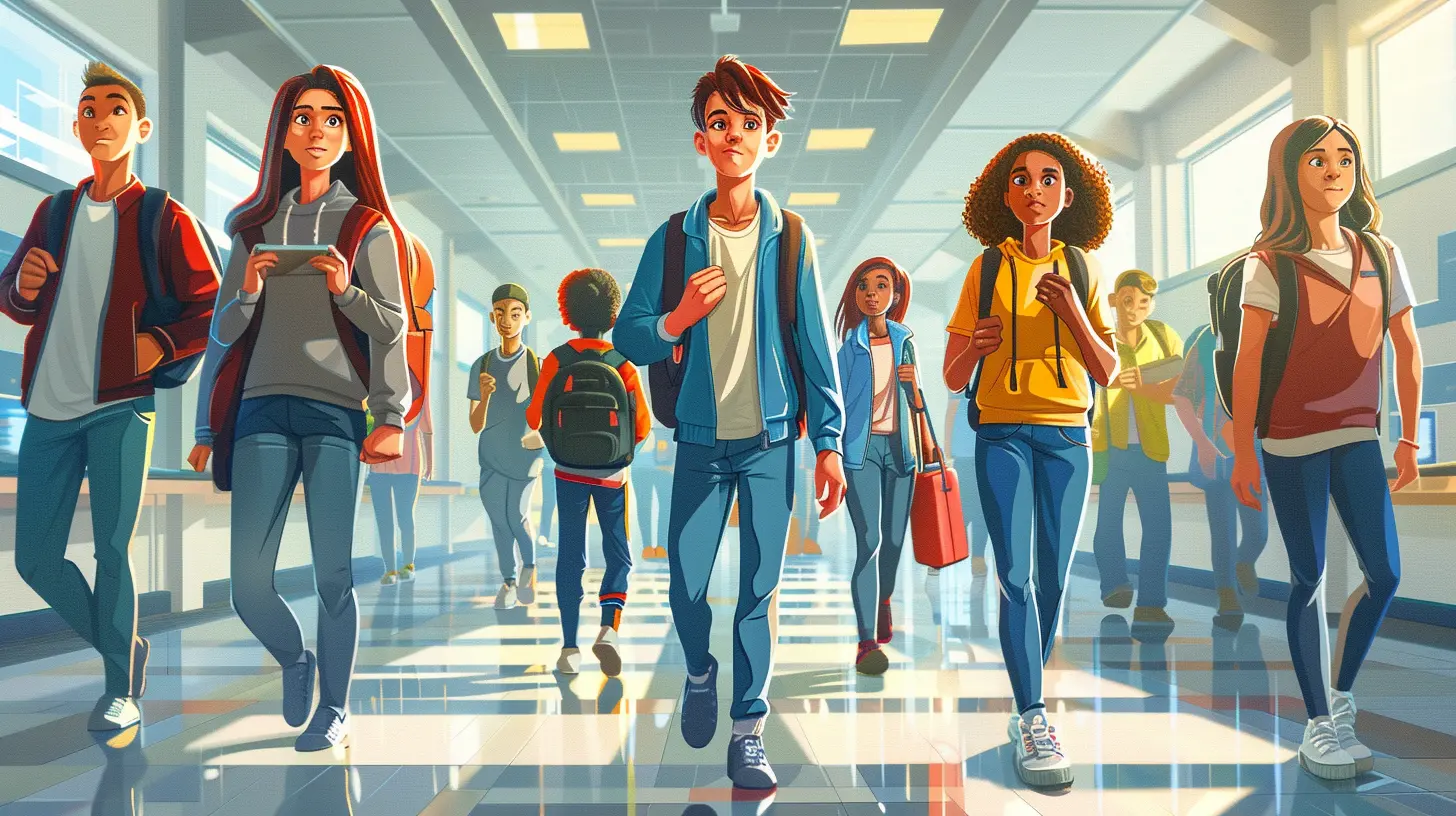
Teacher-Student Relationships: More Than Just “Be Nice”
We’re not just talking about smiling and saying “hi” in the hallway (though that’s a good start). A positive relationship between a teacher and student goes much deeper. It’s about trust, communication, empathy, and mutual respect.Let’s visualize it. Imagine a student is carrying a backpack full of invisible emotional weight—maybe family problems, anxiety, or low self-esteem. A teacher who notices that weight and gently helps the student carry it, even just for a little while? That’s powerful.
Positive relationships do things like:
- Lower student anxiety
- Boost motivation
- Reduce classroom behavior issues
- Increase academic performance
- Help students feel like they belong
It’s not rocket science—it’s human connection.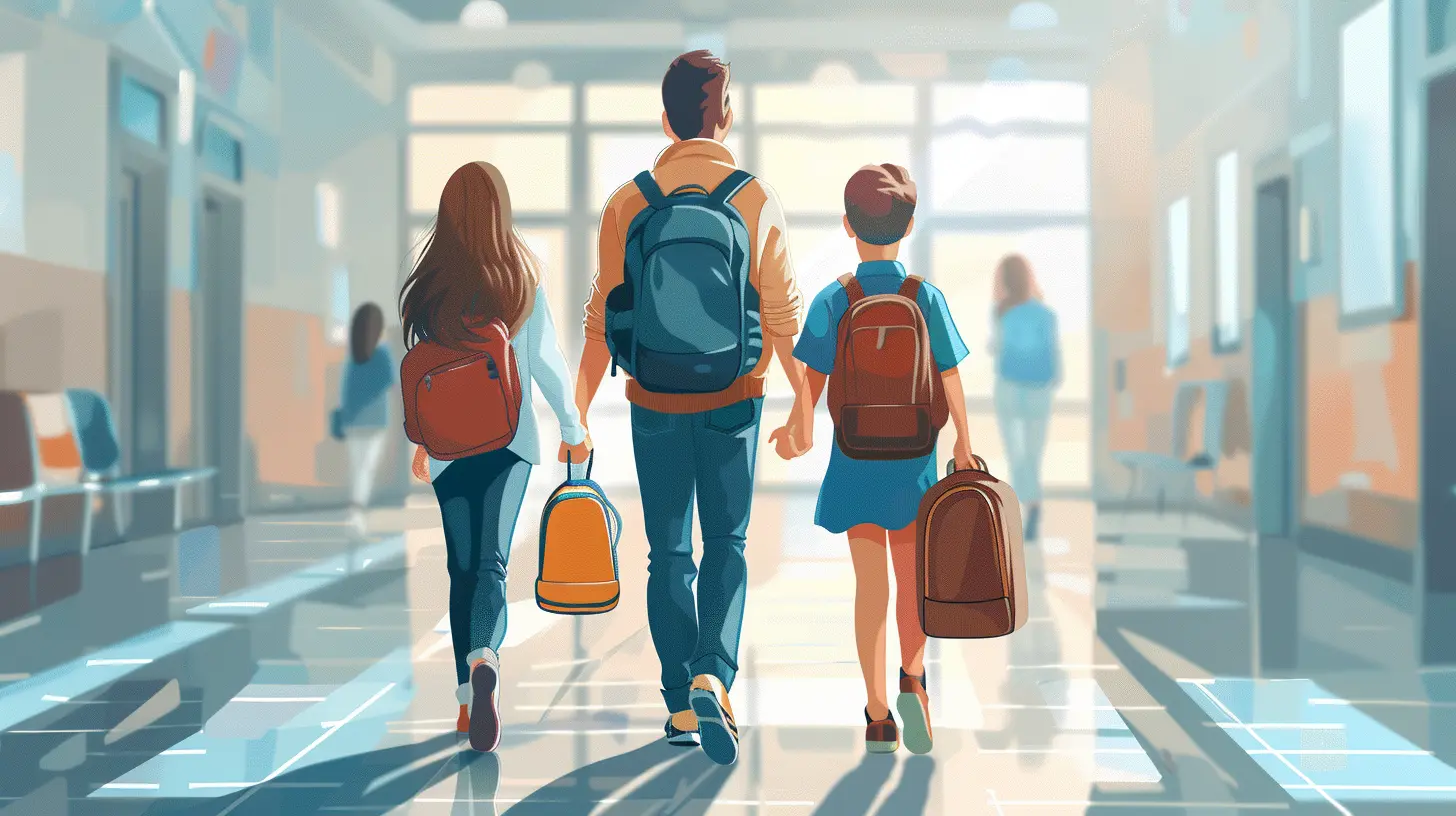
How Teacher-Student Relationships Impact School Safety
Now here’s where it gets really interesting. You might wonder, "Okay, so warm fuzzy feelings are great, but how does all this actually make schools safer?”Well, here’s how.
1. Early Detection of Issues
When students trust their teachers, they’re more likely to speak up about problems—whether it’s bullying, self-harm thoughts, or something dangerous they overheard. Teachers become the frontline detectors, often spotting red flags that might otherwise go unnoticed.2. Reduced Violence and Aggressive Behavior
Students who feel valued are less likely to act out. Studies consistently show that when students feel emotionally supported, rates of aggression, vandalism, and even school fights drop.It’s simple psychology—people who feel good about themselves are less likely to hurt others.
3. Better Conflict Resolution
Positive relationships create a classroom climate where problems aren’t ignored or escalated—they’re solved together. Teachers can model and guide healthy conflict resolution, which spills over into peer interactions.4. Creating a Culture of Respect
When teachers show respect, empathy, and authenticity, students tend to mirror that behavior. It sets the tone for the whole school.Respect isn’t just taught—it’s caught.
Characteristics of a Strong Teacher-Student Relationship
Wondering what a solid connection with students actually looks like? Here are some key traits that define strong teacher-student relationships:Empathy
Understanding what a student is going through, even if you’ve never gone through it yourself. It’s the classic “put yourself in their shoes” approach.Consistency
Students crave stability. When teachers are predictable in behavior and reactions, it builds trust.Active Listening
This means really listening—like putting down the pen, making eye contact, and fully tuning in when a student speaks. It shows that their voice matters.Fairness
Kids can sniff out favoritism from a mile away. Fairness builds credibility and respect.Humor and Humanity
You don’t have to be a stand-up comedian, but showing a little humor, vulnerability, and realness helps humanize teachers, making them more relatable and approachable.What Happens When These Relationships Are Missing?
Let’s flip the coin for a second. What’s at risk when schools lack these strong relationships?Well, students may feel:
- Isolated or invisible
- Disengaged from learning
- Rebellious or defiant
- Afraid to ask for help
- Susceptible to negative peer influences
In extreme cases, this can lead to violence, mental health breakdowns, or dropping out entirely. It’s not an exaggeration—teacher connectedness can truly be life-saving.
Real-Life Examples: The Ripple Effect of Connection
Here’s a little story that stuck with me.A teacher once shared how she had a student who rarely spoke, didn’t turn in homework, and often looked angry or exhausted. Instead of punishing the behavior, she started each morning just by greeting him with a genuine smile and asking how his night had been. Slowly, he began to soften. He started showing up early, talking more, even joking around.
Eventually, he told her privately that he was homeless and felt invisible.
That teacher didn’t solve all his problems—but her daily dose of kindness made school a safe place for him. A sanctuary. That’s the power of connection.
Steps Schools Can Take to Prioritize Relationships
So how do we scale this up to entire schools? It’s not just on individual teachers (though they’re the frontlines). Here’s how schools can make relationship-building a core part of their safety strategy:1. Professional Development
Offer training that helps teachers develop social-emotional learning skills, trauma-informed teaching strategies, and communication techniques.2. Smaller Class Sizes or Advisory Periods
Smaller groups give teachers more time to know and support each student. Advisory periods (like homerooms with a twist) allow for check-ins, mentorship, and relationship-building outside of academics.3. School-Wide Culture of Care
From the principal to the janitor, every adult in the building should be part of making students feel safe and supported. It takes a village.4. Encourage Positive Reinforcement
Focus on catching students doing things right, not just punishing what they do wrong. This builds confidence and strengthens bonds.5. Integrate Social-Emotional Learning (SEL)
Include SEL lessons in the curriculum to help students understand emotions, relationships, and conflict resolution.Tips for Teachers: Building Better Student Relationships (Without Burning Out)
Teachers, you’ve got enough on your plate already. But building relationships doesn’t mean adding more to your to-do list—it means weaving connection into what you’re already doing. Here’s how:- Greet students by name every day.
- Share a bit about yourself to build rapport.
- Use quick check-ins (“How’s your day going?”).
- Be present—put down the phone or stop grading while talking to a student.
- Celebrate small wins.
- Be patient—trust takes time.
Even one connection can make a world of difference.
A Word to Parents and Caregivers
You’re not off the hook either! Strong school safety starts at home. Encourage your kids to talk to their teachers when they’re struggling. Reinforce the idea that adults at school are there to help, not judge or punish.And if something feels off at school? Don’t wait. Partner with teachers and administrators—make it a team effort.
In a Nutshell…
Positive teacher-student relationships are not just a cherry on top—they're the heartbeat of a safe, connected, thriving school. The more trusted teachers students have, the safer and more supported those students feel. It’s not about perfection—it's about connection.We can’t padlock emotions, but we can unlock potential just by caring a little more, listening more closely, and being a steady presence. That’s how we build safety from the inside out.
So, what kind of school do we truly want? One wrapped in rules and restrictions, or one fueled by relationships and resilience?
The choice is ours.
all images in this post were generated using AI tools
Category:
School SafetyAuthor:

Bethany Hudson
Discussion
rate this article
2 comments
Damon Mitchell
It's fascinating how positive teacher-student relationships can enhance school safety. When students feel connected and supported, they are more likely to engage and communicate, creating a more secure and nurturing environment for everyone.
August 27, 2026 at 2:57 AM
Bethany Hudson
I completely agree. Trusting relationships in schools lay the foundation for a safer environment and encourage open communication among students and teachers.
Phaedra Mercado
Building strong relationships between teachers and students creates a safe environment, fostering trust and respect that enhance both learning and emotional security.
August 22, 2026 at 1:01 PM
Bethany Hudson
Absolutely! Strong relationships are key to a safe and supportive learning environment. Trust and respect really do make a difference in education.