School Safety During Extracurricular Activities: What to Consider
21 October 2026
Extracurricular activities are an essential part of a student's school experience. Whether it's playing sports, joining a drama club, or participating in academic competitions, these activities provide opportunities for personal growth, social interaction, and skill development. However, amidst all the excitement, one crucial aspect often gets overlooked—school safety.
When students step outside the classroom for extracurriculars, new risks emerge. Accidents, injuries, and even security threats can occur if schools don’t take the necessary precautions. So, what should schools, parents, and students consider when it comes to school safety during extracurricular activities? Let’s break it down.

Why School Safety in Extracurricular Activities Matters
You might be thinking—what’s the big deal? Schools already have safety measures in place. While that’s true, extracurricular activities bring unique challenges that standard classroom protocols may not cover.For instance, a student playing soccer is at risk of physical injuries, while a debate club traveling for a competition may face transportation safety concerns. Every activity comes with its own set of risks, and it’s crucial to identify and mitigate them effectively.
Common Safety Risks in Extracurricular Activities
Before discussing solutions, let’s acknowledge some of the most common safety risks that can arise:- Physical injuries (sprains, fractures, concussions, etc.)
- Bullying and harassment
- Inadequate adult supervision
- Transportation risks
- Health emergencies (asthma attacks, allergic reactions, etc.)
- Weather-related hazards (heatstroke, hypothermia, etc.)
- Equipment malfunctions
Now that we’ve identified the risks, let's dive into what schools and parents can do to keep students safe.
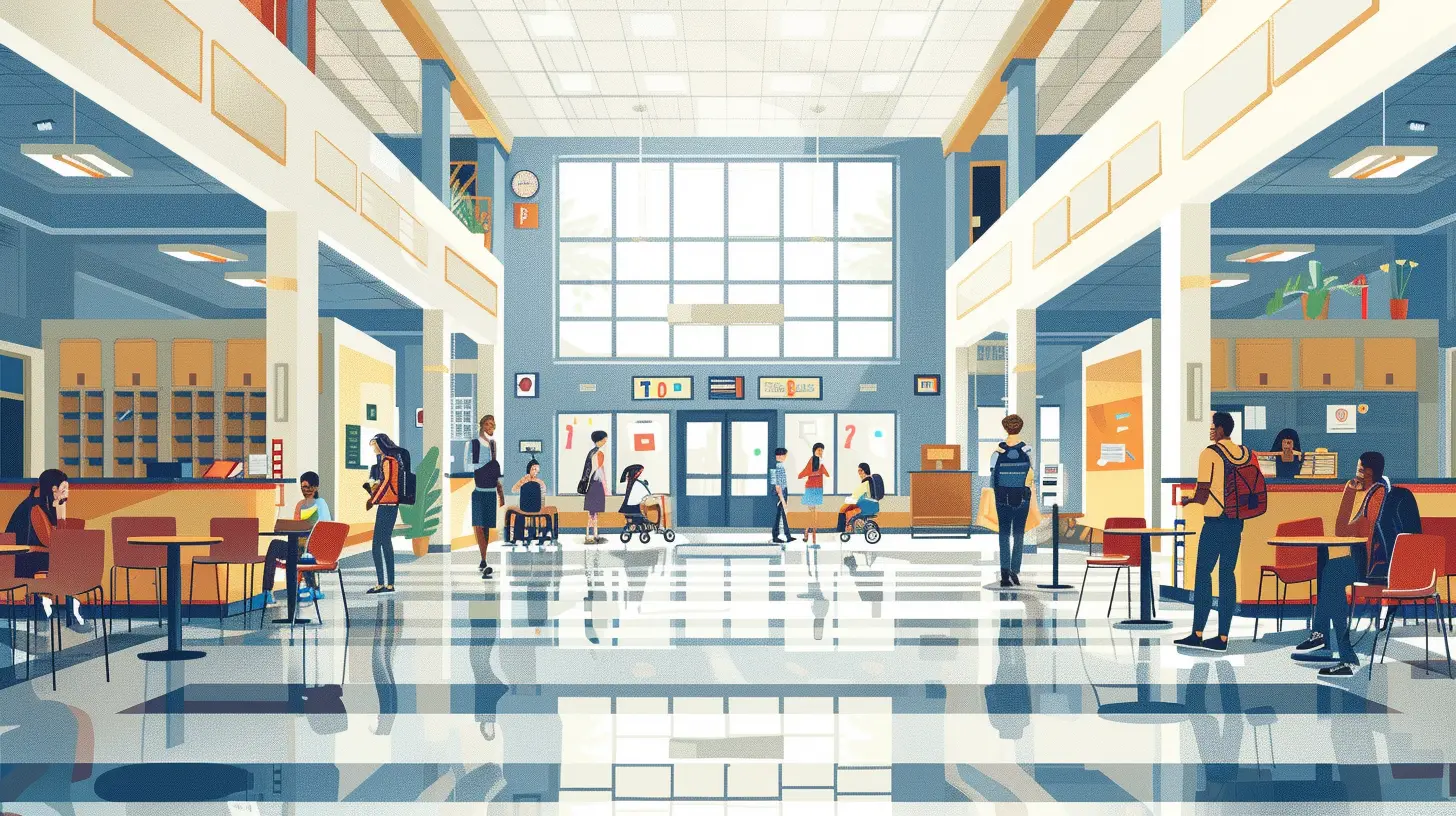
1. Ensuring Proper Supervision
Extracurricular activities should never be unsupervised. Whether it’s a coach, teacher, or another responsible adult, there should always be someone overseeing the activity. But supervision isn’t just about ‘being there’—it’s about being actively engaged in student safety.What Makes Good Supervision?
- Trained staff – Supervisors should know basic first aid, CPR, and emergency protocols.- Clear student-to-adult ratio – One teacher can’t watch over 50 students properly. Activities should maintain appropriate adult supervision.
- Proactive monitoring – Supervisors should anticipate risks, not just respond when something goes wrong.
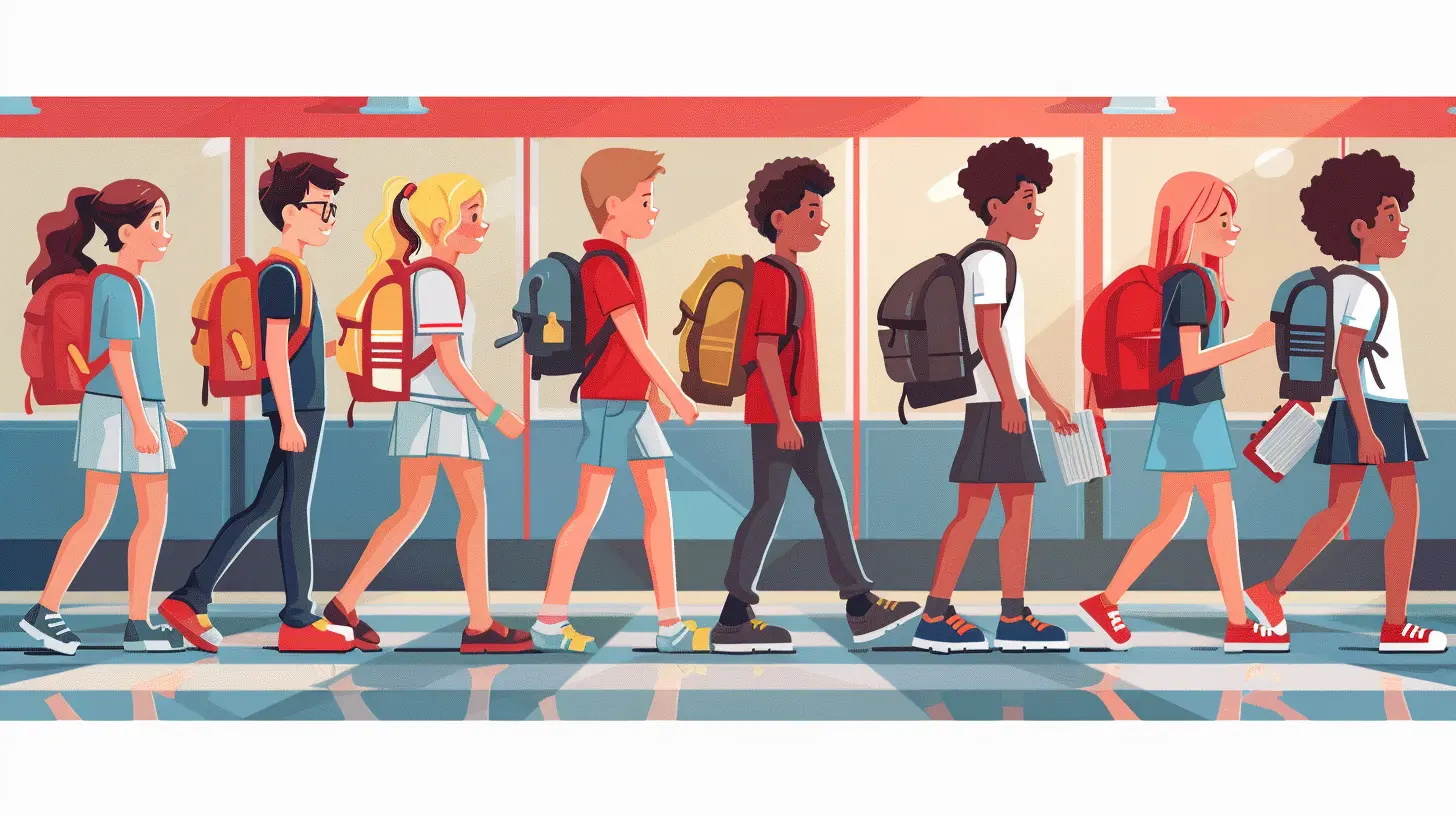
2. Safe and Well-Maintained Equipment
Faulty equipment is a disaster waiting to happen. Whether it’s broken goalposts, worn-out gym mats, or malfunctioning lab tools, using unsafe equipment increases the risk of injury.How to Keep Equipment Safe
- Regular inspections – Schools must routinely check sports gear, lab equipment, instruments, and other activity-related tools.- Repairs and replacements – Damaged items should be fixed or replaced immediately. Using broken equipment is not worth the risk.
- Proper training – Students should be taught how to use equipment correctly to minimize accidents.

3. Addressing Bullying and Harassment
Extracurricular activities are supposed to be fun, but they can sometimes become a breeding ground for bullying. Whether on the field, in a club meeting, or during rehearsals, students must feel safe and respected.How Can Schools Prevent Bullying in Activities?
- Establish clear behavior policies – Rules should outline zero tolerance for bullying and the consequences for violations.- Encourage inclusivity – Coaches and club leaders should foster a welcoming environment for all students.
- Promote open communication – Students should feel comfortable reporting incidents without fear of retaliation.
No student should feel unsafe or unwelcome in an activity that’s supposed to bring them joy.
4. Creating Emergency Action Plans
If an emergency happens, what’s the plan? Every extracurricular activity should have a detailed emergency action plan (EAP) in place.What Should an Emergency Action Plan Include?
- Who to contact – Keep emergency contact numbers easily accessible.- First aid protocols – Ensure that at least one adult is trained to handle medical emergencies.
- Evacuation routes – Know where to go in case of fire, severe weather, or other emergencies.
- Student medical information – Coaches and supervisors should be aware of any relevant medical conditions (e.g., asthma, allergies).
In moments of crisis, being prepared can make all the difference.
5. Transportation Safety
Many extracurricular activities require students to travel—to games, competitions, or field trips. But traveling, especially in school or rented buses, comes with its own safety concerns.Transportation Safety Tips
- Verified drivers – Schools must ensure that bus drivers have valid licenses and clean records.- Seat belts, if available – Students should always wear seat belts on buses when provided.
- Roll call before and after trips – Supervisors should take attendance to ensure no student is left behind.
- Backup emergency plan – If a vehicle breaks down or gets delayed, there should be a secondary plan in place.
The journey to and from an event should be just as safe as the event itself.
6. Preparing for Medical Emergencies
Picture this: A student collapses during a basketball practice due to an asthma attack. What happens next? If the staff isn’t trained to respond, precious moments are wasted that could save a life.How to Be Ready for Medical Emergencies
- Keep first aid kits handy – Every club, sport, or activity should have a well-stocked first aid kit.- CPR and first aid training for staff – Every coach or supervisor should know the basics of medical emergency care.
- Medical forms on file – Schools should collect updated medical forms with emergency contacts and allergy information.
Reacting quickly in medical emergencies can be the difference between life and death.
7. Weather-Related Safety Precautions
Outdoor activities, like sports events and field trips, are at the mercy of the weather. Schools must be prepared for extreme conditions to avoid putting students in harm’s way.Weather Safety Tips
- Check forecasts in advance – If there’s severe weather on the horizon, reschedule outdoor events.- Hydration for hot weather – Heat exhaustion and dehydration are real risks for student-athletes. Encourage water breaks and shade.
- Cold weather preparedness – If events are held in winter, ensure students have proper layering to prevent hypothermia or frostbite.
Mother Nature is unpredictable, so schools need to stay one step ahead.
8. Fostering a Culture of Safety Awareness
School safety isn’t just about policies and plans—it’s also about mindset. When students, parents, and staff prioritize safety, everyone benefits.How to Build a Culture of Safety
- Educate students about safety – Hold regular safety briefings before extracurricular activities.- Encourage students to speak up – If they notice an unsafe situation, they should feel empowered to report it.
- Parental involvement – Keep parents in the loop and encourage their participation in safety discussions.
When everyone takes safety seriously, accidents and risks decrease dramatically.
Final Thoughts
Extracurricular activities add excitement, personal development, and valuable experiences to a student’s life. But all the benefits mean little if students aren’t safe. Whether it’s preventing injuries, tackling bullying, ensuring proper supervision, or preparing for emergencies, taking the right precautions can make a world of difference.At the end of the day, safety should never be an afterthought. It should be at the core of every school activity, making sure students can participate with confidence and peace of mind.
all images in this post were generated using AI tools
Category:
School SafetyAuthor:

Bethany Hudson