Simple Ways to Make Your School More Eco-Friendly
11 April 2026
We throw away too much. Use too much. Forget too much. And honestly, our planet’s been silently screaming for help. Now imagine your school—not a drab, gray, energy-hogging machine, but a vibrant, green, eco-smart haven. Sounds like a fantasy? It’s not. Making your school more eco-friendly doesn’t require a million-dollar budget or a team of scientists. Just a little creativity, consistency, and a conscious effort from people like you.
In this post, we're going to open some green doors and take a walk through the simple, yet powerful ways your school can become more planet-friendly. So grab your virtual backpack, because this adventure is about to begin.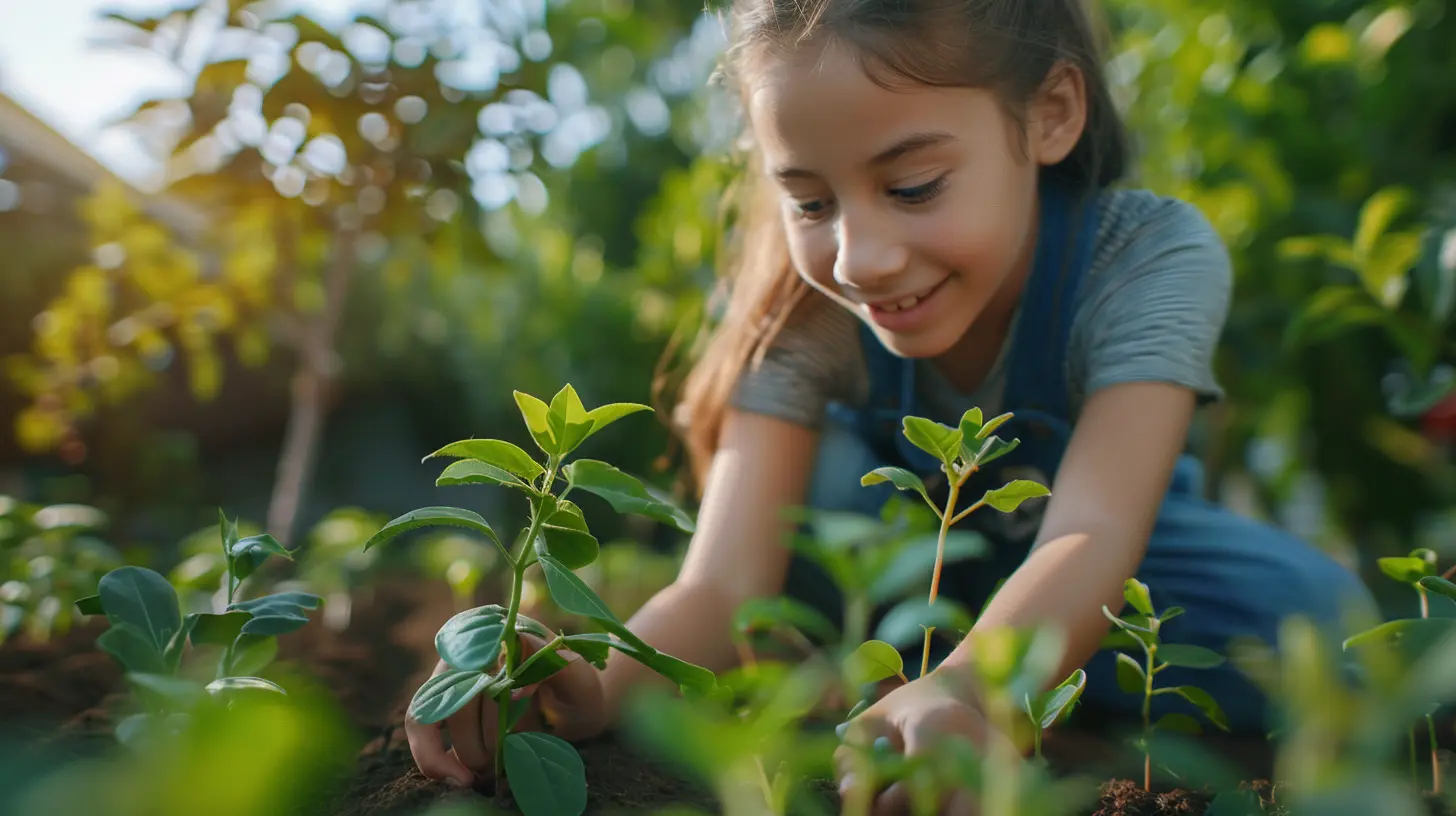
🌱 Why Care About Being Eco-Friendly in School?
Let’s face it—schools are like mini-cities. They consume electricity, produce waste, use water, and handle a ton of materials every single day. Multiply that by thousands of schools, and you've got a major impact on the environment.But here's the good news: this also means schools have the power to make a massive difference. By making small changes, you’re not just helping the planet—you’re building a better future for yourself and generations to come.
Still think one school can’t do much? Think of it like tossing a pebble into a lake. The ripple effect is real.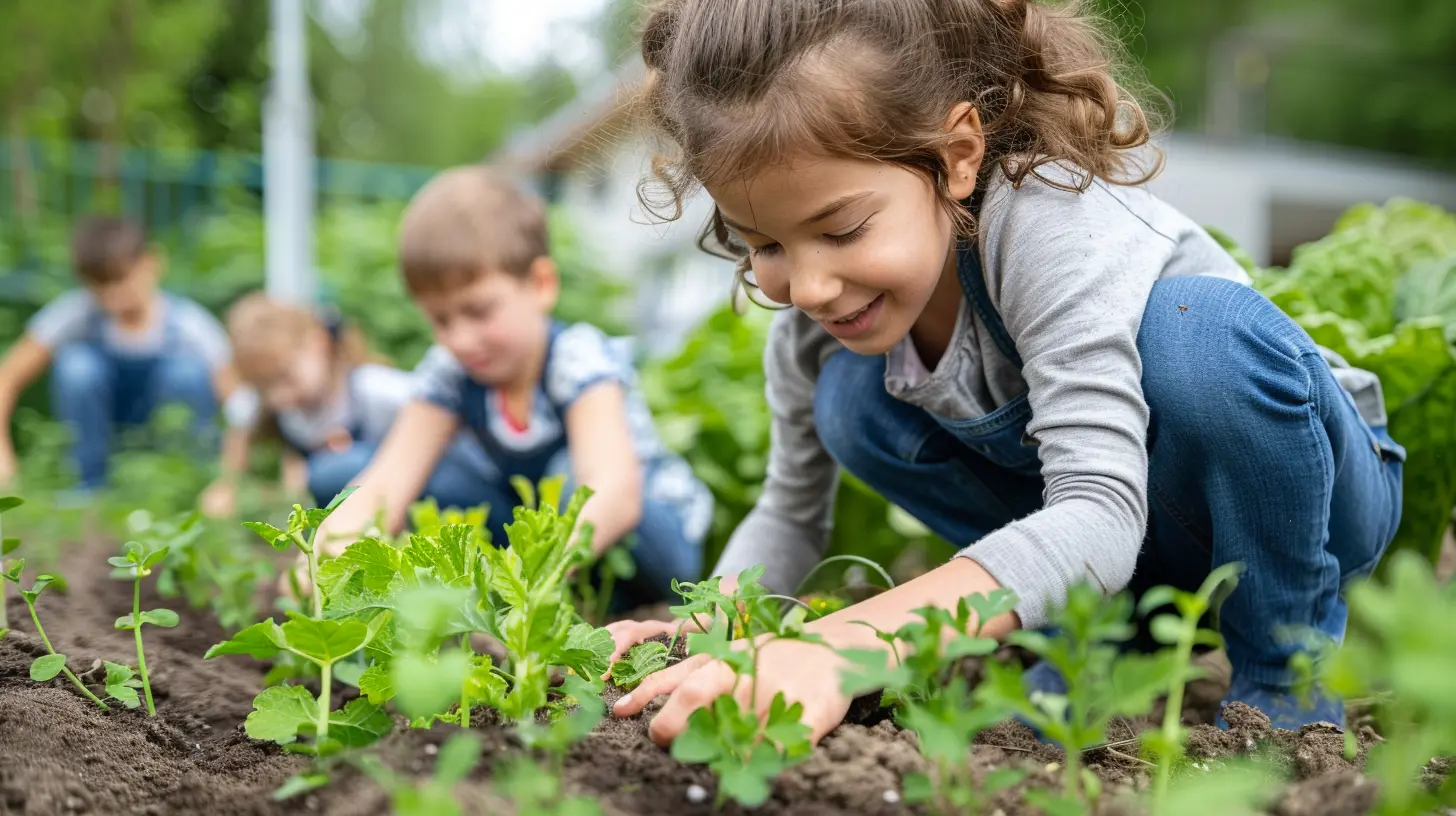
♻️ 1. Start With a Recycling Program (Yep, It Actually Works)
Let’s start with the basics. Recycling. It’s not glamorous, but it is game-changing. Most schools are already doing something, but often it's half-hearted—a lone blue bin in the corner gathering dust and gum wrappers.Here’s how to pump life into it:
- Clear and Color-coded Bins: Make them impossible to miss. Use bold signs. Label them for paper, plastic, metal, and general trash.
- Educate Don’t Assume: Host short info sessions during assemblies or homeroom. Use posters with shocking stats to catch attention.
- Lead by Example: Teachers and staff should be recycling too. If they don’t care, why should students?
Bonus tip? Appoint a student-led "Green Team" to monitor and promote recycling efforts. Nothing motivates students like being in charge.
💡 2. Switch to Energy-Efficient Lighting and Appliances
Lighting can eat up a lot of energy without you even noticing. Those old fluorescent tubes in the hallway? They're energy vampires.Here's what to do instead:
- Install LED Lights: They last longer and use up to 75% less energy.
- Use Motion Sensors: No need for lights in an empty room, right? These sensors are smart enough to figure that out for you.
- Natural Light FTW: Rearrange classrooms or open blinds when possible. Daylight boosts mood, attention span and doesn’t cost a dime.
Also, look at other electronics. Computers, projectors, vending machines... If they’re ancient, they’re sucking power like there’s no tomorrow. Replace or unplug when not in use.
🚯 3. Ditch Single-Use Everything
Ah, the horror of plastic forks, foam lunch trays, and individually wrapped ketchup packets. These things are waste monsters in disguise.Here’s what your school can do:
- Bring Your Own Lunch Containers: Encourage students to use reusable boxes, forks, and bottles.
- Say No to Plastic Cups & Straws: Offer paper or reusable options in cafeterias.
- Bulk Over Individual Packs: Replacing 1,000 mini soy sauce packets with a single communal bottle? Genius.
Not only does this cut waste, it saves money. Tell your school administrators—it hits them where they’ll listen: the budget.
🌻 4. Plant the Seeds—Literally
Why not turn a boring corner of the school yard into a thriving garden? It's education, therapy, and sustainability all rolled into one.- Start a School Garden: Teach students how to grow herbs, veggies, and flowers. Organize gardening as an elective or after-school club.
- Green the Classroom: Add indoor plants. They purify the air and create a calming vibe.
- Composting Project: Use cafeteria scraps to create compost for the school garden. It’s the ultimate circle of life.
Gardening connects students to the earth. Plus, pulling weeds is surprisingly therapeutic after a stressful math test.
🚶 5. Promote Walking, Biking, and Carpooling
If everyone’s arriving in separate cars, the carbon footprint is massive—even before 9 a.m.Here’s how to green the commute:
- Bike Racks = Encouragement: No bike racks means no bikers. Simple as that.
- Carpool Charts: Create a sign-up system for carpooling families.
- Walk-to-School Days: Make it a fun event! Involve the whole community, maybe even hand out eco-badges or certificates.
Bonus? These initiatives promote health, social bonding, and less traffic around the school—win, win, and win.
💧 6. Cut Down on Water Waste
Did you know a dripping tap can waste over 3,000 gallons a year? That’s enough for a small pool. Yep, really.Fix that with:
- Low-Flow Faucets and Toilets: Simple upgrades that save thousands.
- Sensor Taps: No more taps left running by mistake.
- Water Awareness Campaigns: Teach students to turn off taps. Even print funny stickers with wacky water facts to slap on bathroom mirrors.
We don’t always think about water as a “school issue,” but reducing usage here ripples out big time.
🧼 7. Choose Eco-Friendly Cleaning Products
Most cleaning supplies are chemical-heavy and terrible for indoor air quality (and the planet). Considering how often schools are cleaned, it’s a big deal.Better options?
- Non-toxic Products: Look for ones labeled biodegradable or plant-based.
- Train the Janitorial Staff: They’re the ultimate eco-warriors behind the scenes. Equip them with the right tools and knowledge.
- Involve Students: Promote cleanliness habits—like wiping desks with eco-friendly wipes—which reduces the need for deep chemical cleaning.
It’s about creating a healthier space for everyone, without that harsh “super-sanitizer” smell that singes your nose hairs.
📚 8. Go Digital Where You Can
Paper waste in schools? It’s legendary. Worksheets, tests, permission slips—it piles high fast.Let’s trim it down:
- Use Digital Platforms: Google Classroom, Microsoft Teams, and other tools can handle assignments and announcements.
- Email Over Print: Why print hundreds of newsletters when you can email them?
- Reuse Paper: If one side is blank, it’s still good! Set up a “draft paper” tray in classrooms.
Going paperless might not be 100% possible, but even a partial switch can save trees—and money on copier toner (those things cost a small fortune).
🛠️ 9. Involve Everyone—Because It’s a Team Sport
This is the secret sauce to making eco-friendly schools actually work. Get everyone involved.- Teachers can integrate sustainability into science, geography, or even art.
- Principals can back green initiatives with budget support and leadership.
- Parents can help with recycling drives, donations, or transport solutions.
- Students? You're the heartbeat. Lead clubs, start petitions, be the change.
Make being eco-friendly part of the school’s identity. Like a badge of honor.
🌏 10. Celebrate Eco-Wins (Big or Small)
Recognition is fuel. Celebrate every success like you just won the Super Bowl.- Eco-Points System: Reward classes for low energy use or recycling achievements.
- Green Awards: Monthly or yearly recognition for teachers, students, or teams.
- Social Media Shoutouts: Share accomplishments. Inspire others.
If people feel their efforts are seen and appreciated, they’ll be even more motivated to keep going.
🔮 Final Thoughts: A Greener School Is Closer Than You Think
Let’s be real—saving the planet isn’t just for scientists and politicians. It starts right where you are. In your school. In your classroom. With your choices.You don’t have to flip the switch overnight. But with every eco-friendly step, your school moves closer to becoming a beacon of sustainability. A place where the environment isn’t an afterthought—it’s a priority.
Because at the end of the day, the best lessons aren’t just taught—they’re lived.
So what are you waiting for? Go start that green ripple.
all images in this post were generated using AI tools
Category:
Environmental EducationAuthor:

Bethany Hudson
Discussion
rate this article
2 comments
Harper Hayes
These practical tips can foster environmental awareness in students and promote sustainable habits for a greener future.
May 3, 2026 at 12:46 PM
Bethany Hudson
I'm glad you found the tips useful! Small changes can lead to big impacts in promoting sustainability among students.
Paula Graham
Great tips! Let's create a greener, healthier environment for our students!
April 11, 2026 at 4:41 AM
Bethany Hudson
Thanks! Every small step counts toward a better future for our students. Let's keep pushing for positive change!