Why Student Collaboration is Key to Building Lifelong Learners
12 April 2026
Ever heard the saying, "Two heads are better than one"? Well, when it comes to learning, this couldn't be more true! Student collaboration isn't just some educational buzzword—it's the secret ingredient to creating lifelong learners. In today’s fast-paced world, knowledge isn’t just about memorization; it’s about teamwork, problem-solving, and real-world application.
But why is collaboration so important? And how does working with others help students develop skills that stick with them for life? Buckle up because we’re about to dive into the magic of student collaboration and why it’s a game-changer for lifelong learning.
The Power of Learning Together
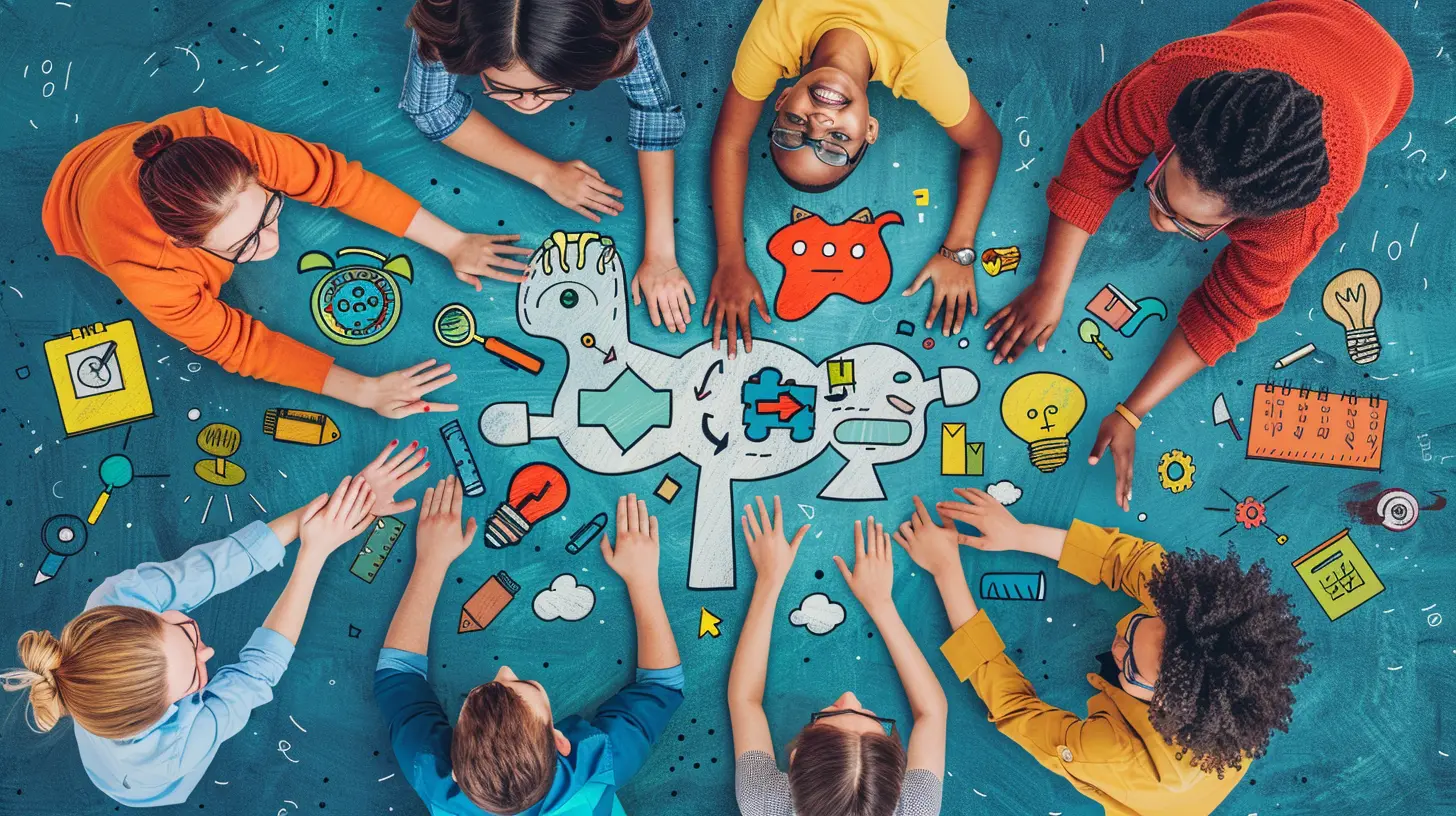
Think about the last time you tried to figure something out on your own. Maybe it was a tricky math problem or an essay topic that just wouldn’t come together. Now, compare that to the times when you worked with a friend or a group. The brainstorming, the different perspectives, the "aha!" moments—it’s an entirely different (and much more engaging) experience, right?That’s because learning together makes the process more interactive. When students collaborate, they:
- Share ideas and learn from each other’s perspectives
- Develop critical thinking skills by challenging each other's views
- Improve communication skills
- Build confidence in their own abilities
And let’s be real—working with friends just makes learning more fun!
Collaboration Builds Essential Life Skills
1. Communication: The Backbone of Success
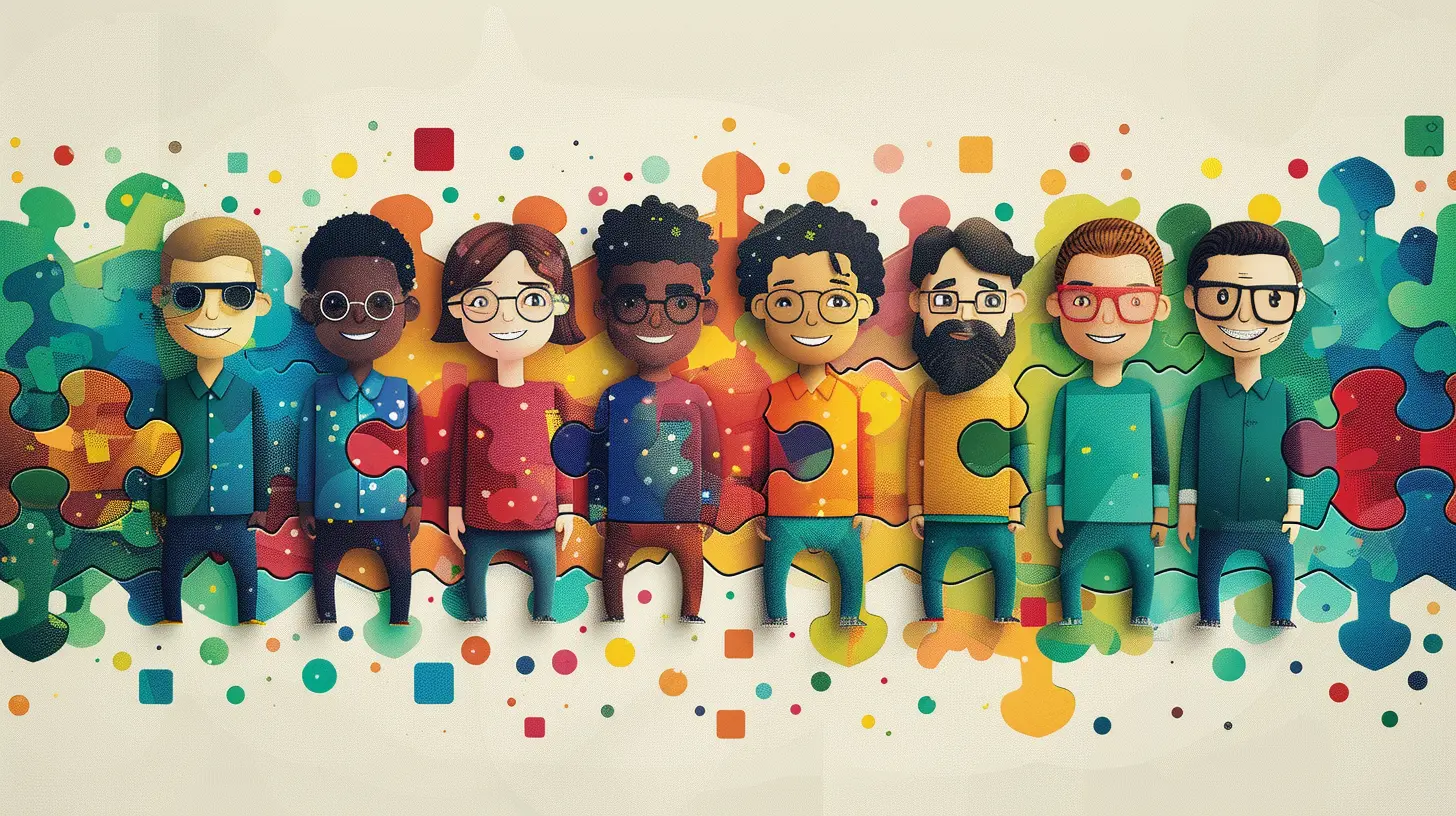
Imagine a world where no one knew how to communicate effectively. Chaos, right? Collaboration teaches students how to express their ideas clearly, listen to others, and even settle disagreements in a productive way. These are the exact skills future employers (and life in general) will demand.2. Problem-Solving: Turning Challenges into Opportunities
In solo learning, you might hit a dead-end when stuck on a problem. But in a group setting? Someone else might have a solution you never thought of! Students working together brainstorm, troubleshoot, and explore multiple angles—all crucial skills needed in the real world.3. Empathy & Emotional Intelligence
When students collaborate, they engage with different personalities, learning styles, and backgrounds. This builds empathy, patience, and an understanding of diverse perspectives—all essential traits for being a successful human being (not just a student!).4. Leadership & Teamwork
Not everyone's a natural-born leader, but collaboration allows students to step up, take initiative, and guide discussions. Whether they lead or support, they’re learning valuable teamwork skills that will serve them well beyond the classroom.
The Role of Technology in Student Collaboration
Let’s face it—technology has changed the way students collaborate. Long gone are the days of only working together in person. Now, students can connect, discuss, and share ideas through online platforms, video calls, and collaborative documents.Some examples of tech-powered collaboration include:
- Google Docs & Microsoft Teams – Perfect for real-time brainstorming and editing
- Discussion Forums & Online Study Groups – Great for sharing insights and resources
- Project Management Tools (Trello, Asana) – Ideal for organizing group tasks effectively
Tech not only makes collaboration easier but also prepares students for today’s digital-driven workplaces, where working together often happens remotely.
Breaking the Myth: Group Work Doesn’t Mean Lazy Learning
One of the biggest misconceptions about student collaboration is that it allows some students to do all the work while others simply tag along. But when done right, collaboration doesn’t mean splitting the work evenly—it means actively engaging, contributing, and helping others grow.Teachers can ensure effective collaboration by:
- Assigning roles within the group (think: leader, researcher, presenter, etc.)
- Encouraging accountability with peer reviews
- Providing structured guidelines on how collaboration should work
This way, every student is involved, making the learning process more effective (and fair!).
Real-Life Cases: How Collaboration Prepares Students for the Future
Still not convinced that collaboration is the golden ticket to lifelong learning? Let’s take a look at real-life examples where teamwork plays a crucial role:1. The Workplace
Whether you’re in marketing, medicine, or engineering, working with others is a must. Companies value employees who can work well in teams, adapt to different work styles, and contribute ideas effectively.2. Higher Education
College projects, research papers, and group discussions all rely on collaboration. Being comfortable with teamwork early on makes higher education far less intimidating.3. Everyday Life
From planning events to making big decisions with family and friends, collaboration is a life skill that extends way beyond school and work.
How Educators Can Foster a Collaborative Learning Environment
Teachers play a massive role in encouraging student collaboration. Here are some simple strategies to create a teamwork-friendly classroom:- Group Projects & Peer Learning – Assign activities that require students to work together
- Active Discussions & Debates – Encourage open-ended discussions where students can share and challenge ideas
- Gamified Learning – Use interactive games or quizzes that involve teamwork
- Rotating Roles – Give students the chance to take on different responsibilities in group activities
When teachers nurture collaboration, they don’t just help students succeed academically—they equip them with skills they’ll carry their entire lives.
Conclusion: Learning is Better Together
At the end of the day, education isn’t just about passing exams—it’s about preparing students for lifelong success. And what’s the best way to do that? Collaboration.When students learn to work together, they develop essential life skills, tackle challenges more effectively, and—let’s be honest—have way more fun in the process. So, whether it’s through group projects, tech-powered teamwork, or simple peer discussions, collaboration is the key to creating lifelong learners.
Now, the real question is: How can we make collaboration an even bigger part of education? That’s something worth thinking (and talking) about!
all images in this post were generated using AI tools
Category:
CollaborationAuthor:

Bethany Hudson
Discussion
rate this article
2 comments
Isabelle Warren
This article raises intriguing points about student collaboration. How does working together truly shape their learning journey? I wonder what specific strategies can enhance this collaborative experience.
May 12, 2026 at 4:29 AM
Bethany Hudson
Thanks for your thoughts! Collaborative learning builds essential skills like communication and problem-solving. Strategies such as peer teaching and group projects can deepen engagement and foster a sense of community among students.
Beth Underwood
Empowering students through collaboration fosters essential skills like communication, empathy, and critical thinking. These experiences not only enhance learning but also cultivate a sense of community and responsibility, laying the foundation for lifelong learners who thrive in an interconnected world.
April 13, 2026 at 3:23 AM
Bethany Hudson
Thank you for your insightful comment! I completely agree—collaboration not only enriches learning but also equips students with vital skills for their future success in our interconnected world.