Teaching Kids About Renewable Energy: Lessons for All Ages
5 January 2026
Ever try explaining electricity to a five-year-old? It’s like describing how the internet works to your grandma. Now, throw renewable energy into the mix—wind, solar, hydro—and you've got yourself a real challenge. But here's the thing: teaching kids about renewable energy isn’t just doable, it’s absolutely essential.
Why?
Because they're the ones who’ll deal with the consequences of how we power our world today. The earlier they understand the hows and whys of clean energy, the better equipped they'll be to build a greener future.
So whether you're a parent, teacher, or just someone who thinks the future deserves more than fossil fuels, you’re in the right place. Let’s unravel how to teach kids about renewable energy—no lab coat needed.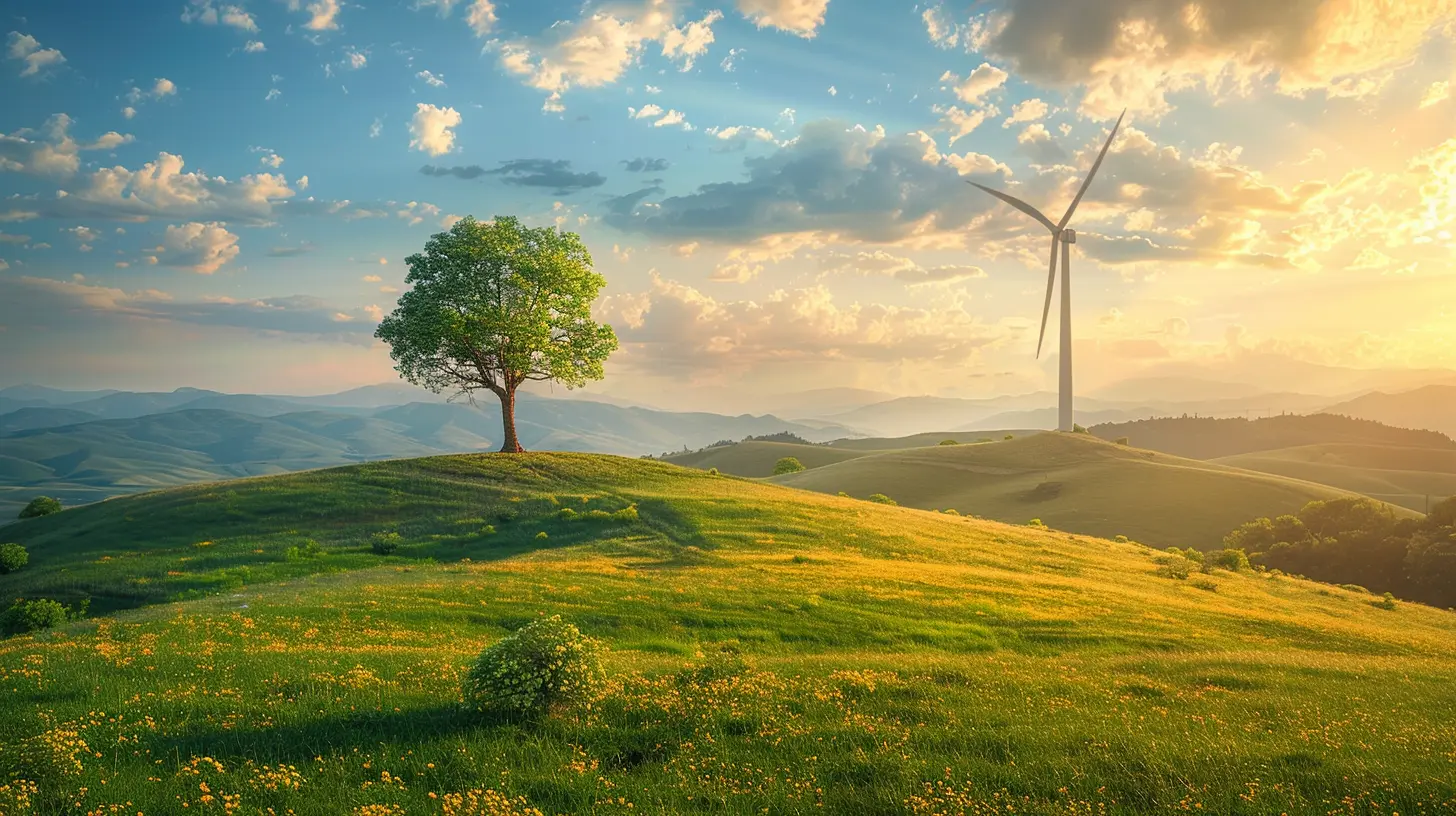
Why Bother Teaching Kids About Renewable Energy?
Let’s start with the obvious. Why does this even matter?We live in a world powered by electricity. From their tablets and video games to turning on the lights, kids are surrounded by energy use. But most don’t have a clue where power actually comes from. Some might think the wall outlet is magic. So, when they find out that burning coal or gas often makes that magic happen, eyes widen.
That’s the “aha moment” we’re after. Teaching children where energy comes from—and more importantly, where it can come from—is a powerful way to spark curiosity, responsibility, and eventually, action.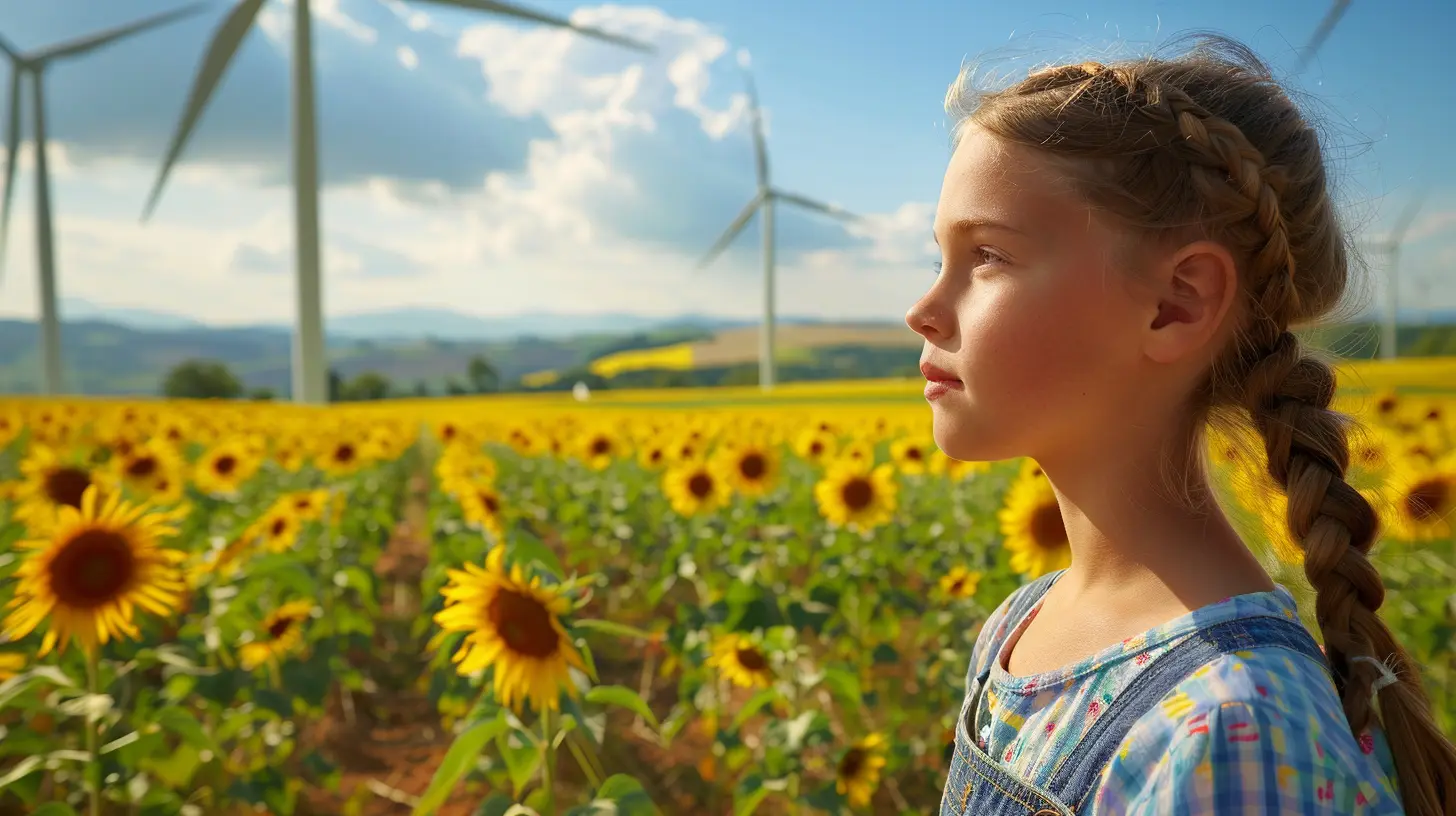
Breaking Down Big Ideas for Little Thinkers
You can’t just throw words like “photovoltaic cells” or “carbon neutrality” at a first grader. That’s asking for a nap. Instead, we need to simplify without dumbing it down.Think storytelling. Think hands-on. Think play.
For younger kids, use metaphors they can relate to. For example:
- 🌞 Solar panels are like special “sun-catchers” that soak up sunlight and turn it into power—like magic pancakes!
- 🌬️ Wind turbines are like pinwheels that spin when air moves, helping make electricity through the spin.
- 💧 Water dams are like superhero waterfalls that push turbines to make energy.
You can even relate it to superheroes. “The sun is a superhero because it gives endless power without polluting the planet!”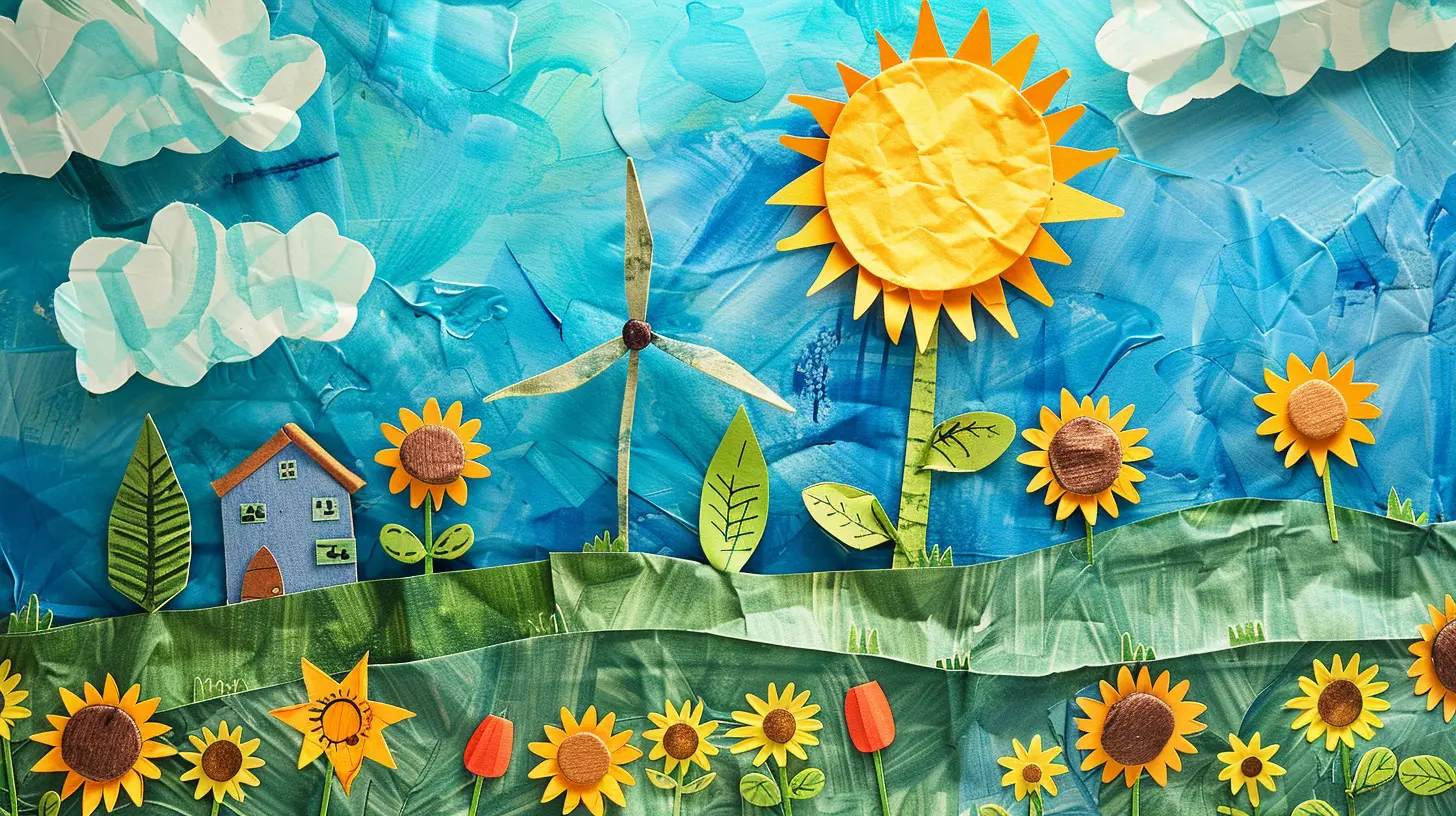
Making It Age-Appropriate: Lessons Across Different Age Groups
Let’s map out how to teach renewable energy in a way that clicks based on age.🧒 Ages 4–7: The Introductory Phase
This is where you plant the seed. Keep it visual, hands-on, and story-based.Activities:
- Read picture books about Earth and energy (Dr. Seuss’s The Lorax makes a great start).
- Build a simple pinwheel to represent wind power.
- Use crayons and solar paper to create sun prints—teach them about solar energy through art.
Remember, repetition is your friend here. Talk about the sun and wind as natural powers. Make it fun, not formal.
🧑 Ages 8–11: The Curiosity Zone
This age group gets curious about how things work. They’re not afraid to ask questions (lots of them), so be ready.Activities:
- Create a DIY solar oven with a pizza box, foil, and plastic wrap. Cook marshmallows or nachos in it!
- Build a mini windmill with LEGOs or craft sticks.
- Visit a local wind farm or solar panel site if possible.
Start introducing words like “renewable,” “pollution,” and “climate change.” Be honest, but hopeful. Focus on how they can help the planet.
👩🎓 Ages 12–15: The Real Talk Years
Pre-teens and early teens are ready for deeper conversations. They're old enough to grasp cause and effect, and they’re starting to form opinions.Activities:
- Have debates in class: “Fossil Fuels vs. Renewables—Which One Wins?”
- Use interactive websites and simulations to show how power grids work.
- Assign a “Green Energy Project” where they create a poster or video on how to power a small city using only renewables.
This is also a great time to talk about the science behind renewables—how solar panels convert light to electricity, or how hydroelectric plants work.
🎓 Ages 16+: Preparing the Future Leaders
High schoolers can handle the full picture. Let them explore innovation, economics, and energy policy. This is where passion meets purpose.Activities:
- Encourage science fair projects on renewable energy inventions.
- Introduce them to coding challenges that involve energy-saving solutions.
- Facilitate internships or mentorships with professionals in green industries.
You’re no longer just teaching; you’re empowering. Help them see their potential in shaping the future of energy.
The Power of Play: Turn Energy Into a Game
Want to make something stick in a kid’s mind? Turn it into a game.- Energy scavenger hunts: “How many solar-powered items can you find in your house?”
- Board games: Create or use games that involve building sustainable cities.
- Energy-saving competitions: “Who can go the whole day using the least electricity?”
Gamification adds excitement and turns learning into an adventure.
Make It Personal: Connect Energy to Their World
Kids care about what affects them. So make renewable energy personal.Ask questions like:
- “Do you want your playground to be free of litter?”
- “Wouldn’t it be cool if your school ran on solar power?”
- “What if charging your phone didn’t hurt the planet?”
Tie concepts to their everyday life—charging devices, watching YouTube, cooling off with fans. Show them how renewable energy could do all that…and keep ice caps from melting.
Field Trips and Real-World Experiences
You can explain wind power a hundred times, but one visit to a wind farm—and boom, it clicks.Take kids outside the classroom:
- Visit renewable energy sites: wind farms, hydro plants, solar farms.
- Check out science museums with energy exhibits.
- Invite guest speakers who work in green jobs.
These real-life connections make the subject feel less like science fiction and more like everyday reality.
Let’s Talk About The Big Picture (Without Scaring Them)
While it’s tempting to go full Greta Thunberg on them, piling on doom and gloom can backfire. Kids need to know the truth, but they also need hope.Balance is key:
- Yes, climate change is real and serious.
- But clean energy is growing, and there’s something they can do.
Focus on empowerment, not fear. Help them see themselves as part of the solution.
Tools and Resources for Parents and Teachers
Not a science expert? No worries. You’ve got help.Here are some awesome tools to use:
- Khan Academy: Free science lessons on energy.
- National Geographic Kids: Interactive games and articles on the environment.
- Energy.gov/kids: Government-run site with bite-sized energy facts.
- YouTube Channels: Try SciShow Kids, Crash Course Kids, and TED-Ed.
Remember, you don’t have to know all the answers. You just have to be curious, too.
Wrapping It All Up: It’s Not Just Knowledge—It’s Action
Teaching kids about renewable energy isn’t about memorizing facts. It’s about building habits, shaping mindsets, and laying the groundwork for action.Because today’s crayons and cardboard solar ovens could be tomorrow’s startup ideas and climate tech solutions.
So let’s teach our kids not just what clean energy is, but why it matters. Let’s show them that energy doesn’t have to be hidden wires and power plants. It can be sunshine, breezes, and waves—and it belongs to all of us.
The future is in their hands. Let’s give them the tools to light the way—literally.
all images in this post were generated using AI tools
Category:
Environmental EducationAuthor:

Bethany Hudson
Discussion
rate this article
2 comments
Flynn Dillon
Empowering kids with renewable energy knowledge cultivates responsibility and innovation, shaping a sustainable future for generations to come.
February 2, 2026 at 4:48 AM
Bethany Hudson
Absolutely! Educating kids about renewable energy not only fosters responsibility but also inspires innovative thinking essential for building a sustainable future.
Stephanie Martinez
This article effectively highlights the importance of introducing renewable energy concepts at a young age. By fostering curiosity and encouraging critical thinking, we empower children to understand environmental issues. Incorporating hands-on activities and real-world applications can deepen their engagement, ensuring they grow into informed, responsible stewards of our planet.
January 8, 2026 at 3:46 AM
Bethany Hudson
Thank you for your insightful comment! I completely agree that engaging children through hands-on activities is key to fostering a deeper understanding of renewable energy and environmental stewardship.